

Say Goodbye To Gravel: 7 Cheaper, More Weed-Resistant Landscaping Alternatives
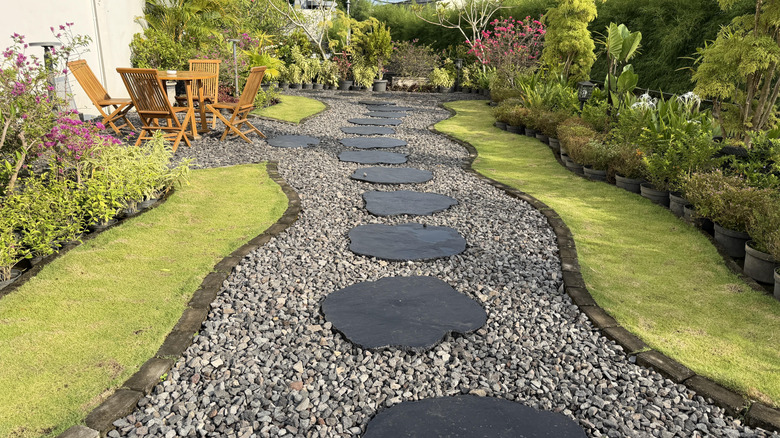
While gravel can bring a decorative look to any landscaping project, the fact remains that it can be a pricey material. Sure, you can find some for unexpectedly cheap prices on Facebook Marketplace, but the average price for gravel installation ranges between $600 to $3,500. Depending on the size of the project and the type of gravel used, costs can climb even higher.
The fact is that you can say goodbye to gravel, because there are cheaper materials out there. Materials like crusher fines and recycled crushed concrete are great alternatives for pathways, while bark mulch, wood chips, and pine needles provide a more natural look to landscaped beds. Landscape fabric, though often criticized for concerns about microplastics, can provide an affordable weed-suppression option in certain landscaping applications. Even a few bales of straw are going to give you better economic value than gravel will.
Another issue common with gravel is the tendency for weeds to grow up through the loose aggregate. Light, air, and water can all penetrate the gravel and encourage weeds to grow. Many of these alternatives can also help suppress weeds more effectively than gravel when installed correctly. So, not only can these materials save money, but many can also reduce pesky weed growth and maintenance over time.
Crusher fines
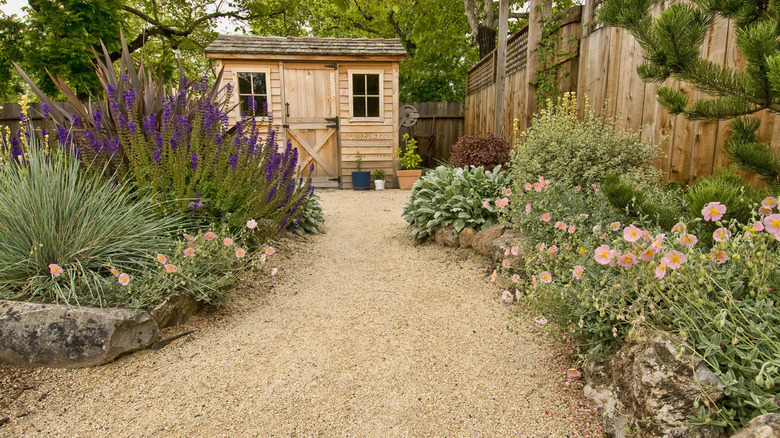
A byproduct of the gravel making process, crusher fines are a much cheaper and weed-resistant alternative to standard gravel. These fines are a mixture of rock dust and stones crushed to about ⅜ inch in size and come in a range of colors depending on the types of rock used to produce them. Costing between $15 and $85 per square foot, correctly installed crusher fines will create a compacted surface that suppresses weed growth better than gravel can. The lack of light under crusher fines will prevent weed seeds from germinating and sprouting.
Bark mulch
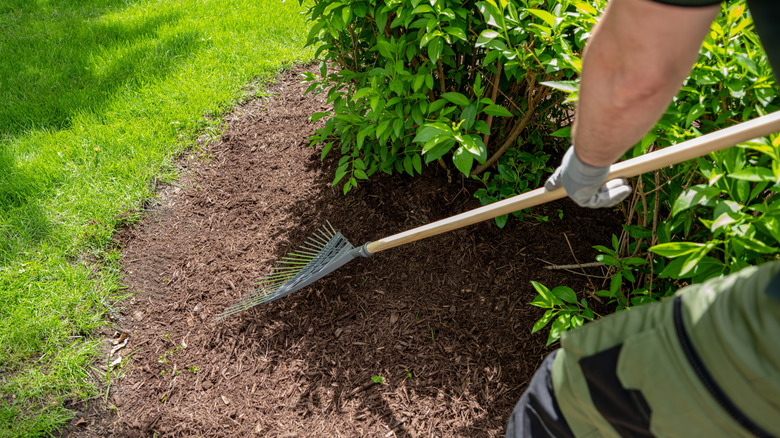
When it comes to choosing mulch for your next landscaping project, bark mulch is one of the most attractive and budget-friendly options available. Where gravel can be priced over $100 per cubic yard, bark mulch can run as low as $30 per cubic yard when you buy in bulk. The lower upfront cost also comes with easier installation, as bark mulch is much lighter and easier to spread than a gravel surface is. In terms of weed control, the thicker the application of the bark mulch, the more weeds you deter from popping up.
Wood chips
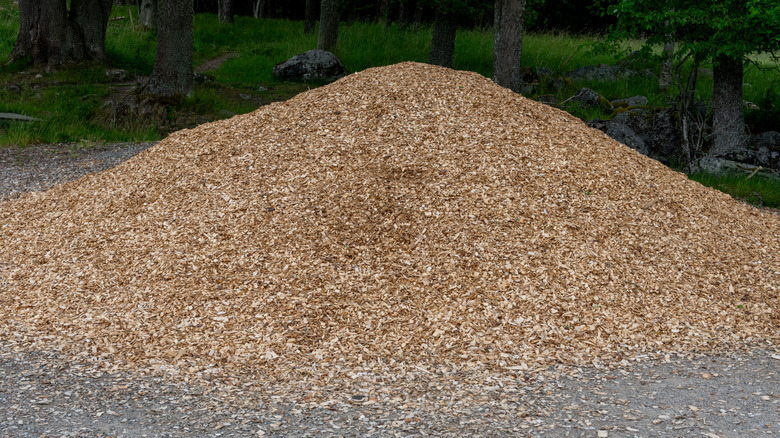
Wood chips differ from bark mulch because they contain both bark and interior wood from the tree, rather than bark alone. Wood chips are great for paths or decorative mulch layers because of their more uniform size, but they also make for excellent weed prevention by effectively blocking the sunlight weeds need in order to grow. In terms of cost, wood chips average about $85 per cubic yard. However, depending on where you live, you could get wood chips for free from your local municipality or companies like ChipDrop.
Pine straw
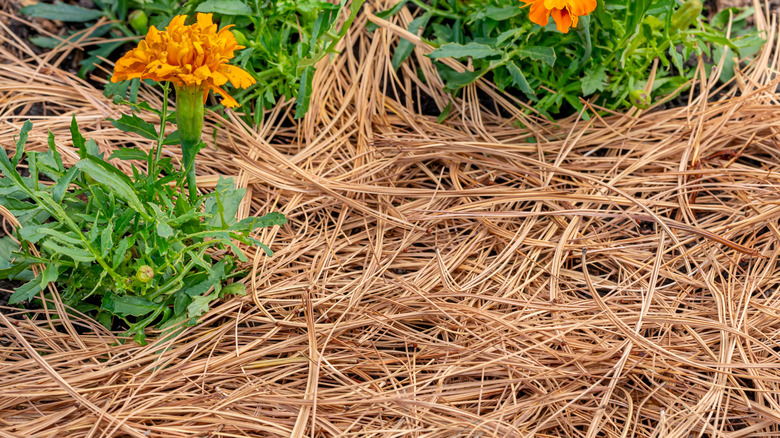
Pine straw is the landscaping term for pine needles that have been dried and collected into bales which you can purchase for use as mulch in your landscaping beds. It's exceptionally lightweight, making it far easier to move and spread than gravel or other stone materials. Pine straw is also an excellent option for weed control because it blocks the light weed seeds need to germinate. In terms of cost, you can purchase a bale for as little as $2.50 which will cover anywhere from 35 to 100 square feet depending on how thickly the mulch is applied.
Recycled crushed concrete
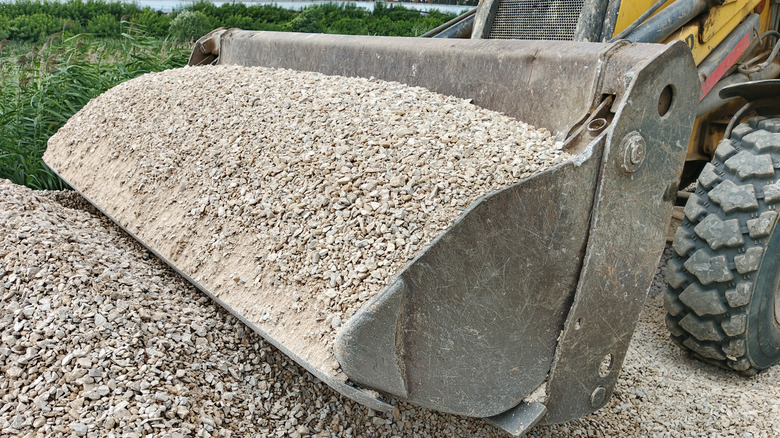
From a distance, you could easily confuse crushed concrete for gravel. However, up close you will see that crushed concrete is made from recycled bits of broken up concrete that have been collected from old sites. This recycled nature makes it an eco-friendly and durable alternative for driveways and walkways in your landscaping. Similar to crusher fines and other crushed stone materials, crushed concrete compacts into a semi-solid surface that helps prevent weeds from sprouting. Plus, at roughly $10 to $20 per ton compared to gravel's average cost of around $30 per ton, it's easily the more affordable option.
Landscape fabric
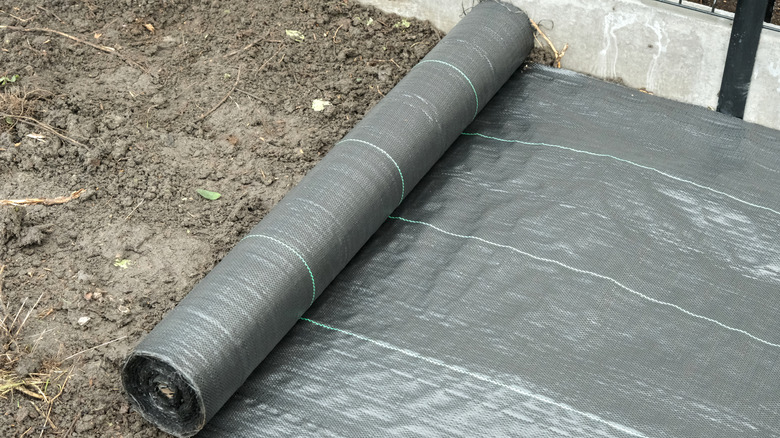
While not necessarily the most environmentally friendly option, there is no denying that landscape fabric is going to be one of the cheapest alternatives to gravel that you are likely to find. With professional installation, landscape fabric typically costs about $0.75 per square foot. If you install it yourself, that cost can drop to as little as $0.20 per square foot. However, in terms of actual weed prevention, the fabric is really a temporary solution. While it can suppress weeds for a while, the material will eventually break down and need to be replaced.
Straw
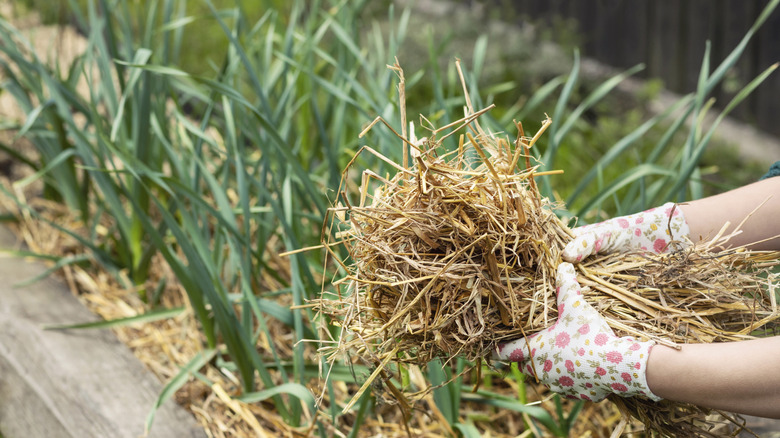
Unlike pine straw, which is made from pine needles, standard straw consists of the dried stalks of cereal crops such as wheat or barley. It's commonly used in garden beds to help retain soil moisture and keep fruits like strawberries and tomatoes clean and free of dirt. However, thick applications of straw will also help keep weeds at bay by blocking the sunlight they need to grow. You just need to make sure none of the straw contains weed seeds. Bales cost as little as $10, though prices vary depending on where you live.