

Ditch The Concrete: The 10 Best Stylish Alternatives For Your Driveway
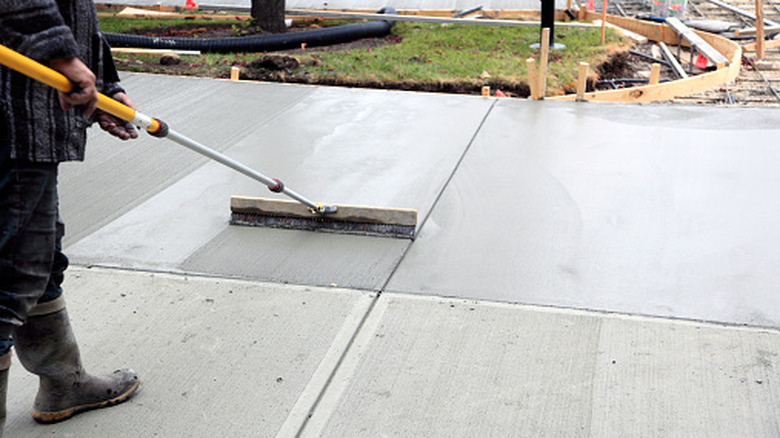
Concrete is not a bad material to pave a driveway with. Quite the opposite, in fact. Concrete is highly durable, readily available, and will last for decades if properly cared for. However, there is really no denying that the material can look dull. Sure, those who want strict utility from their driveways won't mind the dark gray pad they drive on and off every day. Others, though, are looking for more stylish alternatives for their driveway, many of which will have you second-guessing concrete as your driveway material of choice.
The concrete driveway alternative you ultimately choose is going to depend on what functions you want your property's entrance to perform. Do you want exceptional longevity and classic styling? Try bricks or cobblestones. Looking for something more affordable but attractive for a cabin or coastal home? Gravel or seashells will be perfect. Eco-conscious? Permeable pavers, natural stones, or mycelium are the way to go.
Each of these options, as well as several others, has its own benefits and drawbacks, ranging from longevity and durability to price, ease of installation, and maintenance. However, if there is one thing to be sure of, it is that all of these options will make you forget bland concrete driveways.
Bricks
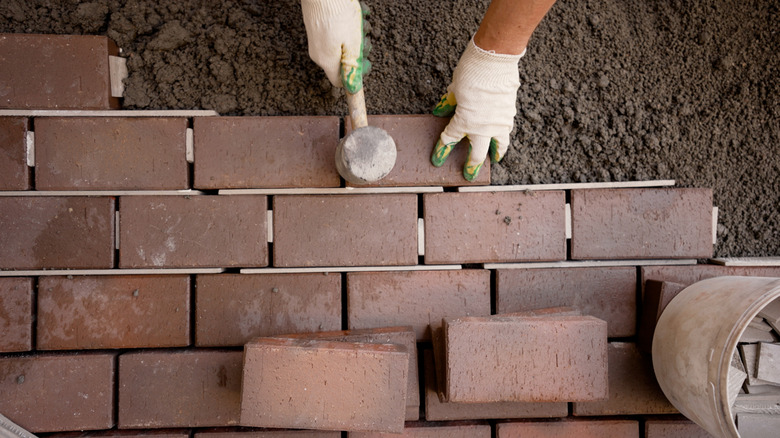
Bricks are a time-honored paving material that can spruce up any driveway. Made from a primary combination of clay, shale, and sand, bricks are flame-cured into individual rectangular pavers. This curing gives them added strength and longevity. One of the major advantages a brick driveway has over concrete is its life span — 25 to 50 years — and the fact that they can easily be replaced and maintained. They can also be laid into patterns, such as herringbone or basket weave, that will really make your driveway the envy of the neighborhood.
Cobblestone
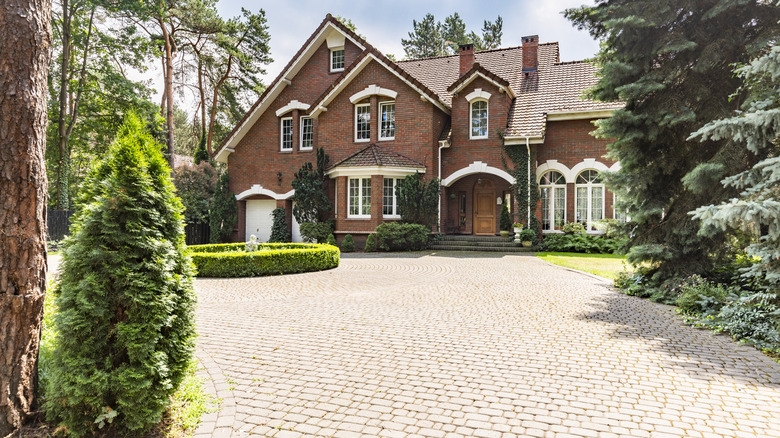
Cobblestone paving can be traced all the way back to ancient times. This history is part of the reason they are considered to be a stylish, more durable alternative to concrete. Though originally sourced from riverbeds, today's cobblestones are made primarily from heavy-duty stones like granite, quartzite, or prophyry, which are more rustic in texture. Like bricks, cobblestones are easy to install, pattern, and maintain. They are extremely weather-resistant, proven to last for centuries, and can withstand heavier loads without breaking or sinking.
Permeable pavers
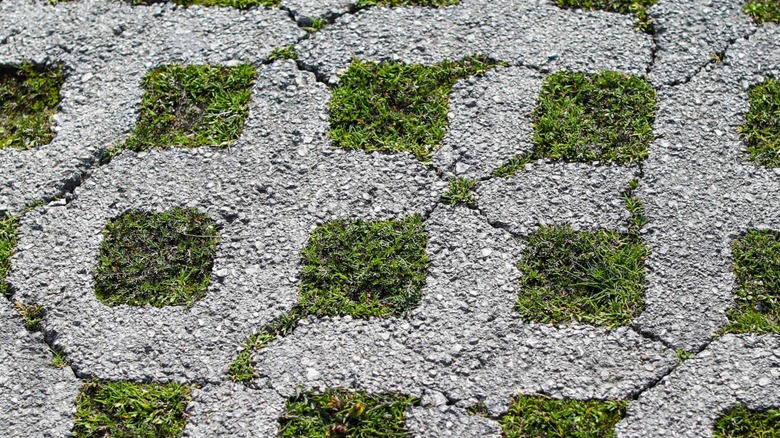
Permeable pavers are a practical replacement to concrete driveways that remedies one of the material's major weaknesses: water drainage. If a concrete driveway is not pitched correctly, it can pool water, leading to cracking, heavy runoff, winter ice buildup, and even collapse from erosion. Permeable pavers solve this issue by allowing stormwater to pass through the joints between the pavers and into the soil beneath. They require an aggregate base of crushed stone to allow for superior drainage, while also being strong enough to hold cars and other driveway traffic.
Gravel
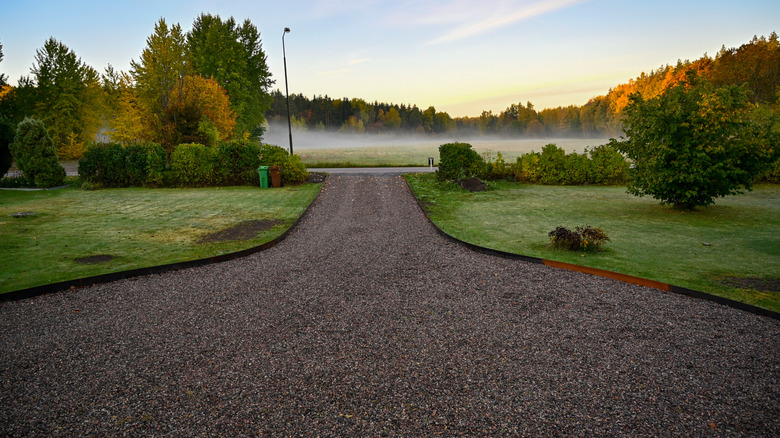
Gravel is one of the cheapest ways to pave a driveway — $1,800 average installation — but the lower price doesn't mean style is sacrificed. There are numerous types of gravel for driveways that offer a wide array of colors, stone sizes, and finishes. Gravel is also very easy to install and offers excellent drainage. Upkeep is involved, but simple. Raking the gravel monthly to level low spots and occasional regrading with extra stones are easy for a homeowner to perform. Plus, if properly maintained, a gravel driveway can last 100 years.
Exposed aggregate concrete
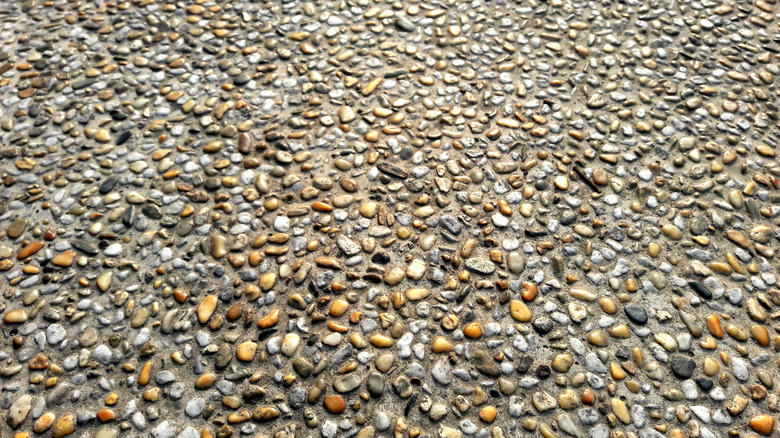
Though this is technically concrete, it is worthy of inclusion because it is both stylish and the superior type of concrete for a long-lasting driveway. Concrete is up to 60% aggregates, mostly sand and gravel for smooth applications. Exposed aggregate concrete increases the size and coarseness of the materials, creating a stronger bond that is less prone to shrinkage and provides a sturdy structure. Any number of different colors and materials, such as crushed glass, can be added to the mix. Exposed aggregate is also more slip-resistant, making it an excellent option for those living in colder climates.
Mycelium
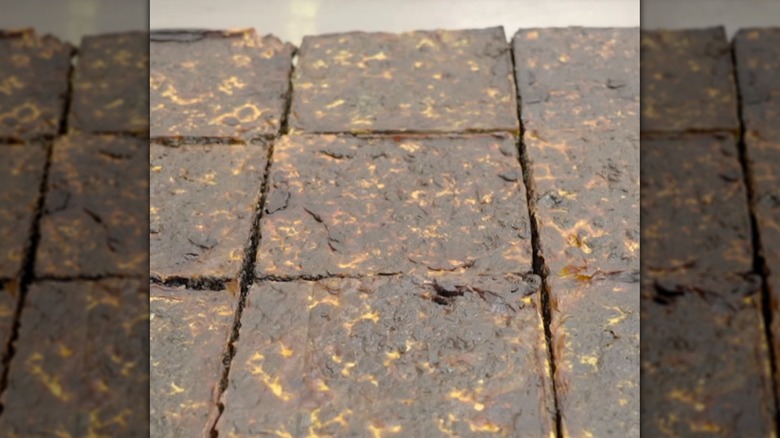
For homeowners who are looking for a green driveway material, mycelium pavers utilize intricate fungus networks to create an eco-friendly alternative to concrete. The pavers are made using a fermentation process that allows the fungus to bind to biodegraded materials like wood pulp. The bricks are then pressed together and left to dry. The final product is a 100% natural paver that could change the driveway paving industry. Though not widely available just yet, Danish startup Visbiuilt has developed mycelium pavers that are currently being used for building projects in Denmark.
Seashells
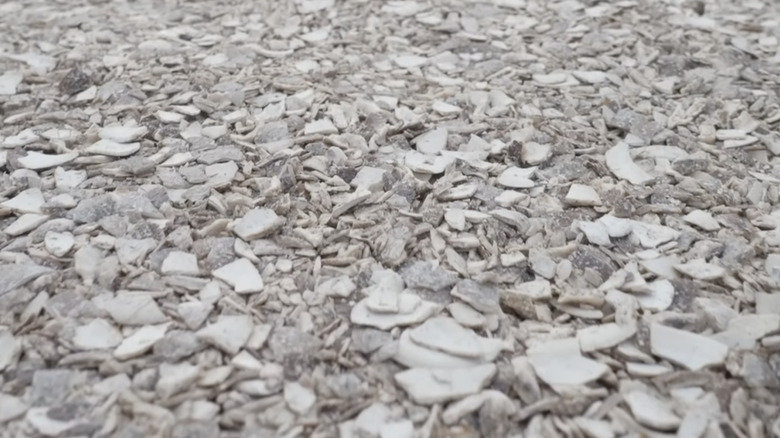
Seashells are a beautiful, eco-friendly, but overlooked driveway material. Those who live on a coastline can find seashells in abundance. Recycled from fisheries, the paving shells make great use of what would otherwise be thrown away byproduct. Installing a seashell driveway is almost identical to gravel in that the shells will be raked over a level base of crushed stone. Maintenance for shells is also similar to gravel in that more will need to be added over time as the material settles or becomes displaced. One downside to this material is that the shells can be sharp on bare feet or pet paws.
Composite pavers
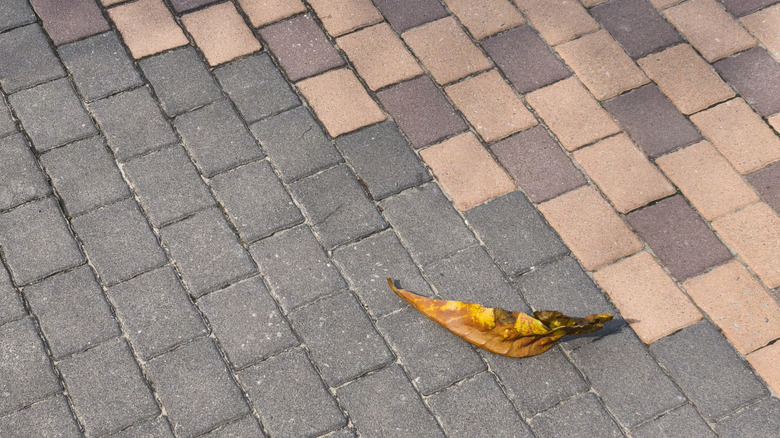
On sight alone, you could be fooled into thinking that the composite pavers your neighbor used for their new driveway were actual brick or stone. Such is the state of the current technology transforming recycled plastic materials into lightweight, sturdy, and stylish pavers. There are numerous benefits to using these, not the least of which is the fact that they will not fade in color, crack, or shrink after they are installed. They come in a range of colors and can easily be patterned like bricks or cobblestones.
Natural stone
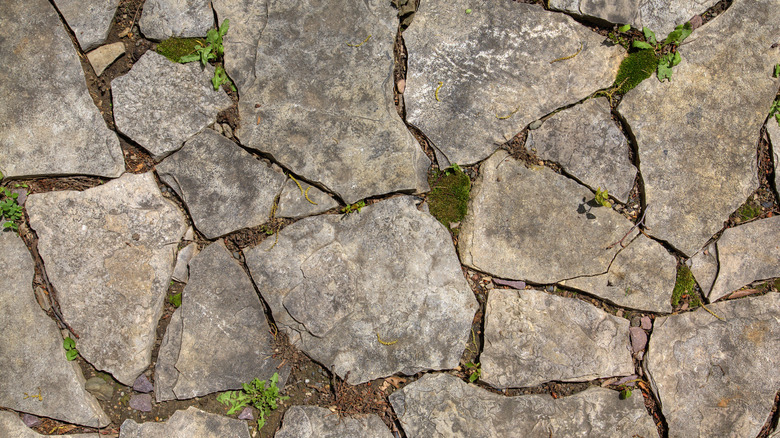
Natural stones have similarities to brick and cobblestones in that they offer the same durability and longevity. However, working with natural stones does give homeowners the unique opportunity to get really creative and rustic with their design. Due to the fact that the stones are uneven, there is a certain amount of thoughtfulness that goes into laying them down as a driveway. However, once finished, you could have a driveway that is totally unique to your property, as there will be no other natural stone pattern like it anywhere else.
Asphalt
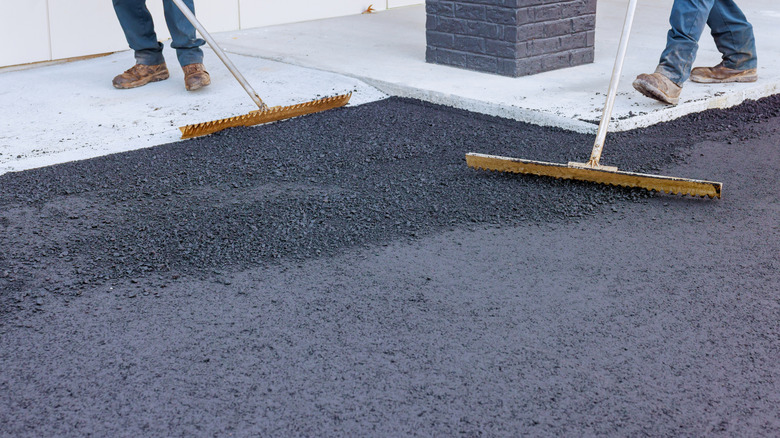
Of all the alternatives on this list, asphalt is the most common choice over concrete. It's easy to see why. First off, the cost of installation is lower than that of concrete. At between $4 to $8 per square foot, you can get your driveway coated with asphalt for significantly less money than it would cost to lay concrete forms. This lower price does not skimp on style, however. Asphalt offers a sleek, clean, professional, and minimalist appearance. The only downside is that it has a shorter life than concrete, at 10 to 25 years with proper maintenance.