

Say Goodbye To Brown Recluse Spiders: 12 Simple Ways To Deter Them
We may receive a commission on purchases made from links.
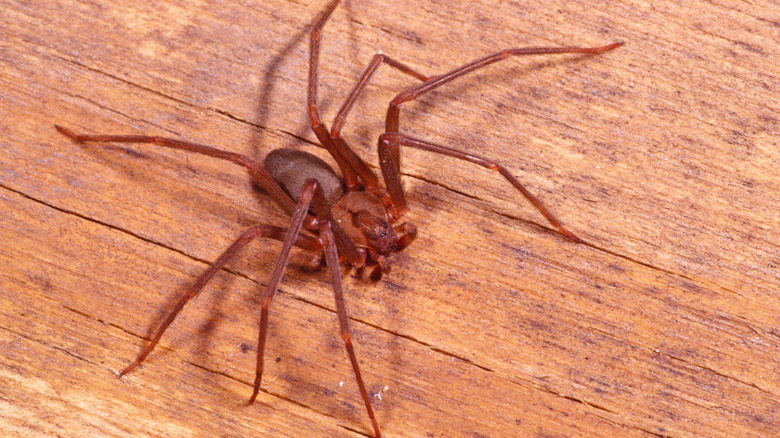
If you live in southern or central U.S., chances are you've encountered or will encounter a brown recluse spider. Since the differences between a house spider and a brown recluse aren't very obvious, it's best to play it safe because mistakes could quickly become a huge issue. Though they only bite when threatened, the brown recluse spider's bite is venomous, which can cause swelling in the best case scenario, whereas necrotic lesions may develop in the worst circumstances. So, to keep your family safe, you'd obviously want to eradicate them from your immediate environment. However, they're a recluse through and through and prefer hiding in warm and dark areas. As such, hunting and killing a few hidden pests isn't practical.
What you can do instead is take a few preventative measures to deter them, so they leave your home and its occupants alone. Something as simple as minimizing the mess indoors and vacuuming under furniture can have a big impact. Similarly, keeping your yard clean will not only boost your house's aesthetic appeal but also take away their favorite hiding spots. Moreover, you can use residual insecticidal dust and spray if you're sure of brown recluse activity and wish to show them the door as soon as possible. Household remedies like a DIY vinegar repellent, an essential oil spray, and diatomaceous earth can provide short-term relief as well, while getting a pest control treatment done will have lasting consequences. With that said, always wear a long-sleeved shirt, full trousers, gloves, hat, and boots when dealing with uninhabited spots to protect yourself against surprise attacks.
Clear out the clutter in your house
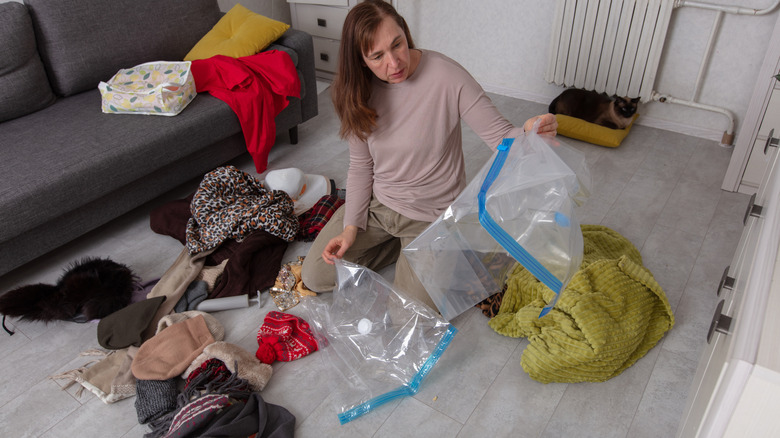
While brown recluses don't get to dictate the way you keep your home, you can prevent these uninvited pests from overstaying their welcome by maintaining clutter-free interiors. This is because they like hiding in dark and lonely spots. So, they'd happily nest under clothing strewn on your wardrobe's floor, old shoeboxes, piles of toys, and forgotten files and folders. Given this, try minimizing clutter indoors, especially in unfrequented areas, such as attics and basements. You also don't want to ignore these areas for too long; clean them every few months to deter spiders.
Don't overlook hard-to-reach spots
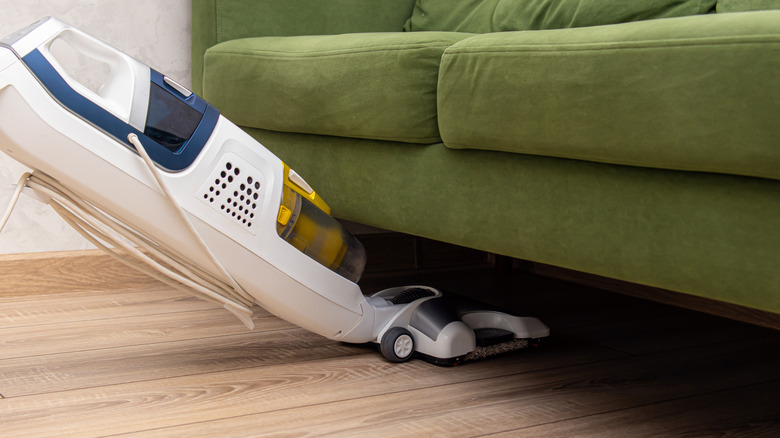
Though maintaining a clutter-free zone indoors will limit their hiding spots, your unused cabinets, too-high shelves, or hard-to-reach spots under furniture and bulky appliances (like a refrigerator) can turn into their stomping grounds, too, if left dirty. As such, don't overlook them and make sure you dust the areas monthly with a long-handled brush. An old sock slipped over a hanger can come in handy for low clearance spots. Moreover, don't hesitate to dislodge any webs you come into contact with. Also, vacuum the resting recluses or their egg sacs to get rid of brown recluse spiders naturally.
Maintain a pristine yard
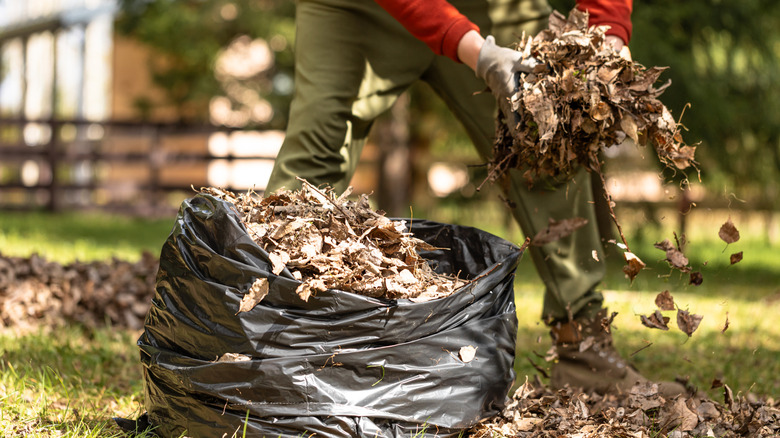
Simply keeping your interiors clean isn't enough; recluses can make themselves at home in your yard as well. So, to deter them, prune all plants that are close to your property. While at it, move the piles of wood and rocks away, preferably to a spot that isn't flush to the ground (a dedicated rack can help) or secluded. This action will prevent them from slinking indoors plus it'll attract fewer snakes to your yard. Don't keep fallen leaves heaped up near your property's foundation, either. An open, gravel pathway may deter them.
Sprinkle residual insecticidal dust inside your walls
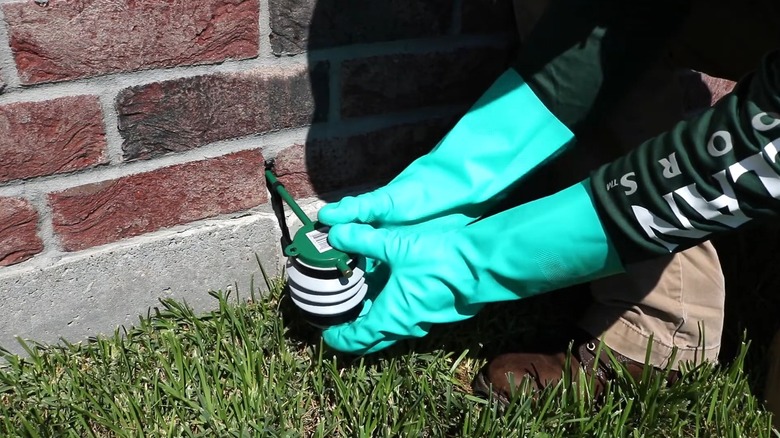
Holes in your walls and narrow crawl spaces can become a brown recluse's favorite hiding spot since they're dark and they'll be free to explore them as they want. To deter them, sprinkle in residual insecticidal dust. But don't just buy anything. Ensure you get a pyrethroid dust, such as Envu's Tempo Dust, to eliminate the nesting spiders. Additionally, follow the instructions on the label to a T and avoid going overboard. Otherwise, the dust will taint any stored items and may find its way to your living spaces through sockets or light fixtures.
Residual insecticidal sprays can be useful, too
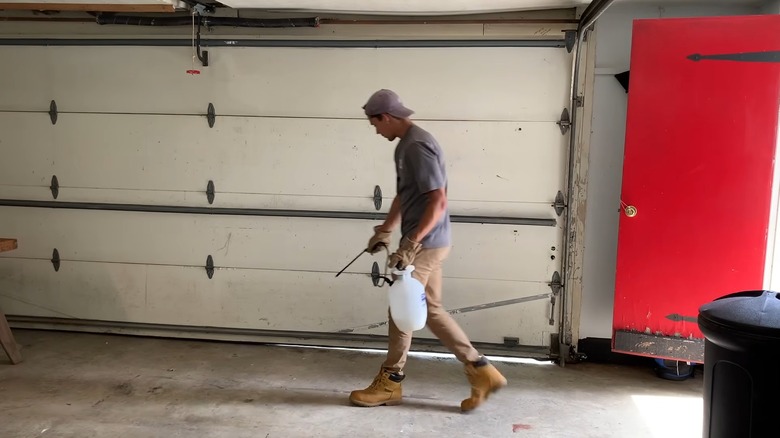
To make your exteriors, the edges of the roof, sheds, and storage spaces less attractive to brown recluses, spray them with residual insecticidal sprays. Similar to dusts, pick a spray that contains pyrethroids for better control, such as Syngenta's Demand CS Insecticide or Envu's Tempo SC Ultra Insecticide Concentrate. Use them per the manufacturer's instructions to keep adult spiders away from your home. Direct application on webs can prove useful as well. That being said, keep in mind that industrial strength insecticides can pollute local water bodies (through runoff) and harm pollinators (like bees).
Prepare an eco-friendly spider repellent using vinegar
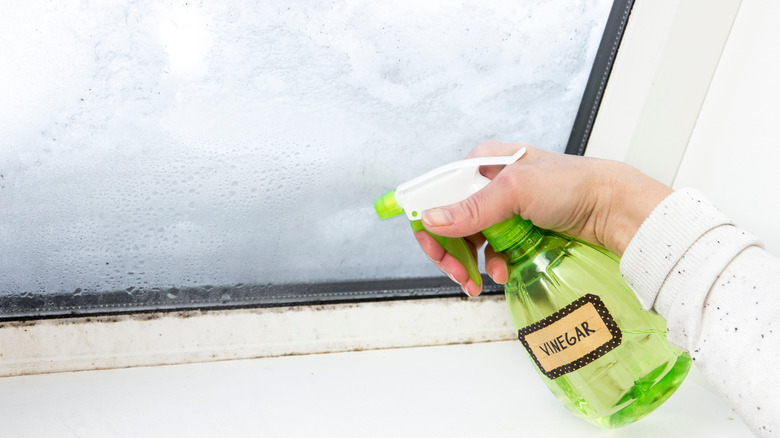
If you'd rather not run the risk of harming innocent bees, you can prepare an eco-friendly spider repellent at home with vinegar. Simply pour a little in a spray bottle and mist your furniture, tight corners, secluded spots, and windowsills. Worried about spraying it undiluted on your expensive fixtures? Combine water and vinegar in a 1:1 ratio instead. However, remember that this isn't as effective or long-lasting as an insecticidal spray. This is because vinegar will keep spiders away only as long as it emits a strong odor. You'll have to reapply it after.
Place eucalyptus plants in strategic spots

Another natural way to deter recluses is to place potted eucalyptus in strategic spots, like around windowsills or near your entryway. Since spiders aren't fond of any strong smells (because it prevents the sensory receptors on their legs from reading their surroundings), they'll steer clear of these plants and the associated spots. Just ensure you place the pots in areas that receive ample direct sunlight for about six to eight hours a day. Also, try investing in dwarf varieties, like Silver Dollar and Baby Blue, as eucalyptus plants get too large for indoor use otherwise. Note that this plant species is toxic for pets.
Use essential oils

There are multiple essential oils that can help keep pests out of your home and garden. Wondering if any of them work on brown recluses? An experiment conducted by Ewing, et al, in 2019 shows that wintergreen mint and spearmint essential oils can prove fatal for these pests upon direct contact. Since the chances of you having either handy when (read: if) you encounter a brown recluse are slim, use them as a deterrent instead. Combine 15 to 20 drops of either oil in a spray bottle containing water. Shake it well before spraying in dark and secluded spots. Reapply often for better control.
Apply diatomaceous earth in shadowy corners
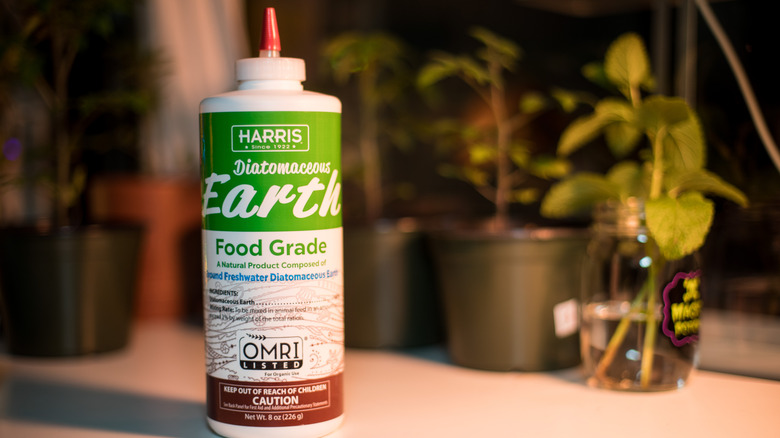
Diatomaceous earth is an overlooked DIY solution to deter brown recluse spiders and keep them from establishing a stronghold in your home. Functioning as an organic insecticide, this powder attacks a spider's exoskeleton. And over the course of 48 hours (post contact), it soaks in its body fat and oils. This leads to extreme dehydration and cuts its lifespan short. Though not a perfect solution (contact is necessary), sprinkling it in shadowy corners and possible entry points can prove useful. Still, you may have to switch to something stronger if you're dealing with an infestation.
Caulk gaps to seal potential entry points
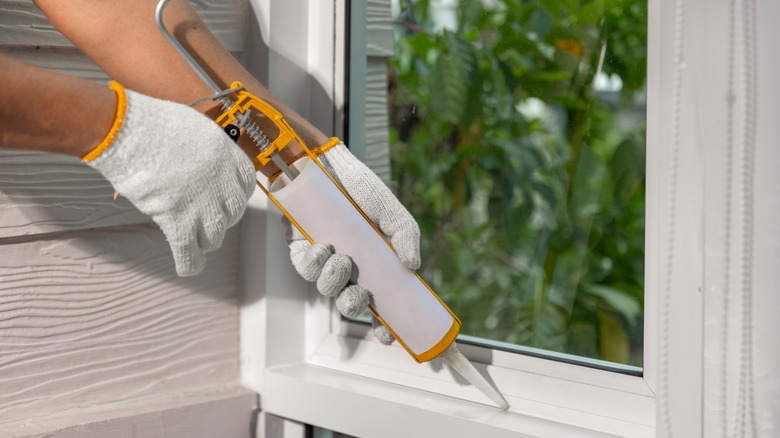
Even after all your hard work, recluses can still find their way indoors if you don't address the holes around your doors, windows, home's foundation, drains, vents, or pipes. Remember, these spiders just need a tiny gap. So, to keep brown recluse spiders out of your home with an easy DIY solution, set aside a weekend and go around your house identifying openings you should seal. Take a caulk gun, such as Bates' No Drip Sealant model, with you to speed up the process. Door sweeps under the garage and front door will keep them out, too.
Stay up-to-date on pest control

Easy access to food is one of the reasons brown recluses enter our homes. As such, if you take away their preferred sources, they'll automatically evict your property and leave you alone. So, prioritize pest control to get rid of prey species, such as cockroaches, silverfish, and crickets. To go a step further, be cognizant of how much you use your outdoor lights, as it'll invite insects to your property. In case turning them off at night isn't possible for security reasons, opt for the best porch light color that won't attract bugs.
Inspect second hand or stored items before you bring them home

Another way a brown recluse can make its way into your home: tagging along with your stored items (in the shed or a storage facility) or second-hand purchases. It can remain hidden in the packaging, especially if it's cardboard, or inside an item (like a vase) and you won't know until it's too late. It also won't hesitate to make a home inside your clothes or shoes. So, to avoid giving them a free pass, always shake out such items or remove their packaging prior to taking them inside.