

Avoid These 15 Mistakes Everyone Makes That Attract Snakes To Your Yard
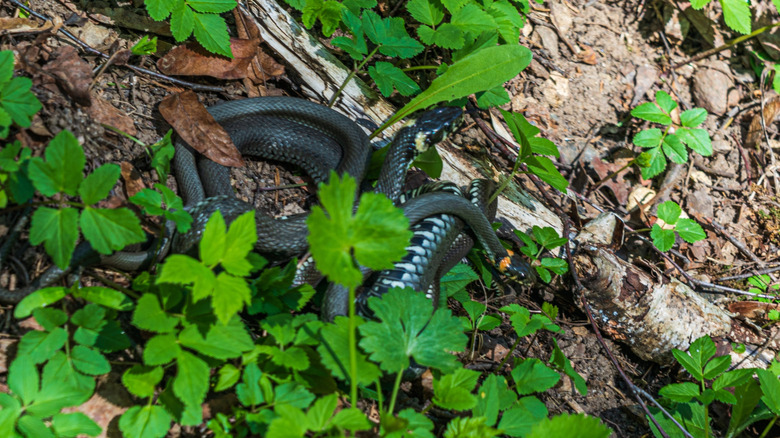
Finding snakes that use your yard as their personal slithering ground can be slightly annoying at best and unnerving at worst. Usually, you'll find non-venomous species, like gopher and garter, lurking about in your backyard between late summer and early fall months. However, you might still encounter venomous reptiles, such as the rattlesnake, looking for a rent-free shelter and varied food sources, or both. Since you can't really tell which type you're dealing with (unless you don't mind getting up and close and checking their pupils), avoid a few common mistakes to ensure they steer clear of your yard.
For instance, if you have overgrown bushes and dense trees in your yard, give them a much-needed pruning. The lack of a cool, shaded spot will deter snakes looking for a place to rest. Moreover, remove or cover all water sources from your lawn, especially at the height of summer. Standing water around your large planters can be enough to quench their thirst. Plus, the damp spot will be irresistible to them. Also, actively eliminate all their food sources, such as mice and toads frequenting your property. This is because a "come one, come all" buffet will be a no-brainer for famished snakes. In case you have trouble getting rid of them, contact a pest control company before their population spirals out of control. Basically, take away their food, water, and shelter sources, and they might leave your property alone. And, despite your best efforts, if you still find snakes near your house, leave them to their devices and request a wildlife removal specialist to take care of them.
Letting the grass grow tall
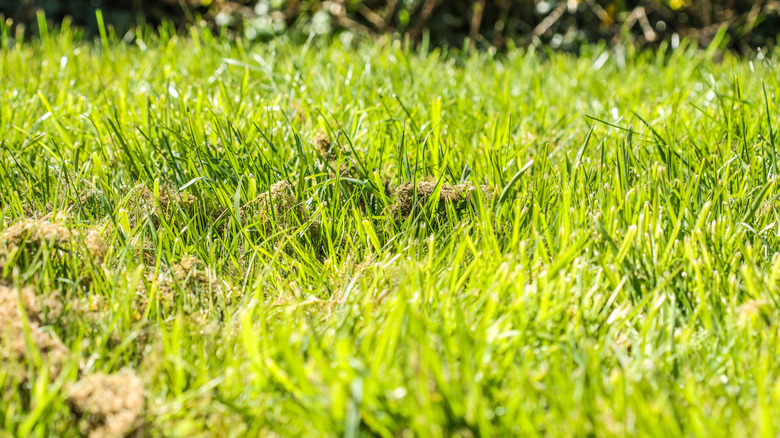
Mowing your lawn regularly might not be your favorite activity. As such, you may allow the grass to grow too tall. But this simple habit will most likely have snakes slithering in your yard. It's because tall grass provides them with ideal cover against predators like hawks and owls. Plus, it allows them to remain hidden in plain sight and attack their prey stealthily. So, ensure you trim the grass often, especially during spring and fall seasons as the rain promotes active growth. However, avoid mowing more than ⅓ of the length of your grass during a single session for a healthy lawn.
Not giving your trees and shrubs a haircut regularly
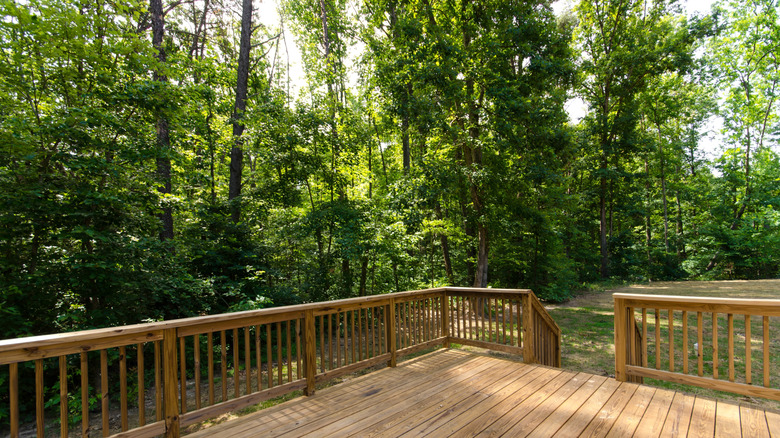
Just like snakes can take cover in overgrown grass, they'll hide beneath your dense trees and shrubs. This can be especially troublesome if they're close to your house or garage, as these reptiles can easily enter your property and make themselves at home. This is why you should maintain a little space between your property and garden. Also, always maintain a clearance area of 24 to 36 inches around your trees and shrubs. Branches touching the ground and hedges or bushes covering walls are similarly problematic. So, trim them regularly, too.
Overwatering your lawn
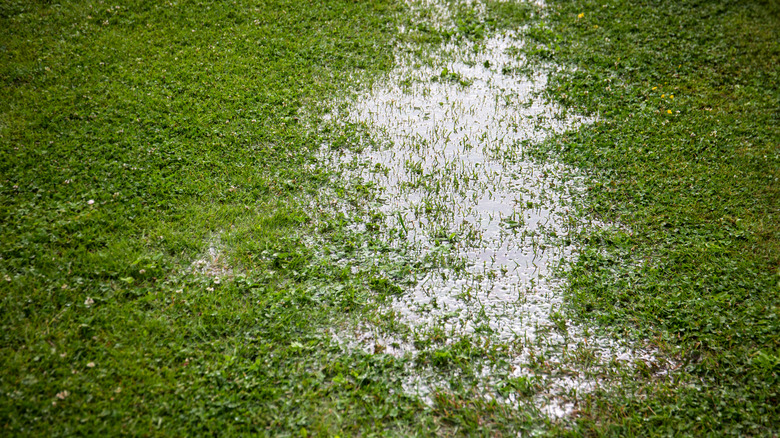
Though watering your lawn is necessary for a lush landscape, overwatering it can invite snakes to your yard. This is because an overwatered outdoor space will attract worms, frogs, slugs, toads, and other pesky pests and critters. This, in turn, will bring in slithering reptiles looking for a quick snack. Besides, overwatering is bad for your lawn as well since the grass might suffer from root rot or other fungal diseases. Plus, weeds will run amok and if you don't get rid of them immediately, they can grow tall, providing excellent cover to snakes.
Not placing your birdbath on a raised platform
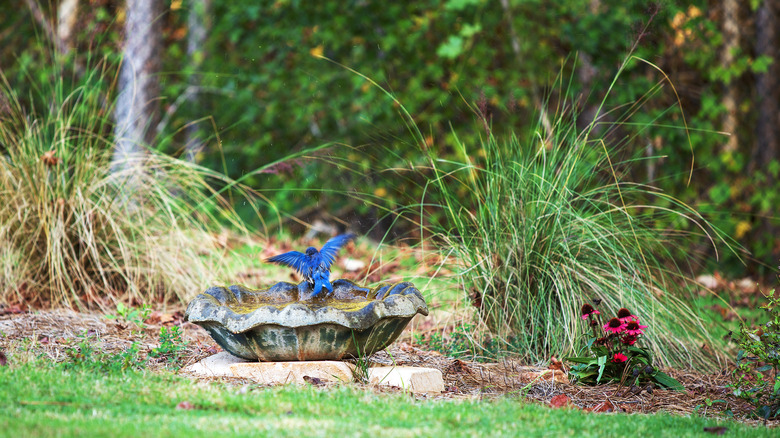
Setting out birdbaths for thirsty avians looking for a drink or a place to dunk their feathers will bring your birdwatching fantasies to life. However, if you place the container on the ground amidst vegetation, snakes might come to your birdbaths, too. The reason is two-fold. One, they could be genuinely thirsty. Two, bird-eating snakes might venture in to satiate their hunger. The surrounding thicket won't help matters, either. Putting your birdbath in the wrong spot matters, so ensure to place it on a raised platform away from any dense foliage and your home.
Placing bird feeders near your home
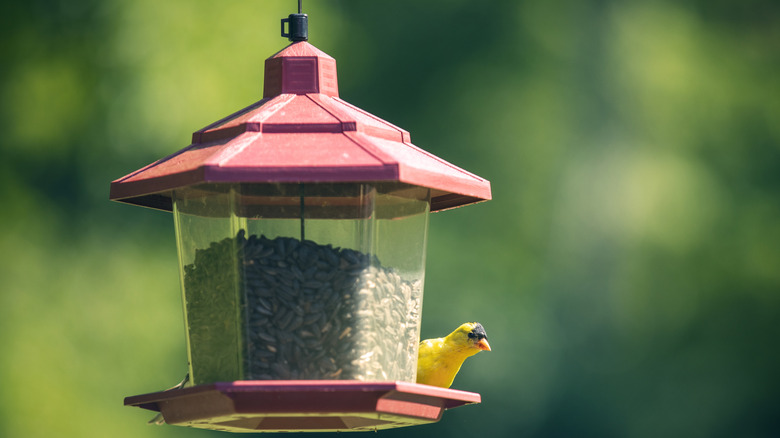
There are several benefits of putting a bird feeder in your garden. But there are a few disadvantages, too, namely them attracting snakes. These feathery creatures aren't exactly known for their table manners, so when you put out seeds in the feeders, they'll most probably drop some seeds on the ground for rodents to find later. And where there are rodents, there may be hungry snakes looking for a meal. This problem is even worse with ground bed feeders. So, it's always best to hang your feeders away from your house.
Leaving low-lying or puddling areas in your yard
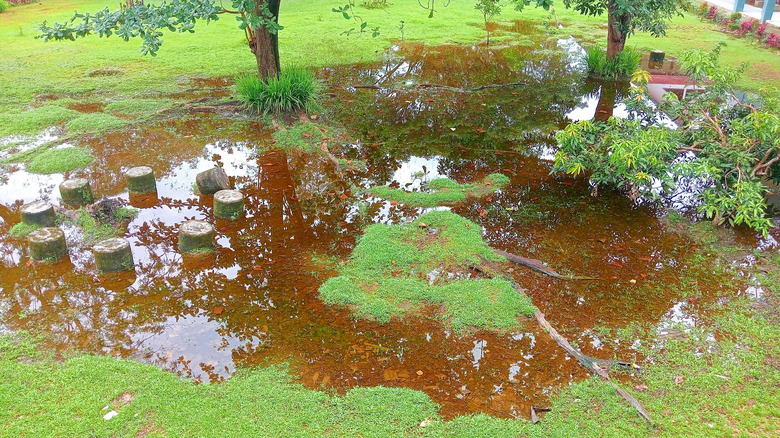
Low-lying or puddling areas in your yard won't just diminish your lawn's beauty. They can also serve as a great spot for snakes to hide. To avoid this, take a walk around your yard and mark the spots that fall in one of the two categories. Then, fill these up with soil and level them to keep snakes out. Also, keep an eye out for any missed spots after it rains — shallow puddles will be a dead giveaway — to bypass the hidden dangers of letting standing water sit in your yard.
Serving your pets their meals in the yard

Feeding your pets in the yard may seem like a good idea if you want to minimize the mess indoors. But your pets will remain messy eaters, regardless of where they eat. This means they'll leave behind crumbs, which will draw in hungry critters, that may, in turn, lure in snakes. This is why you should always serve your pets indoors. In cases where that's not possible, clean the outdoor space as soon as they're done feeding. Also, if you store their food outside, keep it in tight-sealing containers so critters can't get in.
Storing piles of wood close to your home
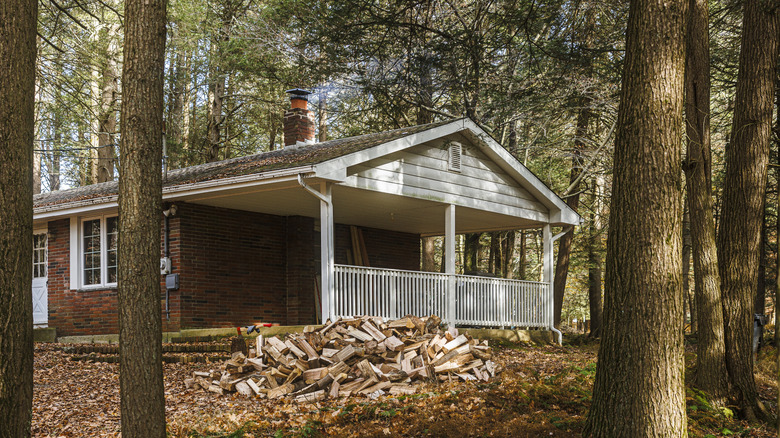
If you have a wood-burning fireplace, chances are you have a decent pile stored somewhere near your home. Alas, this undisturbed stack is the perfect shelter for snakes and will have them coiling in to hide from the world outside. To prevent these unwanted guests from enjoying your lumber, keep it off the ground — maintain a distance of about 12 inches — on a sturdy rack. Also, move the pile slightly away from your property. Give the leftover tin sheets, old pipes, and other debris a similar treatment.
Failing to seal the cracks in your home's foundation
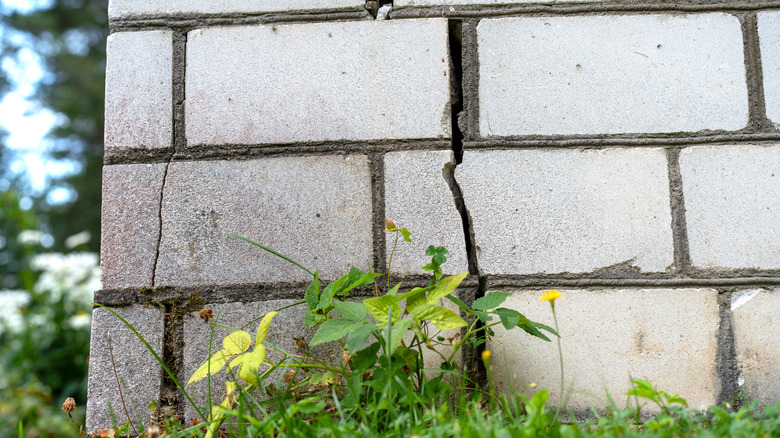
Regularly check your home's foundation to identify and fix developing cracks and crevices. Otherwise, crafty rodents will find a way in by digging through, unwittingly giving birth to a cool cave for snakes to move in. The same goes for the exterior walls, garages, sheds, barns, and concrete area around your walk- or driveway. Sealing all gaps around your windows and doors is important, too. In case you reside in a manufactured home, ensure the skirting around your property is sealed thoroughly and there aren't any holes around the concrete foundation.
Leaving your pools and ponds unguarded
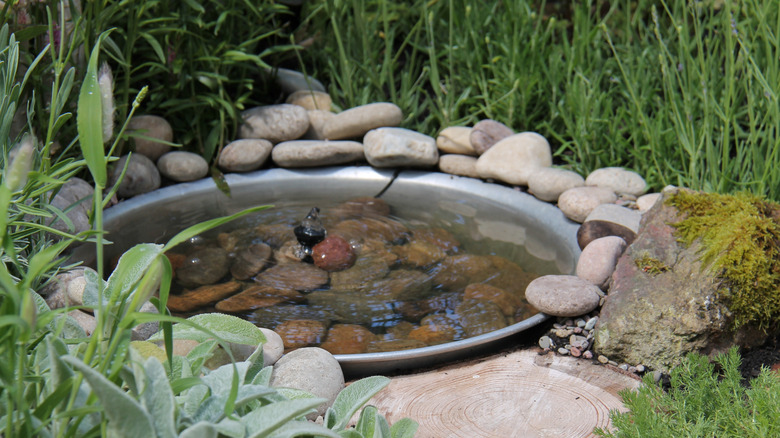
If you have a pool, lake, or other decorative water feature (like fountains) in your yard, you should consider fencing the area around it. This is particularly important if you live in arid regions since hot snakes will find it hard to resist the temptation. Other critters, like rabbits and rats, may also frequent these spots, further tempting snakes to come in for a meal and drink. Fish in kai ponds will worsen the situation. You also want to trim down any overgrowing bush or shrub near your water features to minimize hiding spots for homeless snakes.
Allowing rodents to set up shop in your yard
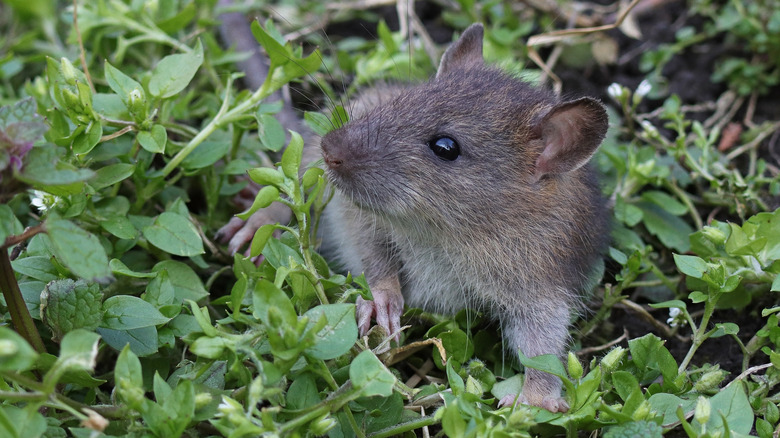
Rats make for a good snake meal. So, if these mammals have been frequenting your yard or burrowing into your open garage or shed for shelter, there's a high probability they'll invite in snakes. But before you take the steps necessary to get rid of rats, keep an eye out for burrowed ground and rodent droppings in your yard to ascertain whether you're dealing with a lone mouse or an entire pack so you can take corrective action. A higher number of frogs and lizards visiting your lawn will lead to a similar outcome, so keep them away, too.
Packing your flower beds with too much mulch
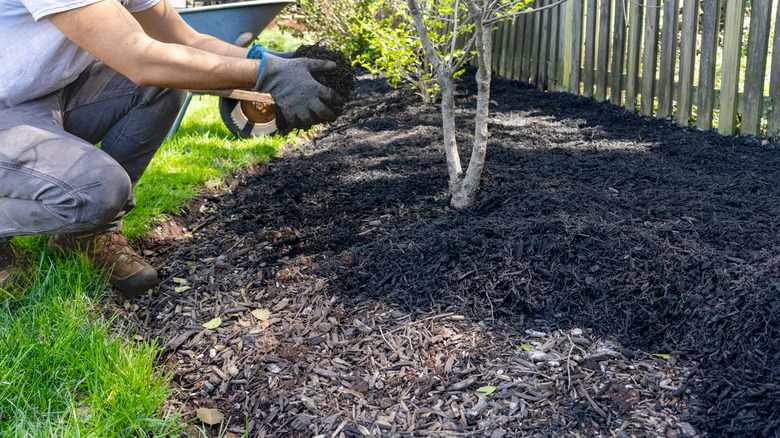
Mulching is necessary to maintain a thriving flower bed. But avoid going overboard, specifically if you tend to use bark mulch or wood chips. Since they hold moisture well, they'll appeal to snakes looking for a covered area to cool off. Besides, a mountain of mulch will provide these reptiles with a temporary home. And the status might change to permanent if insects and critters, such as mice (if mulch is dry), scorpions, sowbugs, snails, and slugs, take a liking to the mulched beds and start frequenting them.
Using large rocks to prettify your landscaping
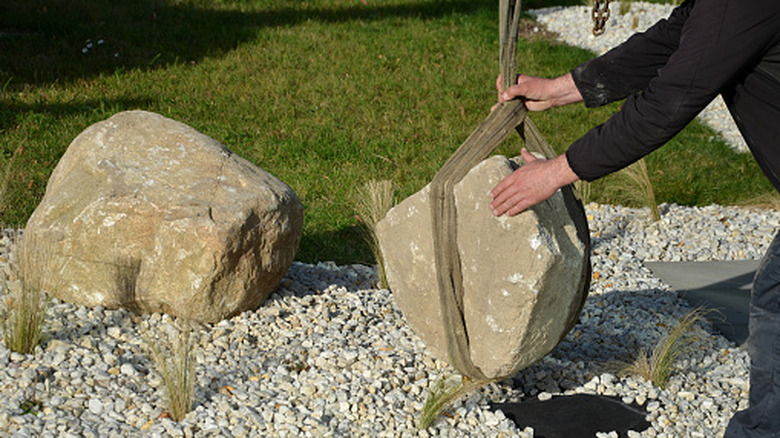
Admittedly, large boulders look great when used for landscaping. Sadly, snakes like wrapping themselves around these rocks or hiding behind them (or in the crevices) when looking for shelter. Worse, they'll refuse to move away if other insects make the mistake of sheltering within the packed boulders. Due to this, it's best to avoid using large rocks in your landscaping and pick gravel or tight-fitting river rocks instead. They fit together well (at least better than uncut boulders) and leave little room for snakes or their prey to shelter.
Not cleaning up yard waste
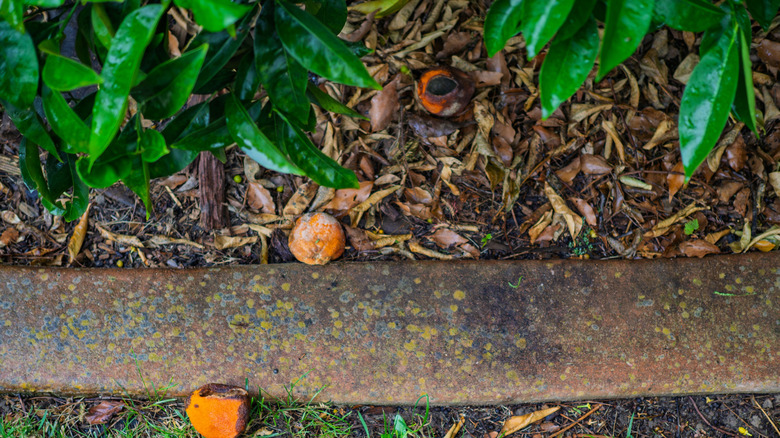
Organic yard waste, including fallen leaves as well as fruits and nuts dropped by trees lining your or your neighbor's yard, might not seem like a big deal. But these are potential food and shelter sources for pests (think rats) snakes love hunting. This means if you don't maintain a clean yard, there's a good chance snakes will drop by to satiate their hunger. Following this logic, you should also keep your trash cans sealed tight. And if you have a compost bin in the yard, outfit it with a tight-fitting lid to keep opportunistic vermin, and predatory snakes, away.
Not fencing your yard

If snakes are still finding their way into your yard, fence the perimeter to discourage them further. You'll need a solid steel sheet or a ¼ inch (the smaller, the better) rigid mesh. Bury it at least 4 inches into the ground and ensure it towers over the closest flat surface in your yard by at least 30 inches. You also want to bend the top slightly (at an angle of about 30 degrees) so snakes find it hard to climb up and over. Finally, keep your gates sealed when they're not in use.