

12 Common Items You Shouldn't Put In The Trash — And How To Safely Dispose Of Them
We all know there are just some things you shouldn't throw in the trash, whether it's illegal or unwise. The used motor oil you've been collecting in your garage after your oil changes? Nope, that can't be thrown away, even when cleaning out your garage to create a tidier space. The leftover paint from your renovation? Shouldn't throw that away either. What about expired medications? Definitely not.
It's not just rules and regulations governing what goes in the bin. Just as there are things you never want to dump down the garbage disposal, so too are there things that shouldn't go in the trash, even when there aren't rules against it. Batteries can leak toxins into the soil and even cause garbage fires. Carelessly tossed bank statements or other important documents can result in identity theft. Cans, bottles, and leaves are all better disposed of via recycling and composting.
So what can you do with all this stuff then? Well, there are definitely ways you can dispose of these items, and several others, in safe and effective ways. Vital documents can be burned or shredded. Motor oil can be recycled. Local dumps have hazardous waste days. and electronics collection events. If you're careful and attentive, you can dispose of many hazardous materials without harming the environment or those handling our garbage.
Home/automotive batteries
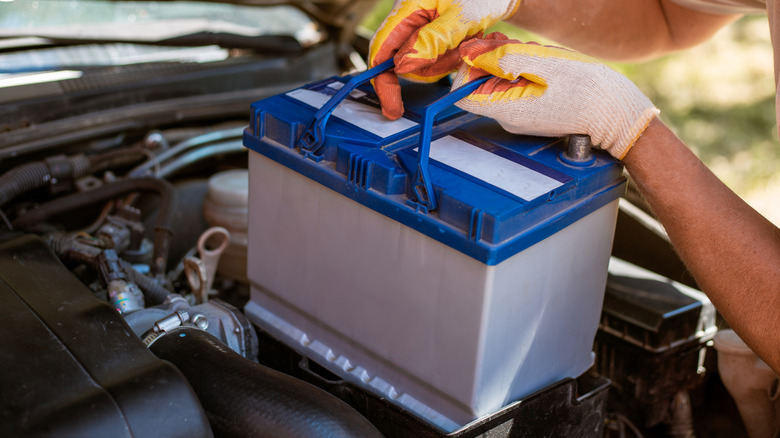
Batteries like alkaline AA and AAA, and rechargeable lithium ion batteries, are among the most commonly disposed of items in the United States. But really, any kind of used battery, including automotive batteries, need to be properly recycled. The heavy metals and acids in the batteries can cause fires, which can be harmful to sanitation workers, as well as lasting environmental damage. Batteries can be recycled via a program through The Battery Network or on hazardous waste days at local dumps. Car batteries can be exchanged at auto parts stores where they can be properly recycled.
Motor oil
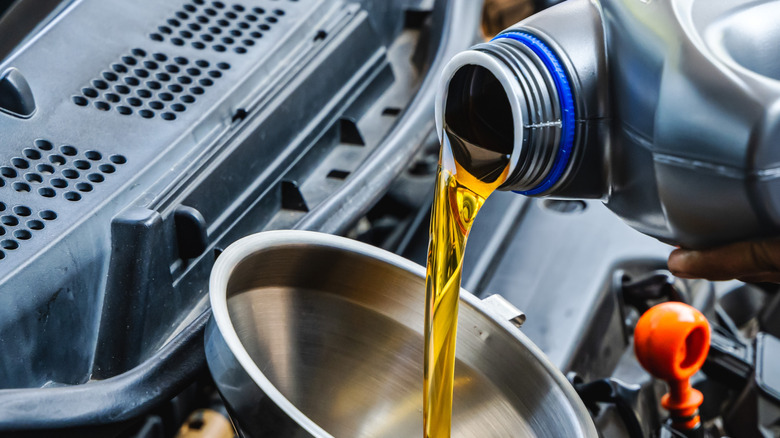
Motor oil — whether it's an old, unopened bottle, brake fluid, or the spent remains from a DIY oil change on your Craftsman lawn mower — cannot thrown in the trash. In fact, it is actually illegal to dispose of motor oil in the trash because of the environmental damage it can cause. Proper disposal involves returning used oil to an auto parts store that can recycle it properly, or see if your local municipality has a dedicated storage area for it. Gasoline is also illegal to dump due to its flammability. Check with your city or county for disposal.
Paint
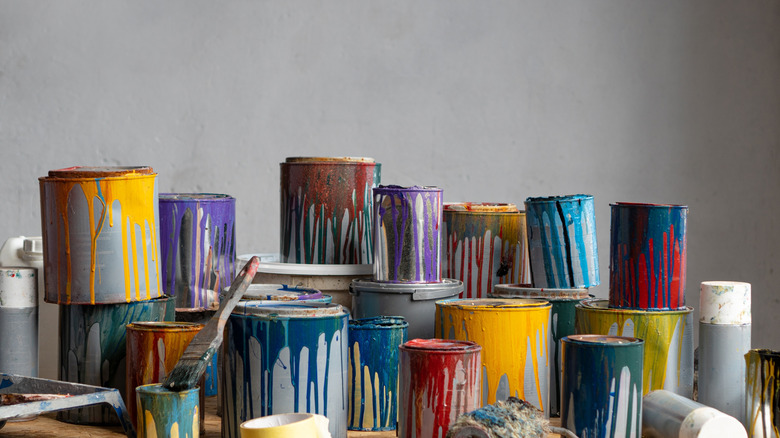
While water-based latex and acrylic paints can often be disposed of in the garbage, do not toss cans that still have oil-based paints, solvents, or stains. These liquids are potentially flammable and hazardous if disposed of improperly. Both latex and oil-based paints need to be dried and solid before put in a trash can. Latex can be hardened using waste paint hardener, while you can dump cat litter or cement mix into oil paints. Then check to see if your local dump accepts hardened paints or if you need to wait for a scheduled hazardous waste day.
Electronics
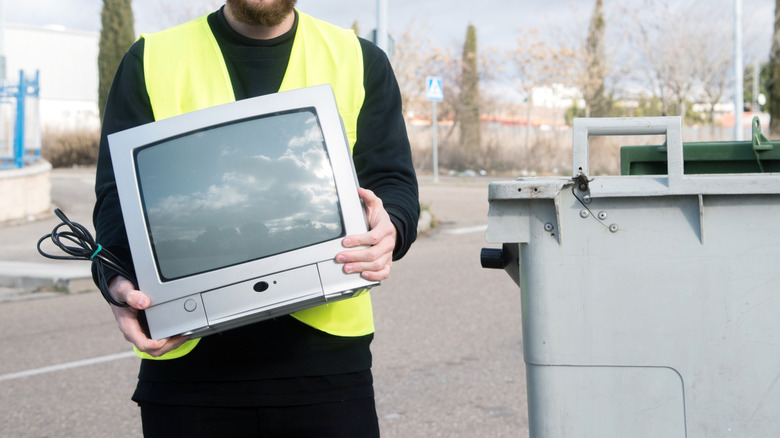
It doesn't matter if you're disposing of a DVD player, paper printer, or television set, you should not throw electronic appliances in a standard garbage can. Though we don't tend to think of what's inside these machines, electronic devices contain potentially hazardous materials like lead, arsenic, flyback transformers, and plasmas that — when broken up during the garbage compacting process — leak and become a risk to both the environment and disposal personnel. Instead, recycle electronics at local municipal transfer stations, or through e-waste recycling events and programs at participating retailers like Best Buy or neighborhood organizations.
Heating appliances
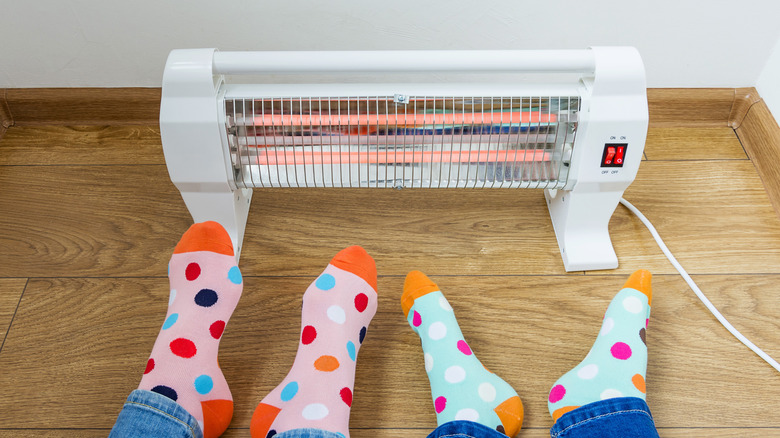
Any electronic appliance with a heating element, such as toaster ovens or space heaters, don't belong in the garbage. Not only do the heating components contain electrical wiring, but certain space heaters may contain heating oil or asbestos-insulated linings, both of which are highly toxic to the environment when they are broken apart or degraded during the disposal process. Drop off space heaters and other heating elements at local e-waste centers or transfer stations. Or consider donating or reselling them if they are still in good working order.
Medications/medical waste
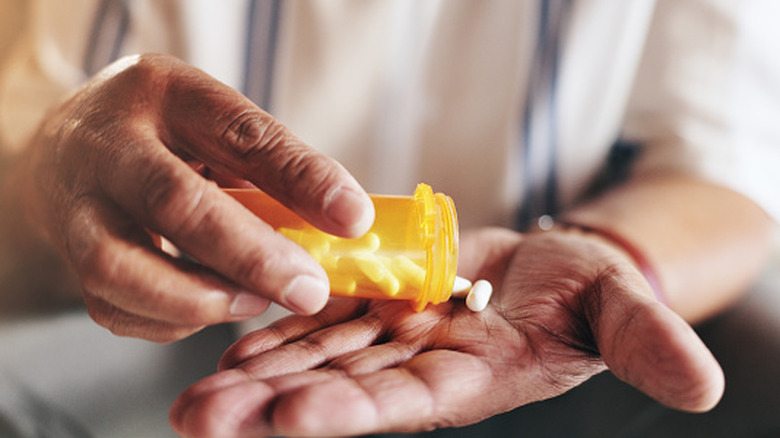
Never throw old prescriptions or expired over-the-counter medications in the garbage. They can too easily be discovered and ingested by animals, or leach into the soil. Also, don't flush meds — even those that aren't prohibited from flushing — as they aren't processed by wastewater facilities, and can impact local waterways and aquatic wildlife. Instead, use a drug buy-back program like National Prescription Drug TakeBack Day or drop them off at participating pharmacies. Also, don't dispose of medical waste like needles or syringes, as those can be a danger to sanitation workers.
Pesticides
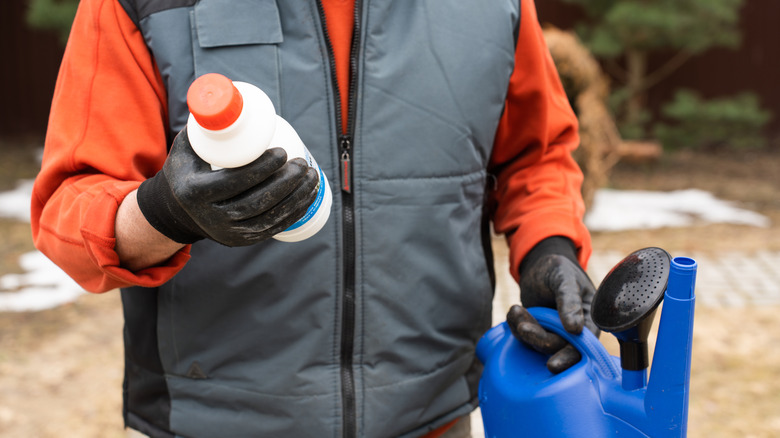
While we regularly use pesticides on our food and flowers, it is still considered a hazardous substance to people, wildlife, and waterways. Therefore, it is neither advised nor allowed to dispose of pesticides in the trash, or dump them down the sink or toilet. EPA regulations state that any expired or unwanted pesticides need to be checked by the local waste management authority before being disposed of. See if a neighbor can use any leftovers. If not, many municipalities have hazardous waste days that allow for the collection of pesticides and lawn care chemicals.
Fluorescent tube light bulbs
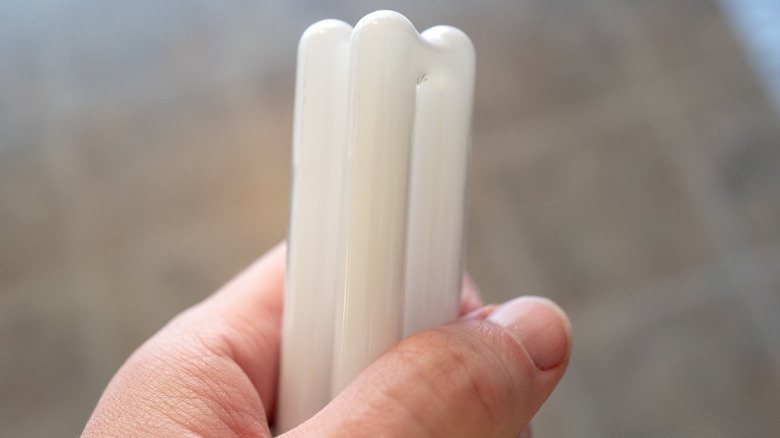
While some types of light bulbs, such as halogen or LEDs, can be safely disposed of in the garbage, you absolutely cannot dispose of old-school fluorescent tube light bulbs or compact fluorescent lightbulbs (CFL). Not only can the sharp shards of fragile glass tubes be a hazard to disposal workers when broken, but the bulbs contain mercury, which is highly toxic and damaging to the environment. If you have undamaged CFL or fluorescent tube light bulbs, participating major retailers like Home Depot will accept and recycle them (check the websites for specific drop-off requirements).
Important documents

Important documents contain important personal information like account numbers and include bills, bank statements, resumes, travel itinerary, and ID cards. If you toss pertinent information about yourself, it can provide potential identity thieves just the kind of information necessary to impersonate you or hack into your accounts. Proper disposal of these papers includes shredding and burning (check for local burn bans). If you don't have a shredder, some communities will host shred days when you can bring your sensitive documents to be destroyed in municipal shredders. Alternatively, UPS stores offer shredding services for a small fee.
Yard waste
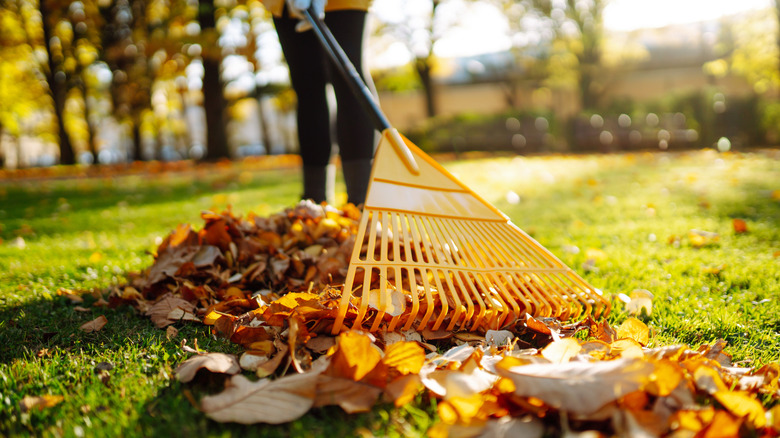
Yard waste can be put to much better use than being thrown away. You can use it to create compost to feed your garden, or as a natural mulch in your flower beds. While some local transfer stations have designated brush and grass clipping drop offs, there are many more creative ways you can use the yard waste. Plus, in some states, like New Hampshire, it is illegal to throw yard waste away in the trash (except for invasive species) or dump it in the woods without a permit.
Tires
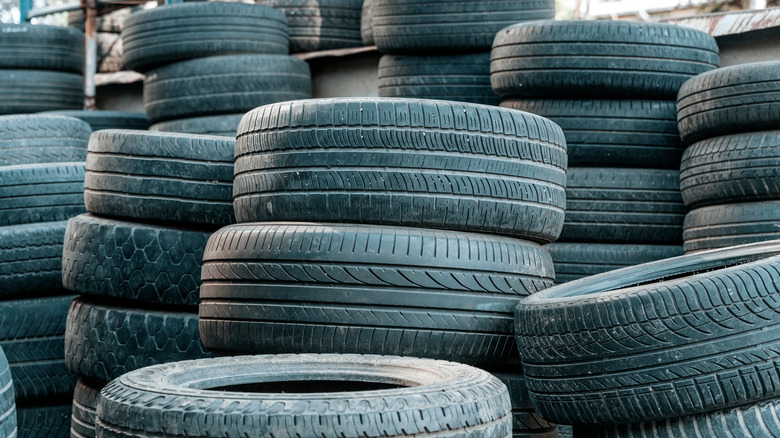
Large rubber tires cannot be properly recycled or disposed of by normal trash services. They are typically not allowed in landfills because they can rise to the surface and damage landfill caps. They are also fire hazards and mosquito breeding grounds. Instead, recycle tires automotive garages, tire shops, or at local dumps or transfer stations on specific days, where permitted. Alternatively, keep them and get creative by transforming tires into fun outdoor patio furniture. Heck, if you really wanted to, you could even build a house out of old tires.
Recyclables
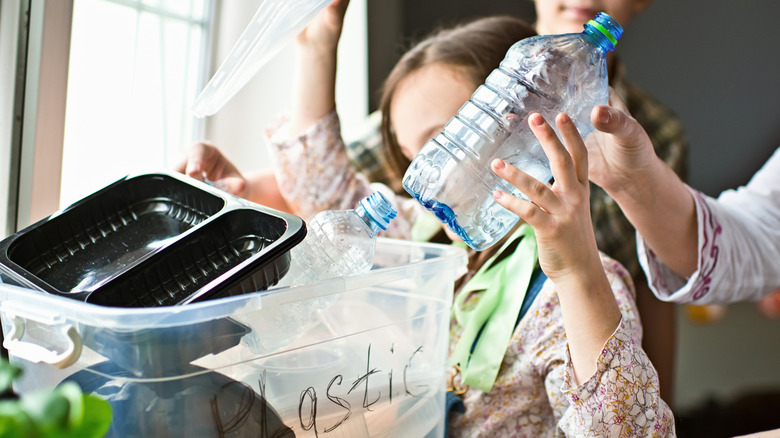
In the 21st century, there's really no reason to throw away recyclables like plastic bottles, metal cans, glass, mixed paper, or cardboard, only to end up in the landfill creating unnecessary waste. Recycling these items has been mainstream for decades, and many towns provide separate bins specifically for recyclables. If not, you can always separate your materials at the town transfer station. Recyclables are the easiest things to avoid throwing away, involving a few extra minutes of sorting. They are also a great crafting resource, allowing you to turn wine bottles into wall decor, for example.