

It Is Paramount To Prune These 15 Trees In January For A Healthy Summer Garden
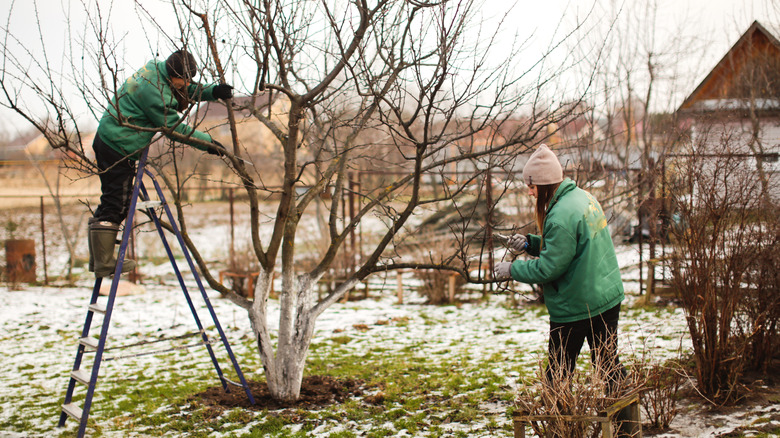
While there are many trees in the garden that can be pruned as early as December, general practice dictates that pruning in January is optimal. That is because in January, you are almost guaranteed that your trees will be dormant, which is essential for pruning. Depending on where you live, December could be subject to warm spells and trick your trees into waking up early. By waiting for January, you help make sure that the trees are well asleep before cutting into them. And for the following trees in question, it is absolutely paramount that you prune them in January for healthy summer growth.
Pruning is simply removing branches from your trees. Typically, this consists of taking away dead, diseased, or damaged branches. However, pruning also consists of understanding healthy tree shape and removing branches accordingly. Good pruning will allow more sunlight and airflow between the branches. If pruning is done correctly, you can expect to have vigorous and healthy summer growth in your orchard and garden.
While some of the trees on this list are those that produce fruit, there are also plenty of ornamental and shade trees that also benefit from January pruning. We'll cover what parts of the tree you should look to remove and how the winter pruning will affect summer growth. Good news — it's all positive.
Apple
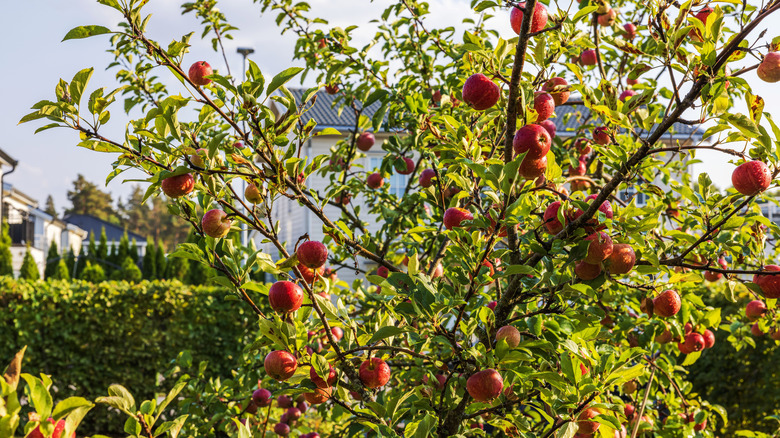
If you're growing apples (Malus domestica) in your garden, then you need to be pruning in late January to promote optimal health and maximum fruit production in the summer. Pruning also helps shape the apple tree, training it to a size that makes it easier to manage. Prioritize removing any dead, damaged, or diseased branches before moving onto branches that are crossing or blocking sunlight from the inner canopy. This needs to happen at this time because any major pruning that occurs after the fruit buds have formed will open up the plant to damage.
Oak
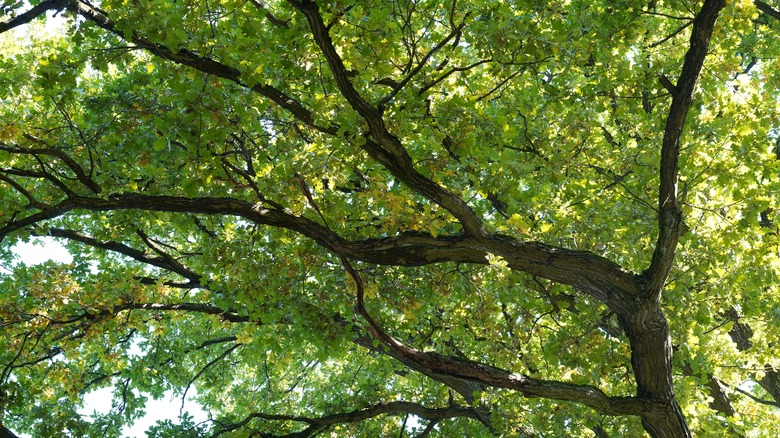
Depending on the size of your oak trees (Quercus spp.), which can very easily grow to over 50 feet tall, you may need to call in a professional arborist to take care of your pruning. Pruning in the winter is essential for an oak's spring growth. When an oak is dormant, it doesn't bleed the sap that beetles feed on, which is what causes oak wilt disease and can significantly weaken or even kill the tree. If you are removing full branches, always leave the branch collar in tact and never prune more than a third away from a fully grown tree.
Pear
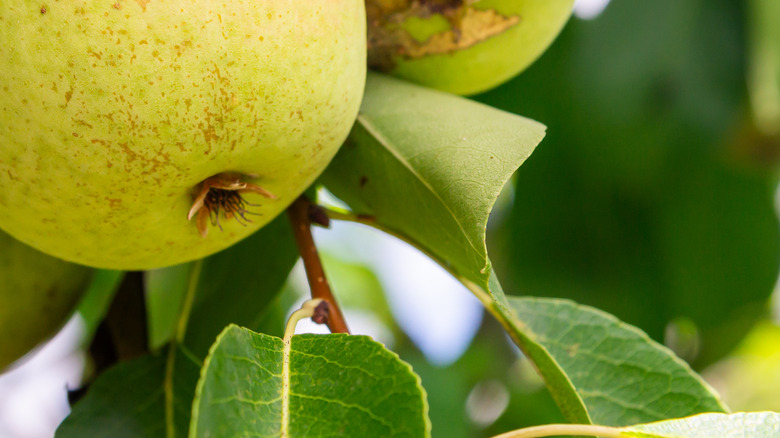
Like virtually all other types of fruit trees, pears (Pyrus communis) need to be pruned in the winter to avoid any diseases or damage after they have blossomed in the spring and their sap is flowing. Observe your pear tree and make cuts where the branches are crowding and reducing sunlight or airflow inside the canopy. Any smaller, less vigorous branches can also be removed at this time for shaping, and to encourage the tree to put its energy into fruit production as opposed to new branch growth.
Rose of Sharon
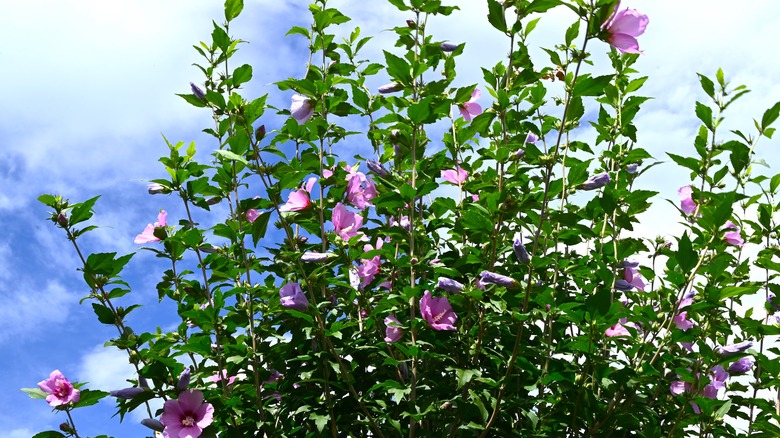
Though technically a shrub, the rose of Sharon (Hibiscus syriacus) can often grow tall enough to be considered a small tree. It's welcome in any garden partly for its sweet fragrance, but also for its ability to attract a wide variety of pollinators. Pruning in winter is essential for preserving the spring buds that will bloom in the summer. Plus, without the foliage, you can more easily see which branches have been damaged or diseased. For larger flowers, prune away a third of the branch so that more of the plant's energy will go into producing larger blossoms.
Beech
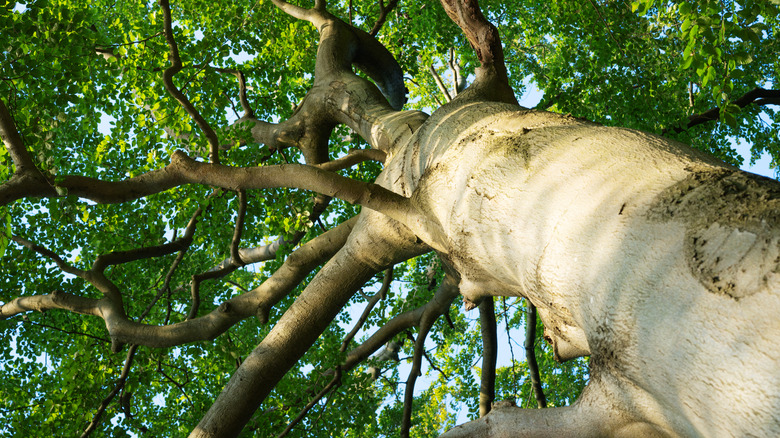
If there is one tree you should absolutely prioritize pruning in January, it is beech trees (Fagus spp.). Similar to oak trees, beech trees will bleed their sap during the spring and summer season. This bleed opens them up to a whole host of different dangers, including insects and a wide variety of diseases like beech bark disease and phytophthora bleeding canker. Dormant pruning is therefore prudent, and only crossing or damaged branches need to be removed in order to maintain the beech's elegant shape. If your trees are young, prioritize removing the lower branches first for shaping.
Honey locust
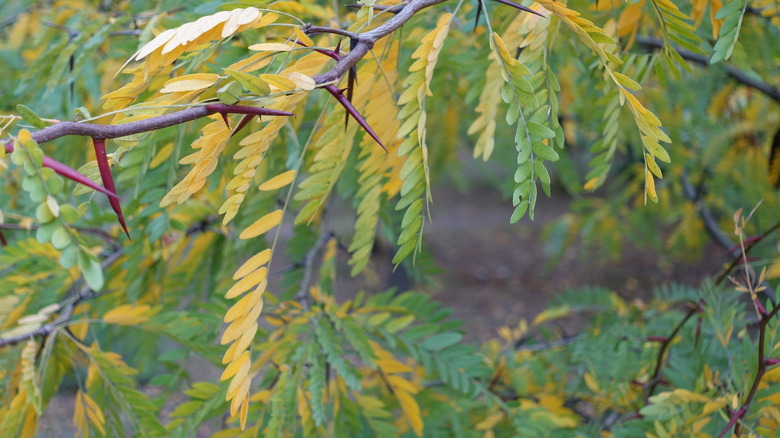
Known for their elegant, fern-like foliage, and relatively low maintenance personalities, honey locust trees (Gleditsia triacanthos) are excellent landscaping trees that grow well in heavily populated areas, as well as rural settings. In terms of pruning, January is ideal because the tree is dormant, but you really don't need to go in and prune too heavily. Simply remove dead, diseased, crossing, or damaged branches to encourage light and airflow. Heavily pruning a honey locust tree can actually lead to rapid, uncontrollable growth, which is not healthy for the tree.
Maple
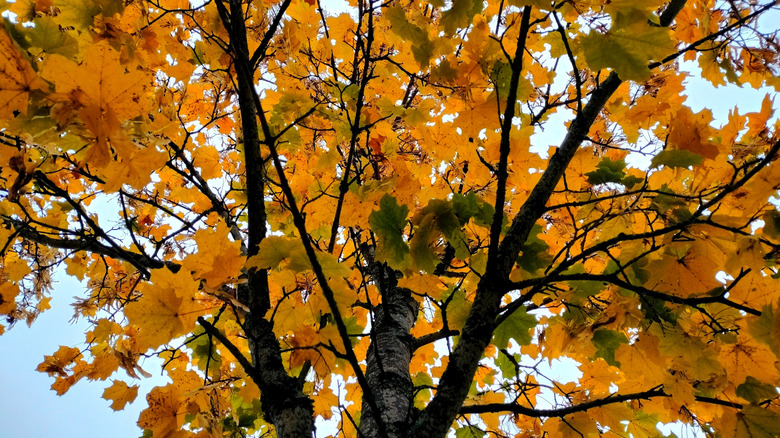
If you're interested in growing a sugar brush of your own, or just like the vibrant shades of orange, red, and yellow maple trees (Acer spp.) burst into come the fall, then you should definitely consider planting them in your yard. When the trees are young, focus on light pruning that will encourage branching and shaping. Once the maple is matured, pruning the dead, diseased, or crossing branches during January will help the wounds heal faster, without any sap bleed, and will help the tree heal faster and encourage more vigorous leafing growth in the spring and summer.
Dogwood
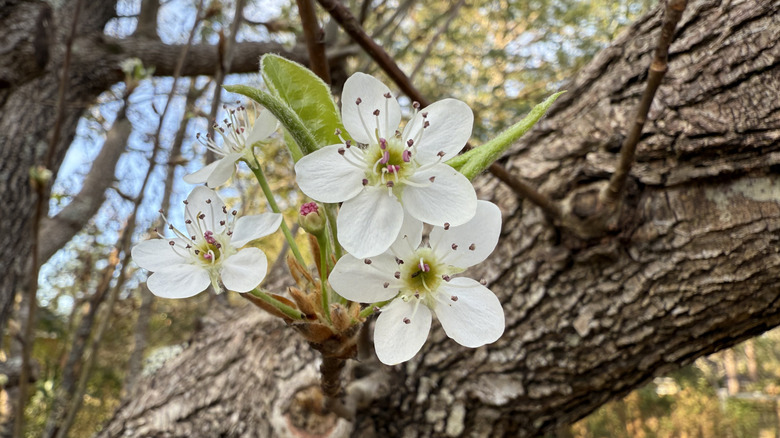
Many dogwood trees, especially flowering dogwood (Cornus florida) are prone to a number of different fungal diseases if they are not properly taken care of. One, dogwood anthracnose, is a particularly nasty disease that could kill your dogwood trees. As such, pruning them in the winter will help keep the tree healthy and prevent such diseases. As usual, remove any dead, damaged, or diseased branches, as well as those that block sunlight and airflow. The more sun and air can get into the dogwood canopy, the healthier the tree will be.
Crape myrtle
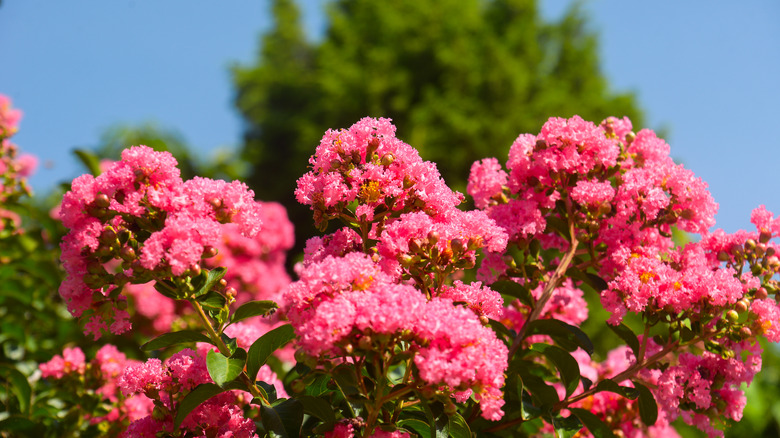
Crape myrtle (Lagerstroemia indica) is an amazing, floral tree that bursts with vibrant bush flowers that come in a vivid purplish pink. They make excellent natural privacy barriers and respond incredibly well to January or late winter pruning. Aim to perform light pruning that keeps the crape myrtle open and exposed to plenty of sun and airflow. Do this by trimming away any crossing branches in the interior of the tree, and remove the typical dead, broken, or diseased branches. If you want to get more blooms, trim the tips of the branches for an increase in summer blossoming.
Hawthorn

Like several other trees that have appeared on this list, hawthorn (Crataegus spp.) are sap bleeders. This means that if you prune them when they are active. they will bleed sap, which will attract numerous pests and diseases. This is the primary reason to prune them in January, as the trees are dormant and the sap is not flowing, so stress is reduced. You only really need to prune hawthorns when they are young trees to encourage shape and airflow. Once they've matured, you only need to prune them once every five years or so.
Arborvitae
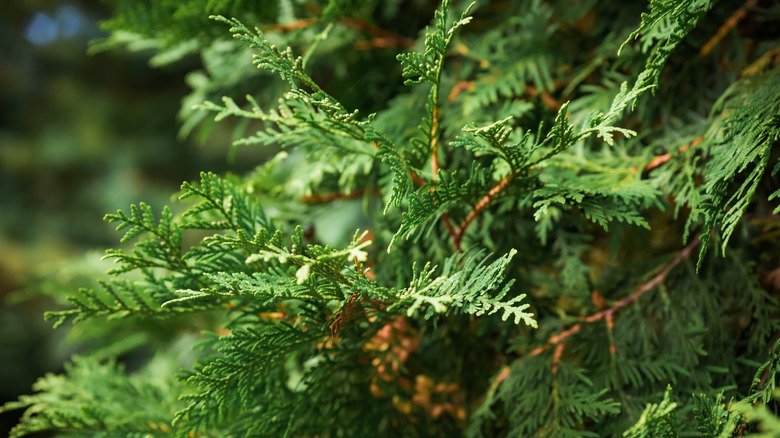
While technically another shrub, arborvitae (Thuja occidentalis) can nevertheless grow to tree-like heights, often reaching well above 40 feet, depending on the variety — these are plants you definitely don't want growing too close to your house. While you technically don't need to prune arborvitae, it's generally best to do so in January if you choose to. A winter trim helps keep the shrub from growing too wild and enormous. Wait until the arborvitae is at least two years old and established before trimming it back, as these shrubs do not respond well to excessive pruning.
American linden
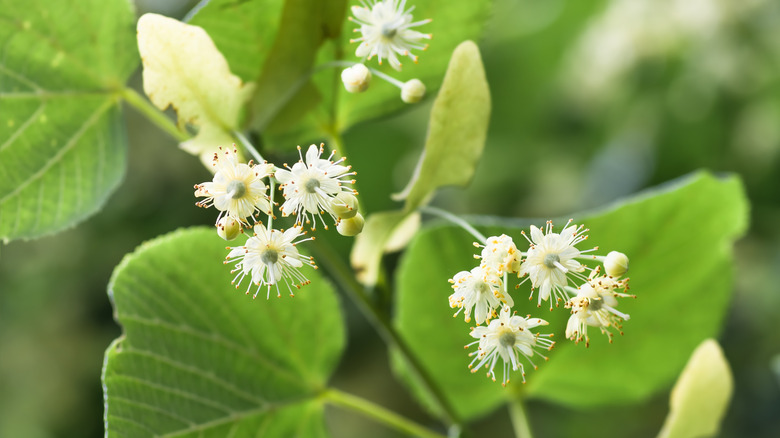
Also known as the American basswood, American lindens (Tilia americana) are a fast-growing, hardwood tree that make for excellent shade trees, but can overtake a space if you're not pruning it. Annual pruning can be done on young American linden trees to encourage shaping and air flow. Once established, they only need to be pruned every three to 5 years to keep them in check and thin out crowded areas for more sunlight access. Lindens will grow much taller than most hobbyists can handle, so it is best to hire professionals once the tree grows above 20 feet.
Spruce
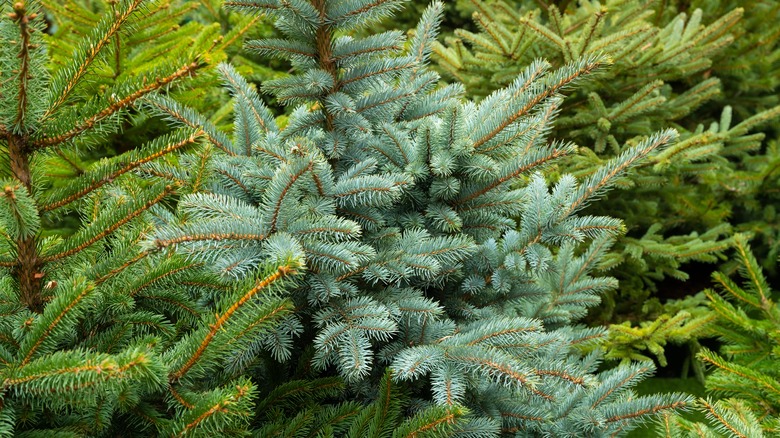
Like their arborvitae cousins, spruce trees (Picea spp.) don't necessarily need to be pruned at all in order to thrive. However, if you want to grow these trees for the shade and ornamental value they provide to a garden, pruning them in January is going to be key to encouraging thicker growth, especially when they are young. You can cut back a lot of new growth to encourage more branches to grow off the central leader, and you can also prune to maintain the signature cone shape most spruces are known for.
Peach
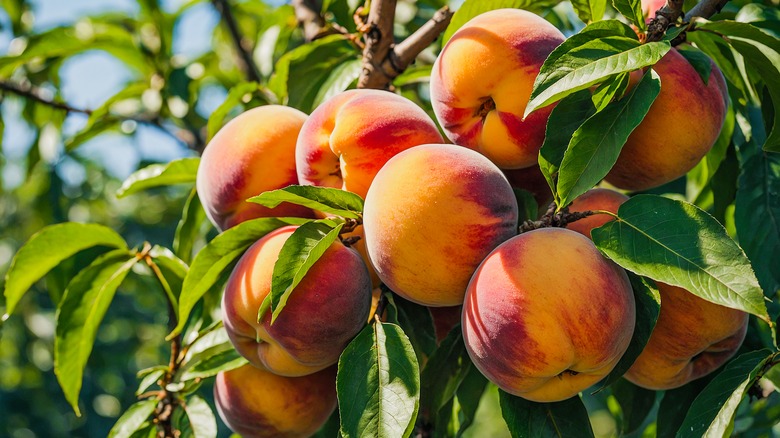
Like their fellow fruit trees, peaches (Prunus persica) benefit greatly from pruning during dormancy in January. However, pruning a peach tree is a little more involved than pruning the apple or pear trees we discussed earlier. Sure, you need to remove the typical dead, crossing, or diseased branches, but peaches respond pruning of up to half of the previous year's growth. This allows for more vigorous branch and fruit production, as well as keeping the tree to a manageable size of between 7 to 8 feet tall.
Rowan
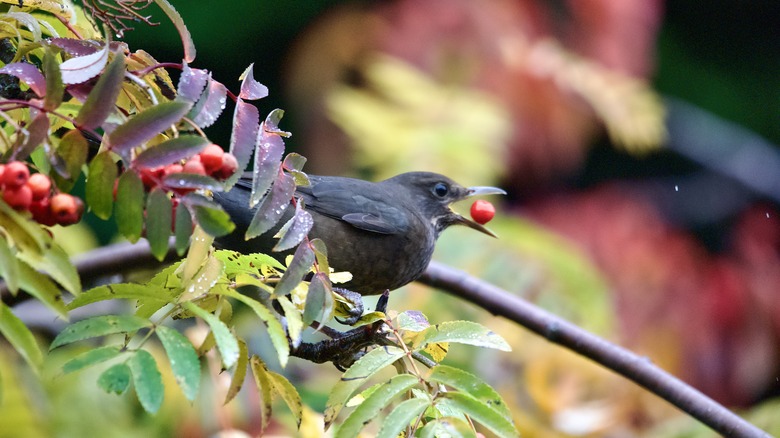
Famed in folklore and prized for their vibrant red berries, the rowan tree (Sorbus aucuparia), also known as the European ash, is great, not only for ornamental purposes, but to provide natural food and shelter for local songbird populations. Pruning during dormancy in January is key to keeping the rowan tree healthy. Allowing light to enter the canopy by removing crossing, overgrown, or dead branches is essential, and it's equally important to trim the branches so they don't become too laden with berries — otherwise, they could snap under the weight.