

Growing These 12 Flowers & Herbs Can Help Keep Moles Out Of The Garden
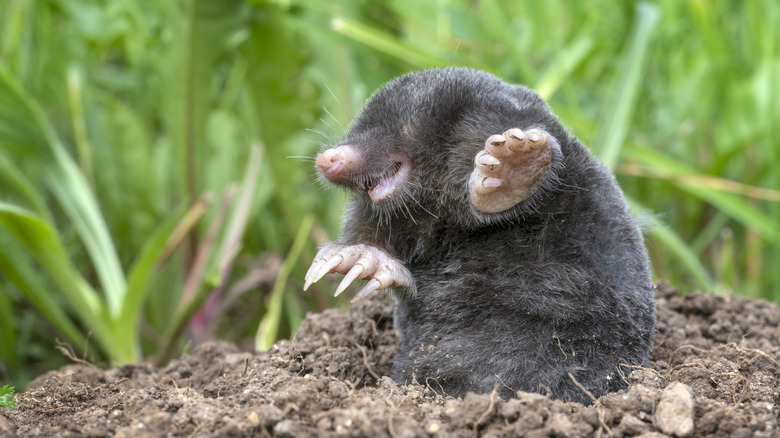
Moles are an insidious garden problem. While we like to think of them with "Wind in the Willows" levels of endearment, the fact remains that moles can obliterate your garden. Moving unseen beneath the ground, moles will tunnel their way into your garden, disturbing the root systems of some plants or even uprooting them altogether. This can cause a great amount of plant damage, including death of your more shallow rooted vegetables or flowers. In spite of their relative cuteness, you will no doubt want to get rid of as soon as possible.
There are several different foolproof methods of removing moles from your garden. One of the very best is to selectively choose certain plants that themselves have properties that will work to help keep moles out of your garden. Planting these is way easier than trying to install underground fencing , hiring a professional to set traps, or coaxing them with chemical poisons.
The following 12 flowers and herbs are ones that will work for a wide variety of climates and soil types. Planting them in your garden is not only going to help it look beautiful, but should do the trick of keeping moles away for good.
Mint
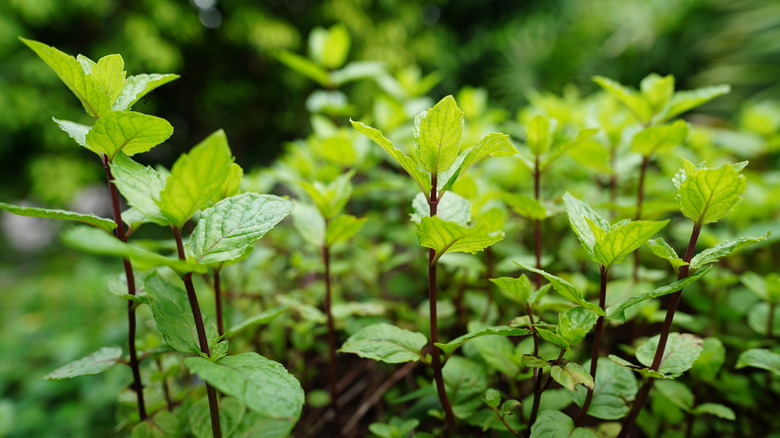
Besides having excellent culinary properties, mint (Mentha spp.) is one of the best herbs to use to keep moles out of your garden. Moles have a keen sense of smell, and the strength of the herbs scent will easily deter them and even throw off their food navigation. Hardy from zones 3 to 11 depending on variety, you can plant mint strategically around the borders of your garden as a living gate to keep moles away. Just be watchful, as mint spreads fast and can easily overtake a garden bed.
Daffodils
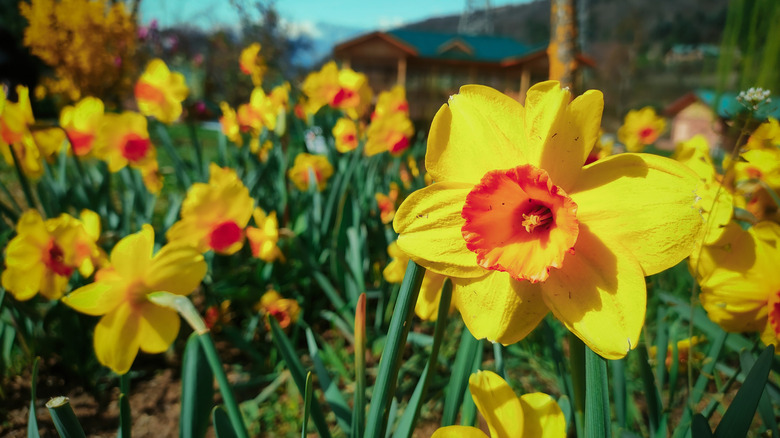
The arrival of spring brings with it softer, warmer soils. This encourages those bulbs you planted all the way back in November to start blooming, but it is also much easier for moles to invade. Luckily, one of those spring bulbs, daffodils (Narcissus spp.) is perfect at keeping moles at bay because the bulbs themselves are highly toxic to the little critters. Plant them as a border to your garden and see your mole problems vanish. Daffodils can be planted in hardiness zones 3 through 8 and are relatively tolerant of cold snaps.
Marigolds
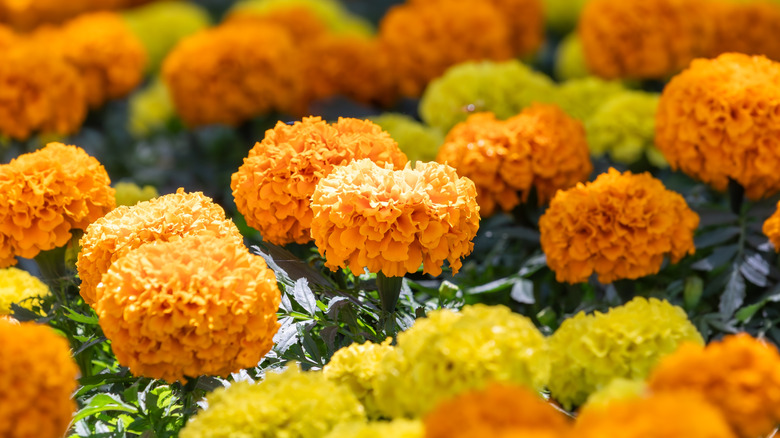
Marigolds (Tagetes spp.) are well known for their abilities to keep a wide range of insects away from your precious garden plants — but did you know that they are just as effective underground as they are above? In the case of moles, the roots of the marigold flower contain a compound called alpha-terthienyl, which is toxic to the insects moles feast on. If the insects are not available, the moles won't come to feed on them. The scent of these plucky annuals, which can be grown in zones 2-11, is also a deterrent to moles.
Alliums
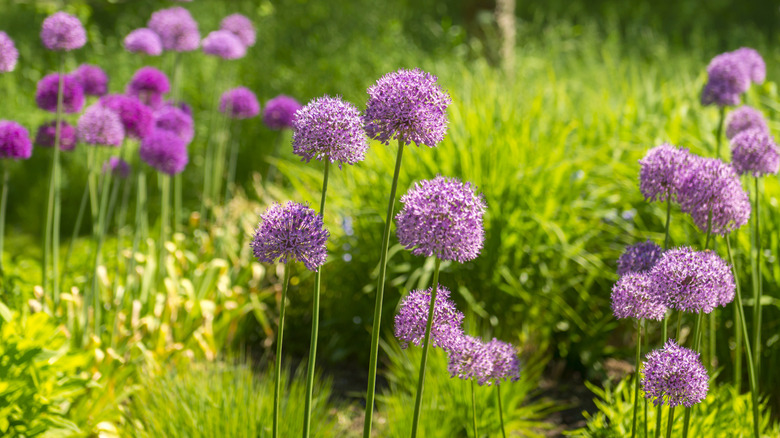
If you've ever wanted to add some height and color to your garden, bring in some ornamental alliums (Allium spp.). They can often grow in excess of three feet tall depending on the variety and do best in zones 4 through 9. Their signature purple blooms grow in globe shapes atop the long stem. For use as a mole deterrent, utilize the ornamental alliums as a border to your vegetable or flower garden. Their toxicity and strong, oniony scent is not loved by moles, and they should stay well clear of it.
Crown Imperial
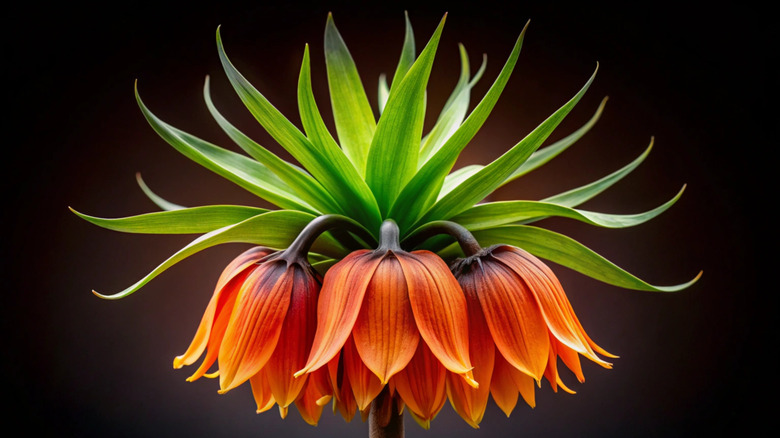
Also known by their scientific name of fritillaria imperialis, the crown imperial flower lives up to its regal name with its orange blossoms capped with a crown of brilliant green foliage. Blooming in the late spring in zones 5 to 8, crown imperials are highly attractive to hummingbirds and other beneficial pollinators. Luckily, their musky scent is also similar to that of a fox, a primary predator for moles. If they get a whiff of that smell, they will turn tail and make a new tunnel elsewhere.
Glory lily
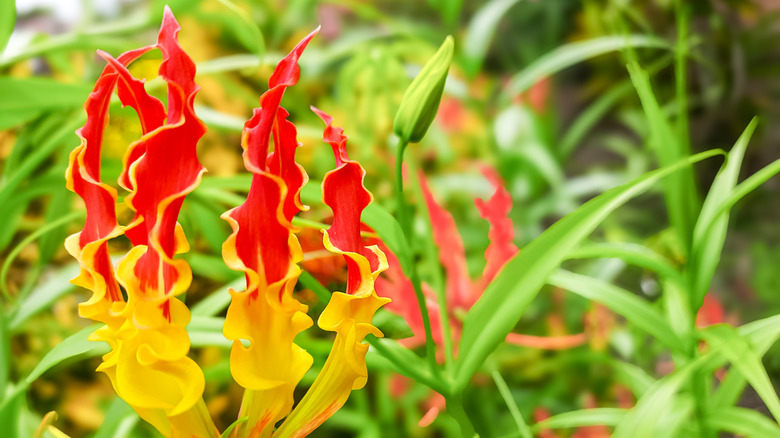
Glory lilies (Gloriosa spp.) are also commonly known as fire lilies, thanks to the fact that their signature swirling blooms extend vertically upwards in shoots of yellow and red, making them reminiscent of flames. This is an excellent choice if you are a gardener in warmer climate zones, as these lilies are not tolerant anywhere below zone 8. When they grow in the spring, you'll note the distinctive scent that makes the lilies stand out from other flowers in your garden. It is this very scent that works to keep the moles away from your yard.
Garlic
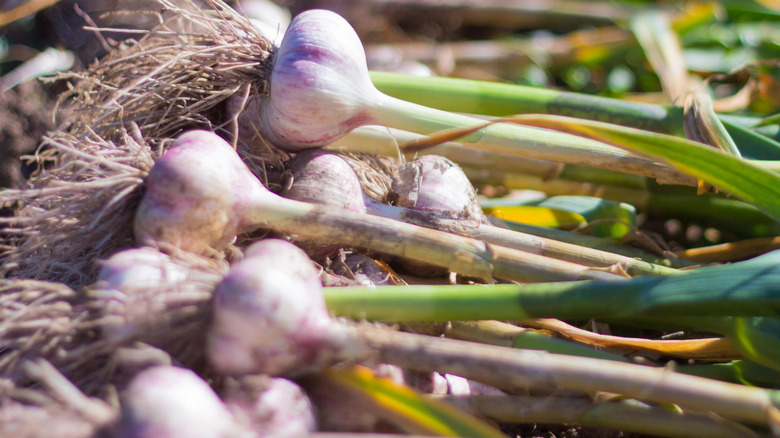
It is common knowledge that garlic (Allium sativum) is one of the best forms of organic pest control available to the gardener. Apart from deterring insects like aphids, spider mites, and cabbage worms, garlic will also do an excellent job at keeping moles away. We all know of garlic's unique smell — well, it is this very smell that will keep moles from approaching your garden, as its strength and toxicity are very high and off-putting. Plant garlic in the fall in zones 4-9 to expect an excellent spring harvest.
Castor bean
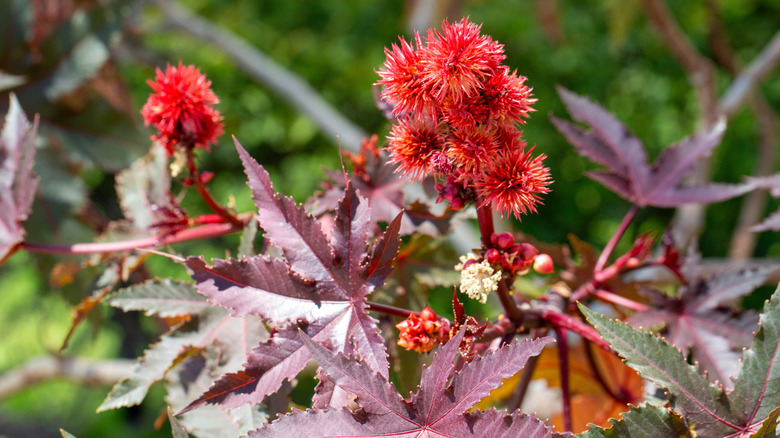
One of the most commonly used tools in preventing moles from taking hold in your yard is castor oil. Often mixed with other ingredients and sprayed directly into moles holes, castor oil is a proven agent that will keep moles away. So too is the castor bean (Ricinus communis) plant that the beans derive from — the plant is highly poisonous to humans and animals, meaning it should be planted and handled with great care and caution. The toxicity along with the strongly scented roots are highly effective at removing moles from your garden.
Fennel
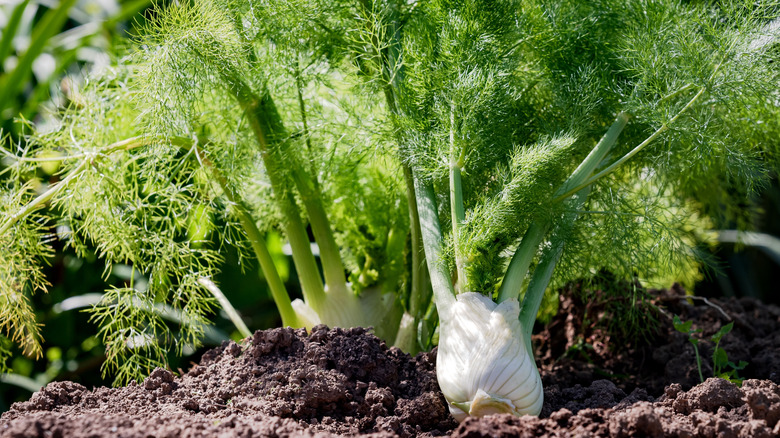
Fennel (Foeniculum vulgare) is something of a lone wolf in the garden. While it is incredibly flavorful in the kitchen, there are very few plants it gets along with out in the garden. However, it is worth planting solely for the deterring effects it has on moles. The compound anethole, which is what gives fennel its anise flavor, is highly toxic to moles. If eaten, it will cause severe disorientation. This doesn't typically happen, as the scent is usually more than enough to ward off moles.
Dill
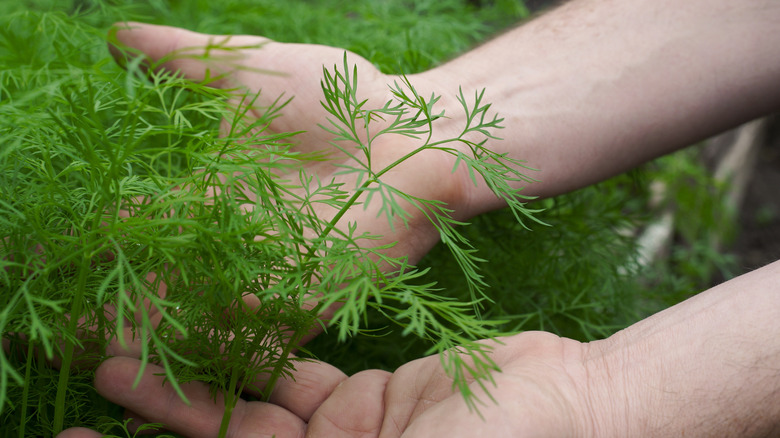
Though it might not look like the most show stopping plant in the world, growing dill (Anethum graveolens) is a worthwhile endeavor. It is incredibly easy to propagate from cuttings, and it has numerous uses in the kitchen as well as in herbal remedies. It's unique, herbal smell and beautiful yellow flowers will draw butterflies to your herb garden. It is these same factors that moles absolutely hate. By planting dill as a border for your herb garden, you can protect other tastier plants from being harmed by a mole's presence.
Onions
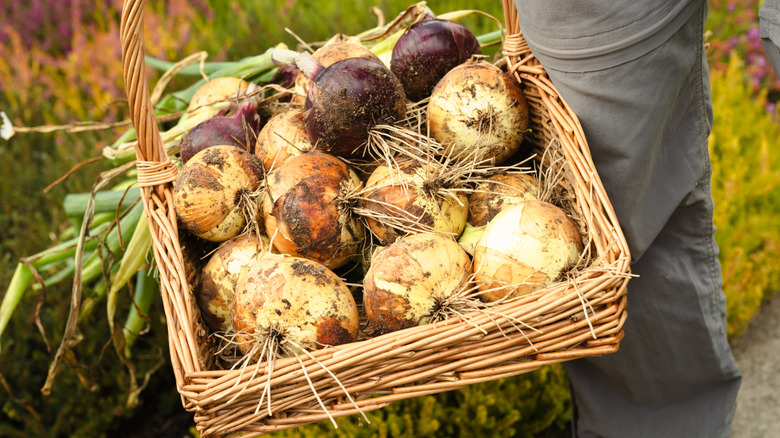
Onions (Allium cepa) are highly effective at keeping moles away from your garden. Though these count as a vegetable in many circles, since they do such a good job at keeping moles at bay we needed to include them. Cold and heat hardy between zones 5 and 10, onions will act like other alliums in that their strong scent will disrupt a mole's sensitive sense of smell. Plant onions as a border, or companion plant them alongside other vegetables to provide more of a protective range.
Caper spurge
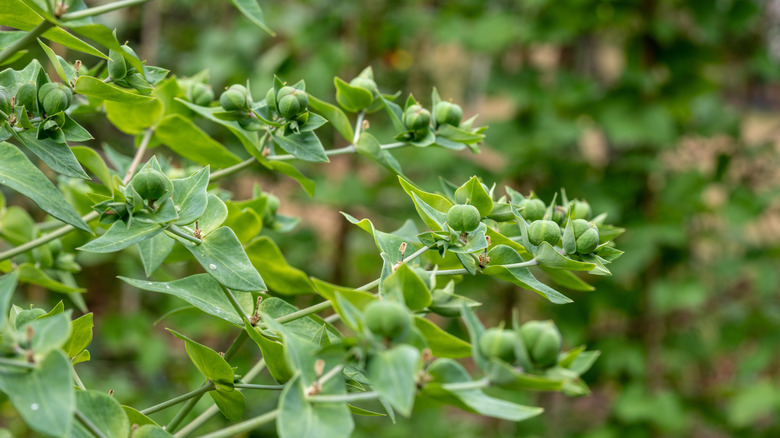
Finally, we have caper spurge (Euphorbia lathyris) which is also known as a mole plant. Caper spurge is like castor bean in that it is a highly poisonous plant that can be lethal if eaten by either humans or animals. It is the exuding sap in this case that works very well to repel moles. They pick up on the scent and immediately understand this is a toxic plant to stay well away from. It is one we only cautiously recommend planting, but it should be totally avoided if you have pets or children.