

10 Plants To Avoid Pruning In October For A Healthier, Greener Spring
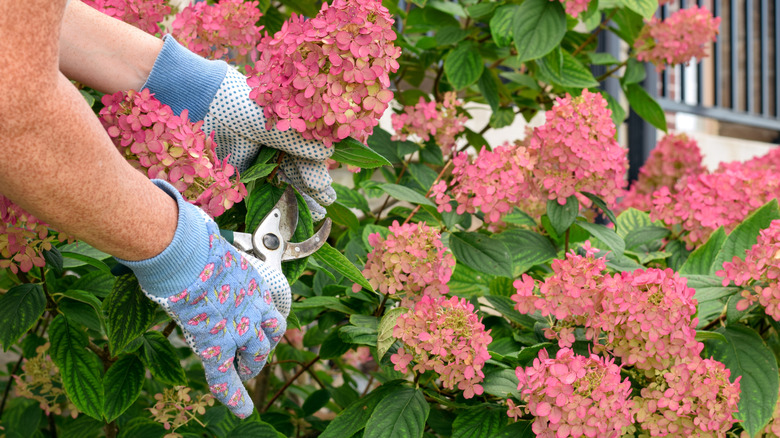
When it comes to pruning, timing is everything. Some plants need to be pruned in fall for a healthier garden next year. Others are best left until spring, after they've bloomed. Knowing which plants to leave alone in October is the key to having a garden full of flowers and foliage once spring arrives.
Shrubs that bloom on old wood, aka last season's growth, shouldn't be touched this month. That includes certain varieties of hydrangea, plus lilacs and forsythia. Plants that can provide food for wildlife over the winter or that will self-seed, like black-eyed Susans, are also best left alone in October. Finally, pruning certain plants in the fall can actually hurt them, increasing their risk of infection. Put down the pruning shears or loppers when you're around fruiting trees to protect them from disease and keep them healthy through the frigid winter. Instead of pruning the following 10 plants, focus on the other things your garden needs in fall to come back stronger than ever next spring, like mulching or adding winter protection.
Cherry trees
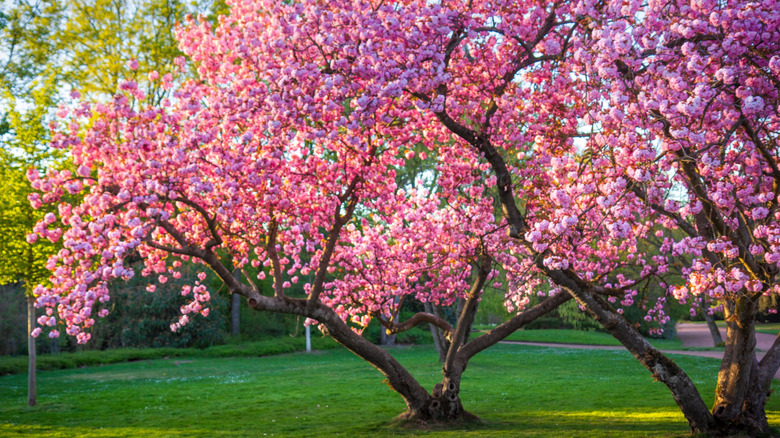
During the first years of life, cherry trees (Prunus avium) benefit from careful pruning, which ensures an open center and the right spacing between branches. However, it's critical that you not prune your cherry trees, or any other members of the Prunus family, such as peach or plum trees, after late summer. Pruning cherry trees in October can open the door to infection, notably Silverleaf, caused by the fungus Chondrostereum purpureum. Fungal infection aside, another reason not to prune cherry trees in October is that they bloom on old wood. If you cut away that growth, you won't get the coveted cherry blossoms come spring.
Forsythias
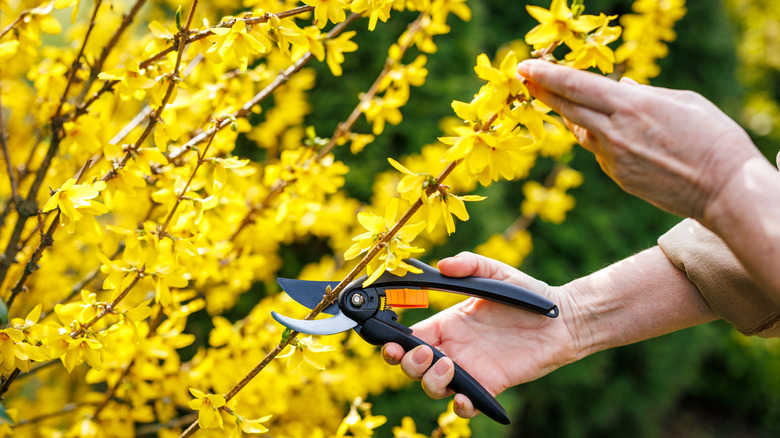
After a long, dreary winter, the bright yellow blooms of forsythia (Forsythia spp.) are a welcome sight. The shrub is one of the first to bloom as the snow melts away and the ground starts to thaw. But if you prune forsythia in October, you can say goodbye to the cheery blooms, as the shrub flowers on old wood. Instead, prune the shrub in June, or right after it has finished flowering for the season. Don't skip pruning entirely, as forsythia is a fast grower that can quickly take over your garden.
Rhododendrons
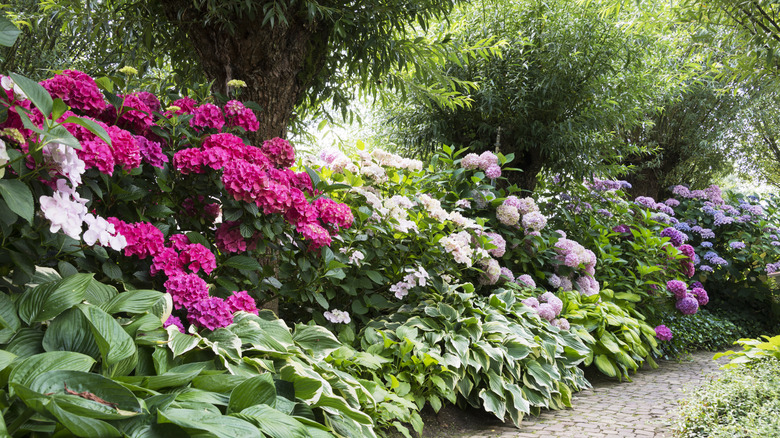
Rhododendrons and their sister shrubs, azaleas (Rhododendron spp.), are two more plants to leave alone this October if you want more of their pretty, colorful flowers next spring. The shrubs form next year's flower buds at the end of the summer. If you prune in the fall, you're going to cut those buds off, leaving you with a sad shrub come springtime. Instead, prune rhododendrons and azaleas right after they've finished flowering in the spring.
Lilacs
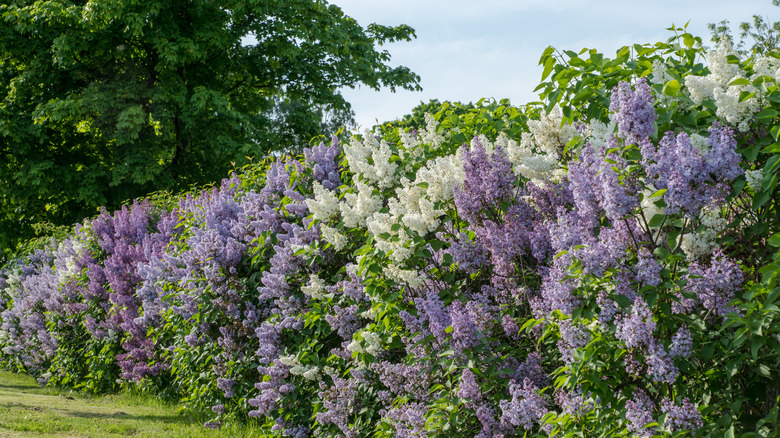
There are two reasons not to prune your lilacs (Syringa spp.) in October. If the plant is less than a few years old, it may simply be too young for a prune — lilacs often don't flower for the first few years of life. The other reason to skip the fall prune is that lilacs bloom on old wood. Once they start to produce blooms, you'll want to prune them right after flowering, as new buds form in the summer. Deadheading lilacs after flowering also helps ensure that the shrub will bloom the next spring again.
Oakleaf hydrangeas
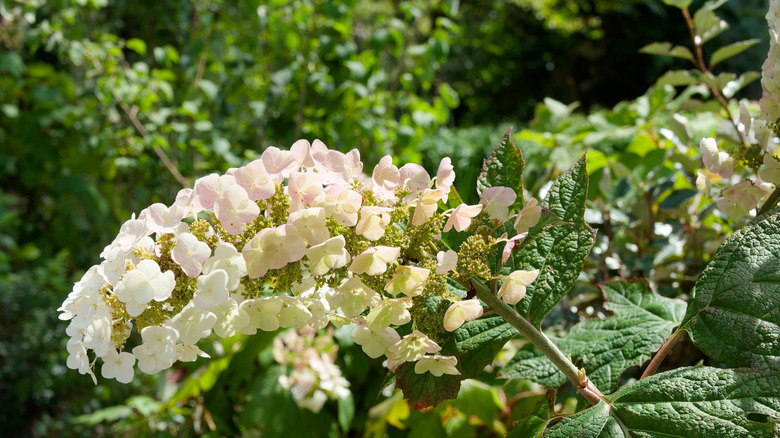
When to prune hydrangeas is the subject of much confusion, as there are actually two types of the blooming shrub — one that blooms on new wood and one that blooms on old wood. Oakleaf hydrangea (Hydrangea quercifolia) is a variety that blooms on old wood, meaning that if you prune it in October, you won't get any of its show-stopping, pyramid-shaped white flowers next season. Oakleaf isn't the only type of hydrangea to leave alone this fall. You'll also want to keep the pruning shears away from bigleaf (Hydrangea macrophylla) and panicle (Hydrangea paniculata) varieties.
Black-eyed Susans
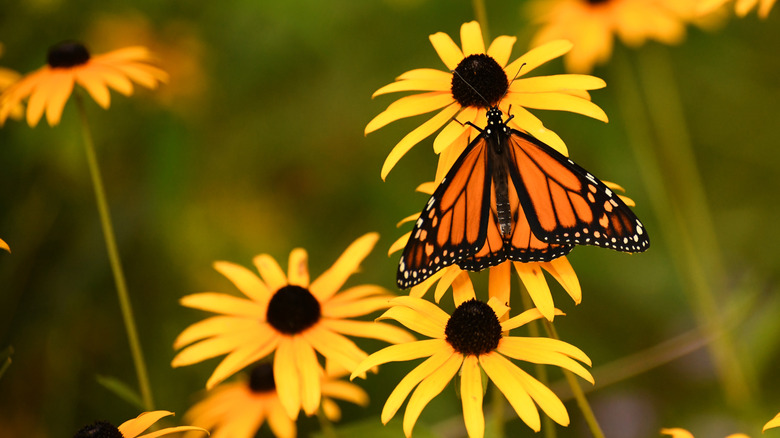
To prune or not to prune in October; that is the question with black-eyed Susans (Rudbeckia hirta). While you can cut back the fast-growing, sunny yellow flower in the fall, there are compelling arguments for not doing so. One is that, as the flowers drop their petals and dry out, they look pretty cool and can add some visual interest to your garden over the winter. Another is that birds love to nibble on the seedheads of spent Rudbeckia blooms. A third reason to let the flowers alone is that they will self-seed, giving you a garden full of black-eyed Susans again with little to no work required on your part.
Pear trees
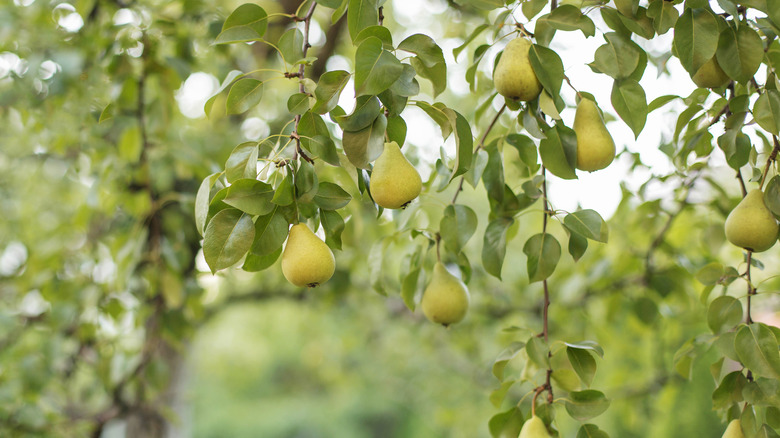
The best time to prune pear trees (Pyrus spp.) is while they are dormant, usually in the late winter. If you cut back the tree just before it goes dormant, you open it up to a world of pain — namely diseases and damage from frost. Pruning in October can also encourage the tree to start producing new growth that it doesn't need, taking energy that's better saved for growth in the spring. Instead, wait until winter has mostly passed and temperatures are above 20 degrees Fahrenheit to prune, but do so before the tree starts to form buds.
Spireas
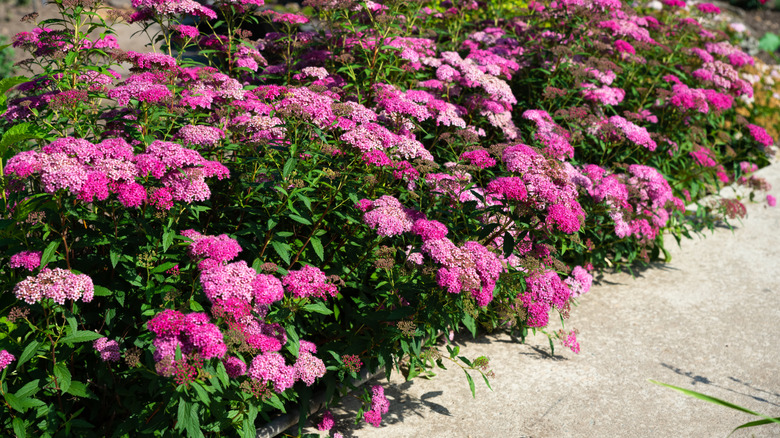
A popular landscape plant, Spirea (Spiraea spp.) blooms in the spring and should be cut back right after blooming, not in October. Pruning helps the shrub maintain its naturally rounded growth habit and also encourages new flowers next season. It's worth noting that some types of Spirea may bloom in the fall, especially during a warm season. Still, you'll want to leave any fall blooms on the plant through the winter, as cutting them back in October can set the plant up for frost damage.
Coral bells
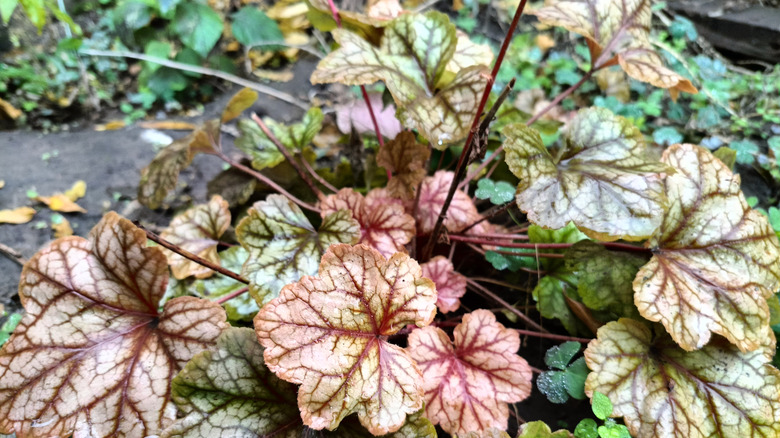
Although fall can be the right time to plant coral bells (Heuchera) in your garden, it is not the right time to prune or cut it back. The perennial needs its foliage to protect its crown from the cold temperatures of winter. No matter how ragged or worn out the plant's leaves look in autumn, leave them alone until early spring, when you can go to town, trimming away. Pruning away the leaves in the spring will also encourage new growth, giving you a lush plant to enjoy from spring to autumn once again.
Mock oranges
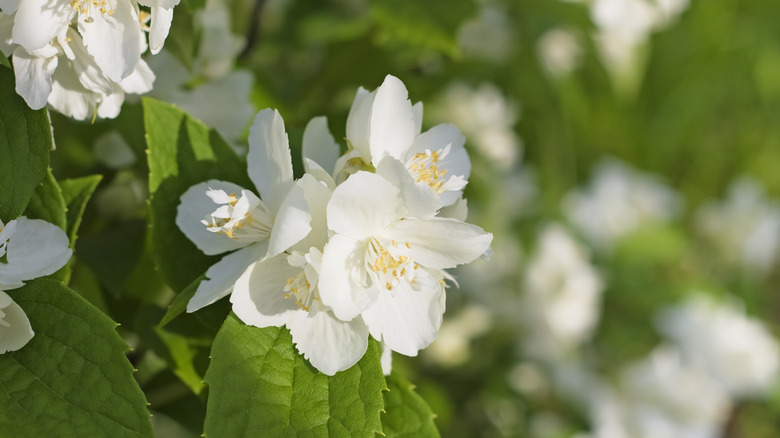
Mock orange (Philadelphus spp.) is often grown alongside lilacs and forsythia in the garden, and like those flowering shrubs, it produces next year's blooms on this year's growth. So if you wait until October to prune mock orange, you'll be cutting away the flowers for next season. Instead, give it a prune right after it's finished blooming. When you do cut the shrub back, don't be too nervous, as you can safely remove up to a quarter of its growth during a single session. Along with cutting away spent blooms, remove any branches that crisscross or those with signs of disease.