

9 Things Your Garden Needs In The Fall To Come Back Stronger Than Ever In The Spring
We may receive a commission on purchases made from links.
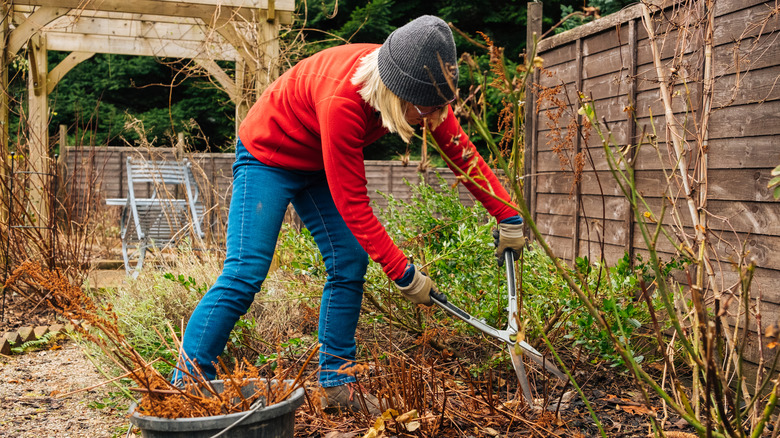
Sure, the summer is winding down, as is peak gardening season, but the fall presents plenty of opportunity to tend to your florals and greenery. So, you may want to keep the shovel and pruning shears nearby, as a gardener's work is never done. In fact, a helping of autumnal maintenance is actually necessary for a thriving spring ahead, so make sure those essential gardening tools aren't buried in the shed.
Of course, cleaning fallen leaves out of your yard might take center stage during this time of the year, but there are equally important items to add to your to-do list. From removing dead branches to dividing perennials, a seasonal checklist will help ensure that your plants reflower and your outdoor oasis looks healthier and better than ever once the warm weather returns. Protection and preservation will be top of mind across gardening zones as the colder months roll in, so now is the time to plan accordingly.
Deadhead plants
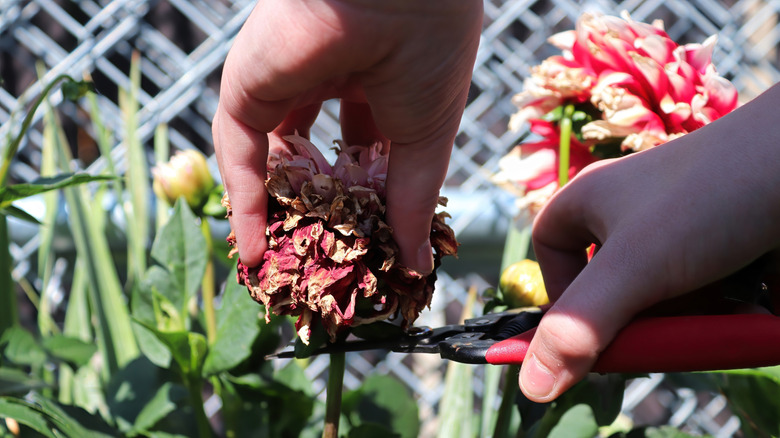
First things first: deadheading plants is necessary to maximize flower buds and extend blooms. Plus, it's a handy way to keep rowdy self-sowers from commanding the garden. Just before the flower turns brown and sets seeds, step in. You'll remove spent blooms from flowering plants, typically above the highest set of leaves and just under the head. Make sure that dying parts of the flower, like the stalks, are tossed aside. But leave enough healthy foliage for plants to receive nutrients, if possible.
Prune plants
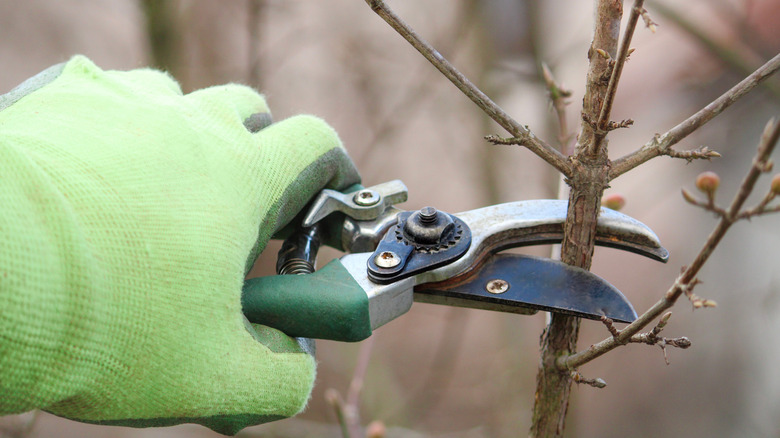
Learning how and when to prune, aka getting rid of tree branches and limbs to increase light and airflow, is essential. Not only does it help your space look neater in the fall (no one likes dead branches), but it allows plant's roots to increase in strength during dormancy so they're in tip-top shape come spring. However, don't overdo it. Try to remove no more than ⅓ of a small plant or ⅕ of an established tree.
Divide perennials
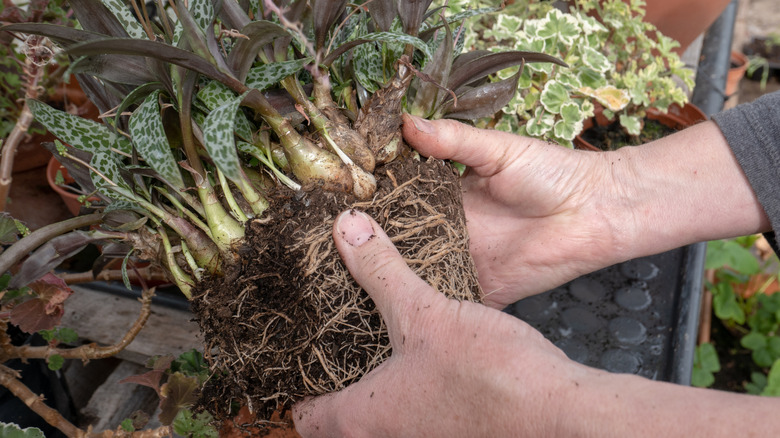
Dividing perennials has major perks. For one, it cleans up your garden during the off season by doing away with dead parts. Plus, it allows for replanting, repotting, and expanding your overall greenery options while keeping your plants maintained. No need to tell us twice. A tool like the Spartan Garden Knife can help cleanly separate roots. Pull up a clump of your perennial and divide the foliage and root ball into sections. Make sure to do away with unhealthy or dead parts and trim flowers, if necessary.
Continue to plant
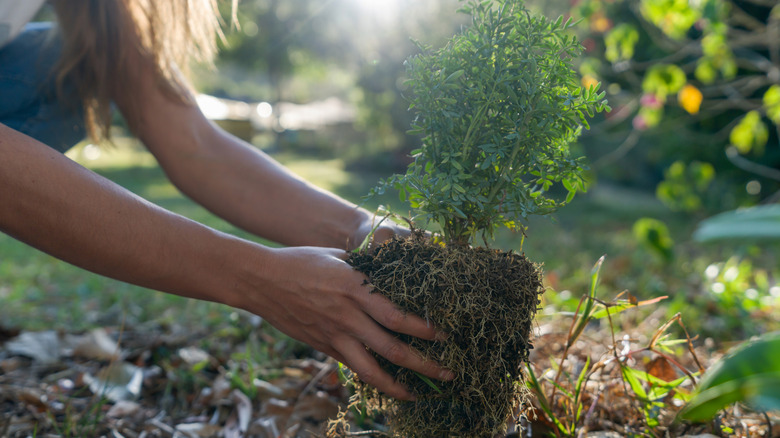
Curious what to plant in the fall? Options abound. (Plus, pests and excessive heat are at a minimum, thankfully.) Now is the time for spring-blooming bulbs (think tulips and hyacinths) since they need time to grow roots before the cold sets in. The pros suggest planting about six weeks ahead of the first frost so they can do their thing. It's also a good time to snag discounted trees and bushes and plant them so their roots can get established before winter.
Add mulch
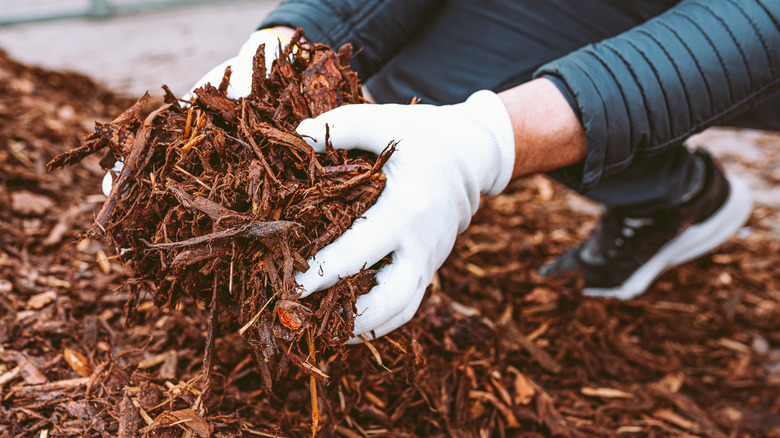
Adding a layer of mulch not only protects roots and warms plants when the frosty weather comes around, but it also makes your space look more put together and gives you a head start in spring. It also helps retain moisture during cold and windy winters. Plus, if you leave a layer of fall leaves under the mulch, they can add nutrients that help your plants thrive when they come back.
Adjust your watering schedule
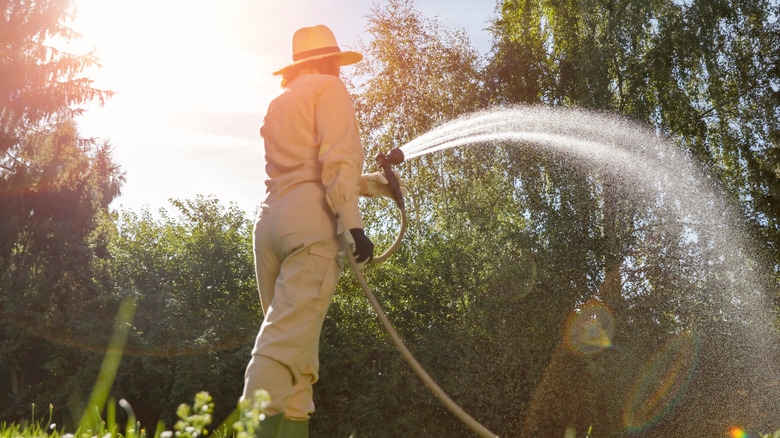
Watering your garden in the fall isn't as demanding as the summer months since the heat isn't as oppressive (thankfully). But since this time of year is critical for plant roots, you'll want to make sure you're not slacking on the job. If you've been watering weekly, cut that frequency in half. Keeping the roots reasonably hydrated gets them prepared for winter. It can also help your flowers and shrubs come back with more vigor in the springtime.
Protect delicate plants
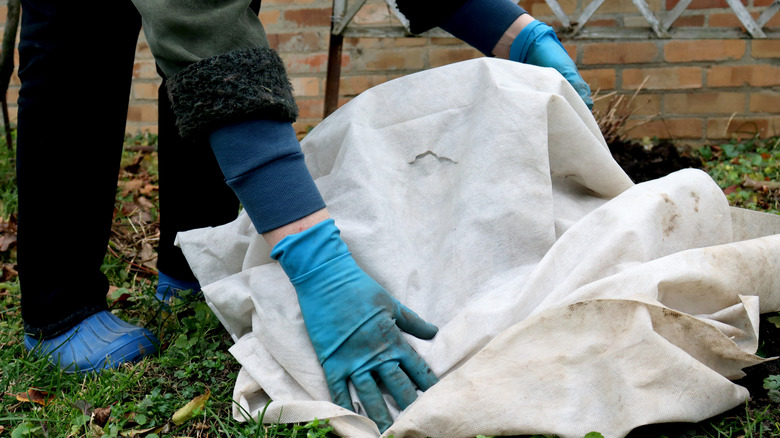
No two gardens are the same, but one thing remains consistent throughout green spaces: There are some delicate flowers that need extra TLC. Depending on your USDA plant hardiness zone, consider covering shrubs ahead of the first frost and bringing potted plants indoors. Generally, when temperatures dip below 50 degrees Fahrenheit, you'll want to consider moving your more fragile plant babies to a warmer locale. Be sure to switch to potting soil, if needed, and check for insects before bringing anything into the house.
Properly clean and store your equipment
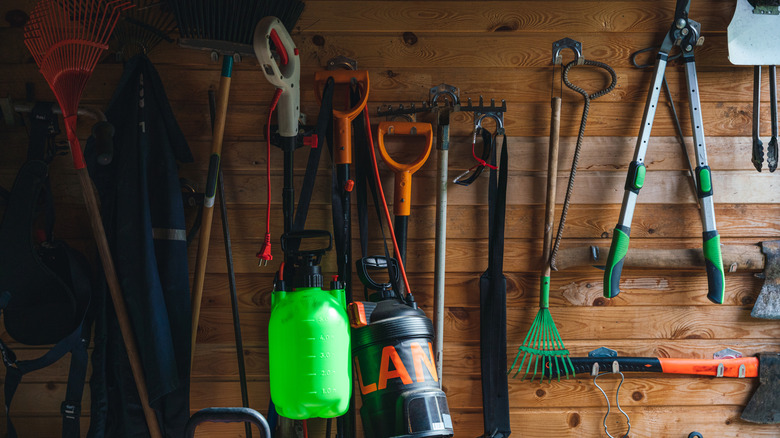
Cleaning your gardening tools properly might seem like an afterthought compared to your greenery, but it's also important. Not only does proper maintenance (and storage) allow your tools to remain effective, but it also increases their longevity and keeps them in spring-ready shape over winter storage. Make sure they are in a protected space where they aren't exposed to moisture, and use a coating of WD-40 Lubricant Spray as a protective barrier.
Plan ahead
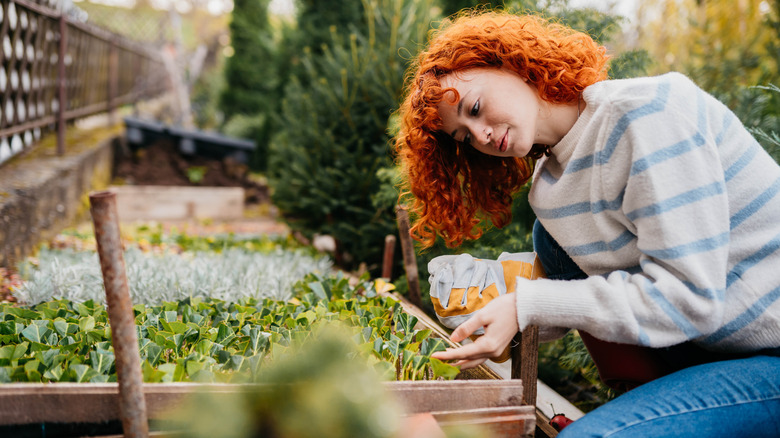
Fall gardening gives you ample time to plan ahead and make adjustments before spring rolls around. Perhaps a plant of yours could do better in a shadier spot. Maybe you're considering raised garden beds for your vegetables. Are those temperamental peonies really worth it? Whatever you're thinking, use this off season to assess what can be improved and what you'd like to see from your future outdoor oasis.