

8 Plants To Prune In September For A Healthier Garden Next Year
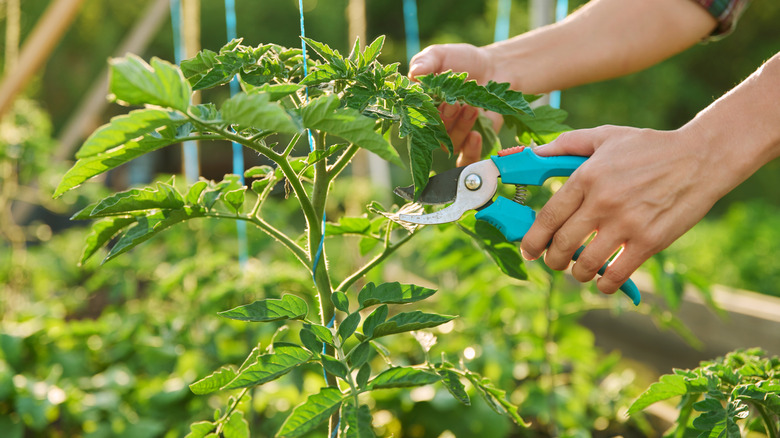
September captures the equinoctial sentiment of transition perfectly. Summer hasn't waned fully, while autumn hasn't truly set in. But rather than spending this shifting period waiting for the perennials you planted in August for a color-packed fall garden to come into their own, why not use it to get through some light pruning? Think fruiting plants, herbs, shrubs, and vines such as raspberries, blackberries, lavender, Shasta daisies, and jasmine.
But before breaking out your pruning shears, note down your area's expected frost dates. Pruning typically stimulates new growth, which can become damaged after exposure to frosts, freezes, or extremely cold temperatures. Usually, September provides the last window to get some trimming done, but if you're expecting to do a full prune, you're better off leaving your shears in the tool shed until early spring. Also note that pruning is not an annual or mandatory affair. For instance, if your plants are a dwarf or compact variety, they may not require a haircut for several years (if at all). So, use your discretion.
Similarly, September is not the time to rejuvenate old and overgrown plants. For that, you must wait until winter; stay focused on removing dead, decaying, and diseased flowers, foliage, and stems instead.
Summer-bearing raspberries
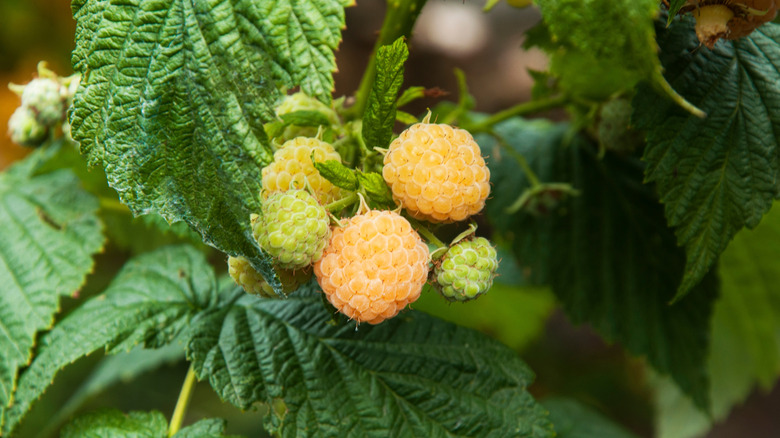
Summer-bearing raspberries, like Honey Queen or Latham, produce only one crop each year– usually in June. Since old stems are no longer useful, you should prune them right after harvesting all fruit. This will open up the plant's center, allowing more light in, stimulating new growth, and keeping disease pressure down. While this window opens up as early as July, September isn't too late if you haven't started. Trim down old canes (they usually have a darker base) to 4 inches above ground. From current growth, choose the best six to 10 shoots, about ½ inch thick, and remove the rest.
Floricane-fruiting blackberries
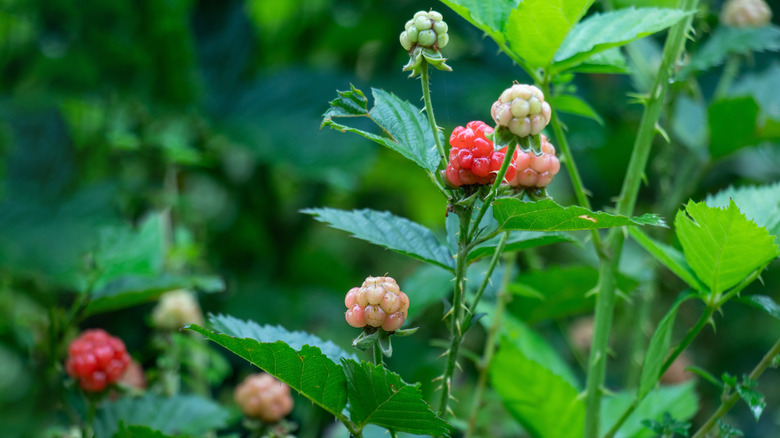
Also summer-bearing, floricane-fruiting blackberries produce biennial canes (though the plants are perennials). In the first year, their branches are called "primocanes," which, after overwintering, bear fruit next year and are accordingly called "floricanes". After fruiting, floricanes are no longer useful and must be pruned out so the plant can conserve resources for next year's production. Cut down any brown or woody branches to the base. A September trim also helps in controlling their sprawl and tidying up the thorny beds before they grow out of hand. However, if your variety remains productive through September, as in many cold regions, wait until winter to prune it.
Indeterminate tomatoes
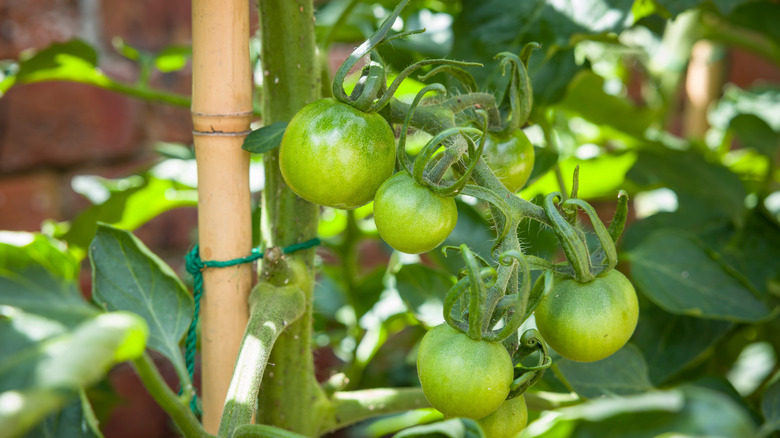
Depending on your location, you may only have about a month or two left for the season's frost, counting from September. While your indeterminate tomatoes may find the weather amenable to set new flowering buds and fruits, they may not ripen on time. So, to avoid any wastage and ensure your existing crop does make it to the table, you can prune or "top" your tomatoes. You may also clip out any yellowing or damaged vines that may be using up resources, which are better directed into ripening fruit. Using a sharp pair of hand pruners, make a cut about fruit clusters, taking off all the leaves so sunlight can reach the fruit.
Rosemary
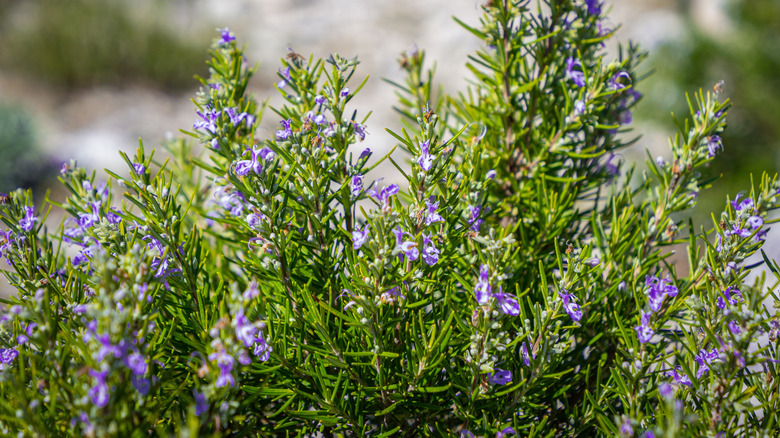
Mediterranean herbs like rosemary (Salvia rosmarinus) require regular care to keep looking their best. Ideally, you should prune rosemary after flowering in the summer. This time is also ripe to shape the plant and curtail its size. However, if you've missed the window, you may still be able to give it a light haircut in September, provided the season's hard frost isn't due for another six weeks. That way, any new growth will have sufficient time to toughen up before winter sets in. Avoiding woody sections, trim back about ⅓ of green shoots.
Lavender
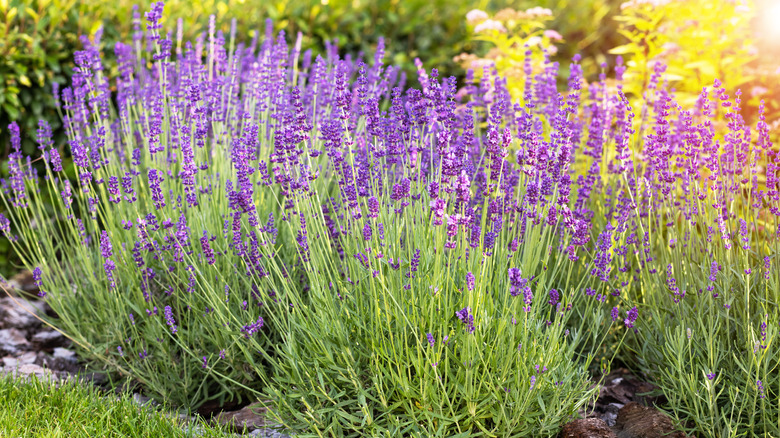
Like rosemary, lavender is a sub-shrub, meaning it produces new, green shoots every year, while the old ones grow woody and leggy with time. As soon as it stops flowering — usually by August — you can start lightly deadheading, shaping, and pruning it to refresh its appearance. This window runs through into the early days of September, though similar limitations apply. Make sure that you've at least a month to go before a hard frost for new growth to harden off. Without cutting into the woody section, chop off no more than ⅓ of the current year's growth.
Roses
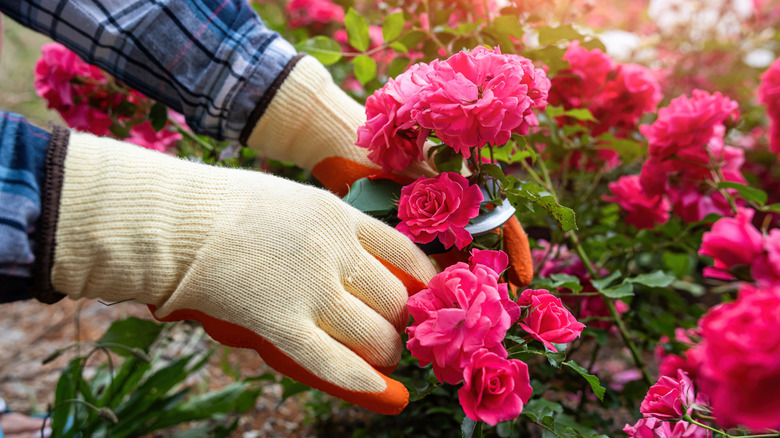
Roses are notoriously finicky, but you can prune without killing them — lightly — in early-to-mid September. Use this time to eliminate dead, decaying, and straggly growth and increase airflow, so disease-causing microbes are kept at bay. Pruning is also ideal to improve and time the fall flush of flowers to mid-October for everblooming varieties, including grandiflora and hybrid tea roses. For climbers or ramblers, you may trim off excess growth that's making the plant off-balance or might whip around in winter drifts, causing collateral damage. Don't prune once-blooming, old-fashioned roses. Focus on clipping off black canes and the top ⅓ growth on current stems.
Shasta daisy
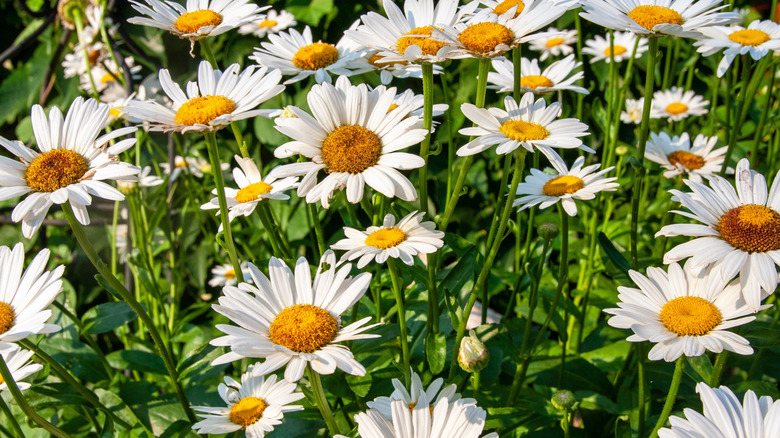
Although bloom times vary heavily across varieties and weather conditions, Shasta daisies usually exhaust their blooms by September. Once they do, consider pruning them. This offers two benefits: Reducing seed production and their ensuing spread in the garden. Additionally, it might extend the plant's life. Shasta daisies are relatively short-lived, and by cutting back the spent flowering stems to the base, you may encourage new growth that can then harden itself and produce fresh blooms next year. September is also a good time to divide any overgrown daisy beds.
Certain Jasmine vines
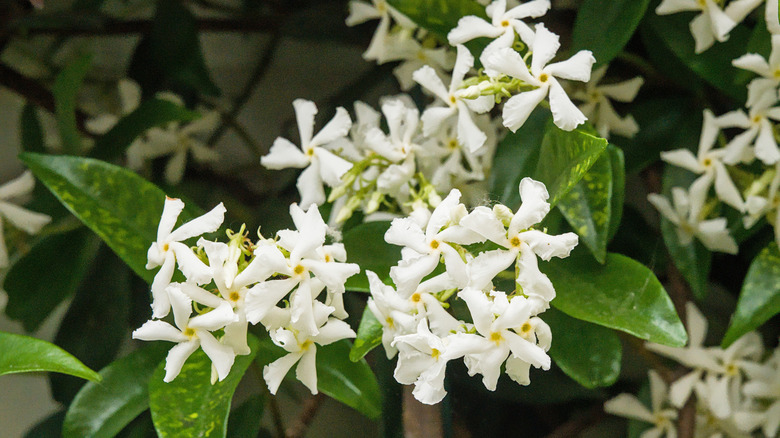
Jasmine vines are typically pruned after they flower. However, their blooming period differs across species, with some like pink jasmine or winter jasmine starting their progression in cooler months. In contrast, common jasmine and Spanish jasmine are usually done by late summer or early fall, and make good contenders for a September trim. Being vigorous plants, a haircut around this time ensures their size and sprawl remain manageable, while you can also deal with old, crossing, unhealthy, or weak shoots.