

12 Things You Should Avoid Cleaning With Dawn Dish Soap At All Costs
We may receive a commission on purchases made from links.
It can be incredibly convenient to reach for the bottle of Dawn on your kitchen sink whenever you fancy cleaning your blenders, gardening tools, baseboards, trash cans, and other dirty items. But the sole reason this dish soap is a favorite cleaning supplement (its capacity to break down grease) is also the reason why you shouldn't use it anywhere you like. It's because not all things are made the same and can't handle its strong formulation well. For instance, natural stone counters tend to lose their inherent shine and turn dull when scrubbed with dish soap.
Similarly, cast iron pans lose their seasoning when subjected to Dawn dish soap. Your leather furniture, hardwood floor and furnishings, carpets, glass surfaces, and plants are a few other things that don't respond well to dish soap. So, to avoid harming a material's finish or damaging it entirely, it's best you proceed with caution and check the manufacturer's instructions before moving forward. Or, just weigh the pros and cons of cleaning an item with it before you get scrubbing. Need a little help? Here are the top 12 things you should avoid cleaning with Dawn dish soap at all costs.
Utensils in a dishwasher
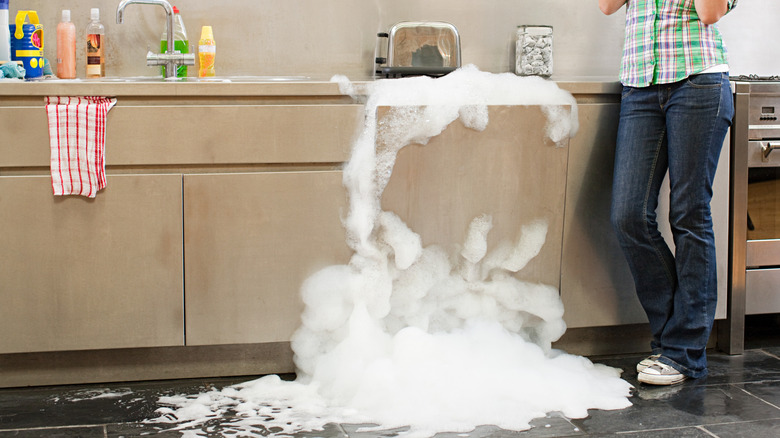
If you ever run out of dishwasher detergent, you might think of adding in a few drops of Dawn dish soap in its stead. After all, it's formulated to clean greasy dishes. However, you should never put dish soap in a dishwasher since it's not built to handle the excessive suds. As a result, they'll flow out and flood your kitchen floor, and you'll have to spend hours cleaning them up. Worse, repeated use can damage your appliance as well. So, always get a dedicated cleaner, like Finish Quantum Dishwasher Pods, for your dishwasher.
Clothes in washing machines
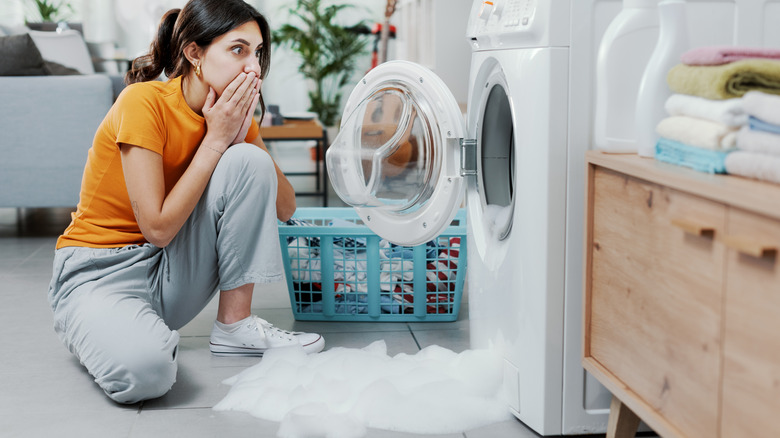
Your washing machine also can't deal with the amount of foam a dish soap creates. Besides the excess flowing out, the suds will clog your washer's pump and drain. With time, the residue will start building up in your machine, leading to expensive repairs and nullified manufacturer's warranty. Moreover, it might even struggle to rinse out sudsy clothes entirely, especially if it's a high-efficiency variant (as they use less water). Your garments will come out soapy with the dirt clinging to their fibers. Considering this, stick to laundry detergent, such as Tide's Free and Gentle Liquid variant.
Expensive or delicate garments
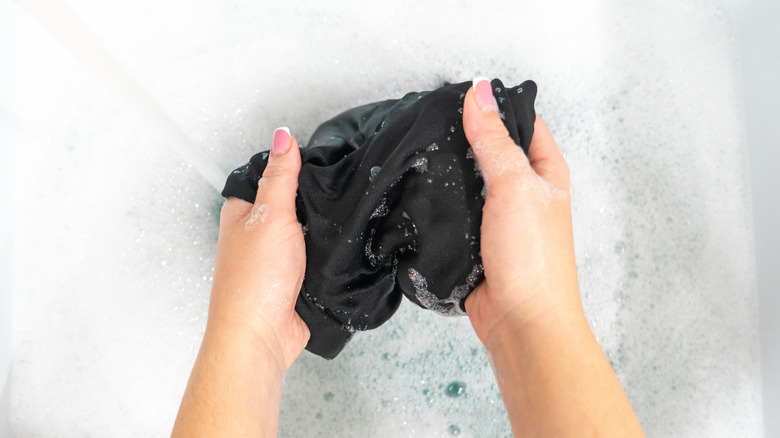
Though you can use dish soap to spot-treat greasy stains from your garments, it's not a good idea to employ it for hand-washing delicate laundry, especially the expensive kind (think silk). Otherwise, rinsing it out will be difficult and you may potentially ruin the garment in question. So, squeeze out a pea-sized amount occasionally if you just need to get rid of small, stubborn oily stains, but keep to specialty detergents for your precious pieces or send them to a dry cleaning agent (if possible or if the garment is too expensive).
Carpets
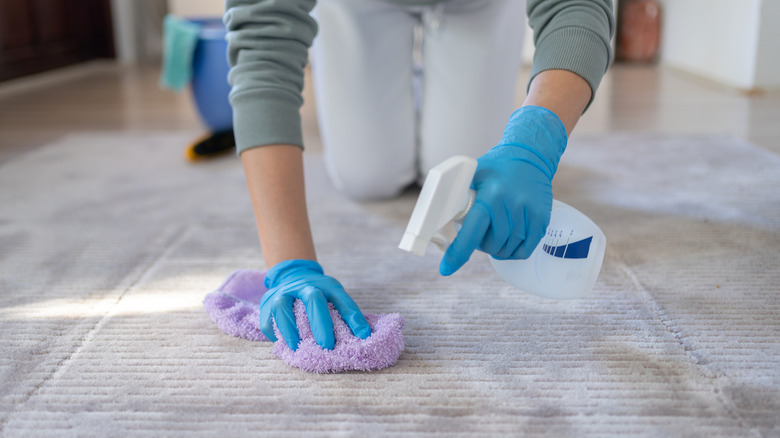
Wondering if you can clean carpet with dish soap? Even though it's a popular cleaner choice for stains, you want to seek other methods simply because it's difficult to get rid of its foamy residue (you'll have to add water to rinse it out) from a carpet's fibers. Consequently, it'll form a sticky film over them, which will readily attract dirt and dust. Over time, your carpet will start looking grimy sooner than expected and require even more upkeep. And if you have a carpet with a high-pile or high-density in your home, the problem will be that much worse.
Hardwood floors
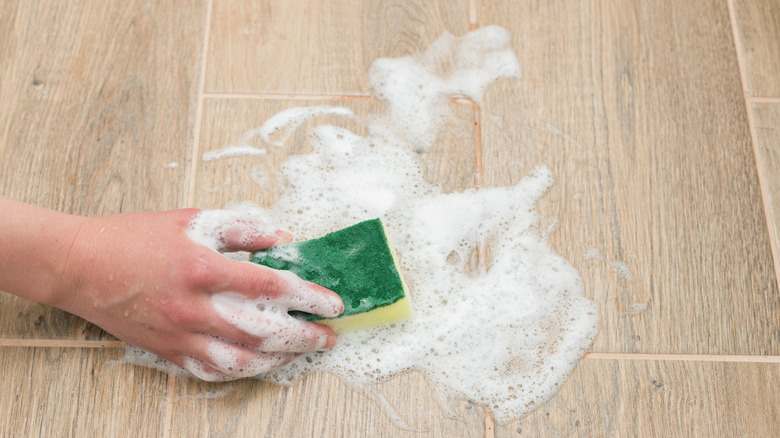
Relying on dish soap is one of the things you should never do when cleaning your hardwood floors. Since it's formulated to cut through grease, it'll peel off the protective oil or wax coating from such flooring. It'll dull their natural shine (thanks in part to the residual film left behind) and age them faster. Plus, the now-dry surface will be more susceptible to scratches and other damage. And if you don't mop up all the water carefully, excess moisture will seep beneath the unprotected planks and cause warping. That's why it's best to use specifically-formulated, pH-neutral cleaners, such as Bona's Hardwood Floor Cleaner Spray. Apply the same logic when cleaning wood furniture.
Natural stone countertops
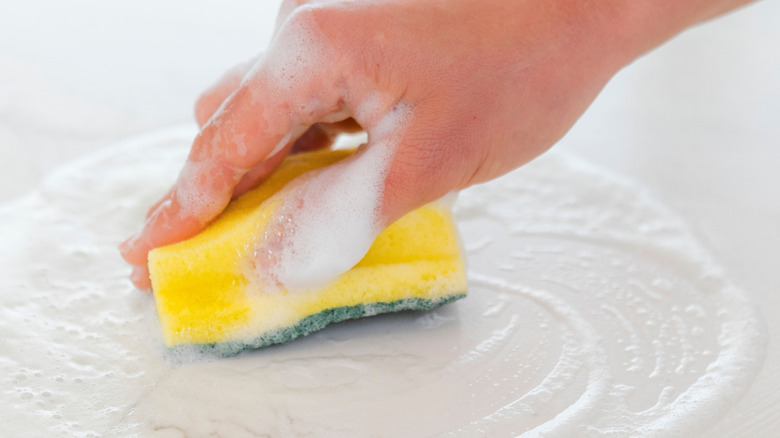
It isn't the end of the road once you shop for natural stone countertops and have them expertly installed. Regular maintenance will mean the difference between them looking good as new or turning dull over time. To that end, don't use dish soap to clean your marble, granite, and other natural stone counters. Or, it'll leave behind a film that will turn them lackluster and cause etching with regular usage. The harsh chemicals might also deteriorate the protective sealant on top and leave them completely exposed. Instead, employ designated solutions, like Weiman's Stone Care formulation.
Coffee makers
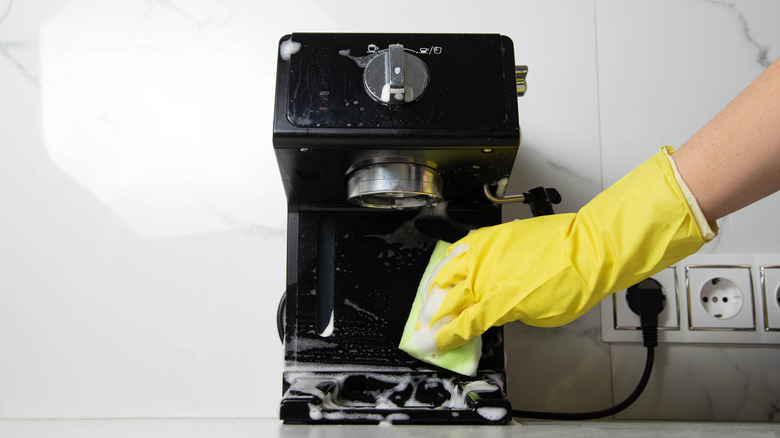
Even though you can use dish soap to bring your coffee maker's exterior to a shine, don't add it inside. It's because the water reservoir and other internal compartments aren't made to handle the excessive foam, and you'll have to spend a lot of time properly rinsing it out. So, skip Dawn dish soap and use distilled white vinegar (along with water) when cleaning your coffee maker. Worried about your coffee carrying a faint hint of vinegar even after you rinse the appliance? Follow this guide to easily clean your coffee maker without using any vinegar.
Cast iron
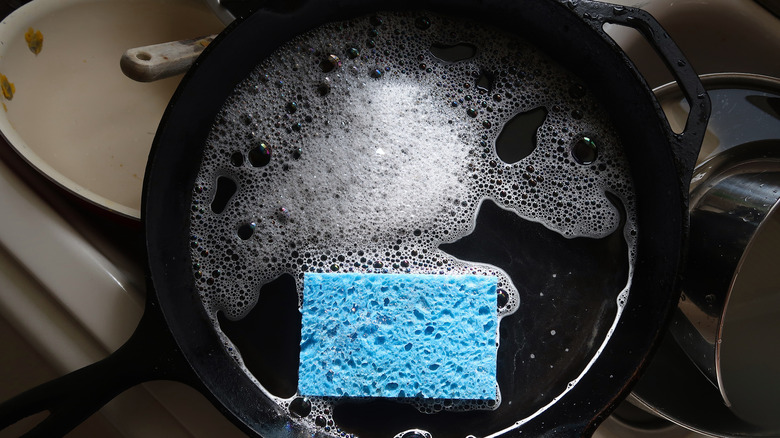
You may be aware that cast iron needs to be well-seasoned with oil to create a non-stick surface. Now, you may have gone through extreme pains to ensure it remains that way. But all your hard work will be for naught if you scrub it out with Dawn dish soap, as the grease-removing formula will relieve your cast iron cookware of its slick coating. So, to avoid ruining your cast iron pans, clean them with hot water and a stiff brush. An occasional scrub with a non-abrasive cleaner, like Caron and Doucet's Soap, won't hurt, either.
Leather furniture
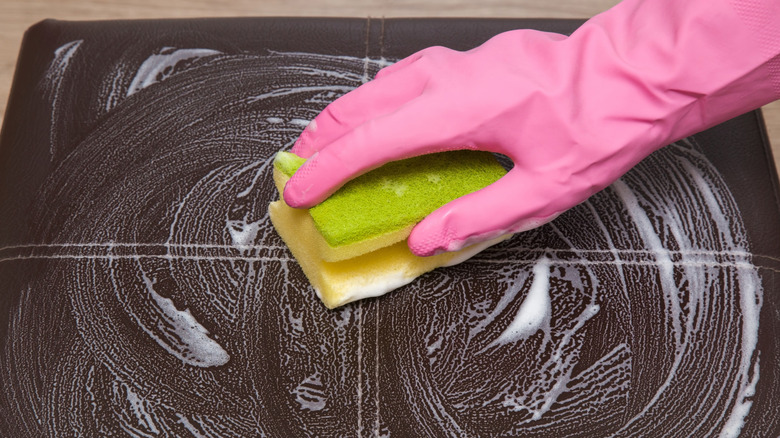
Preparing a dish soap and water solution to tackle old stains on upholstery is a popular cleaning hack. But never apply it to your leather furniture. Otherwise, it'll remove the natural emollients from the treated spot and leave it bare. And in the absence of a protective layer, the leather will get dry and start developing unsightly cracks. The same goes for your leather shoes, purses, and other accessories. To avoid this, stick to gentle cleansers designed for this material, like Leather Honey's Leather Cleaner.
Flat-painted walls
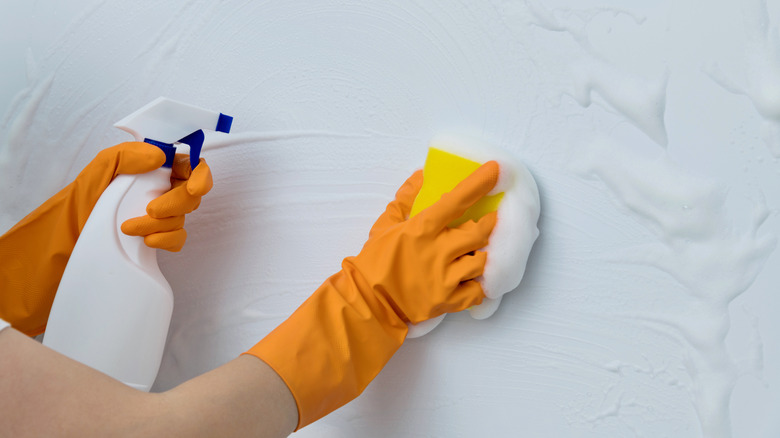
Seeing dirty finger or paw prints on your painted walls might motivate you to use dish soap to quickly scrub them away. But that'll be a mistake, as it will leave streaks on your flat-painted walls. In certain cases, it might remove the paint altogether, exposing the layer of primer (or old paint) beneath. An easier way to get rid of the dirt and marks marring your walls is to wipe it off with a damp microfiber cloth (dip it in distilled water to minimize streaks). Set-in stains will benefit from a dab of vinegar on the cloth.
Glass surfaces
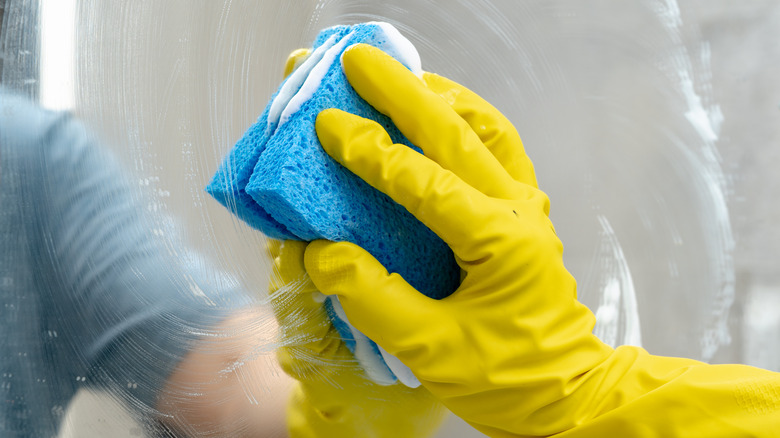
Cleaning glass surfaces, like window panes, mirrors, shower stalls, and French doors, with dish soap is akin to a double-edged sword. On one hand, it'll eliminate all the dirt, dust, and grime build-up. On the other, it'll leave behind a hazy film and streaks if you don't wash the surfaces well. Since you'll require a significant amount of water to rinse away all residue, it might not be the best idea, especially when cleaning a pane or mirror inside your home. As such, pour distilled white vinegar in a spray bottle to bring your glass surfaces to a shine.
Plants
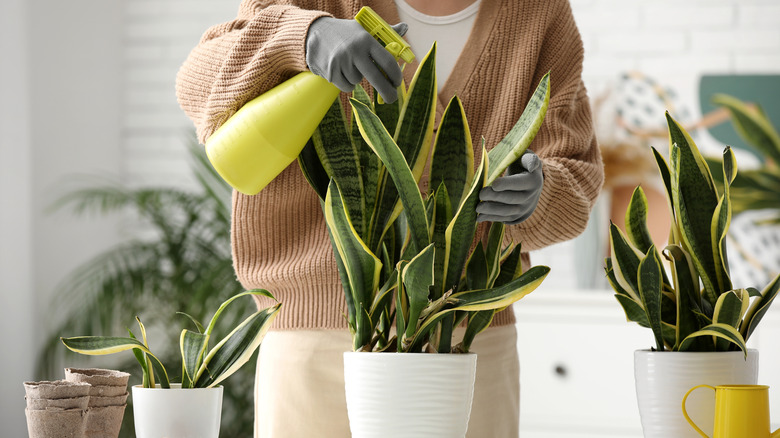
In case you don't have an insecticidal soap on hand and can't just ignore pests making a meal of your beloved plants, you might think of DIYing a soapy-water solution to get rid of the freeloaders. However, that can prove to be an expensive mistake since dish soap doesn't really eradicate these pesky pests. Worse, your plant might not be able to handle the chemicals well and might become susceptible to phytotoxicity. So, to avoid damaging your plants accidentally and get rid of the pests, always use true insecticidal soap, like the one from Bonide, per the manufacturer's instructions.