

Forget Traditional Asphalt Driveways: This Recycled Material Is Budget-Friendly & Durable
We may receive a commission on purchases made from links.
Installing a new driveway or replacing an existing one can be a significant upgrade to your home property. But one major aspect of a new driveway is its cost. The ubiquitous asphalt driveway is moderately priced within the world of traditional driveway material options, but it's not cheap. One alternative driveway material, reclaimed asphalt pavement (RAP), is a durable, less costly driveway option that is gaining popularity. It consists of ground asphalt that packs together tightly, creating a tough surface. It has pros and cons like any construction material, but one of its primary benefits, after its reduced cost, is a less damaging environmental profile, compared with new asphalt.
Why is RAP environmentally more friendly? The hot asphalt typically used on driveways is a manufactured product made from precise combinations of aggregate, mixed with bitumen. This process requires mining energy, disruption of natural resources, and additional energy in the form of heat to make and lay this type of asphalt. In contrast, RAP is recycled asphalt, ground into millings. Its manufacture has lower energy costs and no mining and site disruption. Its reuse also keeps the material out of the landfill.
Reclaimed asphalt pavement is significantly different from what most folks think of when they imagine an asphalt driveway, and far cheaper. The material cost itself is lower — $40 to $80 per ton for new asphalt, compared to $10 to $20 for RAP. One website, Asphalt Industrial, puts the installed square-foot price of RAP at 50 cents to $2, compared to $3 to $7 for new asphalt, while Crush Plant sets the respective prices at $2 to $5 versus $7 to $13. Either way, laying down RAP provides savings up front.
RAP Recycled Asphalt Driveways
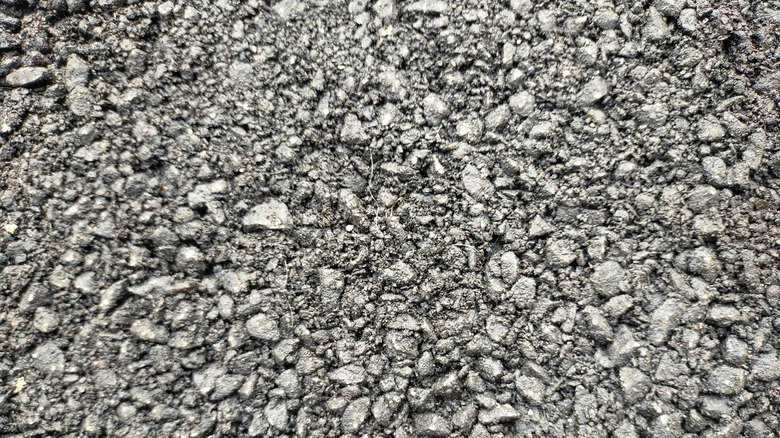
Think of a driveway made of RAP as similar to a gravel driveway, but rather than gravel aggregate, ground-up asphalt is used. These chunks of asphalt, called millings, are laid down in a thick layer and compressed to pack them together tightly. As with a gravel driveway, one critical component of a successful RAP installation is a properly prepared base. It must be smooth and packed tightly.
Once the asphalt millings have been installed properly, they stick together more tenaciously than gravel. The textured surface will hold up well (8 to 15 years), requiring some maintenance each year. A traditional asphalt driveway will hold up for 15 to 20 years but will cost up to 50% more to install. Fair warning, neither RAP nor traditional asphalt driveways are a good fit for a DIY project. Each requires large equipment and specialized skills and knowledge to properly install.
Upkeep for the first 12 months should include rolling or compacting twice during the hot months. You'll need to grade and fill any low spots (much as you would with a gravel driveway). Each spring, look for low spots and ruts to be filled. After a year, consider applying what is called a tack coat to aid compaction and reduce dust. This maintenance is important if you wish your driveway to last as long as possible. Like gravel, a driveway made of RAP has a textured surface rather than the smooth look of a freshly laid hot asphalt. Rarely, weeds might peek through, but if the base was laid down well, that will be very rare.