

10 Genius Ways To Repurpose Common Household Items To Make DIY Pavers
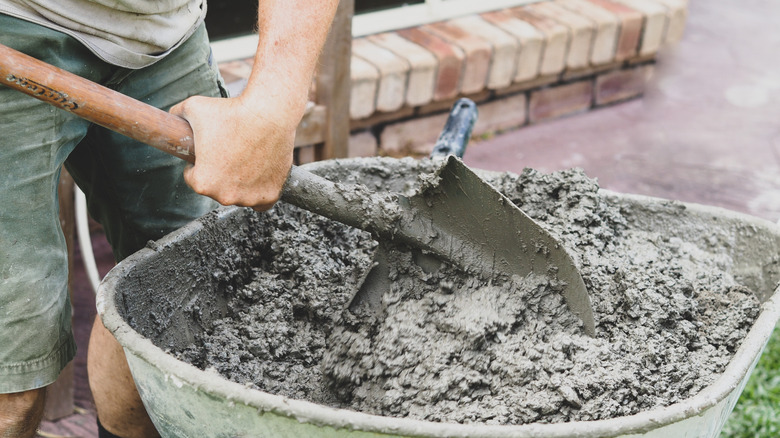
Making DIY pavers turns creating a walkway or renovating a patio from a pricey proposition into a more affordable landscaping project. Pavers are genius for outdoor spaces because they're a low-maintenance option. But depending on the size and material you choose, store-bought pavers can cost thousands to buy and install. Fortunately, whether you want large concrete pavers, small stepping stones, or something in between, it's surprisingly easy to make pavers yourself by repurposing common household items.
To DIY pavers, you'll need Quikcrete or similar fast-setting cement, a bucket or wheelbarrow for mixing, and protective gear to keep your eyes and lungs safe from harmful dust. However, one of the most crucial supplies you'll need to make pavers is a concrete mold. While you can find reusable ones on Amazon, they can add $25 to $50 (or more!) to the total project cost. There are some other downsides as well, since they tend to be more generic and you'll only be able to make one paver at a time.
Meanwhile, turning upcycled materials into pavers is a great choice if you're on a budget, love a crafty challenge, or want to create a totally unique look in your yard. From takeout containers to basic boxes, your imagination is the limit when it comes to household items that can be used as molds. Whether you choose one of our favorites or you're inspired by something else lying around your house, the key is choosing items with smooth sides that will release your paver cleanly. There are also specialty concrete casting release agent products that can help, but cooking sprays or dish soap are more affordable alternatives.
Pieces of scrap wood allow for custom sizes
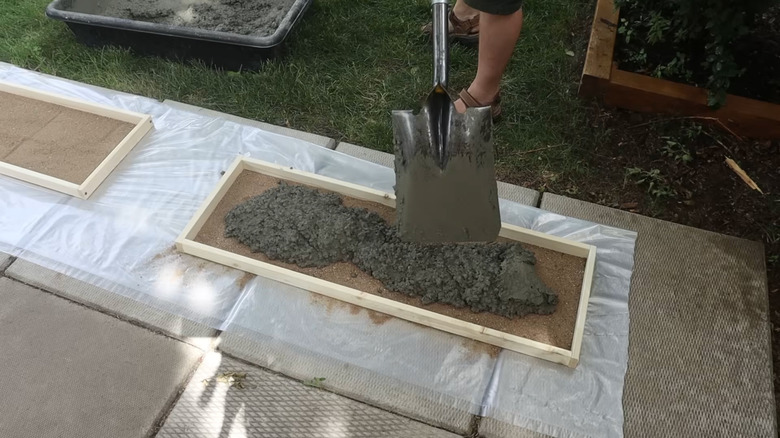
Repurposing scrap wood is an affordable way to mold square or rectangular pavers. Measure each length carefully and screw the pieces together to create your desired size. Add additional sections to create a grid if you want to make multiple pavers at once. Cheap drawer handles attached to either side will help you lift the mold off your cured concrete. To add texture, lay your mold on some bubble wrap before filling it with the concrete mix. For more stability, add a piece of steel wire mesh inside the wet concrete.
Vinyl blind strips can create organic shapes
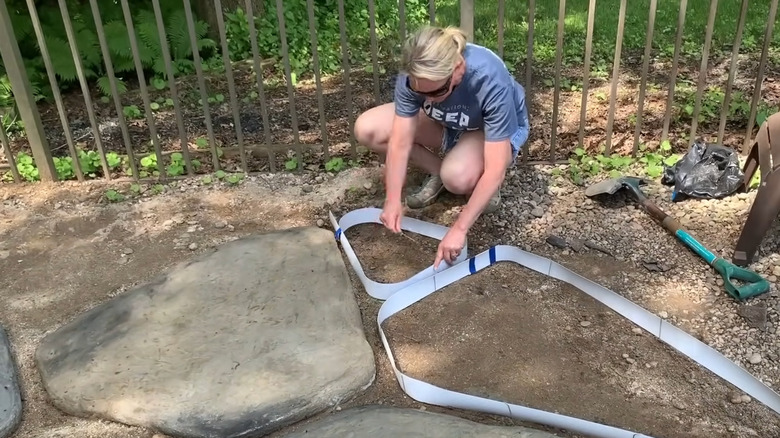
Did you recently say farewell to flimsy vertical blinds? If you haven't thrown them away, the long flexible pieces are perfect for creating DIY pavers. Natural stone pavers are attractive, but they're also expensive and difficult to move. Instead, cast irregularly-shaped ones in place using vertical vinyl blinds. Use painters tape to connect the ends in any size and shape you prefer and secure them using cheap garden stakes. Achieve a more realistic stone look by adding concrete colorant and using crumpled garbage bags to stamp texture onto the mix before it cures.
Ziploc bags for a cobblestone look
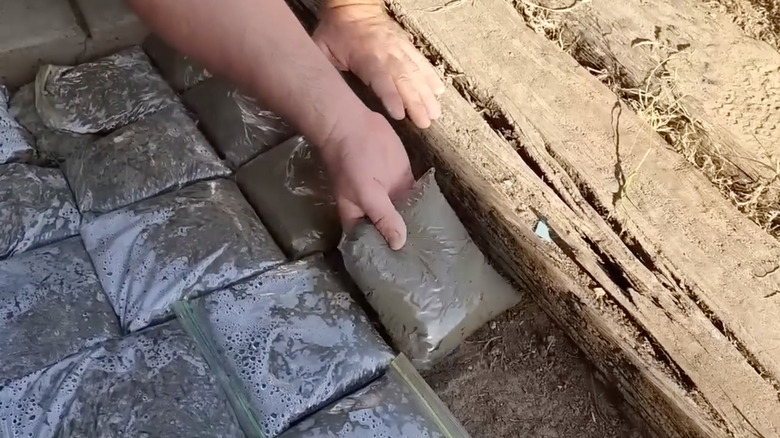
If you're obsessed with English country gardens, you can use plastic bags to create a budget-friendly cobblestone path. Starting with a level base, fill Ziploc bags in the size of your choice with concrete, rounding each one before folding the seam underneath and laying it in place. Continue the process until the area cleared for your path, patio, or (if you're feeling ambitious) your driveway is covered. Once they've cured, use a small blowtorch to melt the plastic bags away. Then, sweep sand over the cobblestones to fill in any gaps.
Cardboard boxes are simple, low-cost molds
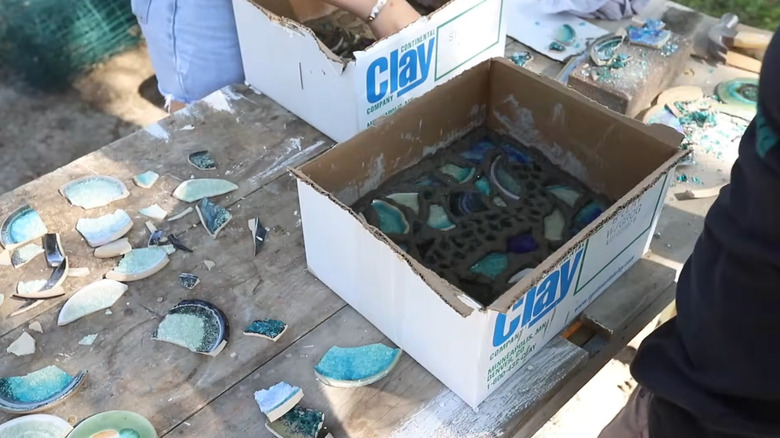
When it comes to repurposing common household items to make pavers, few ideas could be easier or cheaper than using a plain cardboard box. Any shape or size will do, as long as you cover the inside with clear packing tape so your concrete mixture releases once it has cured. After you've filled your box with a few inches of concrete mix, drop it gently against a flat surface to release any air pockets. Instead of just smoothing the surface, consider adding shards of broken pottery or floral gemstones for a mosaic effect.
Snack trays can create floral-shaped pavers
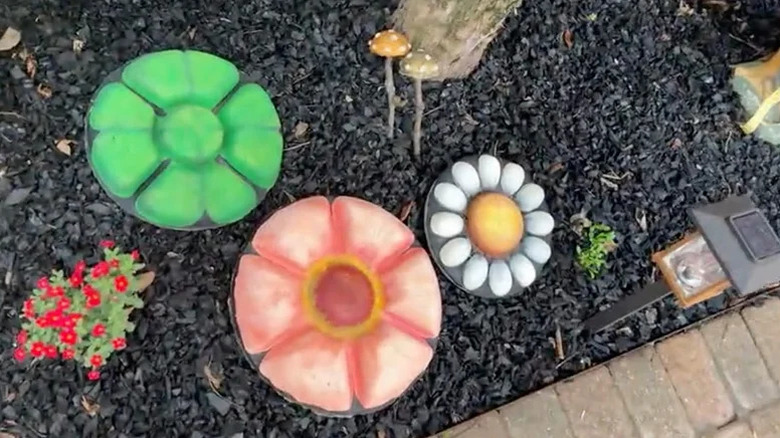
One of the best things about making your own pavers is the ability to create totally one-of-a-kind designs. That's exactly what happens when you repurpose a plastic snack tray to make a floral paver on a budget. Dollar store chip-and-dip trays are perfectly divided to create petal shapes around a central pistil. Although you can use outdoor acrylic paint to add a little color, it may fade over time. Instead, try adding liquid or powder concrete colorant or placing a few floral gemstones in the bottom before adding your mix.
Aluminum tins are a simple way to make small circles
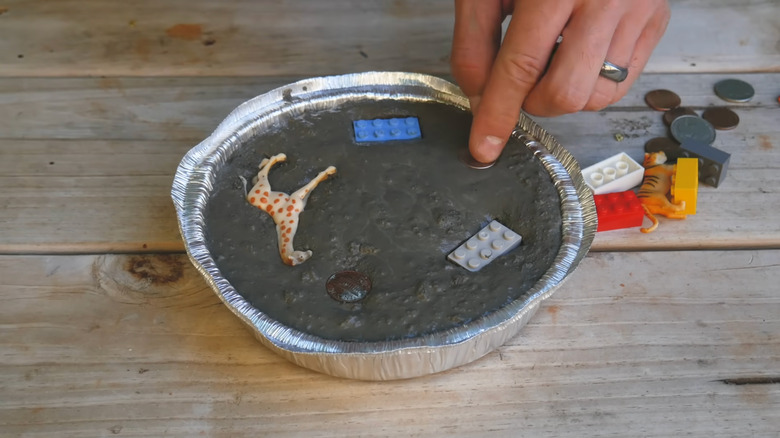
If you're looking for a great way to make DIY pavers with kids, try repurposing a few aluminum takeout tins. Because they're highly textured on the sides, liberally coat the inside with cooking spray before adding your concrete mixture. After smoothing out the surface, encourage playful experimentation to decorate the top. Small plastic dinosaurs, Legos, or other long-forgotten toys can be incorporated to create whimsical decorative pavers that look adorable in a flower bed. For a more elegant look, consider using carefully arranged pennies and nickels or mosaic tiles.
Egg cartons create textural pavers
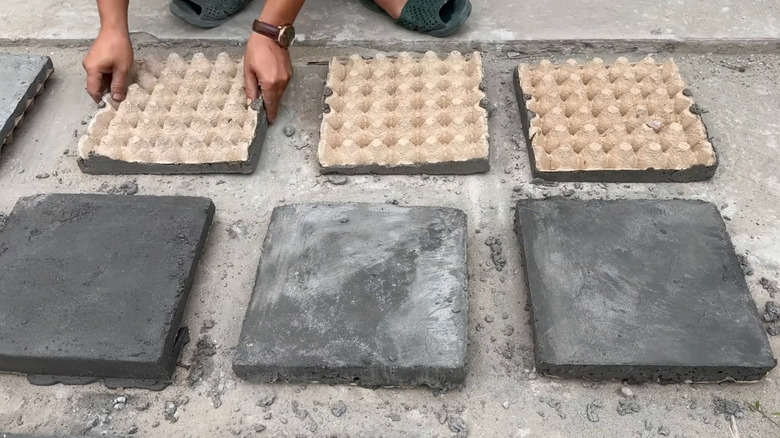
When you're feeding a large family and buying eggs in bulk, you may find yourself with dozens of square cardboard cartons stacked up in a garage or shed. Repurposing them to make DIY pavers is a little bit involved, since you'll need to use scrap wood to create supportive frames that surround the cartons on each side. However, once this prep work is done, creating highly textured pavers is as simple as pouring each frame full of concrete, waiting for it to cure, then using a high-powered hose to moisten the cartons until they're easy to remove.
Plastic buckets make for simple molds
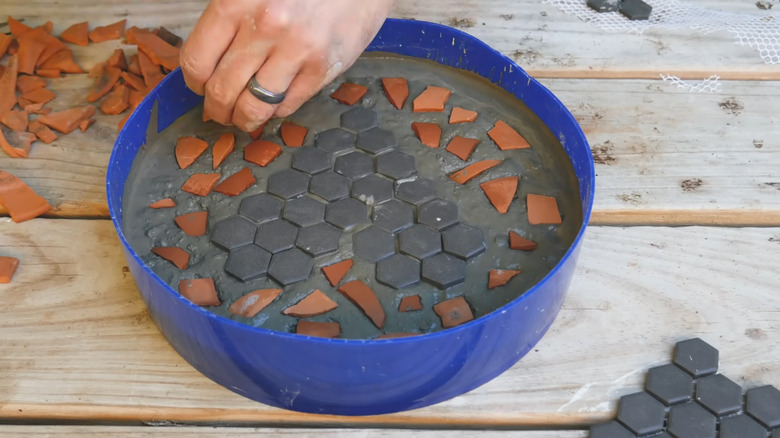
A basic plastic bucket is another common household item you can repurpose for a family-friendly DIY paver project. An adult should carefully cut around the bottom of an inexpensive plastic bucket using a sharp utility knife. After discarding the rest of the bucket, fill the bottom with a thick concrete mix. Broken terracotta pots add texture, but to make the simple circular pavers really sparkle, press pieces of colorful fire glass into the top layer. Or, once it's cured slightly, you could create hand or paw prints (remembering to quickly wash off any residue!)
Plant saucers are low-cost paver molds
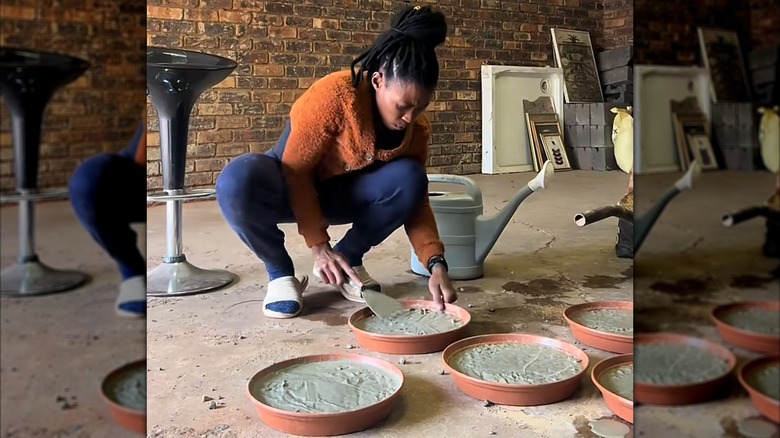
Plant parents know that cheap plastic saucers are unsung heroes when it comes to keeping houseplants hydrated without water leaking everywhere. But they're also a terrifically inexpensive way to make several round pavers at once. Saucers that are completely smooth will create a sleek look, but if you plan to use yours in an area that's frequently wet, a grooved bottom can help create more traction on the top of your paver. If you experience frequent freeze-thaw cycles, consider adding fiberglass casting fibers to your concrete mix for added strength and durability.
Boot trays can create detailed pavers
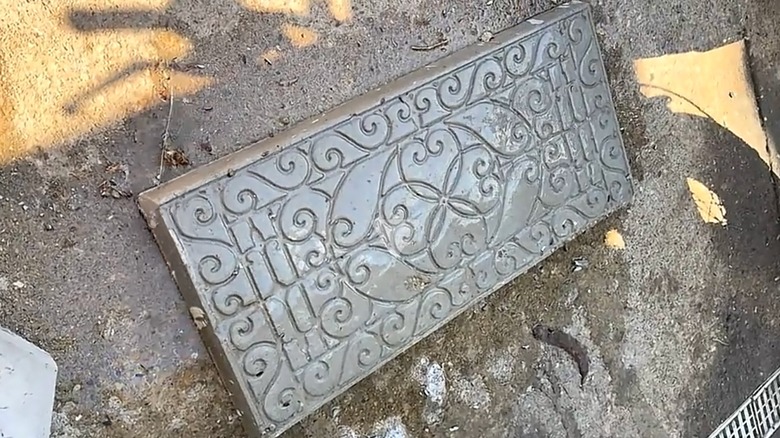
Highly decorative scrollwork can be difficult to achieve if you try to freehand patterns in wet concrete. A decorative plastic boot tray is an excellent alternative. To achieve a perfect pattern, you must coat every nook and cranny liberally with oil or another concrete-releasing agent. Your concrete mixture should be well mixed with plenty of water to avoid lumpy spots instead of delicate filigree. The addition of steel mesh or chicken wire is necessary to protect against cracking. And remember to shimmy and vibrate your boot tray once full to achieve the best DIY paver results.