

Porcelain Vs. Quartz Countertops: Which Costs Less?
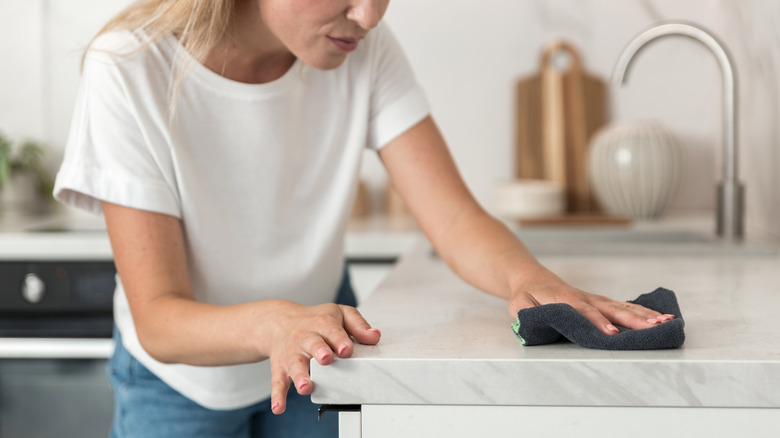
Deciding on a new countertop material when remodeling your kitchen can be tough. It often comes down to two major factors: durability and cost. Porcelain and quartz are two popular surfaces because they do a great job of balancing these things. They're both reliable in the long term, and they fall into the middle ground as far as installation costs. But which one is going to cost you less? The answer to this question varies, and often comes down to small details associated with installation, design, and the manufacturer. If you're looking purely at the price of materials, though, porcelain is usually the winner. Both surfaces can come with additional costs, however, and sometimes, these will be higher when you're working with porcelain.
According to HomeGuide, quartz typically costs between $30 and $100 per square foot for the materials, while porcelain usually runs between $25 and $80 instead. These are fairly wide ranges, however, and unfortunately, the costs associated with installation can also vary in a similar manner. The price of installing quartz is typically between $20 and $50 per square foot, and the cost of installing porcelain can be anywhere from $15 to $40 per square foot. Fabrication of porcelain, however, usually requires more expertise. The size of the slab and the type of finish can also bring the price tag up significantly, and sometimes, the end result will be that porcelain costs just as much as quartz. Don't forget that there are plenty of worthwhile countertop upgrades that should also be included in your budget.
Other factors influencing the cost of porcelain and quartz countertops
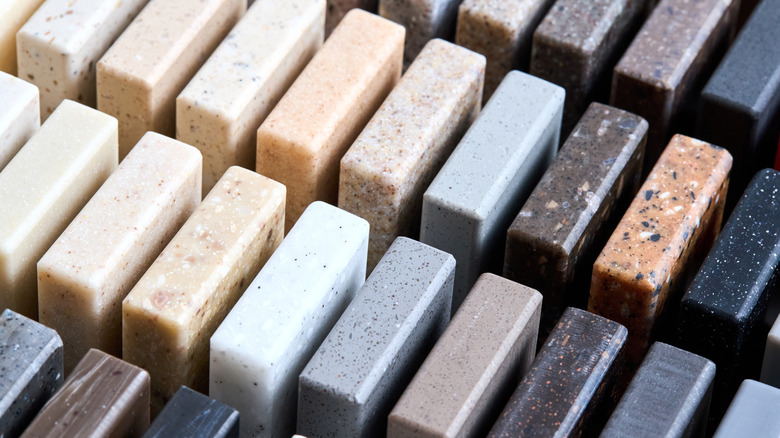
The costs of porcelain and quartz surfaces can vary in part because of the thicknesses of the two materials. Porcelain tends to be thinner, and though this makes it lighter, it also means that it's more fragile during fabrication and installation. As a result, spending more to hire specific expertise can be important for getting the job done right. The thinner nature of porcelain can also limit the kinds of edge profiles you can apply to it. Basic designs, like mitered or beveled edges, may be your only choices. But the fact that quartz can have more detailed options actually means that it has the potential to be more expensive. When selecting edge profiles, make sure you're steering clear of countertop styles that can tank your home's resale value.
Porcelain and quartz countertops are both highly durable engineered surfaces, but their long-term value will vary depending on where you install them and how you use them. Quartz, for example, will often fade from prolonged exposure to UV light. So in sunlit areas, it may need replacing sooner, which means less bang for your buck. Porcelain countertops, meanwhile, are more likely to chip from a hard impact, and can be more difficult to repair. Quartz is also less heat resistant, and can be damaged by hot pans over time. It's worth noting, however, that both quartz and porcelain surfaces have a high level of scratch resistance, don't require buying or applying sealant, and are both timeless kitchen countertop options that can make it easier to sell your home.