

The 5 Best Ways To Cover Windows That Aren't Curtains And Blinds
We may receive a commission on purchases made from links.
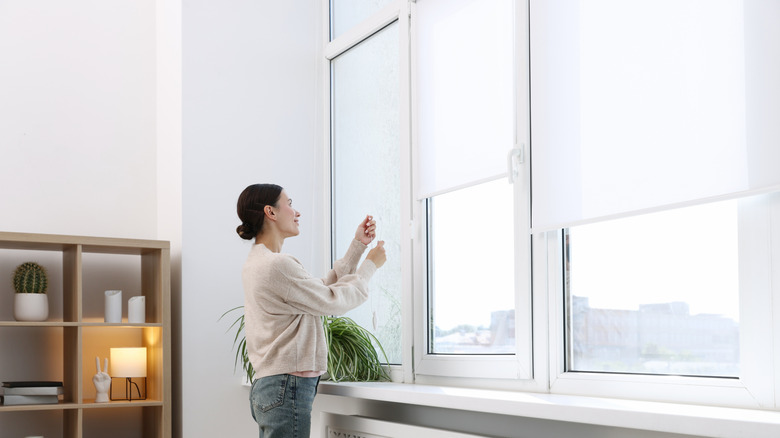
You may have chosen your home for its natural light that streams in through the windows on a sunny day, but it's possible to have too much of a good thing. There may be times when you want to take the sunlight down a notch or two, or maybe you're concerned about privacy and would rather not look out your windows and see others looking in. Those are just two reasons window coverings, such as curtains and blinds, exist. They let you control the levels of light inside and give you a bit of privacy.
These days, though, there's no need for curtains anymore. You have plenty of other options, which may better suit your taste and style and be easier to clean and care for. Rather than having to wrestle with cleaning curtains, vacuuming heavy drapes, or constantly dusting horizontal blinds, consider installing interior shutters, attaching decorative privacy film to the glass, or using objects to dress up your windows. These options let you filter light, provide privacy, and may help reduce your energy bills.
Shutters are versatile
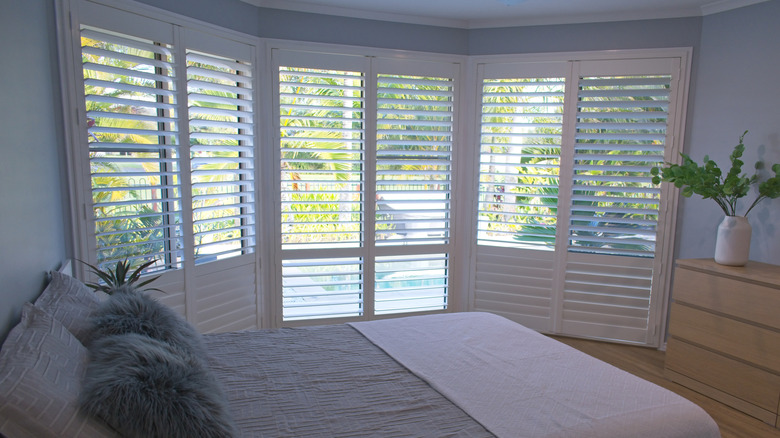
Made from a hard material, such as wood, shutters help block light and give you privacy. Multiple types exist, including interior and exterior styles, louvered shutters, and solid shutters. If you choose a shutter style with slats that you can open and close, you can adjust the angle of the slats so that you can see outside, but nosy neighbors can't see inside.
One great thing about solid wood shutters is that they effectively block out the light without the need for bulky blackout blinds or curtains. They're also easy to coordinate with the rest of your room's decor. Paint them the same color as the trim, or use a contrasting color to draw attention to the shutters and the window area.
Shutters come in handy on the outside of your home. While it's common to see non-functional shutters on a home's exterior, ones you can open and close really make a difference in your home's energy use and comfort. On a hot, sunny day, close the exterior shutters to minimize heat gain and keep your home a little bit cooler without taxing the air conditioner.
Plants add some life
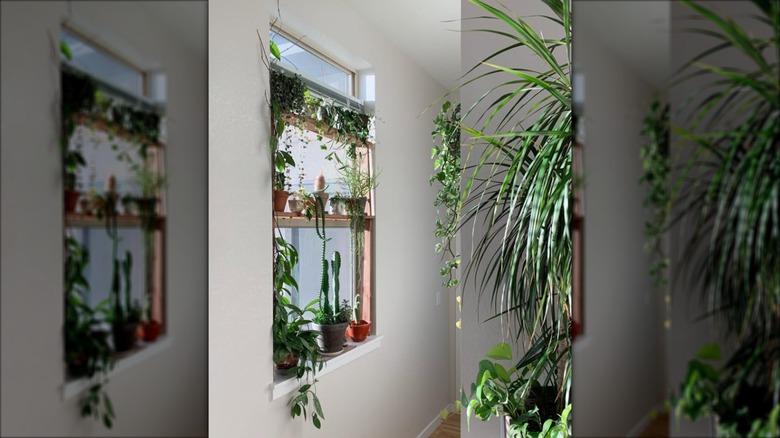
Why limit yourself to a windowsill full of plants when you can create an entire window covering out of your plant friends? Create window plant shelves by attaching a shelf with brackets across the middle of the window and along the windowsill. While you can use shelves made from wood or another opaque material, to maximize the light in the room, look for shelves made from glass.
Choose your plants based on the amount of light the window receives. Choose sun-loving plants for a window that faces west, for example. If there are tall buildings or other features that limit the light that streams in, opt for plants that do well with less light. Since your plants are in the windows, keep in mind that they're a little closer to the elements than if you placed them deeper inside your home. In the summer, pay attention to the soil, and make sure they're getting enough water. You may need to pull them back from the window if the sun is too bright. During the winter, mist them with water, especially if it's dry in your home.
Stained glass adds plenty of color

Stained glass — it's not just for churches and castles. It's an ideal way to add some color to your windows without the bulk of curtains or blinds. Depending on the pattern and style you choose, it can work perfectly in kitchen windows or add privacy to a bathroom window.
You can spend a pretty penny on a stained glass panel created by an artisan, but more affordable options exist, too. One option is to DIY your stained glass using glass paint and adhesive lead lines, such as Delta Creative Gallery Glass Instant Lead Lines. Create a design or picture on a piece of glass, such as the inside of a picture frame, then hang it from your window. Alternatively, choose stained glass window film, such as Haton Window Privacy Film Stained Glass Film, which uses static electricity to stick to the glass. It may be the perfect option if you're renting and need to remove any decoration when you move.
Reeded glass is a stylistic throwback
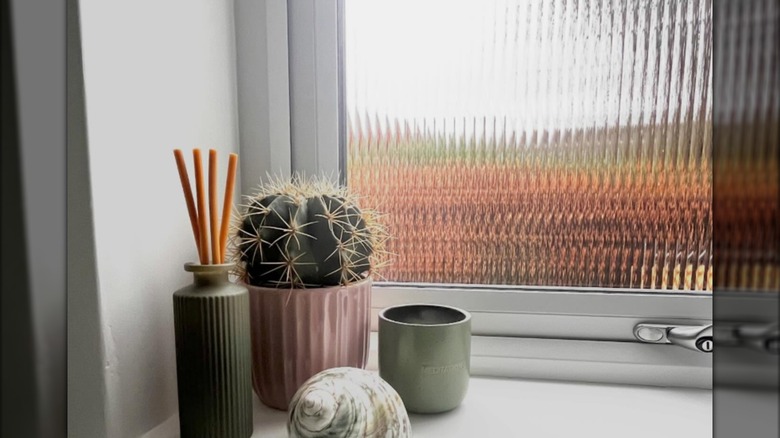
Here's a Joanna Gaines-approved way to cover a window, adding both privacy and style. Reeded glass, sometimes called fluted glass, has vertical, textured lines all over its surface. The texture makes it difficult for people to see inside the window, but light can still filter through, making it an ideal pick for a bathroom window or anywhere you want light and privacy and don't want to deal with the bulk of curtains or blinds.
Reeded glass dates to the 19th century and had its heyday in the early 20th century as part of the Art Deco style, and then again in the middle of the 20th century as part of mid-century modern. While real reeded glass is made by pressing patterns into glass during the manufacturing process, a renter-friendly option is to cover a standard glass window with reeded glass film, such as Velimax Reeded Glass Window Film. The film sticks to glass through static cling, making it easy to remove when you need to, and is available in a wide range of sizes that can be cut to fit your window
Display shelves are perfect for extra storage
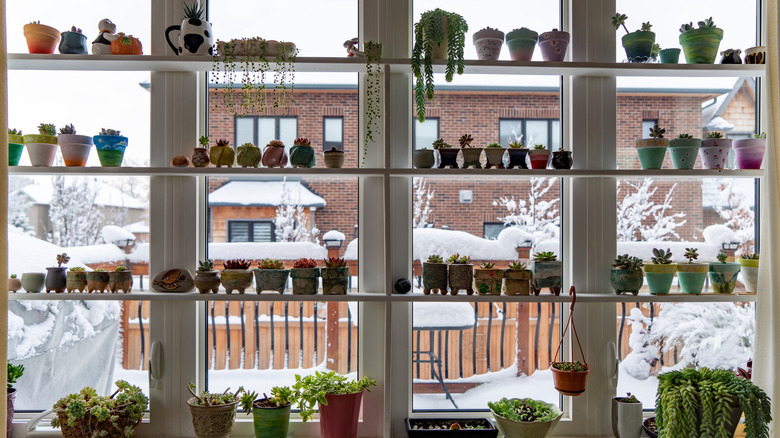
Running low on storage space in your home? Your windows may be a missed opportunity. Hanging shelves across the windows does double duty. It acts as a window treatment, replacing blinds or curtains, and it gives you space to stash your stuff, be it books, trinkets, or a glassware collection. HGTV star Erin Napier installed glass shelves in her kitchen window and used them as a spot to stash fresh produce, such as tomatoes and okra.
Depending on what you put on the shelves, the display can either block out or filter light. Light streams through transparent glassware, for example, but a shelf full of books blocks some light. Keep in mind that some objects may fade over time when placed in the window, especially if there's direct sunlight. While tchotchkes you pick up for a few dollars at the thrift store may be perfect for a window shelf, skip putting any family heirlooms or prized possessions in there.
You have lots of options for the type of shelves you use. Clear glass or acrylic shelves let more light in while wood or metal shelves block it somewhat. The shelves can stretch across the window frame or extend beyond it, resting on brackets you mount just outside the frame. Depending on the height and size of your window, you may be able to place a tall, open framed bookshelf just in front of it.