

What Is The Average Lifespan Of A Gas-Powered Lawn Mower?
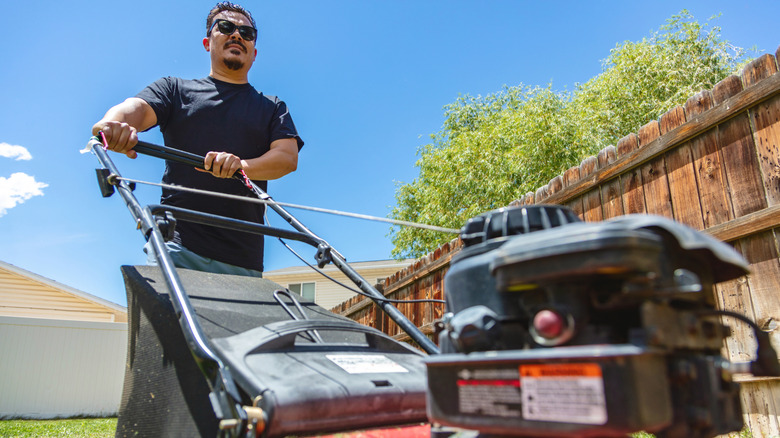
When it comes to gas vs electric lawn mowers, gas mowers tend to perform better in terms of torque, longer periods between refueling, power, and longevity. A battery-powered lawn mower only has a 5- to 7-year lifespan, which is a decent amount of time but not nearly as long as the average lifespan of a gas-powered mower.
Taking maintenance into account, a gas-powered lawn mower can last 10 years or more, even up to 20 years. The chief reason for this is that you can actually work to maintain your mower. Perhaps the biggest downside of a battery-powered electric mower is that once the lithium ion battery dies, the mower essentially dies. You can always purchase a new battery, but these can be expensive depending on the type and size of the mower. A new battery for any Ego mower, for example, runs about $600.
Beyond gas vs electric, it is reasonable to wonder if there are lifespan differences between gas-powered push and rider mowers. The answer depends mainly on whether you've got the right mower for your yard. If you have a large yard, say an acre or more, you're going to want a rider mower because they are built for tackling larger areas. If you use a push mower for a large space, it will likely work harder and potentially wear out faster. However, based on general, appropriate use, rider mowers have a slightly shorter lifespan of 6 to 10 years. They too can potentially be extended for a longer life with proper maintenance.
Maintenance tips to get the most out of your gas mower
One of the best ways to ensure that your gas-powered lawn mower will last 10 years or more is to start with a quality brand. There are many unreliable lawn mower brands to avoid, such as Club Cadet or Craftsman, because reviewers say they no longer produce machines that will stand the test of time. Look instead for trusted brands like Kubota and John Deere, whose X354 was named by Consumer Reports as one of the top riding lawn mowers of 2026.
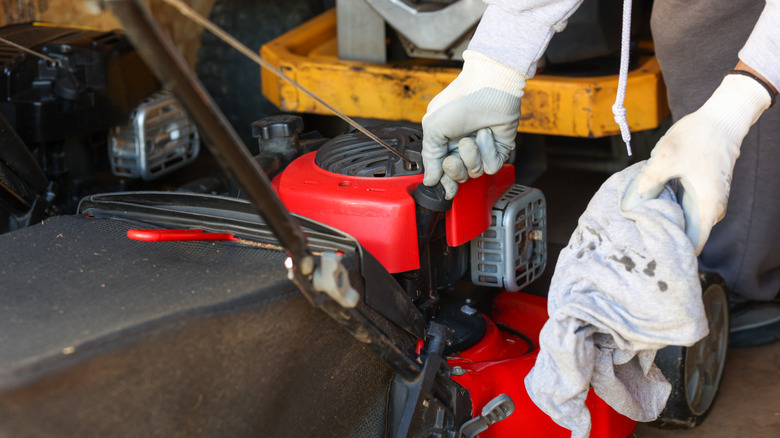
After you purchase your mower, you need to make sure you are keeping up with regular maintenance. Annual oil changes, replacing spark plugs, swapping out air filters, adding stabilizer to the fuel, cleaning the mower, and sharpening and balancing the blades are all tasks you should be periodically performing on your mower to get the most out of it.
Fogging the engine is another important maintenance task to perform before winter. This involves using a special fogging oil that helps prevent damaging moisture buildup and rust in important areas of the engine during long-term storage. Rust and leaks are killers of lawn mower longevity, so it is important to mitigate their potential if you want a long-lived rig.