

How To Repel Flies Using A Fragrant Flowering Perennial They Can't Stand
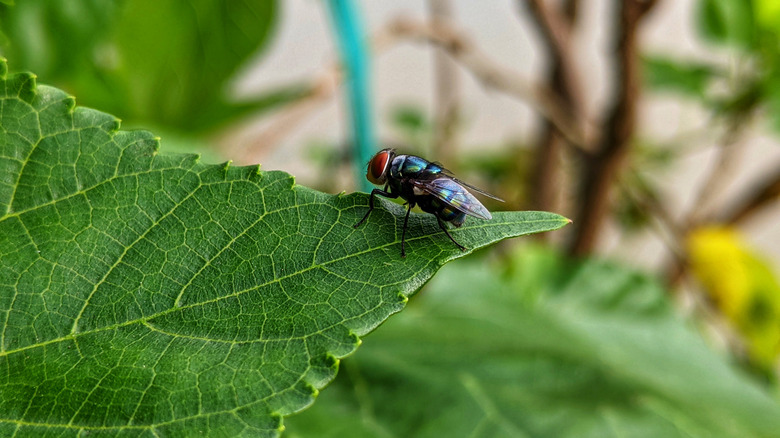
Flies can be a nuisance both inside the house and out in the garden. Besides being exceptionally annoying with their consistent buzzing, flies have even been known to spread diseases through biting. While there are plenty of commercial and DIY bug repellents you could use to keep flies away, you might be better off using catnip (Nepeta cataria), which is a fragrant, flowering perennial that flies just can't stand.
While there are many flowers and herbs that can help keep pests out of the garden, catnip is unique in the fact that there is scientific data that backs up its claims to being an excellent fly repellent. According to studies published in the National Library of Medicine and Current Biology, there is a naturally occurring chemical present in catnip called nepetalactone that gives the plant its distinctive, minty scent and also repels numerous insects such as flies and mosquitoes. It's also what makes your cats go crazy when they chew on it.
The efficacy of nepetalactone was tested by monitoring fruit flies and mosquitoes. Both were far less likely to lay eggs near catnip or bite skin that had been coated with catnip. The studies also indicated that catnip may be as effective as DEET, which is a common chemical found in commercial repellents like Ben's 30 Wipes, which Consumer Reports ranked as the top tick repellent of 2026.
Ways to use catnip to repel flies
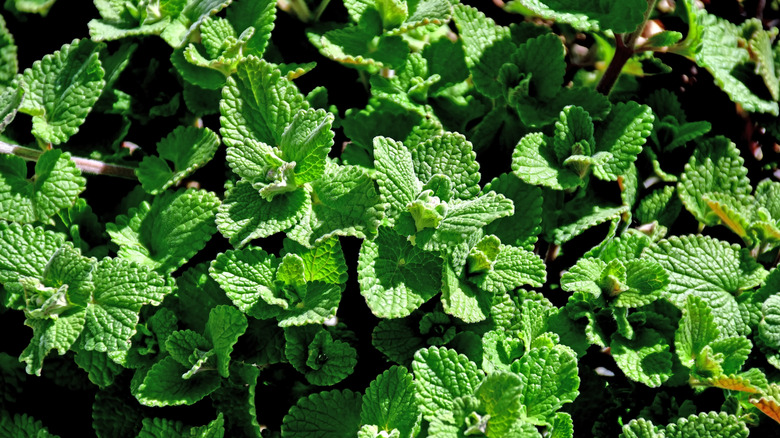
While the studies have shown it to be effective, the question remains: How do you actually use catnip to repel flies? First, you can use it the way you would with other plants that help keep flies out, and just plant it. Catnip is a perennial that is hardy between USDA hardiness zones 3 through 9, meaning it can tolerate colder and warmer temperatures. It is good at repelling flies spatially because the nepetalactone scent is strong enough from the plant to keep them away.
One thing that needs to be noted before you try to plant catnip is that it is an aggressive grower. It will spread quickly through a garden bed and can choke out other plants. So, unless you have a bed specifically set aside for growing catnip, it'd be better to plant it in a container. That way, you can have it growing in your kitchen, which will help keep the flies out of there as well.
Another way you can use catnip as a fly repellent is to use it topically. You can boil the leaves in water, then strain the mixture into a spray bottle and use it on furniture and even your skin. The catnip essential oil can be used as a topical ointment as well, though this will need to be purchased separately because most don't have the tools needed to extract the oil from the plant.