

10 Herbs And Veggies You Should Avoid Growing Next To Rosemary In The Garden
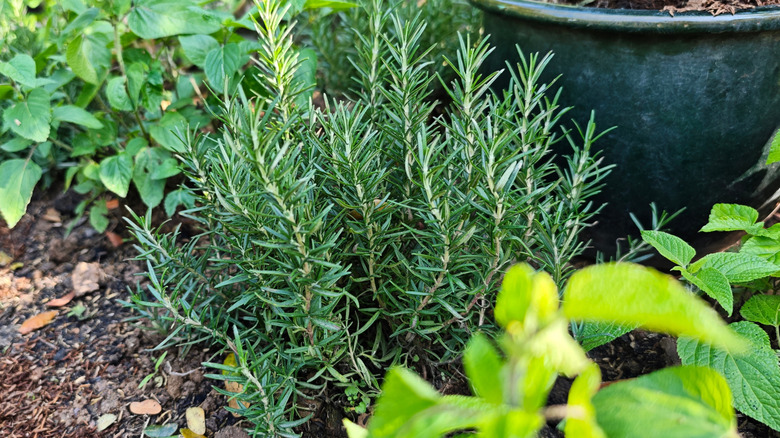
Rosemary (Salvia rosmarinus) can be a great addition to your garden for a variety of reasons. Growing rosemary is relatively easy. Additionally, it attracts pollinators, repels harmful insects, can be used in a variety of recipes, and is thought to have a number of health benefits. Rosemary can also be a great companion plant for various herbs and vegetables. However, there are a number of plants, ranging from mint to tomatoes, that you should not grow near rosemary in your garden.
The reasons for avoiding growing these herbs and veggies next to rosemary vary from the amount of water they require to the nutrients they need. This makes more sense when you understand the conditions that are best to grow rosemary. Since it hails from the Mediterranean region, it thrives in soil that is relatively dry and well-draining. Otherwise, it is quite susceptible to root rot. Therefore, plants that require a good deal of water should not be planted near rosemary.
Ditto for nutrients. Rosemary performs best in relatively low-nutrient soil with a slightly alkaline pH. This means it rarely, if ever, needs fertilization or soil amendments. However, it also means plants that require high nutrients, different pH, or work to enrich the soil should not be planted near rosemary.
Mint
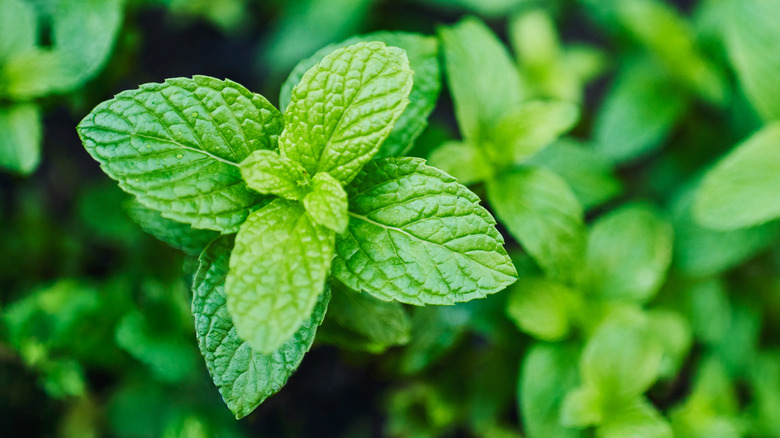
If you are wanting to grow mint (Mentha) in your garden, don't do it near rosemary! There are actually a couple different reasons why mint and rosemary are not compatible. For one, mint grows much faster, spreads rapidly, and can quickly take over the entire area. Mint also needs much moister soil than rosemary does. This makes it quite impractical, if not impossible, to grow them near each other while maintaining the proper moisture level for each.
Basil
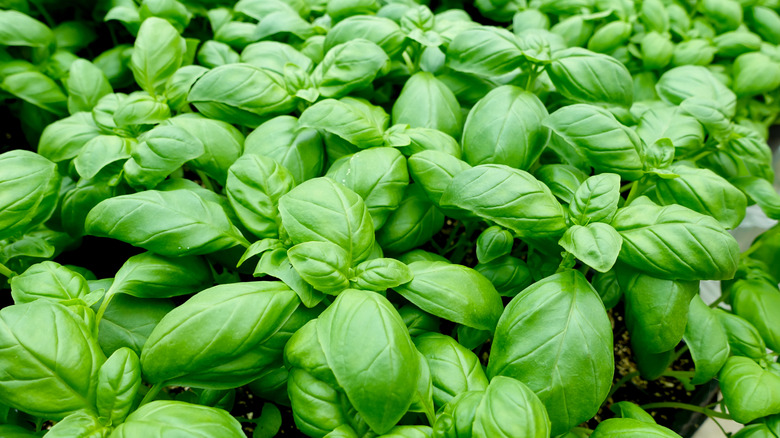
Basil (Ocimum basilicum) is a good companion plant for several herbs and vegetables. Rosemary is not one of them. While they are both herbs and have a shared need for sunlight, they require much different moisture levels. As a result, growing them together is detrimental to one or the other — or both. In order to keep basil healthy and thriving, you will need to water frequently. This can drown out dry-soil-loving rosemary. Conversely, if you maintain a light weekly watering schedule for rosemary, your basil will likely wither away.
Pumpkins
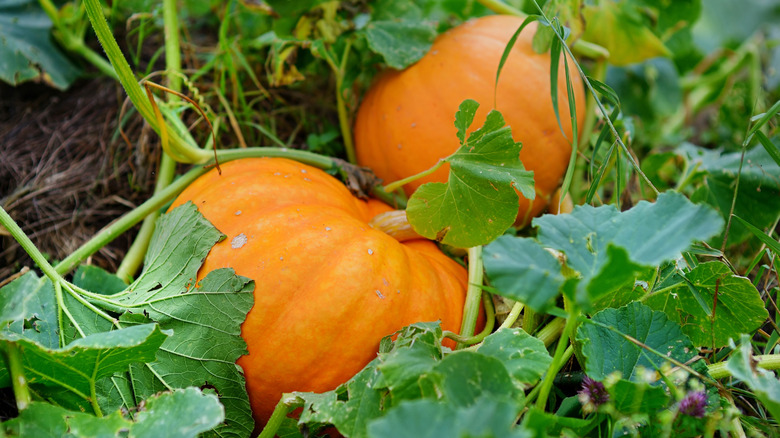
When learning how to grow pumpkins (Cucurbita pepo), you will quickly discover they do best in soil that is both well-watered and nutrient-rich. This is the opposite of the conditions rosemary requires. Rosemary grown in the moist conditions required by pumpkins can fall victim to powdery mildew or succumb to root rot quite easily. Additionally, the sprawling vines of pumpkins can quickly overcome rosemary plants in your garden.
Cucumbers
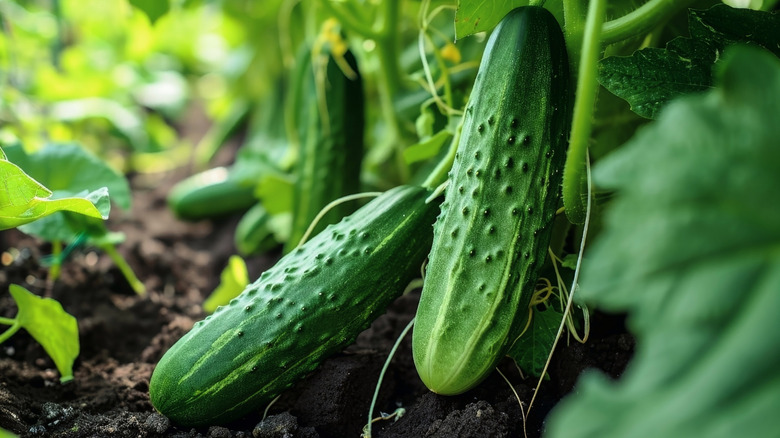
Another popular garden vegetable that grows on sprawling vines is the cucumber (Cucumis sativus). Like pumpkins, cucumbers need fertile soil that is kept moist with frequent waterings. The differing moisture level needs alone make growing cucumbers near rosemary a bad idea. However, because cucumbers both consist of and require so much water, they tend to raise the humidity in the garden, literally dampening the arid air preferred by rosemary. Cucumbers' craving for nitrogen is yet another issue for rosemary, which doesn't fare well in nitrogen-rich soil. That's not to mention the smothering and choking vines.
Tomatoes
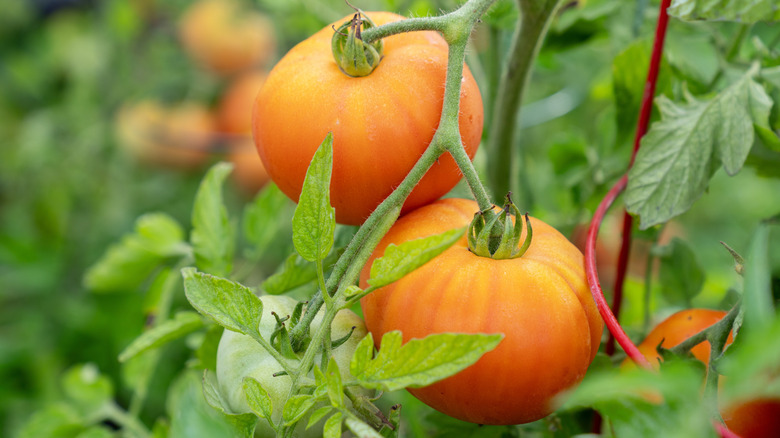
At first glance, it may seem like a good idea to grow tomatoes (Solanum lycopersicum) with rosemary. After all, they both like a lot of sunshine and slightly acidic soil. However, tomatoes also need a lot of nutrients and water. As a result, rosemary falls in the category of plants you should never grow with tomatoes. Doing so means at least one of the two will suffer. In the dry, nutrient-poor soil preferred by rosemary, tomatoes will wither and have nutritional deficiencies. On the other hand, in good tomato-growing conditions, rosemary will likely suffer root rot.
Fennel
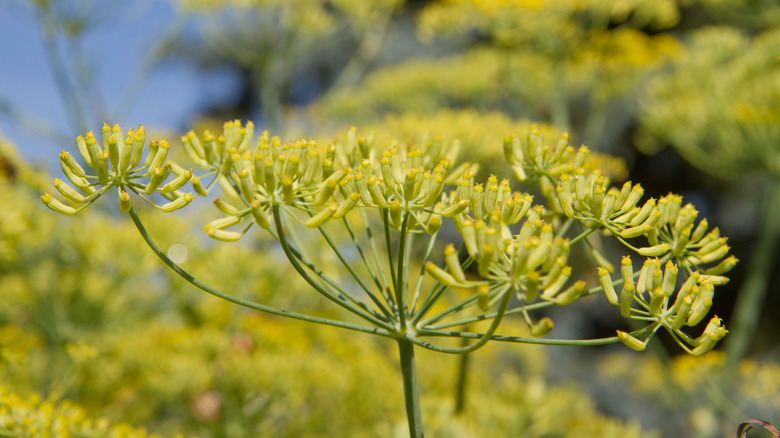
Another plant to avoid growing near rosemary is fennel (Foeniculum vulgare). Actually, growing fennel is not a particularly good idea near any plants, as it is allelopathic and injects growth-inhibiting chemicals into the soil. As a result, many nearby plants, including rosemary, can become stunted or even die. Additionally, fennel is known to attract a variety of harmful pests, including spider mites and aphids.
Potatoes
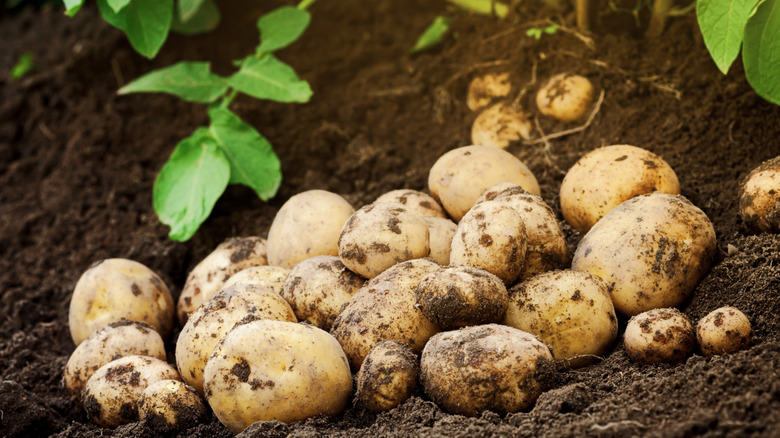
When it comes to potatoes (Solanum tuberosum), rosemary is considered an ideal companion for preparing various dishes after they are harvested. While growing in the garden, however, not so much. For one, potatoes and rosemary have differing moisture and nutrient needs. Additionally, potato plants can deprive rosemary of much-needed sunlight and stunt its growth. As a result, it's best to only combine potatoes and rosemary in the kitchen.
Squash
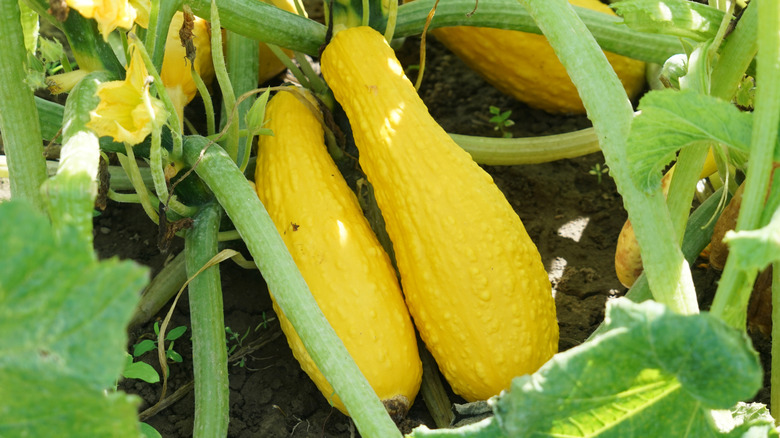
Planting squash (Cucurbita) of any variety next to rosemary is another no-no. Given they are in the same family as pumpkins, it comes as no surprise that squash and rosemary are incompatible. This is primarily due to their differing moisture and nutrient needs. Specifically, squash require frequent, deep watering in order to maintain a high amount of moisture in the soil, whereas rosemary thrives in dry conditions and is susceptible to root rot in moist soil.
Cilantro
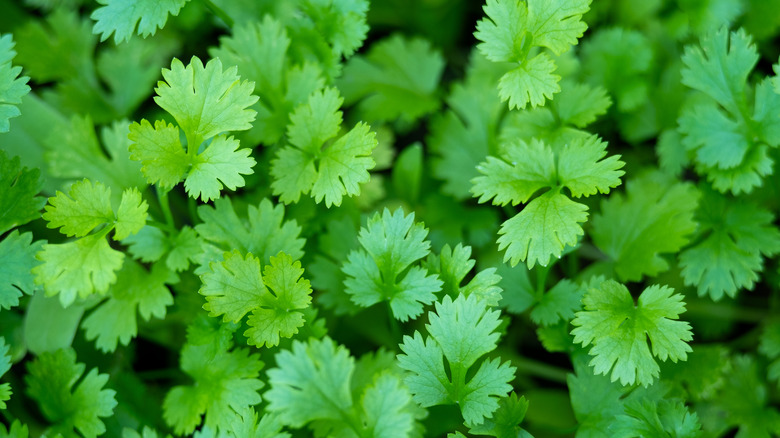
Rosemary and cilantro (Coriandrum sativum) are both often used in the kitchen, but rarely paired together in recipes. It is a good idea to keep them separate in the garden as well. This is largely due to the fact that, while they are both herbs, they have drastically different watering requirements. Whereas rosemary relishes in hot, dry conditions, cilantro requires frequent watering — especially when the temperatures rise.
Cabbage
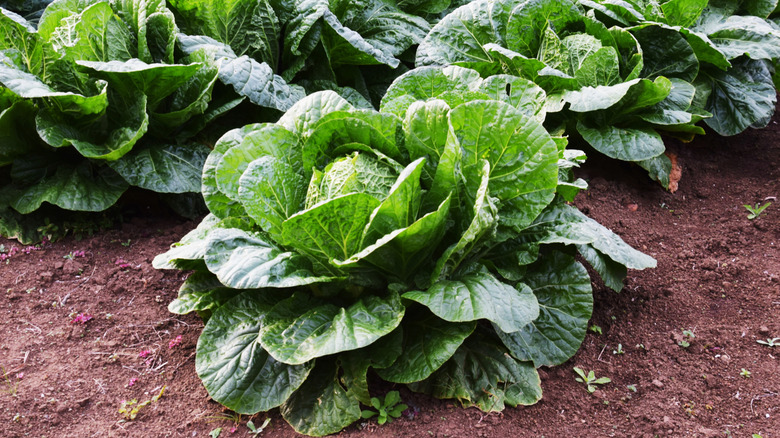
Cabbage (Brassica oleracea) is an interesting case. Some classify it as a good companion for rosemary, as rosemary can repel cabbage moths. However, that is more of a benefit for cabbage than rosemary. Looking at it from the opposite point of view, growing cabbage takes a lot of water — at least a couple of inches per week to maintain soil moisture. Drip irrigation and mulch are also often utilized. This amount of moisture can have a detrimental effect on rosemary, as can the cooler temperatures preferred by cabbage. This combination makes it a poor choice to plant with rosemary.