

These 20 Companion Plants Will Help Your Rosemary Thrive
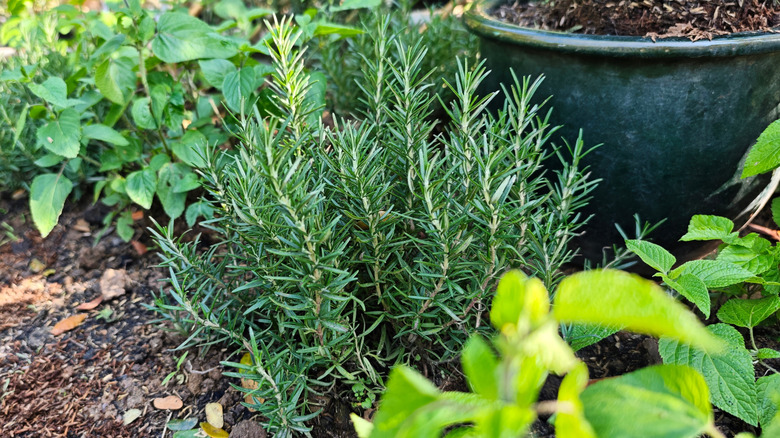
Rosemary is among the most versatile of all herbs. From one plant, you can provide seasoning for a roast chicken, remove odors from your home, burn it in your campfire to ward off mosquitoes, or create a concoction to stimulate hair growth! However, none of this is possible without a healthy rosemary plant. And if you want your rosemary to absolutely flourish, you are going to want to make sure that you are planting the right companions nearby.
Companion planting is a gardening practice by which you sow plants that enhance the crop production and health of those around them. The point of companion planting is to provide your herbs, vegetables, and fruit with school yard buddies that they can keep playing nice with. Whether it's warding off pests or providing some additional nutrients to the surrounding soil, companion plants will do the job of making sure you have a garden that thrives. For example, if you plant garlic next to rosemary, the garlic will help enhance the flavor of the rosemary, while the rosemary's strong scent helps ward off pests from bothering the garlic.
And unlike fennel, who has next to no friends in the garden, rosemary has an awful lot of plants that it works well with. Besides garlic, there are numerous other types of herbs, flowers, vegetables, and fruits that will benefit your rosemary to the point where it is thriving.
Borage
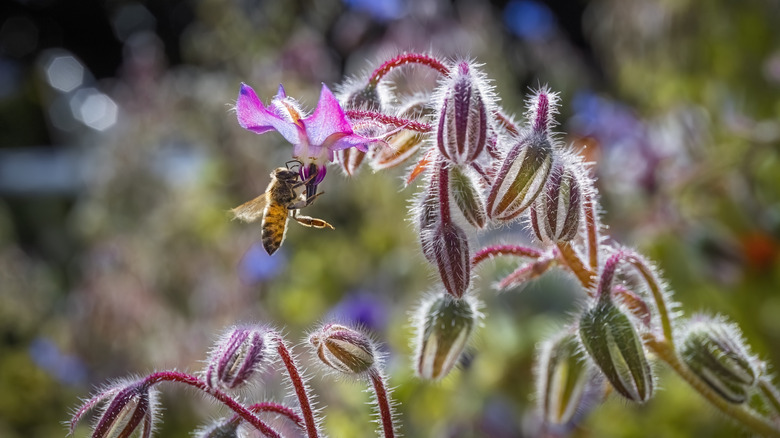
When planted next to one another, borage and rosemary will absolutely prosper. This is because both herbs share the same growing requirements: plenty of sun, well-draining soil, and very little watering requirements. The benefit of borage needing very little water is that, while the soil around it should remain relatively moist, it won't be so wet as to drown the rosemary roots. Excessive moisture can easily cause root rot in rosemary. Another benefit to companion planting with borage? The star-shaped flowers are a huge attractor for pollinators, especially bees.
Marigolds
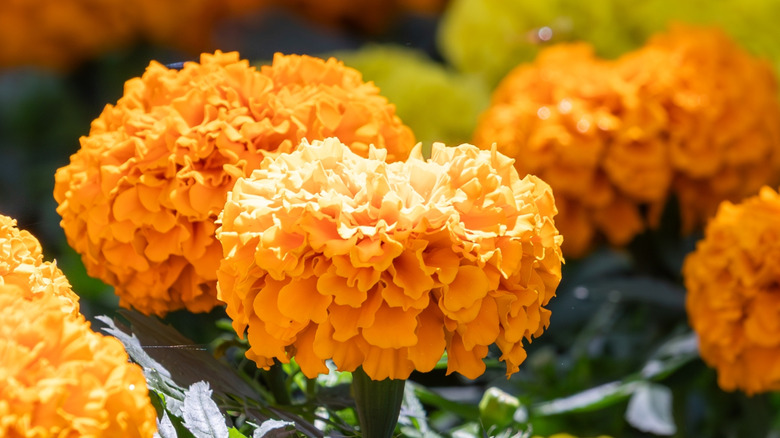
If there were one plant that we could list as an all-around great companion for nearly all vegetables, herbs, and fruits, it would be marigolds. Known for their striking orange flowers, marigold companion planting alongside rosemary has two benefits. First, the roots of the marigolds, particularly French marigolds, are known to repel root knot nematodes that can attack rosemary. Marigold flowers, meanwhile, are excellent at repelling airborne pests like aphids. Second, pollinators absolutely love marigolds. If you ever wanted to see more butterflies and honeybees in your garden, plant some marigolds.
Lavender

Lavender sits among a whole host of herbs that will serve rosemary, and the two will work well together in any garden environment. Similar to borage, lavender and rosemary thrive together when planted in well-drained soil in areas that receive full sunshine. Their minimal watering requirements mean they won't be stealing nutrients from each other, and that you only need to water them about once a week. Check to make sure their soil is completely dry before adding an inch or two of water. Lavender's relaxing scent, combined with the rosemary, will also help keep mosquitoes away.
Sage
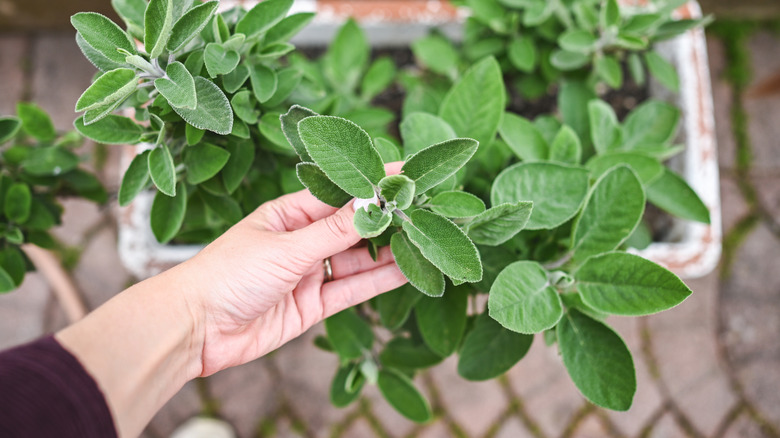
While it is a generally sturdy plant that does not need to be monitored in the way other herbs do, rosemary nevertheless has some common problems that you will want to be aware of. Insect pests, such as aphids, beetles, spittlebugs, and white flies, are enemies of rosemary. Planting sage next to rosemary won't only help improve the way your garden smells, but that same strong scent will ward off many of the beetles and flies that commonly plague rosemary. Sage is especially helpful nearby rosemary friendly brassicas, as it will help keep gnawing cabbage worms at bay.
Sweet alyssum
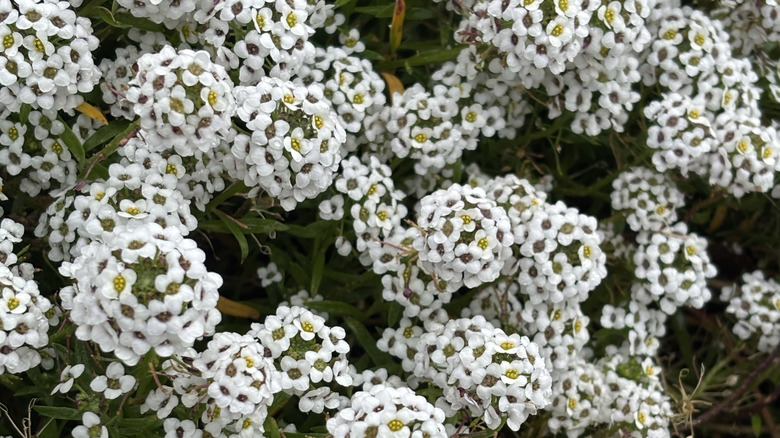
Sweet alyssum is a low-growing flower that is known for its beautiful white, pink, or purple blooms, as well as its sweet, almost honey-like fragrance. This very scent is what attracts a whole host of pollinators to your garden, and even other beneficial insects like ladybugs, which will devour rosemary-crunching aphids. Rosemary itself will help repel some common pests that are attracted to the sweet alyssums flowers, foliage, and stems. These include the likes of snails, slugs, and cabbage moths. As such, rosemary and sweet alyssum paired together make for a strong, pest-resistant garden team.
Oregano
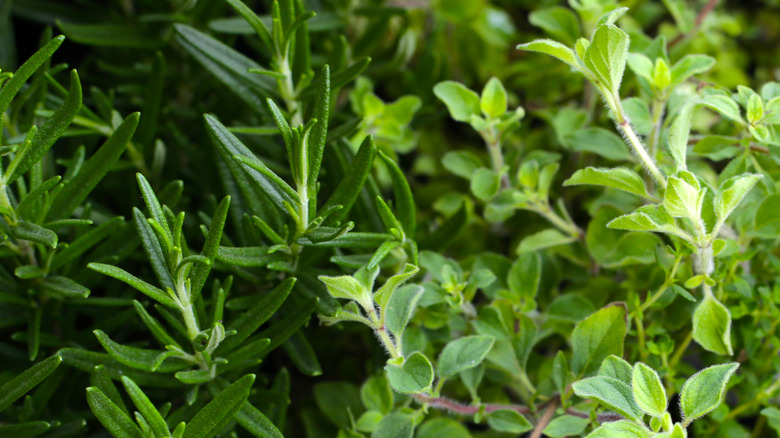
While there are many herbs that grow well around rosemary, oregano may be one of the best companion plants of all. These two herbs hail from the same regions of Mediterranean Europe, and therefore thrive in the exact same conditions. Both love lots of sun, well-drained soil, and require minimal watering. Being so low maintenance, you can plant these herbs next to each other and they will grow together very happily. This condensed planting also means less work for you, and some visual interest between the low-growing oregano and the tall, stalky rosemary.
Chives
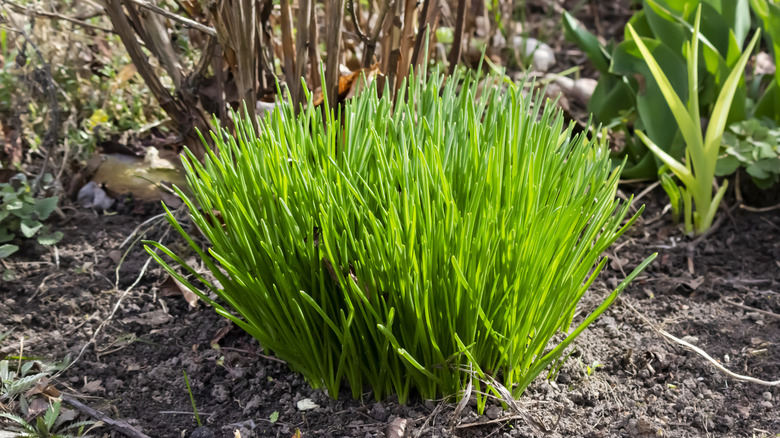
A common theme of this list is the fact that rosemary does exceptionally well when paired with herbs who share its soil and sunlight preferences. Chives, a perennial herb you should grow whether or not you have rosemary, are no exception. This hardy perennial herb should be welcome in any kitchen herb garden, not only because of the subtle flavors it adds to dishes, but also because of how easy it is to grow. Chives and rosemary will thrive together thanks to the fact that both need lots of sun, well-drained soil, and minimal watering. Again, wait for the soil to be completely dry and moisten thoroughly when watering.
Marjoram
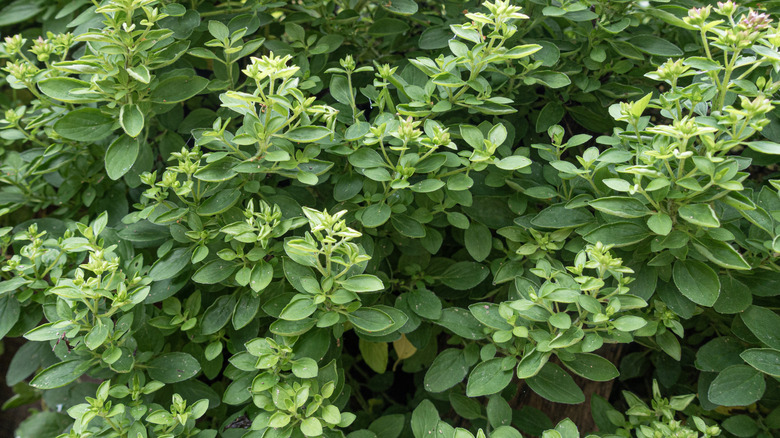
Marjoram is another member of the Mediterranean herb family that thrives in the sunny conditions that rosemary also loves. However, there is more to marjoram than immediately meets the eye, as most of its companion planting benefits occur underground. Much like rosemary, it is a low-maintenance plant, and many gardeners even claim that their marjoram helps enhance the growth and flavor of surrounding herbs. Honestly, the best way to find out is to plant some yourself. With its great scent and numerous other properties, you really can't go wrong.
Thyme
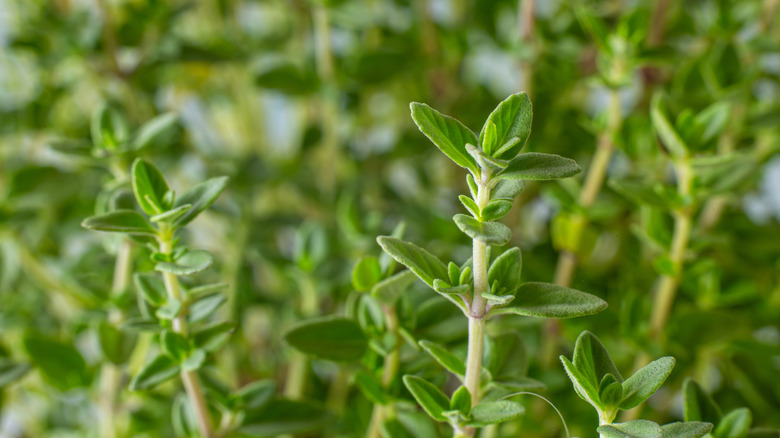
The final Mediterranean herb on the list of rosemary companions is thyme. These two can often be confused for one another owing to their similar structures. However, their scents are distinctly different, and thyme has a much smaller leaf structure than rosemary does. The two work well as companions owing to their near identical growing conditions. Thyme needs rich, well-drained soil, plenty of sunshine, and minimal watering in order to thrive. Sound like any other woody herb you might know of? Also, if you let your thyme grow its small, purple flowers, they will attract bees and other pollinators to your garden.
Onions

Onions, and really all types of alliums, will work incredibly well when planted nearby rosemary. For one thing, owing to the fact that onion roots are very shallow, they will not in any way interfere with the deeper and more complex root system of the rosemary. Another benefit is that both onions and rosemary utilize their strong scents and compounds to repel garden pests. Onions are especially good at deterring mammals like voles, deer, rabbits, and mice. If you plant the ornamental varieties, their rounded, purple blooms will provide a nice visual contrast to the deep green foliage of the rosemary.
Garlic
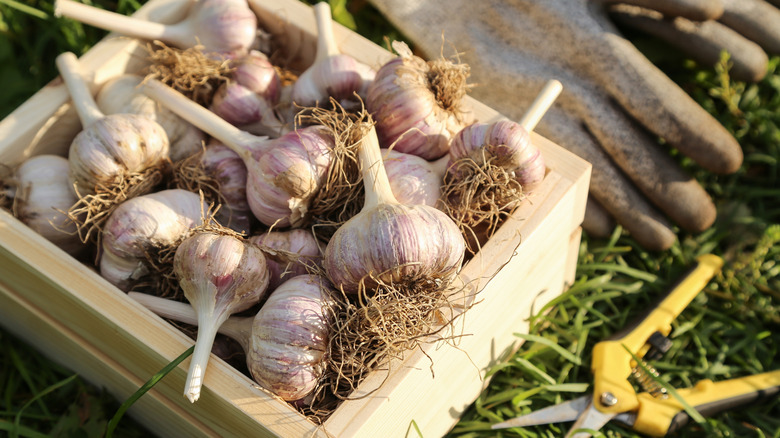
Garlic was mentioned in the beginning of this article, but we want to go into a little more detail about why it is an excellent companion plant for rosemary. Like its fellow onion cousins, garlic is a member of the allium family and will therefore have pest repelling properties thanks to its strong scent. Garlic also shares similar soil requirements to rosemary, but does not have roots deep enough to compete for nutrients. It's also been said that garlic improves the flavor of rosemary, but you'll have to plant them next to each other yourself to see if this is true.
Carrots

As a significant root vegetable, carrots will do the work of loosening the soil for rosemary plants sown on the outer borders of the carrot beds. These two plants have different watering needs, so it's best not to plant them too close together. However, the loose soil will allow rosemary's deep taproot system to grow easily. In return, rosemary offers up its pungent scent to help keep carrot flies at bay. The flies won't be able to locate the carrots due to rosemary masking their scent. You can also keep container rosemary nearby for the same effect.
Brassicas
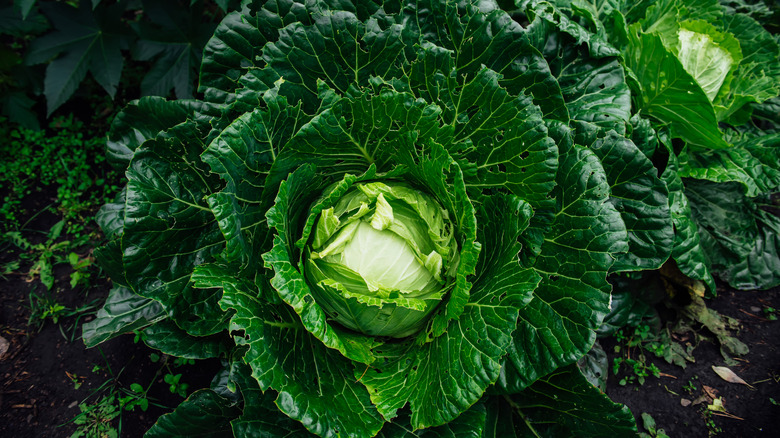
We're lumping all brassicas — cabbage, broccoli, cauliflower, and so on — together because they all provide rosemary with the same benefits. Specifically, they do like the same sun and well-drained soil that rosemary likes. However, most brassicas, especially cabbage, like their soil a little more on the acidic side, so it's best to have the rosemary planted as a border to the brassica patch. As with carrots, the rosemary will aid the brassicas by masking their scent in order to repel cabbage worms, moths, snails, slugs, and all manner of other pests that wreak havoc on brassicas.
Peppers

At first, it might not seem that peppers and rosemary would be good candidates for companion planting. This is owing to the fact that peppers require more watering than rosemary plants, so interplanting could cause root rot in the rosemary. However, the discrepancy is not so much that this will occur. In fact, rosemary actually does an excellent job at retaining the moisture the peppers need to thrive. Rosemary also helps keep pests away from the pepper plants, so integrating them together is a wise move for any gardener.
Beans
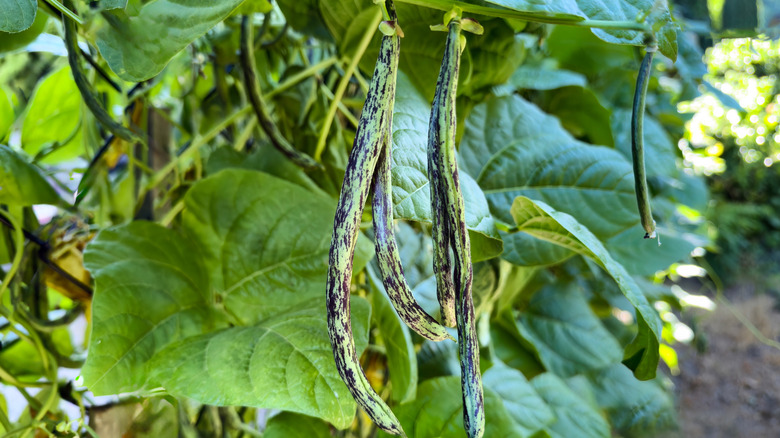
Beans are just one of the many different types of nitrogen fixing plants that can have huge benefits on those plants surrounding them. Nitrogen is an essential element that greatly benefits all plants. What beans do is transform that atmospheric nitrogen into ammonia, which is the kind the plants can absorb in their roots. This will act as a fertilizer for the rosemary, improving growth and overall plant health. The rosemary will also help repel beetles and other pests that would seek to eat the beans.
Wormwood
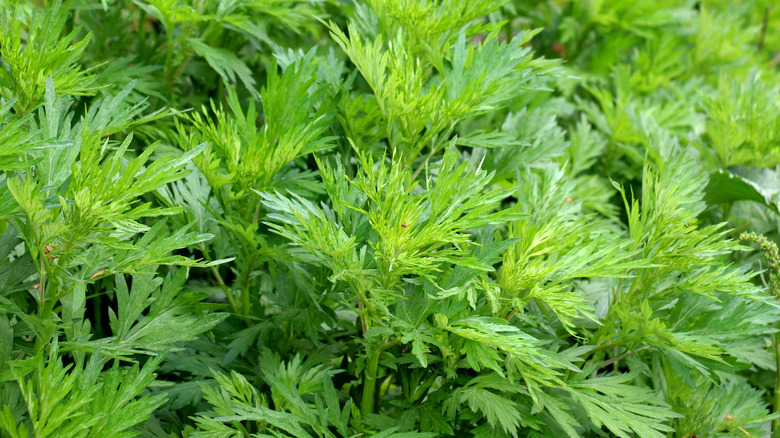
While not necessarily an herb you will want to eat, wormwood nevertheless serves both a visual and beneficial purpose when companion planted with rosemary. Much like the other herbs on this list, wormwood shares similar growing conditions to rosemary, especially the well-drained soil because wormwood is also susceptible to the same root rot as rosemary is. Wormwoods foliage also offers a nice visual contrast to rosemary, especially when the later flowers. They appear as a thick set of deep green leaves alongside small, purple flowers of the rosemary. Wormwood also aids as a pest repellent for carrot fleas.
Strawberries
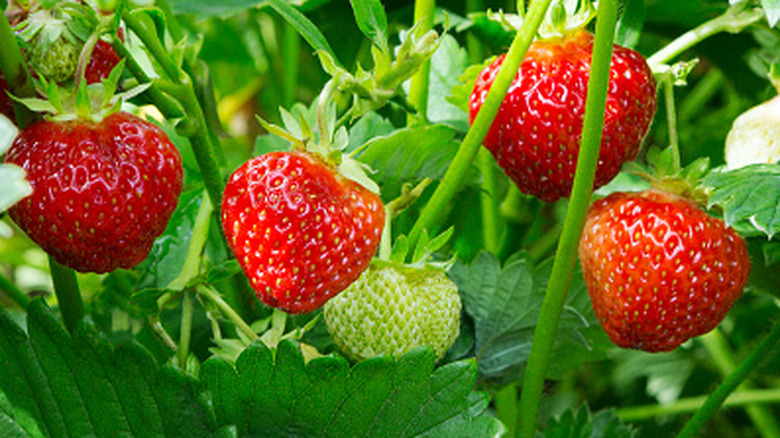
If there is one type of fruit that really works well as a companion to rosemary, it is strawberries. Since strawberries grow outwards across the garden bed, their runners will make excellent ground cover around rosemary by smothering weeds that would otherwise have competed with the rosemary for nutrients. Plus, owing to the fact that strawberries and rosemary grow totally differently, they can live in harmony with one another. In exchange for the beneficial ground coverage, rosemary will help keep insect pests away from the strawberry fruit. It is also said that the presence of rosemary makes the strawberry fruit taste much sweeter.
Blueberries

If there is one thing blueberries love, it is sun and well-drained soil that has some acidity to it. As it happens, rosemary loves these exact same conditions. Whether you're growing high bush or low bush varieties of blueberries doesn't matter in this context. Both will get along very well with rosemary, and each will serve to benefit the other in some way. Blueberries will attract a wide variety of pollinators to help boost its and rosemary's health, while rosemary will do the work of keeping pests away from the fruit.
Apple trees
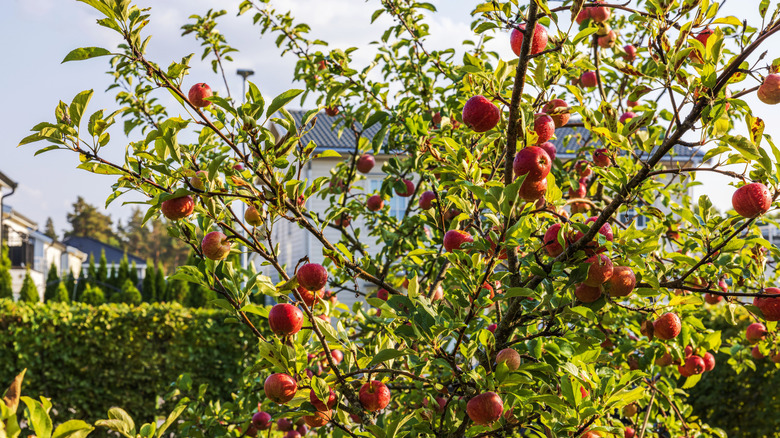
It may seem strange, considering the light requirements for rosemary, to say that apple trees would make an excellent companion. However, the light that gets through the branches of a well-pruned apple tree is more than sufficient for rosemary. And if you are someone who adheres to the permaculture principle of guilds, pairing rosemary and apple trees is a no brainer. For one, the apples provide shade, protection, and pollinators for the rosemary, while the herb does what it does best and prevents harmful pests from adversely affecting your apple trees.
Cherries
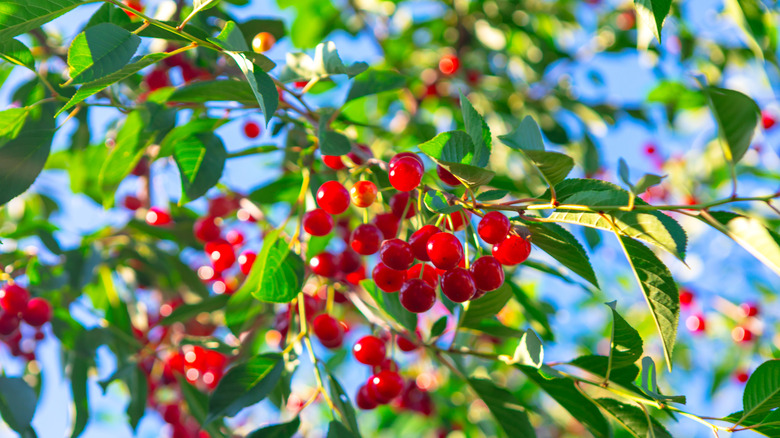
The same permaculture guild principles that apply to the apple trees will apply to cherry trees as well. In this case, because cherry trees tend to grow upwards of 20 feet tall, it would be best to plant the rosemary around the trunk as a border shrub. This will allow optimal sunlight, as well as provide the rosemary with its preferred soil conditions. The strong woody scent of the herb will help confuse any pests and keep them away from the precious sweet cherries growing in the canopy above.