

The 5 Best Ways To Keep Winter Weeds Out Of Your Yard For Good
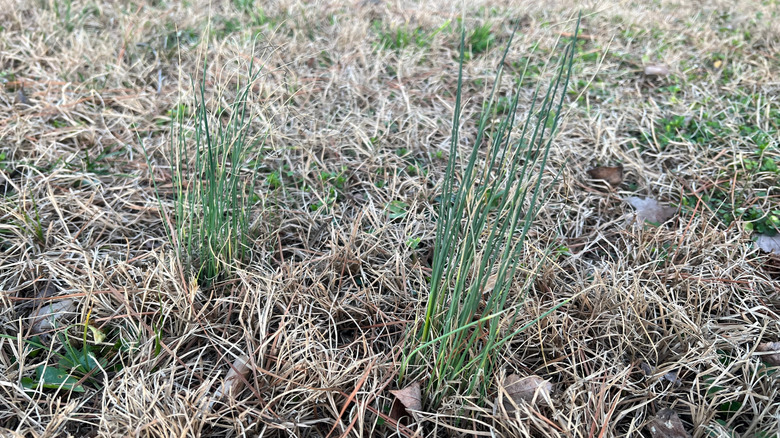
Just because the upcoming months on the calendar show the arrival of the cold trio (December, January, and February), that doesn't mean you won't have to deal with weeds in your yard. Weeds are a pervasive problem: Whether they are invading your garden or growing up through the cracks of your concrete pavers, the fact is that you are going to have to deal with weeds as a homeowner. And yes, that includes during the winter.
Winter weeds have unique properties that allow them to grow in colder weather. This is due to quiescence, a built-in biological timer that tells them when the conditions are perfect for sprouting. Winter weeds can also have extensive and strong root systems that will allow them to store more energy and grow more aggressively.
It's important to note that winter weeds won't just grow in mild winter climates. They will also grow in harsher climates, such as those of New England, the Midwest, and northwestern states. Weeds are known to be tough, and they prevail. So, today, we're going to present the five best ways to keep winter weeds out of your yard for good. And it all starts with knowing what you're looking for.
Identify the weeds in your yard
There are numerous different types of common weeds that grow in lawns and gardens. In terms of winter weeds, you can expect two main types: broadleaf and grass-type. Thankfully, it is very easy to distinguish between the two.
Broadleaf weeds, as their name suggests, have wide leaves, which mark a stark difference from the thinner blades of grass-types. Common winter broadleaf weeds include dandelion (Taraxacum officinale), chickweed (Stellaria media), wild violet (Viola sororia), white clover (Trifolium repens), and creeping oxalis (Oxalis corniculata) in milder climates.
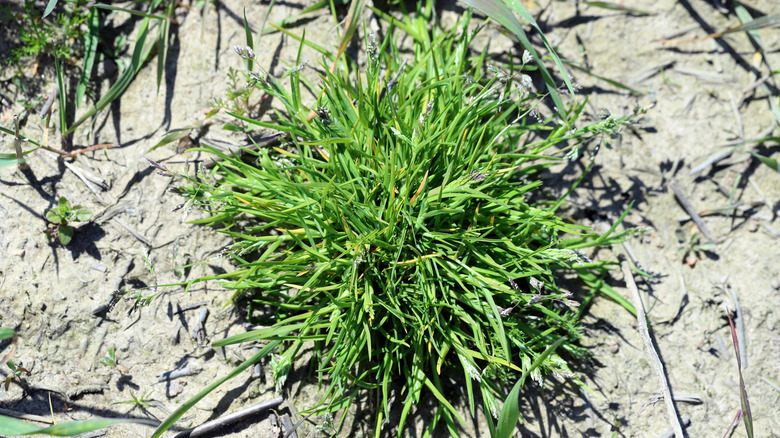
Grass-type weeds can be a bit tricky to identify in your lawn, as they tend to blend in with regular grass. They present with narrow leaves that have parallel veins, as opposed to the spider-web look of the veins in broadleaf weeds. The primary type of winter grass weed is annual bluegrass (Poa annua), which is one of the most pervasive weeds in the United States. This can be singled out thanks to its long stalks and white seed heads — this indicates full maturity, and it's much easier to remove before this stage.
Pull your weeds
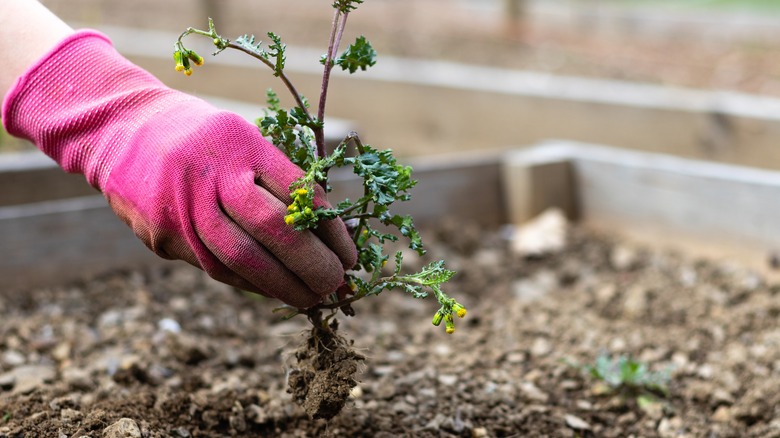
The most labor-intensive, but effective, way to get rid of your winter weeds is by actually going in and physically removing them. When you do this, you can use your hands (wear gloves) or some kind of hand-held garden tool. If you're limited on tools, a kitchen fork is actually very effective at weed removal. Just don't use any kind of motorized trimmer, lawn mower, or rototiller, as these will simply spread the seeds throughout the property.
The reason physical weed removal is so effective is that it is both eco-friendly and ensures the total removal of the weeds, all while doing minimal damage to the soil and surrounding plants. The best time to do this is during early winter before the ground is fully frozen and while the weeds are still small. Weeds are easy to pull when they are this size because they have not had time to develop a deeper root system.
Hand removal is really best when the weeds are ones that are easily identifiable and grow in clumping patches, such as dandelions and wild violets. As for timing, weeds are easiest to pull after a light rain, as the moisture makes the ground softer, and the weeds are therefore easier to pull. A good garden trowel will help make the job all the easier, as will a stand-up weed puller.
How to treat winter weeds chemically
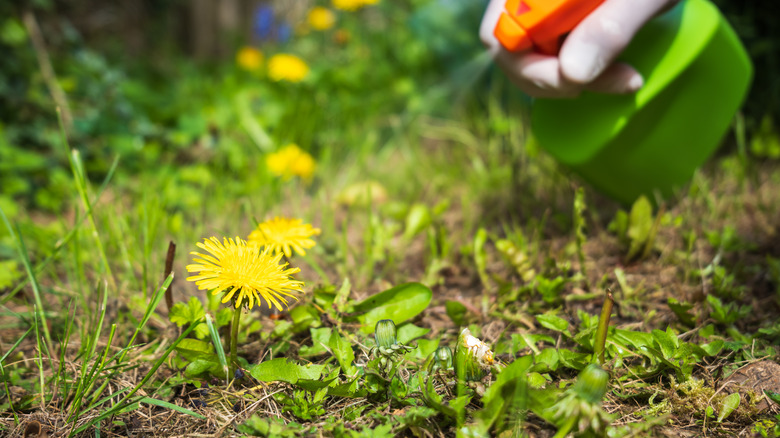
Obviously, if your weed problem is particularly aggressive and has taken over a large area of your yard, you likely need to go for a chemical option. The most effective way to ensure that there are absolutely no weeds in your yard come winter is to use a pre-emergent herbicide on your lawn in the spring, summer, or fall. This is applied before the weeds begin to germinate and creates a barrier in the soil that prevents them from growing, ultimately killing them off.
The reason this needs to be done in warmer weather is that the soil temp is critical in order for the pre-emergent herbicides to work. They need time to soak in and establish a barrier. You could apply the herbicide yourself, but it is often best to hire a professional lawn care company, as they have the tools for a very thorough application.
You could also do DIY spot chemical treatments on your own. Broadleaf weeds react best to 3-way herbicides that have 2,4-D as their main ingredient. Other effective ingredients include triclopyr, dicamba, and MCPP. Grassy weeds can be treated with a product called atrazine.
How to treat weeds naturally

If you are averse to treating your yard with chemicals, there are natural alternatives you can use that are greatly effective. We have already gone over how manually removing weeds is by far the least damaging method, but there are other natural remedies you can use to ensure the winter weeds are gone from your lawn.
A baking soda and vinegar solution is particularly effective, as the combo will burn the leaves of the weeds, which will then dehydrate the plants. Indeed, vinegar on its own is more than enough to kill most weeds as it contains enough acetic acid to ensure their demise. The main issue here is that vinegar is non-selective, meaning that it could harm surrounding plants if you are not careful.
Another excellent and exceptionally easy way to remove winter weeds from your yard is to use boiling water. This is best for spot-treating individual clumps or especially stubborn weeds, particularly any that might be growing along the edge of your yard. The boiling water will essentially cook the cells inside of the weed, causing it to die off after several applications. If you've got winter weeds appearing in your garden, mulch is an excellent way to smother them by depriving them of the light they need to survive.
Grow a lush lawn
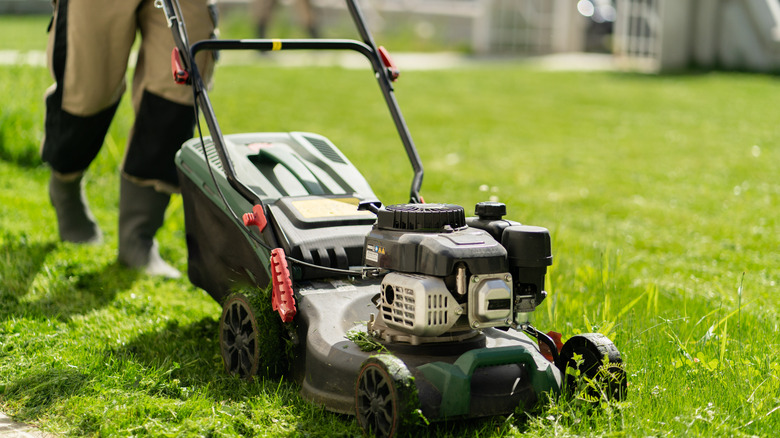
The final way you can keep your yard weed-free in the winter is to do the work during the spring, summer, and fall to grow a lush, thick lawn. When your grass is growing well, it outcompetes any weeds for sunlight, space, and nutrients. It effectively chokes them out, shading the soil to prevent light and water from getting to the weeds' roots. This thick canopy creates an environment that is harsh to weeds, meaning that when your lawn's growth comes to a standstill in the winter, you are not going to be worrying about those weeds popping up because your lawn has already done the work for you.
One of the best ways to achieve a healthy lawn is frequent mowing at the correct height. Mowing your lawn no lower than 3 inches will encourage the grass to grow into that thick canopy you're looking for. Other methods include fertilizing your lawn, aerating the soil, and deeply watering your grass.
This is not to say your yard will be totally weed-free in the winter. Indeed, they can still show up even if you give it your best effort. However, these methods provide excellent solutions that, if used correctly, will greatly reduce or eliminate those pesky winter weeds in your yard.