

Easily Clean And Refresh Old Wood Furniture Using A Common Pantry Staple
We may receive a commission on purchases made from links.
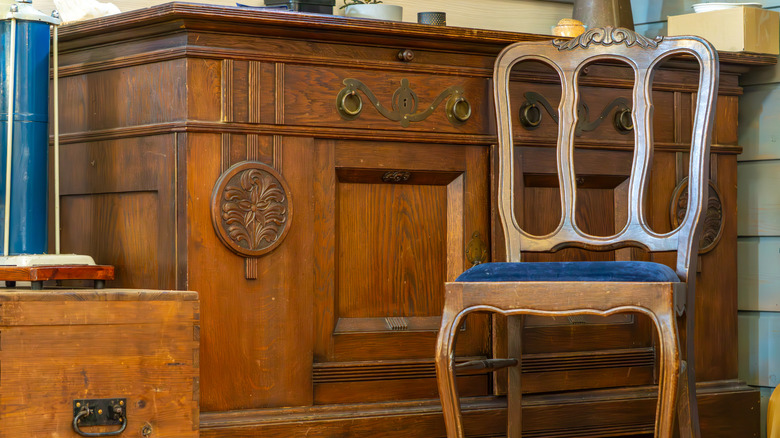
Wooden chairs, tables, and cabinets are my favorite type of furniture. That's not at all surprising, as I am a professional woodworker who builds furniture. Time was when virtually all furniture was made from wood (with the exception of the odd throne or temple piece). Wooden furniture has certainly stood the test of time, with even some antiques that are hundreds of years old still in use. But that doesn't mean that time has no effect on wooden furniture. On the contrary, the slings and arrows of outrageous furniture fortune have dulled and deteriorated many a fine furniture finish. If that's happened to some of your furniture, don't worry, there are tricks for keeping your furniture in tip-top shape. Finishes can be refreshed, and a great product for doing so may be in your pantry: black tea.
I can almost see the sour looks on your faces, and you must be thinking, "A professional woodworker recommending a kitchen furniture cure, fat chance!" Perhaps you are worried that "Big Tea" has me in its back pocket. That is not the case. I am as orthodox as they come when it comes to woodworking techniques, but this tea trick is actually a common-sense and chemically logical process for upgrading worn furniture finishes. Brewed black tea creates a tannic-rich, mildly acidic liquid with a pH level that ranges from around 4.9 to 5.5. It is just about right for breaking down and removing the buildup of oils, grease, and old waxes, but not so acidic that it will break down an existing finish. So, while it may seem a bit odd, the science behind it is sound.
Getting the job done
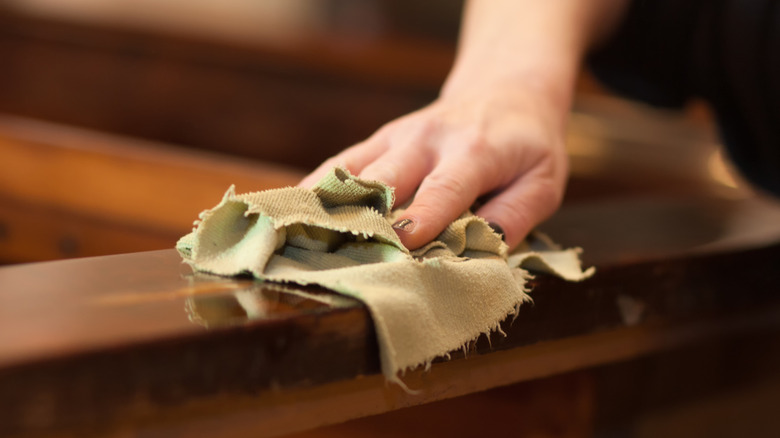
Start out by brewing eight teabags of black tea in a large pot of water. Leave the teabags in the water until it has cooled. During the time when the tea is brewing, wash your piece of furniture with warm water and a mild soap. Wipe it dry. Next, rub 0000-grade steel wool over the piece lightly to remove or smooth any ragged, distressed areas. Be very gentle with this step; you are not trying to remove any finish, just smooth banged-up damage.
Now it's time to apply the tea mixture. Grab a soft cotton or microfiber cloth, getting it wet, but not soaked in the tea mixture. Rub it vigorously on the furniture piece, scrubbing with a good bit of elbow grease. Treat the entire piece equally in this manner. Wipe it dry and check out the finish. The finish on older furniture will have developed an amber color, suffered scratches and abrasions over the years, as well as places where the finish may have just been rubbed away. We call this its patina. The tea mixture will not remove the patina but should have added its tannic coloring to cracked and worn areas and removed the oils and other deposits from the finish, "leaving behind the shine," so to speak. After a close inspection, you may decide to clean it with the tea solution a second time.
This black tea trick is a great technique for older furniture that is in reasonably good condition. As a professional woodworker, I am amazed at the results. With that said, I recommend following it up with an application of Howard's Feed N' Wax to further protect the furniture piece.