

Make The Snow Removal Process Easier All Winter With A Driveway Change You Can Make In Minutes
We may receive a commission on purchases made from links.
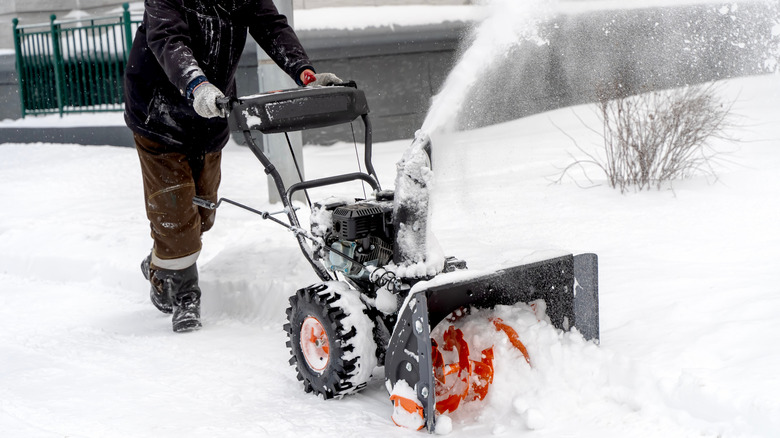
Snowfall sure is beautiful when you're watching it from the couch with a cup of hot chocolate. It's a different story once you're outside freezing your tush off trying to clear the driveway before work. One of the mistakes everyone makes when dealing with snow is assuming that they'll remember exactly where the driveway ends once everything is buried. When everything disappears under that glistening blanket of white, it's surprisingly easy to steer a snowblower right off the driveway.
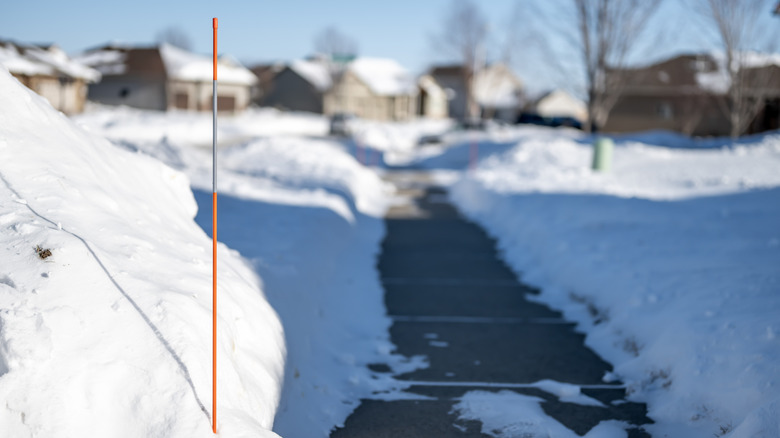
If this sounds familiar, marking your driveway before the first snowfall is one winter habit you should try. Sticking plow stakes alongside your driveway and any perimeters you want to protect will give you a visible guide when removing snow. They're perfect to put by planting beds or next to ledges to help you avoid a potential catastrophe, and can speed up the process, too.
For this project, buy some reflective driveway stakes (the amount will depend on the size of your driveway). You can purchase multipacks, like FiberMarker's 48-Inch Reflective Driveway Markers, in various colors and sizes. A rubber mallet can make installation easier, and if the ground is already frozen, grab a cordless drill and a long bit, too.
Mark the edges before the snow hides them
Of all the snow blower tips for beginners, knowing what's beneath the snow definitely tops the list. Nobody wants to hear the machine hit something it shouldn't. Hidden rocks or garden edging can cause damage and leave you with landscaping repairs come spring, and replacing a machine is expensive. More important items like fire hydrants or electrical boxes can cause a larger headache. Even if you get lucky and don't snag a rock, stopping every few feet because you're not sure where your driveway ends can make a simple task take hours.
Walk around the perimeter of your driveway and paths before any snow falls and pinpoint the areas you want to protect. Things like curves, garden beds, or other hazards should be marked, making sure to add extra stakes wherever you need a clearer outline. The pros recommend spacing the stakes 20 to 30 feet apart, and 10 to 15 feet apart around curves.Also, place them at the corners of things like utility boxes, so you know where the edges are.
Choose a brightly colored stake, preferably with a reflective mark so you can see during low light and in poor visibility. To install, push each stake into the ground, using a rubber mallet to tap it into place. If the soil is already frozen, use the drill and bit to make pilot holes first. Just make sure you're not near any buried irrigation or any other underground lines.