

10 Plants To Cut Back In November For More Blooms Next Spring
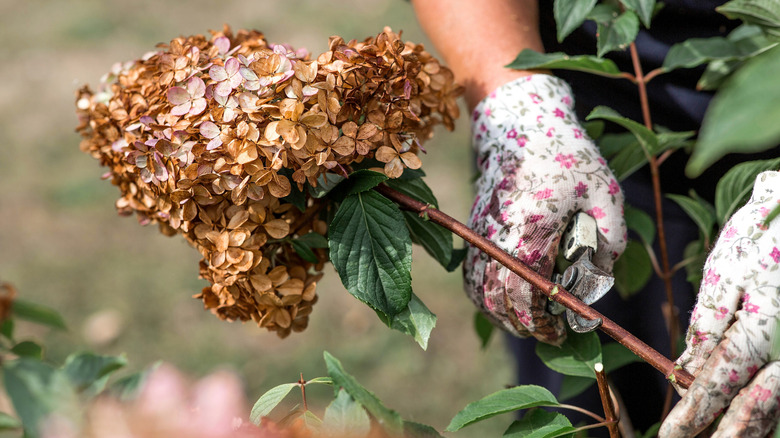
It's November — the days are short, the weather is cold and gray, but there's still much to be done in the garden to get it ready for next spring. Along with planting perennials to bring color to your garden in the spring, now's the time to prune certain plants, helping them prepare for the winter ahead. Waiting until November to prune plants like peonies, asters, and irises protects them from diseases and pests during the winter and gives them enough time to build up energy stores.
As an added bonus, pruning the following plants in November helps your garden look better over the winter. You'll be cutting plants back once they've gone dormant and have turned brown, yellow, or mushy. Once spring rolls around, the ground starts to thaw, and frosts are soon to be a thing of the past; your flowers and shrubs will bounce back, rewarding you with more blooms and vibrant foliage.
Asters
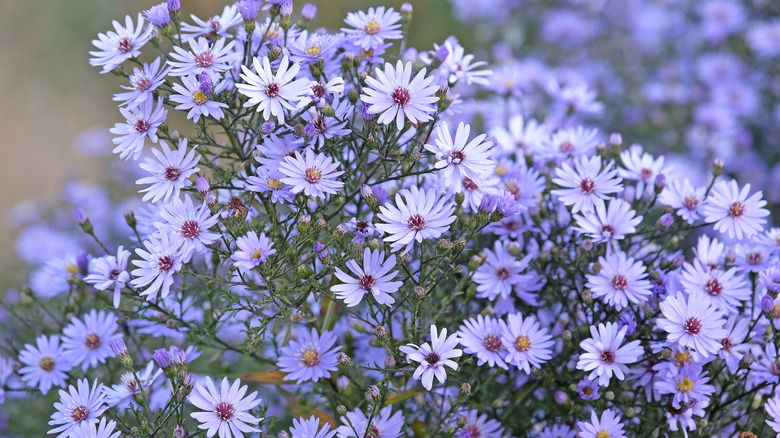
Late-blooming asters (Symphyotrichum spp.) are usually perennials that add a pop of color — blue, purple, fuchsia — to your fall garden. An easy-going alternative to fussy Fall mums, asters benefit from a November trim for two reasons. One, cutting them back reduces the risk that they'll harbor fungus, pests, and other diseases over the winter. Two, removing the seedheads from the plant limits the degree to which it can self-seed. While self-seeding can be seen as a positive, it does set the stage for an aster takeover of your garden, which may not be something you want. After the first hard frost, give your asters a serious trim.
Bee balm
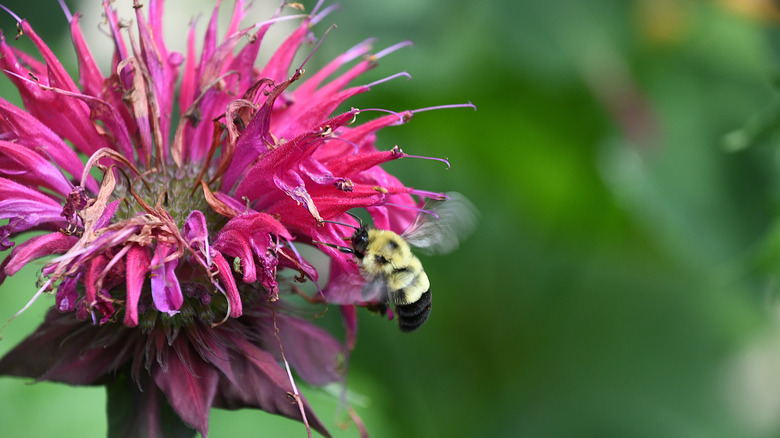
True to its name, bee balm (Monarda) is a bee magnet. It's also an overlooked mosquito repellent. But bee balm has a major problem, one that only gets worse with humid conditions — it's prone to powdery mildew. Leaving infected stems and leaves in the garden over the winter will only let the problem grow. To keep the disease from overwintering and re-infecting your bee balm next spring, cut the plant back to the ground once November rolls around. Even if your bee balm has made it through the season healthy and mildew-free, you may want to give it a trim to tidy it up before winter arrives.
Berry bushes
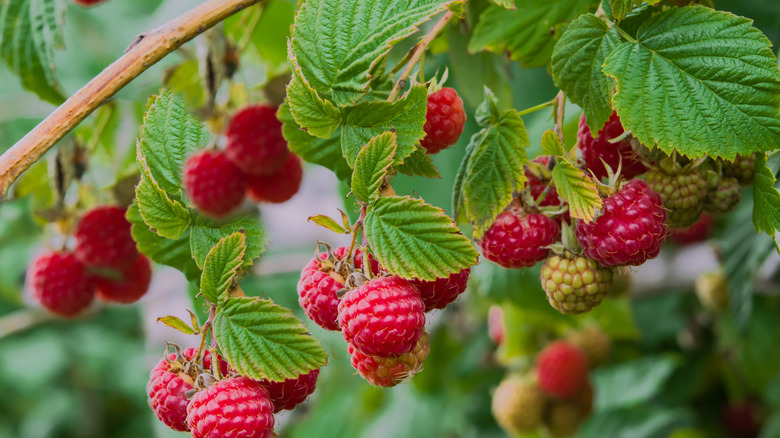
To ensure you get greater harvests of home-grown raspberries (Rubus idaeus), blackberries (Rubus occidentalis), or blueberries (Vaccinium corymbosum) next season, give the shrubs a good trim in November. To prune summer-bearing raspberry or blackberry shrubs, cut back any dead canes, as well as any that look weak or diseased. If you're growing everbearing (aka fall-bearing) varieties, pruning in November will more or less eliminate a spring and early summer crop, but will give you a more bountiful crop come fall.
Daylilies
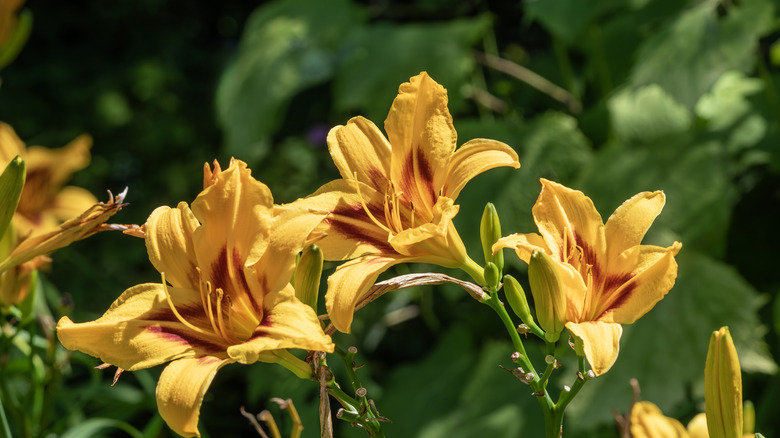
Known for being easy-to-grow and prolific bloomers, daylilies (Hemerocallis) can keep on producing flowers straight through the fall. Once the frost hits, you have two options for preparing your daylilies for winter. Either leave the foliage in place and cut it back in spring, or cut it back so it's just a few inches high. Pruning daylilies in November offers a few advantages over leaving them alone — it reduces the risk of pests and disease overwintering, and waiting until after the frost to prune gives your daylilies a chance to store energy for the winter months.
Delphiniums
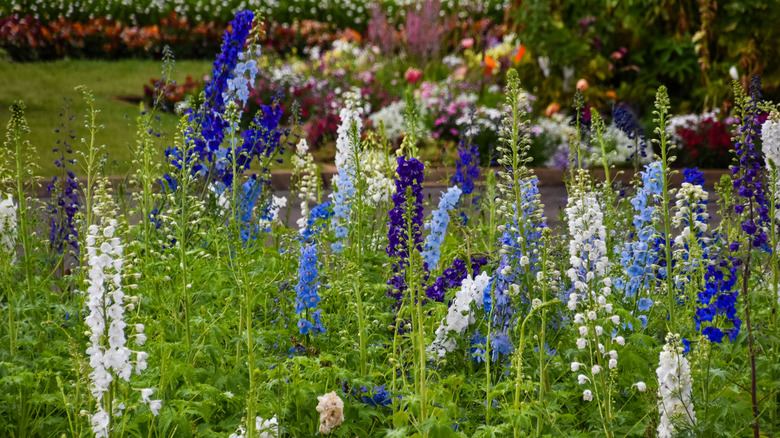
Delphiniums are stunners in the garden — growing up to 8 feet high in some cases and blooming in a range of brilliant colors. But for all their stateliness, they are also prone to diseases, from crown rot to powdery mildew, and need to be pruned after the frost to stay healthy for the next spring. Once the plant has turned brown, cut back its stem, flower stalk, and foliage to just a few inches above the ground. Add a few inches of mulch to the soil, leaving the crown exposed, to protect the roots from the cold in zones 3 to 5.
Hellebores
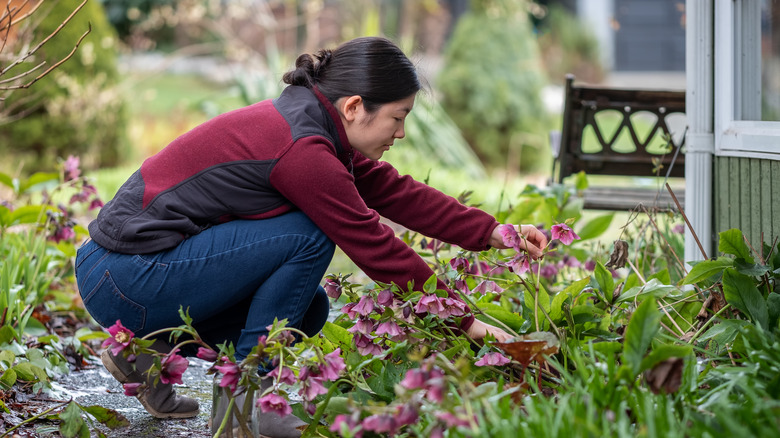
Blooming in late winter, hellebores (Helleborus) are one of the first plants to wake up the garden. The large, cup-shaped blooms will look much nicer if you give the plant a trim in November, removing any leaves that have been tattered and battered after a long growing season. Pruning hellebores in November also minimizes the risk of disease, such as leaf spot, returning or spreading on next season's growth.
Hostas
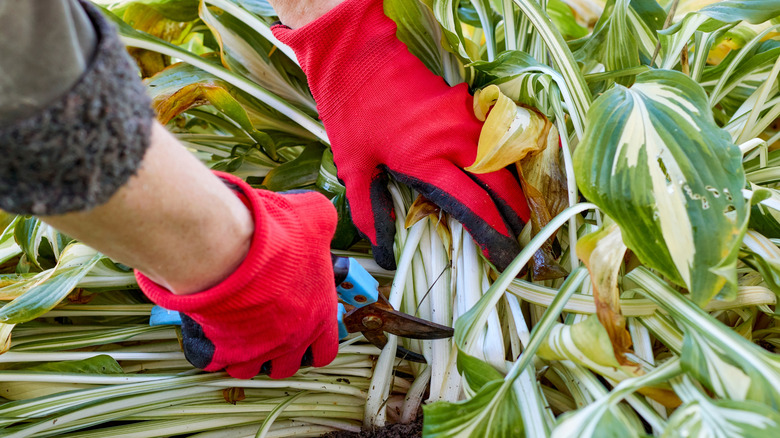
After a few hard frosts, November is the ideal time to start pruning hostas. The shade-loving perennial needs a few months of cold weather, with temperatures under 40 degrees Fahrenheit, to gather energy and thrive in spring. But its foliage starts to die off, turning mushy, brown, and yellow, once temperatures dip below freezing. Pruning and cutting back the dead foliage to a few inches high tidies up your garden and takes away food and bedding from pests. After you've pruned, add a light layer of mulch to protect the plant's crown from the freeze.
Hydrangea paniculata
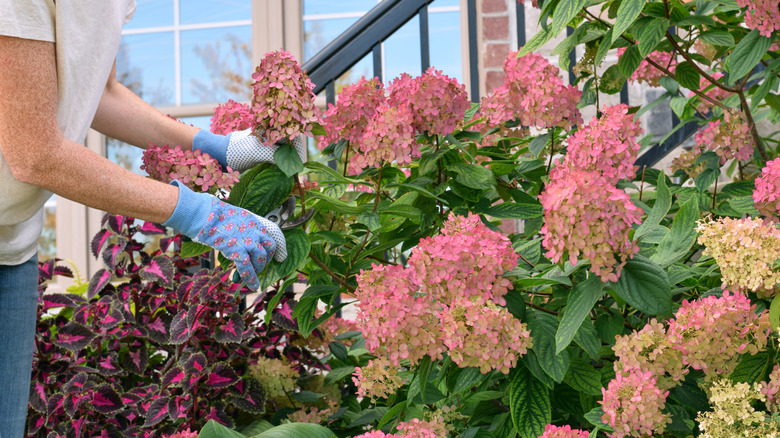
When and how to prune the various types of hydrangea is the subject of considerable confusion — get the answer wrong, and you might not get any blooms next spring. When it comes to hydrangea paniculata, which blooms on new wood, the stakes are a little lower, and you can prune in late fall without cutting away next year's flowers. Just remember to follow the 1/3 rule for perfect-looking hydrangeas when you prune — don't cut back more than a third of the plant — focus on shaping the hydrangea, leaving a few of the spent flowerheads for winter interest.
Irises
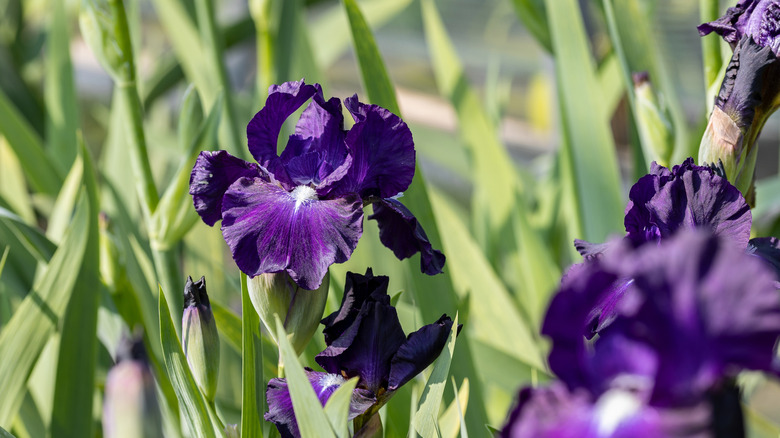
Named for the Greek goddess of the rainbow, irises bloom in almost every possible color. And once those blooms have finished for the season, and the first few frosts have killed off the foliage, turning it yellow or brown, it's time to prune. Cut back the leaves to about 6 inches off the ground. Cut the foliage at an angle so that water can run off the leaves, lowering the likelihood of rot or disease.
Peonies
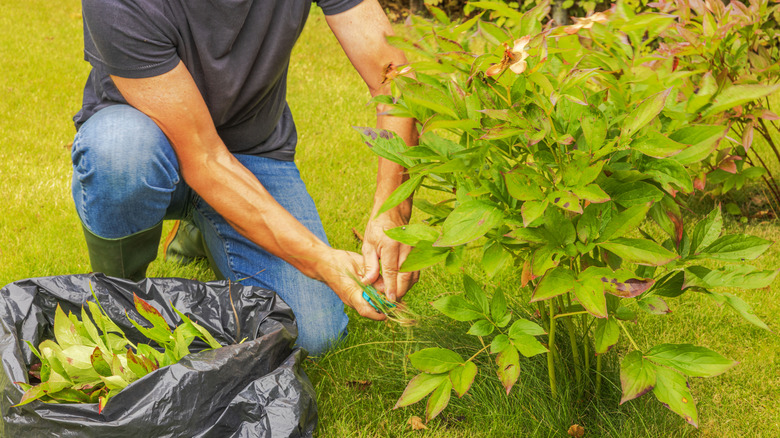
Like hostas, peonies (Paeonia) need a bit of chill to bloom and thrive in the spring. But that doesn't mean you want to look at decaying, yellowing peony foliage in your garden all winter. Cutting the plant back to about 3 inches above the soil after the first few frosts gives it time to build up energy stores. Pruning peony also helps to reduce the chance that diseases like powdery mildew, botrytis blight, or leaf blotch will overwinter on the plant, preventing issues come spring.