

8 Perennials To Plant In November For A Beautiful Spring Garden Full Of Color
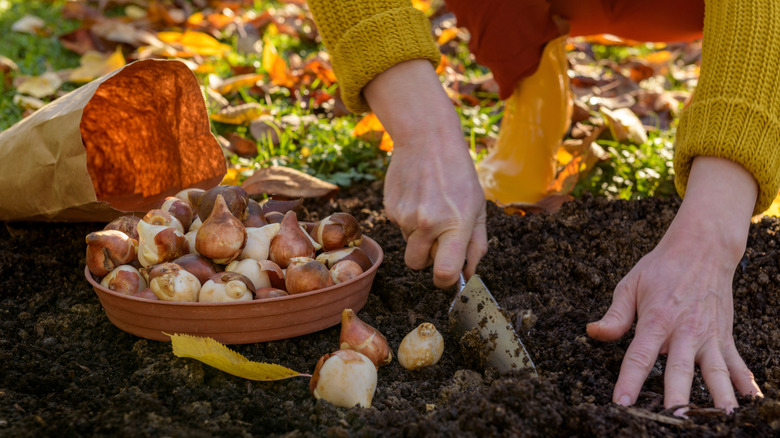
Before you put away your gardening gloves, don't forget that November is your last chance to give next year's garden a head start. Although the weather is considerably cooler than it was just a month ago, in many areas the ground is still warm enough to plant perennials that will bring beautiful spring color to your flowerbeds. Gardeners in warmer regions can often plant perennials until mid-November, while those in colder northern and mountainous climates should act quickly before the ground freezes for good. If temperatures are already looking frosty, choose cold-hardy plant varieties, add plenty of mulch, and protect your new additions from harsh freeze-thaw cycles until they get established. This will give your flowering perennials the best chance of surviving through the harsh winter months before bursting into a riot of color come spring.
From peonies to tulips to daffodils, these eight perennial varieties are extremely well suited for fall planting. But to make sure you'll have success with them check your USDA hardiness zone and pick varieties that will survive winter in your area. Since stick season is fast approaching, gardening in November requires patience and even a little faith. That's because making sure your perennials thrive long-term means root development matters more than getting lush foliage or flowers right away.
It's also important to prioritize consistent watering once your plants are in the ground. According to the National Integrated Drought Information System, drought is currently widespread in the U.S., which means you shouldn't rely on precipitation alone. Whether you plant one or several of these colorful perennials, for the most beautiful spring garden you should baby them until the ground freezes.
Peonies
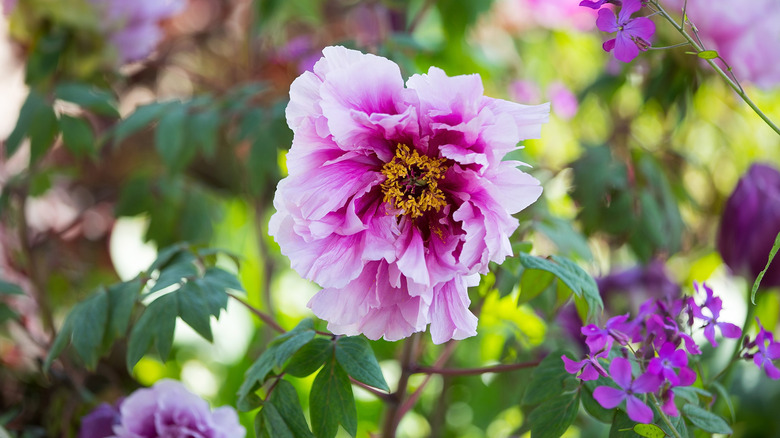
When you have a sunny spot in need of spring color, peonies (Paeonia) are an excellent choice for Zones 3 to 8. The herbaceous perennial can live for 100 years or longer, making the investment in bare root or potted plants well worth it after a season or two. Peonies come in an enormous range of colors, from the creamy yellow, early blooming 'Claire de Lune' to the deep fuchsia 'Karl Rosenfield' which blooms in May and June. To extend the show all spring, shallowly plant a variety of these fragrant flowers in rich but well-draining soil before the ground freezes in November.
Hellebores
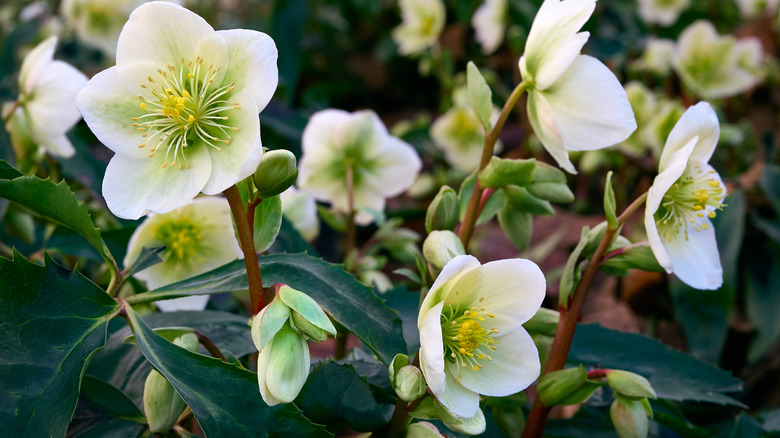
Hellebores (Helleborus) are one of the best flowers to start growing in November for a burst of colorful winter blooms that last until spring in Zones 4 to 9. Although this perennial takes a few years to get established when grown from seed, thriving hellebores will greet gardeners with sweet cup-shaped flowers in soft whites, pinks, and purples that last through the Christian holiday of Lent. Their dark, toothy, leaves are evergreen but need protection from harsh winter winds. The mounding perennial maxes out at a height of 15 inches, making it a quiet addition to cottage gardens or borders all year.
Tulips
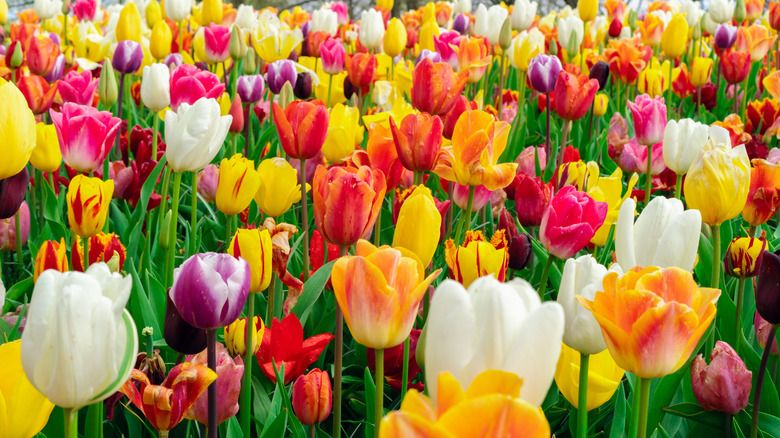
Nothing says spring has arrived like watching tulips (Tulipa) pushing their way toward the sun. Grown from bulbs that prefer to be planted in cooler November soils in Zones 3 to 7, there are nearly 4,000 tulip varieties to choose from. For the earliest spring color, try mass planting star-shaped Waterlily tulips (Tulipa kaufmanniana). Darwin Hybrid tulips are a reliable choice if you want large flowers with tall stems that stand up to March winds. Since both will fade as warmer temperatures arrive, mix in a few Parrot tulips so you'll have enough for flower arrangements until Easter.
Bleeding heart
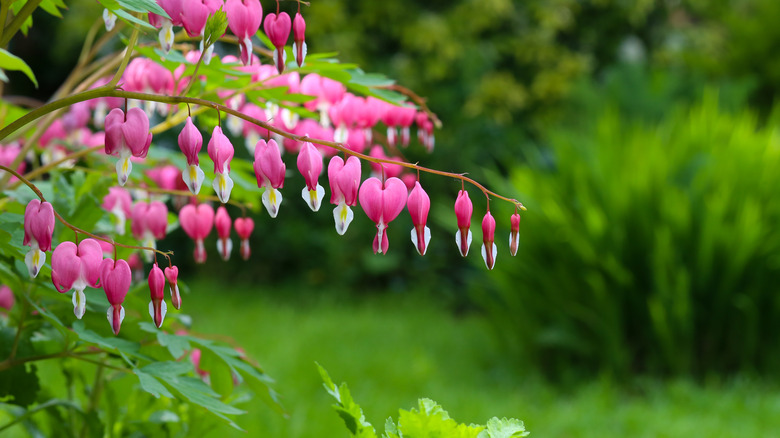
November is also an excellent time to add a little spring color to shadier spots. While you'll need to get them into the ground before autumn's first hard freeze, growing bleeding hearts (Lamprocapnos spectabilis) is a quick way to add height and drama in Zones 3 to 9. Find a spot with slightly acidic, well-draining soil that receives dappled morning sunlight before digging a hole twice as big as your root ball. It doesn't need to be deep, because this perennial prefers to sit no more than an inch below the soil.
Daffodils
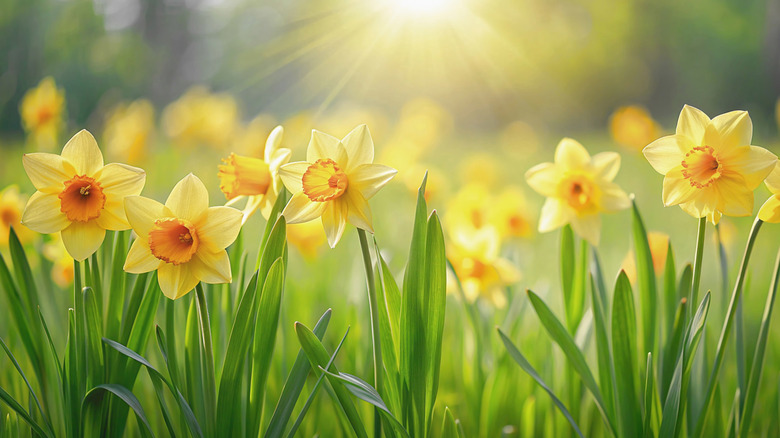
Whether you want sunny yellow blooms or you prefer more unusual pink, orange, or multicolored varieties, plant Daffodil (Narcissus pseudonarcissus L.) bulbs at least four to six weeks prior to the first winter freeze. That makes November an excellent time to add the deer- and rabbit-resistant perennials to your garden in Zones 3 to 8. While there's nothing wrong with planting a few daffodils here and there, or mixing bulbs to create a prismatic effect, you'll create the most impact by planting a single color en masse. 'Dutch Master' and 'Tete-A-'Tete' are excellent choices for early spring blooms that last.
Coral bells
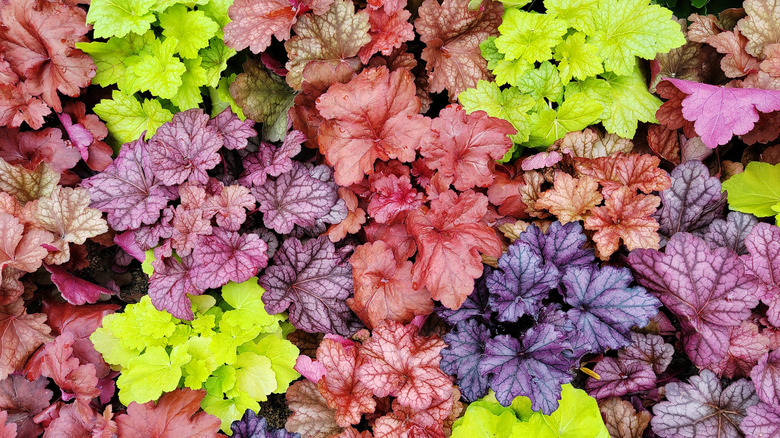
Coral bells (Heuchera) produce charming little flowers, but it's their strikingly bold foliage that really adds a pop of color to spring garden in Zones 3 to 9. You can find the herbaceous perennial groundcover in a range of colors, from warm bronze and copper to vibrant purple and lime green. The colorful perennials aren't terribly picky when it comes to sun or shade, especially if you plant them in slightly acidic soils with plenty of organic matter. Live plants or bare roots will thrive when newly planted in November, but you can also divide existing coral bells every three to four years.
Virginia bluebells
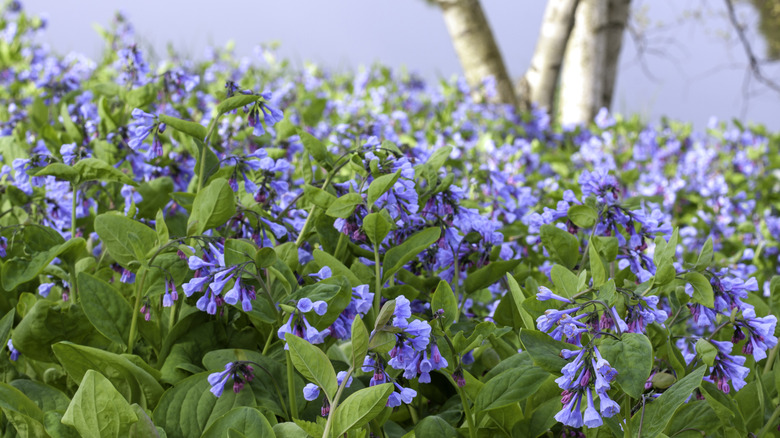
Native perennials are key if you're designing a natural woodland garden, and it's hard to beat the true blue beauty of Virginia bluebells (Mertensia virginica) under trees or along shaded borders in Zones 3 to 8. Strong root systems developed in cooler soil temperatures are just one reason why November is an excellent time to establish the bell-shaped flowers. Whether growing them from seed, bare root, or potted plants, fall planting also mimics the woodland perennial's natural developmental stages. Although seedlings may take a few years to bloom, once established Virginia bluebells are very low-maintenance.
Oriental poppy
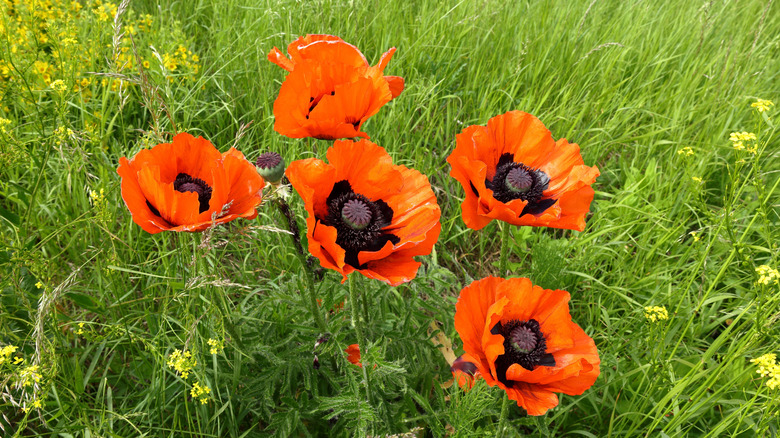
Despite being a short-blooming perennial, Oriental poppies (Papaver orientale) are a thrilling addition to gardens in Zones 3 to 7. Available in scarlet red, tangerine orange, salmon pink, and other colors, they're surprisingly easy to sow from seed even if you're a beginner. November is a better time to start them than spring months, because they require cold exposure to bloom. Oriental poppies will thrive in most types of soil, as long as it drains well. Locate them in a sunny spot surrounded by spring and summer companion plants that will hide browning foliage as they become dormant.