

Why You Should Think Twice Before Pressure Washing Exterior Brick
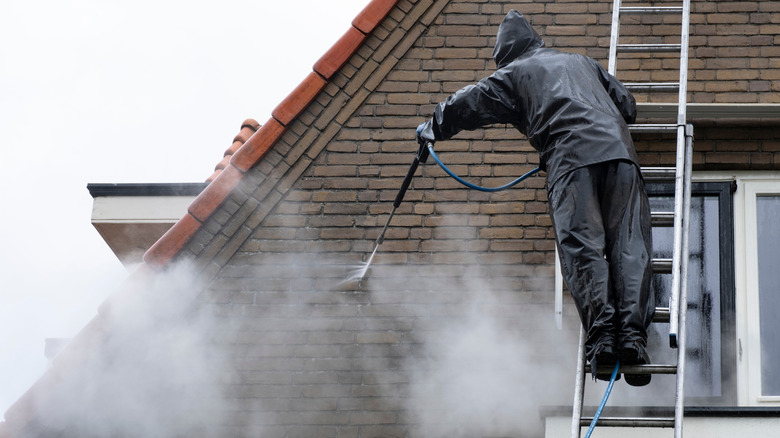
Anyone who owns a brick home, has a brick pathway, or has any kind of exterior brick structure knows that they need to be cleaned every so often. Bricks can fade, weather, and get dirty with mold, mildew, and other organic material. A pressure washer is a tool that could take care of most of that in very little time. However, the potential damage it can cause might make you want to think twice before using it on exterior bricks.
A pressure washer uses a motor to blast pressurized water through a constrictive nozzle. You can use one to clean a wide array of different things, including concrete, patio furniture, fences, and even the walls of an in-ground pool. You can also use a pressure washer to clean bricks, though it is generally not recommended. The amount of pressure generated by the washer could easily damage the brick, causing cracking and chipping, and also break away the mortar that holds the structure together.
However, if you're careful, you can clean bricks using a pressure washer. First, inspect the bricks to make sure there is no preexisting damage that could be exacerbated by the pressure washer. Next, set the PSI (pounds per square inch) to 800 PSI or lower in order to not cause the aforementioned damage. When cleaning, keep the nozzle moving constantly to avoid lingering too long in one spot, and clean at a distance of between 12 and 16 inches. Following these steps should avoid causing any damage.
How to safely clean bricks without a pressure washer
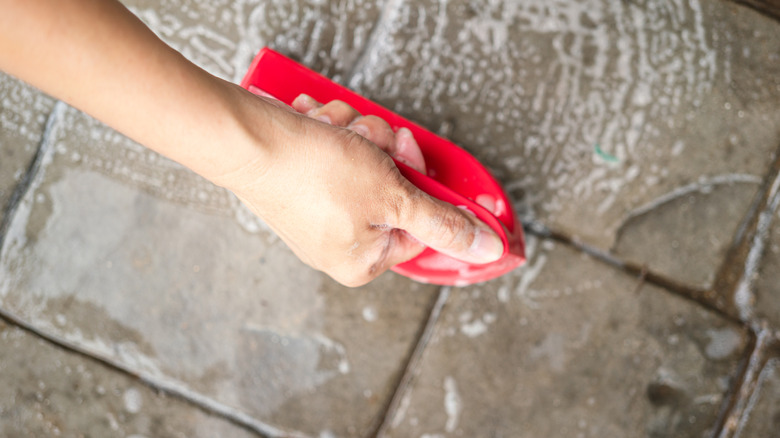
While using a pressure washer will certainly make the brick cleaning go by quickly, you will especially want to avoid using one if you own a historic or traditional home made from brick. In this case, you need to be much more careful about how you clean. While they remain a sturdy material, older bricks and mortar are more fragile than newer ones. As such, in order to better preserve their historicity, you should aim to clean any older bricks in a much gentler fashion.
It would be best to use a homemade cleaner concocted either of equal parts vinegar and water mixed together in a spray bottle, or dish soap and baking soda. Since brick and mortar are porous materials, these gentle detergents will help loosen and lift any dirt or debris without setting into the materials themselves. Allow the detergent to sit for between 5 and 10 minutes before rinsing or scrubbing.
As for brushes, a softer abrasive nylon brush is best when it comes to scrubbing bricks. A metal wire brush, like a pressure washer, can cause damage to the mortar. Once the bricks have been scrubbed, rinsed, and dried, utilize a brick- and mortar-friendly sealant that will help keep the bricks cleaner for longer periods of time.