

How Long Does A Robotic Lawn Mower Usually Last?
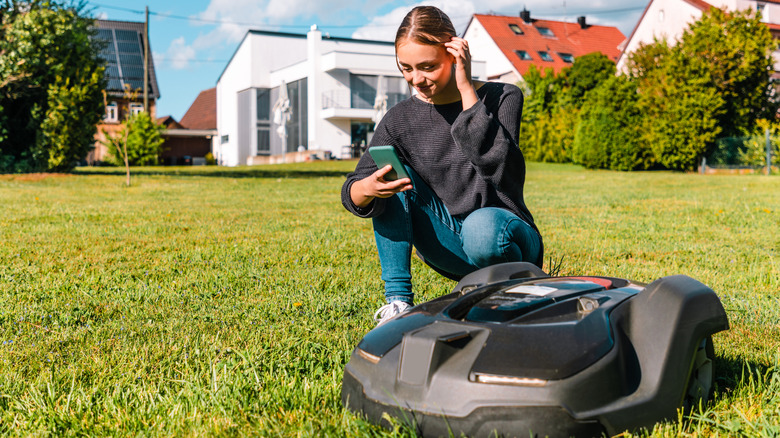
No pushing. No wrestling with a pull cord. No spending half of Saturday walking back and forth across the yard. A robotic lawn mower is basically a tiny butler for your grass that mows your lawn so you do not have to. The problem? Robotic lawn mowers are expensive. They can cost, on average, anywhere between $600 and $2,500, and when you are spending so much on something, you expect it to last. The lifespan for a robot mower is typically around 5 to 10 years.
That said, the actual lifespan of a robotic lawn mower will depend on how much you use it, the conditions of your yard, and how well you maintain it. Also, it is important to note that a robotic lawn mower contains several parts, and each part wears out on its own schedule. So, while your robot lawn mower may keep running for many years, some of its parts will need to be changed along the way. Take, for instance, the battery. Husqvarna, a large manufacturer of outdoor products, says that the battery of a robotic lawn mower will typically last between two and five years.
Similarly, blades are another part of the robotic lawn mower that need to be replaced multiple times in its lifespan. In fact, they wear out much faster than the battery and often need to be changed every few months. A number of other motor, battery, and mechanical components also have varying lifespans and might need attention or replacement over the mower's life.
Conditions that can harm your robot mowers lifespan
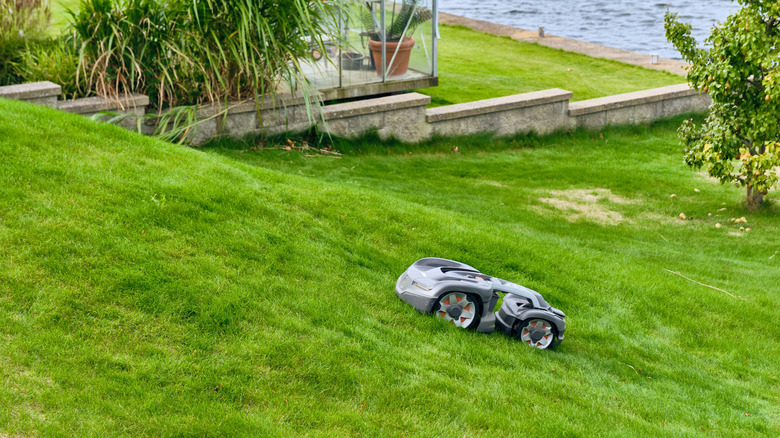
One of the biggest factors that can impact how long your robotic lawn mower lasts is how hard you make it work. For instance, if you use a robotic lawn mower that is designed for a small yard on a large lawn, it will not last long, as it will have to work for longer periods than it was designed for. The condition of your lawn matters just as much. Steep slopes, rough ground, and other challenges can reduce a mower's lifespan.
Then there is how often you mow. Mowing more often means your robotic lawn mower has to work and charge for longer periods, which can deteriorate the health of its battery. Similarly, heavy use will require you to replace lawn mower blades more often. Weather is another factor that can also affect the lifespan of your robot lawn mower. Heat, for instance, is not good for batteries and other electronic parts. Rain, humidity, and heat can all cause the components of a lawn mower to break over time, and the more a robotic lawn mower is exposed to these things, the shorter its lifespan will be.
Lastly, there is the build quality. A robotic lawn mower that is built from sturdy materials will last much longer than more affordably made models. So, when you go out to buy a lawn mower, don't just jump for the cheapest model possible.
Maintenance can improve robot mower lifespans
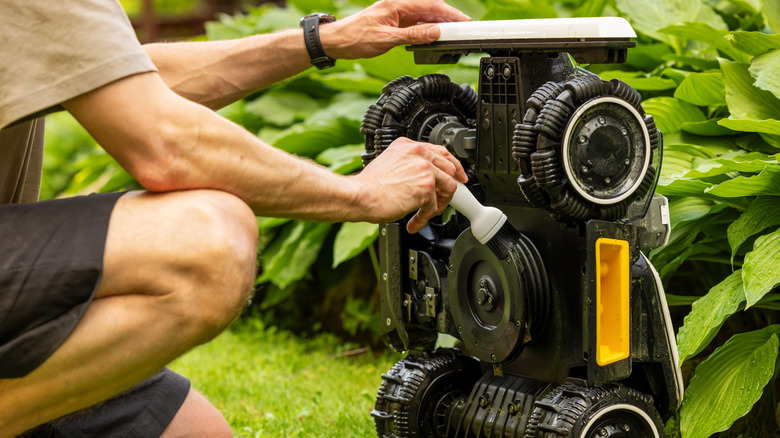
If you want to extend the lifespan of your robotic lawn mower, regular maintenance is crucial. One of the most important factors is keeping it clean. This is especially important for the underside of the robotic lawn mower, where grass clippings, leaves, dirt, and other debris can build up. Keeping the underside clean allows the mower to perform more easily and efficiently; you should also regularly clean the charging ports and sensors for optimal performance. Pay attention to the blades as well. Dull blades put stress on the robotic lawn mower – just don't oversharpen your lawn mower blades, as this can also cause issues.
Optimizing your mowing schedule can also improve a mower's lifespan. For instance, in seasons when grass grows slowly (typically late fall through spring for cool-season grasses, and fall through early summer for warm-season varieties) , reduce mowing frequency to the minimum necessary. Keep the mower's path clear to allow easy movement. And lastly, instead of docking the mower throughout winter, store it and its charging station to preserve battery health. These things won't make your robotic lawn mower last forever, but they sure will help improve its lifespan.