

Is October Too Late To Fertilize Your Lawn?
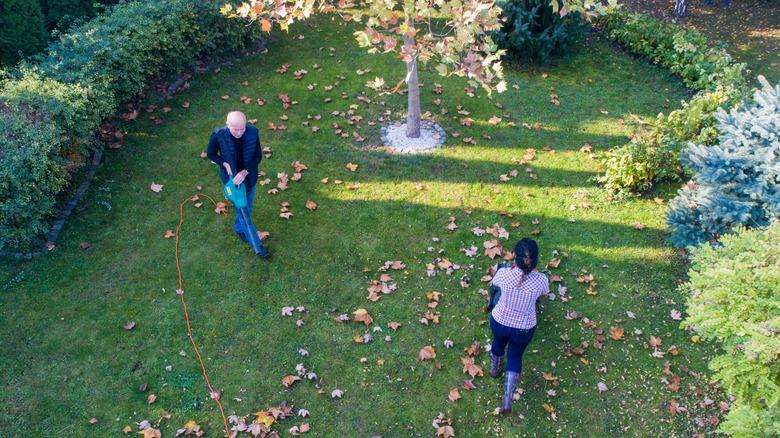
Between aerating, overseeding, applying insecticide, and fertilizing, fall lawn care can seem like an endless to-do list. And part of the difficulty is getting the timing right for all of these maintenance tasks. When it comes to fertilizing, doing so in the fall helps your grass recover from the stresses of summer and strengthens it for the winter months. However, the exact timing depends on the type of grass you have. For instance, October is still a safe time to feed cool-season grasses, but it could be too late for warm-season grasses.
Learning how and when to fertilize your lawn starts by knowing if you have cool-season or warm-season grass. Cool-season grasses, like Kentucky bluegrass and perennial ryegrass, start growing earlier in the season and go dormant in the summer, only to start growing again in fall. Meanwhile, Bermudagrass, St. Augustinegrass, Zoysia, and other warm-season grasses don't start growing until later in the spring and continue thriving until temperatures begin to drop in fall.
This is why early fall, particularly September, is the best period to apply the last round of fertilizer to warm-season grasses. This gives them more time to get the benefits of the application before they go dormant. If you missed that window, you'll want to skip fall fertilizing and wait until spring. But if you have a lawn full of cool-season grass, there's still time.
Fertilizing your cool-season grass lawn in October
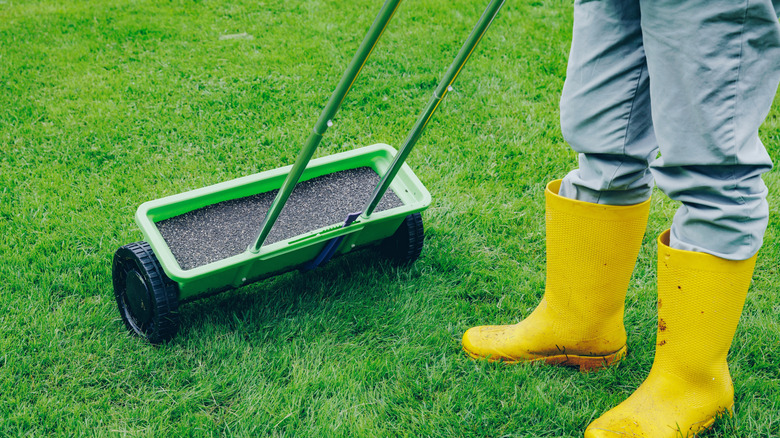
The general window for fertilizing cool-season grass is from mid-September through October. To decide on the specific timeframe, count back six to eight weeks from the first expected freeze in your area. If you live in a warmer area where the freeze holds off longer, your last fertilizer application can happen later into October or possibly early November. In colder climates, September is ideal, but early October can also work. Just make sure the grass is still green and hasn't gone dormant. The fertilizer won't be beneficial if the grass can't absorb the nutrients, making it a waste of time and resources.
If you want the best results, don't start fall fertilizing until you have done a soil test on your lawn first. The testing helps you decide which nutrients your lawn needs, which guides your fertilizer decision. Cutting back on nitrogen is also important if you fertilize your cool-season grass later in the fall. That way, you won't have unwanted excessive growth when the lawn breaks dormancy in the spring. Finally, before you apply fertilizer, check to see if your state or local jurisdiction limits when and what type of fertilizer you can apply. Fertilizing the lawn may be one of those fall maintenance jobs we hate, but you'll thank yourself in the spring.