

The Downsides Of Gravel Driveways Nobody Talks About
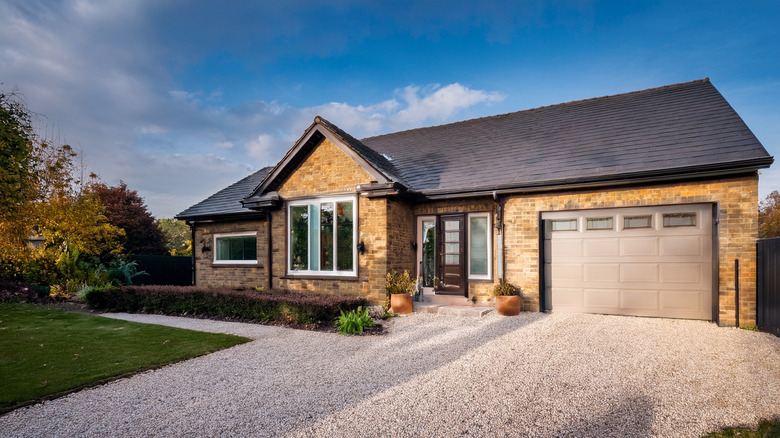
Gravel may be the cheapest driveway material that's also the easiest to install, but it has some serious drawbacks that you don't always hear about. Upkeep can be time consuming. While you don't have to seal gravel, you do have to worry about weed growth, ruts, and shifting stones. The driveway material can also interfere with regular activities. Since the rocks move easily, you could have problems clearing snow from the surface or keeping your footing and balance when you walk, ride a bike, or push a stroller or wheelchair over the material.
Knowing these drawbacks of gravel lets you make an informed decision — it can help you decide if you want to go the cheap gravel route or consider other options that might cost a little more. You might still decide that rocks are the best way to cover your driveway, but you can take some precautions to minimize the problems. For example, you might plan to install driveway edging to prevent the rocks from washing away or shifting into the yard. And since there are different types of gravel for driveways, identifying the main issues can help you choose a rock type that might help mitigate your biggest concerns. Learn more about the maintenance and functional limitations that could impact your decision on a gravel driveway.
Gravel driveways require a lot of maintenance
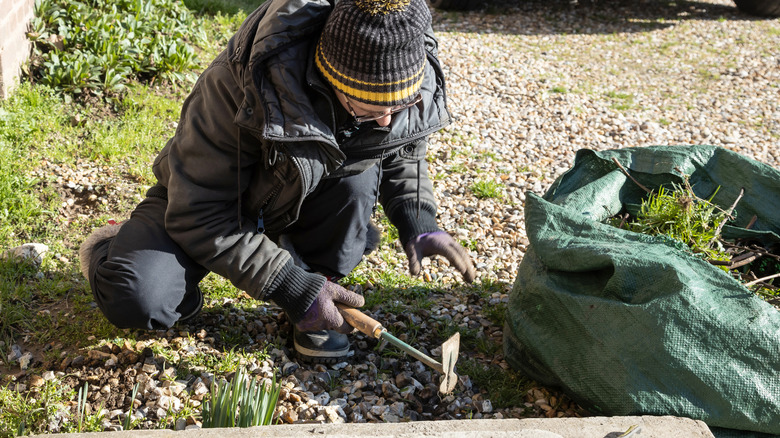
Even though gravel makes the list of best stylish alternatives to concrete for your driveway, it does create more work than concrete in some areas. Since gravel isn't solid, like concrete or asphalt, weeds can grow between the rocks and take root in the driveway. It's also possible for weed seeds to blow onto the driveway and grow in the dirt and organic debris that have settled in the rocks. Managing the weeds is easier with a good base to keep them from growing up. Routine raking to get rid of organic debris and pulling weeds as soon as you see them can also help.
Gravel driveways sometimes develop ruts or areas where the rocks wash away. It's usually due to a water problem — for some reason, the driveway isn't shedding water like it should. This can happen if the grading isn't correct or the base wasn't built properly. As the ground underneath becomes softer due to the water, the ruts can form. If you're building a new driveway, pay particular attention to those areas. If you already have a one that's forming ruts, performing repairs can keep it from getting worse.
Whether or not you're dealing with driveway issues, you'll want to perform routine maintenance to keep it in good shape. You may also need to occasionally add more gravel to the area if it washes away, shifts, or becomes compacted. Reshaping a driveway is necessary if the crown and edges become distorted — it ensures water drains off the surface well.
Gravel can be a messy material that's difficult to navigate
When choosing a driveway material, consider the local climate, how you use the area, and how the material might impact those uses. Gravel is a dusty material, especially when it's hot and dry, so it can leave a layer of dust on your grass which can also enter your home. A spray of water when the gravel is particularly dry can help settle the dust. It's also noisy when you drive on it, which isn't a huge deal, but it could become annoying. On the other hand, that sound makes it difficult for someone to drive up to your home undetected.
You might also have issues in the winter if your area receives a lot of snow. It's difficult to clear a rocky driveway consistently without kicking the rocks off of the drive, and the gravel could cause damage to your snowblower. A shovel gives you more control, but it's strenuous and you'll still likely scoop up some rocks. Likewise, if you live in an area with heavy rainfall, the rushing water could displace some of the driveway material.
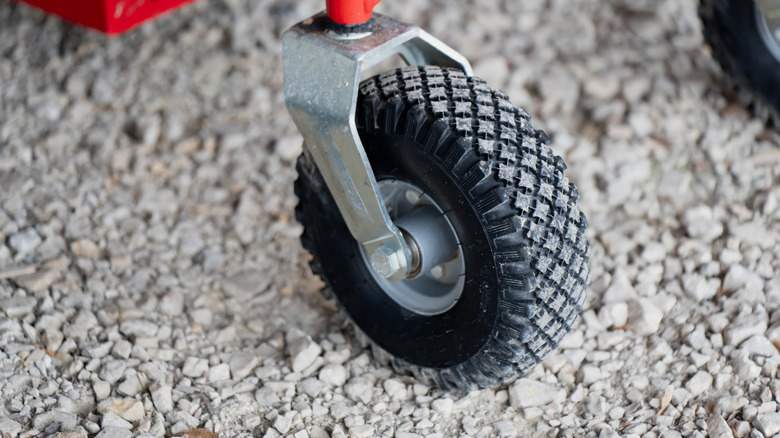
Gravel isn't as solid and stable as pavers, concrete, or asphalt, and the shifting rocks could lead to issues walking or riding over it. Anything with wheels, like strollers, wheelchairs, wagons, and bikes, often doesn't roll smoothly over gravel. Loose rocks can also cause you to lose your footing while walking over the driveway. And just as more dust can enter your home, the loose rocks could also get caught in shoes and other items and end up inside. Not only does that cause the need for more cleaning, but the rocks could leave small scratches on your flooring. Keep these downsides in mind before picking gravel for your driveway.