

Harvest Seeds From These 14 Outdoor Plants Before September Ends & Thank Us Later
While many gardeners are reaping the September harvest and wondering what to plant in the fall before winter arrives, they might not be paying attention to what seeds they could be saving from their garden. Seed saving is a time-honored tradition that involves harvesting the seeds from annual or perennial plants and preserving them for future seasons. While it's not as widely practiced today as it once was, there are lots of seeds you can harvest before September ends that will help you prepare for a flourishing garden next season.
You can save seeds from a wide array of different plants, including flowers, herbs, trees, fruit, and vegetables. It all starts by learning what to look for. Perennial flowers and herbs will go to seed, aka bolting, which is when they shift their energy from blossom and leaf production to seed and root development. Timing for harvesting is important because you need the seeds to be brown and ripe, but capture them before they are expelled by the plant.
With vegetables, apples, or trees, things are a little different. Oaks, for example, will naturally drop their acorns, which can be collected and preserved, whereas you can harvest the seeds directly from the vegetable or fruit. Whichever plants you choose to save seeds from this September, however, you'll be thanking us that you did. It's one of the most eco-friendly things you can do for a garden that will consistently perform year after year.
Sunflower
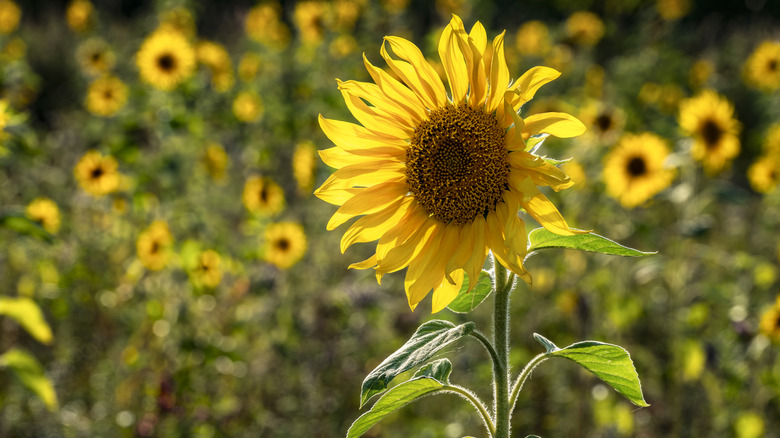
Saving seeds from sunflowers (Helianthus annuus) is one of the easiest things to do after they've bloomed. This is thanks to the massive seed head that produces the characteristic, teardrop-shaped seeds. Once the flower petals wither and the heads droop in mid-September, cut the head off, brush away any remaining flower starts, and hang it indoors until they are completely dry. Once the seeds are ready, you can remove them from the head, rinse them with water, and leave to dry again. Store them in an airtight container at room temperature.
Beans
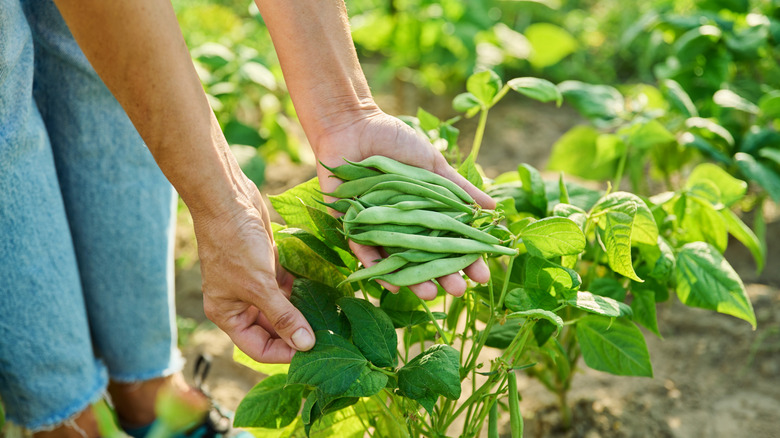
If planted late in the summer for a fall crop, beans (Phaseolus vulgaris) can be easily harvested in September before the weather starts to turn cool. It would be worthwhile to sacrifice some of the harvest to save the seeds, as beans come naturally pre-packaged in a pod, which needs to be removed anyway. Let the chosen beans dry out on the vine before removing them from pod. Then leave the exposed beans on a baking sheet for a week to dry further before storing in an airtight container or seed packet.
Tomatoes
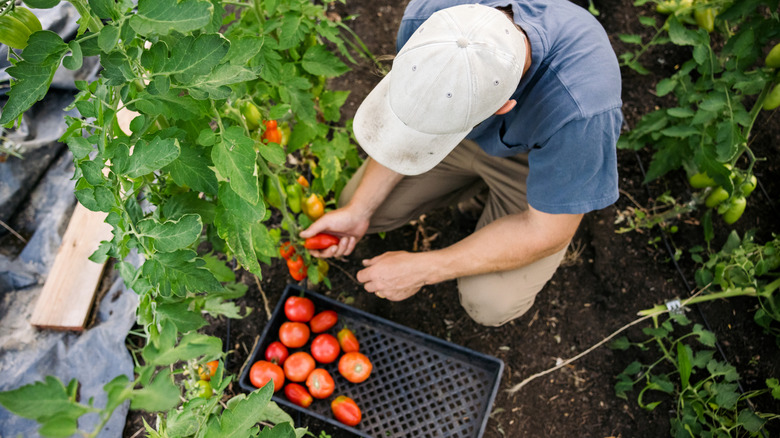
While most of your September tomato (Solanum lycopersicum) harvest will be going into salads or pasta sauce, you should set a few aside to save seeds. One thing you'll notice is that the seeds are coated in a gelatinous layer. This needs to be removed for proper seed saving. You do this by squeezing the seeds and pulp out into a jar, adding water, and fermenting them for several days until the outer layer is removed. After this, rinse the seeds and allow them to dry fully before storing. Properly saved tomato seeds will easily last four to six years.
Herbs
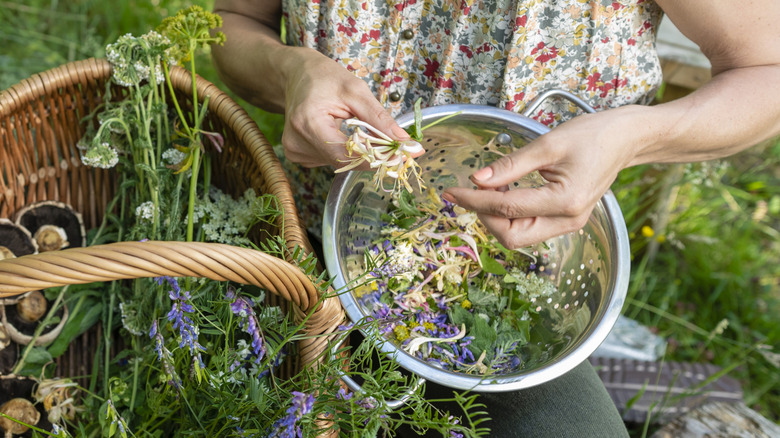
Herbs that grow well in the fall, such as parsley (Petroselinum crispum) and oregano (Origanum vulgare), can be harvested in September for their seeds. Just like with summer herbs, you need to wait for the fall herbs to bolt before harvesting seeds. Timing is critical, as you need to wait for the seed heads to look like they are about to split before removing the entire seed head. Keep this in a paper bag until the seed pods have opened and expelled the small seeds. Shake any remaining debris off the dried seeds and store them in paper slips.
Coneflowers
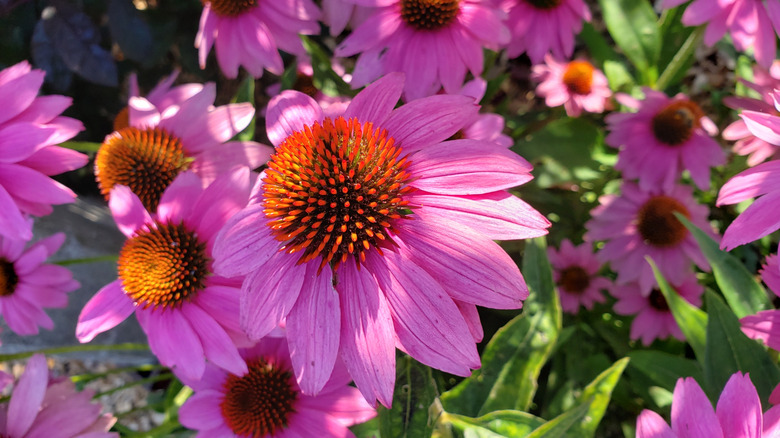
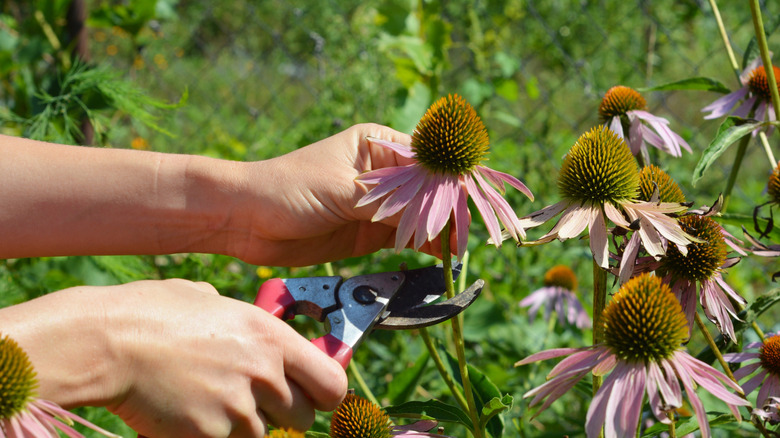
Though perennial coneflowers (Echinacea purpurea) are self seeding flowers you only need to plant once, saving some when the flowers are spent in September is a great way to manage the population, or to share with friends. Like sunflowers, coneflowers have a very pronounced seed head that can be removed from the stem once the petals have died. Allow the seed head to fully dry in a breathable paper bag. Once it's ready, place the heads in a mason jar and shake until the seeds separate from the chaff. Pick out the dried seeds and store them in another container.
Peppers
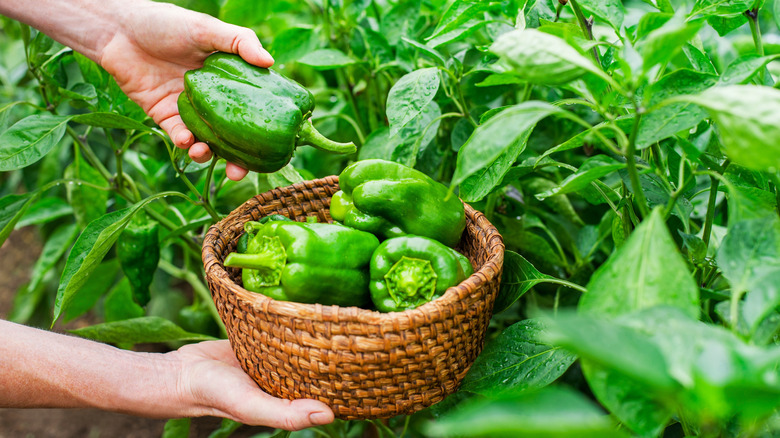
Because of cross pollination between pepper species (Capsicum spp.), you could end up with some kind of mutated hybrid seed, which, though cool, does not preserve the genetic integrity of the plant. As such, you really only want to save pepper seeds if you are growing a single type. To save the pepper seeds, cut open a ripe pepper and shake out the seeds into a pot of water. Mature seeds will sink to the bottom. Rinse them and then leave them to dry completely for a few days before storing in an airtight container where they should last about four years.
Oak acorns
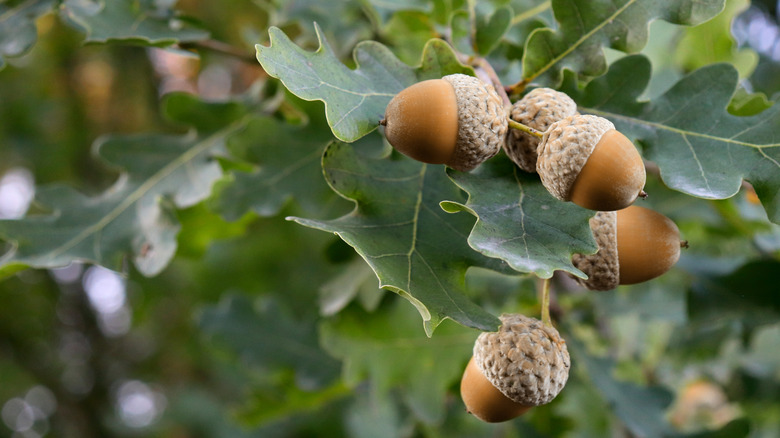
The oak (genus Quercus) acorns we all remember collecting as kids will actually grow new oak trees if you save them properly. The very best time of year to collect acorns is the early fall, making September ideal. The healthiest acorns are those you can pick directly from the tree itself, though freshly dropped ones will be okay so long as they are not rotting or damaged. To store the acorns, remove their caps, rinse, and allow to dry on paper towels. Keep stored in sealed Ziploc bags in the fridge until planting time comes in spring.
Apple
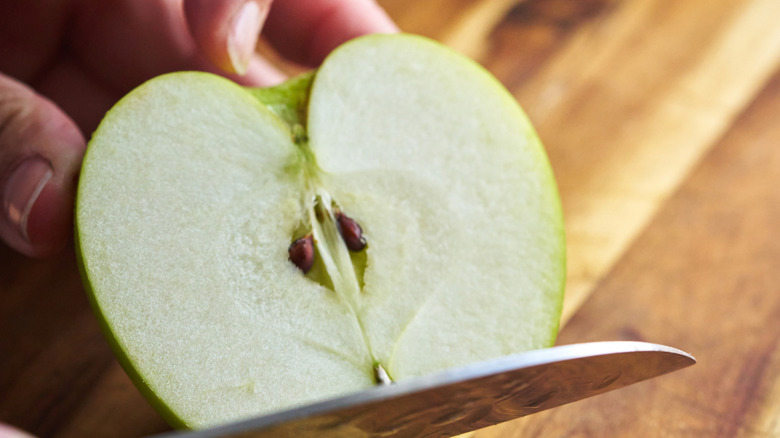
Many different types of apples (Malus spp.) come into season during September, such as gala, Macintosh, cortland, and honeycrisp. If you've ever wanted to grow your own apple trees, a fun way to get started would be to save the seeds of some of your favorite types of apples that you picked from a local orchard. After you've eaten the apple or cut out the core, remove the seeds, rinse them, and allow them to dry for several days. For spring planting, store the seeds in the fridge in a bag filled with peat moss to keep them moist and cool without sprouting.
Peas
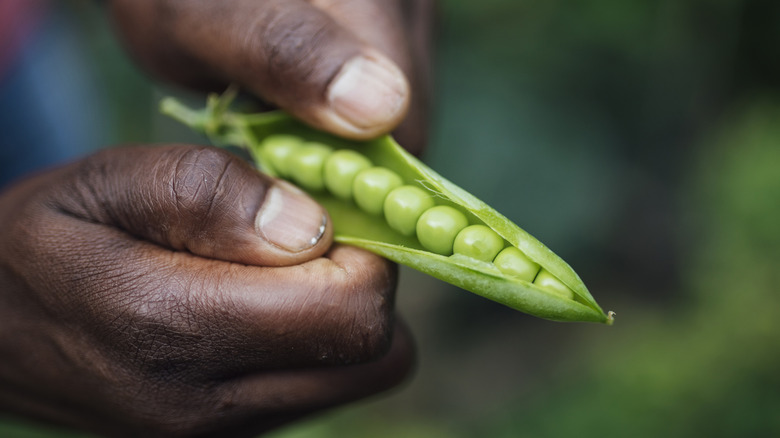
Peas (Pisum sativum) are a fun garden crop because you can get two plantings, one in the spring, and another in the fall. If planning the latter, make sure you plant the peas at least eight to 10 weeks before your last expected frost date, which varies depending on your climate zone. Like beans, saving peas requires them to be dried on the vine before being picked. Then you can remove the peas from the pod and allow them to air dry for an entire week before storing them. Pea seeds typically last an average of three years.
Snapdragon
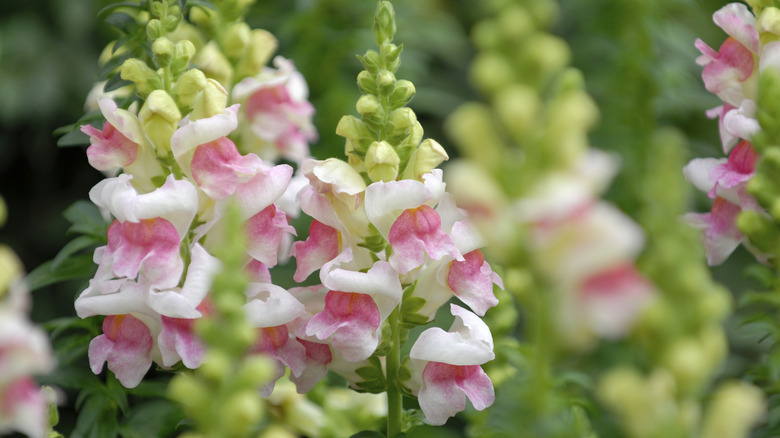
Since they are mainly grown as an annual, collecting snapdragon (Antirrhinum majus) is a great way to never have to buy seeds from the store again. While the blooms can last almost all summer long in cool climates, by September they are spent and ready to die back. The really cool way you'll know the flower is ready for seed collection is when the seed capsules dry and bear a striking resemblance to human skulls. If the dried pods rustle when you shake them, the seeds are ready for removal. Simply open up the pods and store the seeds in an airtight container.
Nasturtium
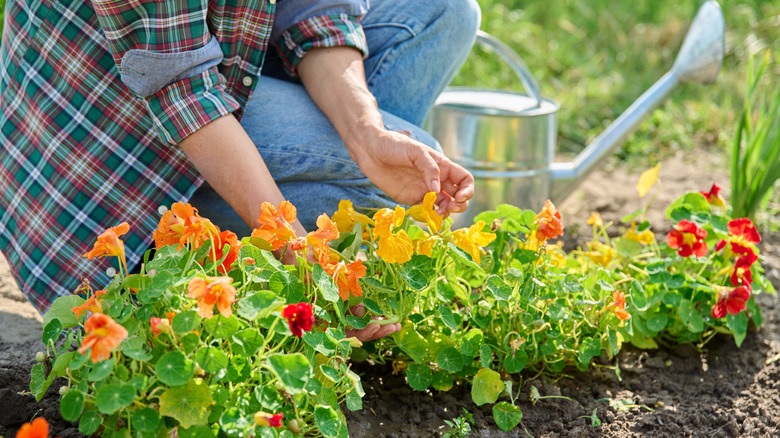
Depending on whether you live in a warmer or colder climate zone, you could grow nasturtium flowers (Tropaeolum spp.) as a perennial or annual. If you need to do the latter, you should try and save the seeds in the fall. They are easy to identify, as they are rather large and look like peas. These seed pods will appear once the petals begin to fall. The pods need to dry slightly before they can be picked with your fingers or snipped with garden scissors. Spread the seeds on a paper towel and allow to dry for two days before storing them.
Coreopsis
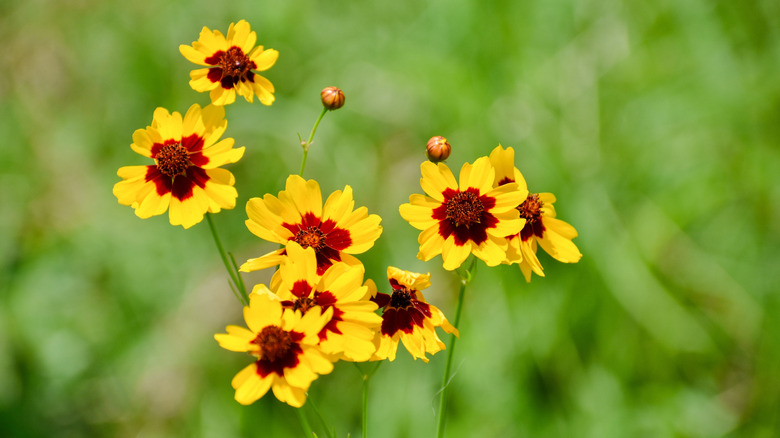
Commonly known as tickseed, coreopsis flowers are among the very best flowers to plant by a birdbath because they are long lasting blooms and birds absolutely love to eat their seeds. However, you should be saving some for yourself. Since the blooming season for tickseed is so long, you might find some flowers to still be blooming while others are spent. The ones that are ready for seed harvesting will be brown, dried, and shriveled. Gently crush the seed head to loosen and remove the seeds. Allow to fully dry for at least a week before storing in bags for up to a year.
Zinnia
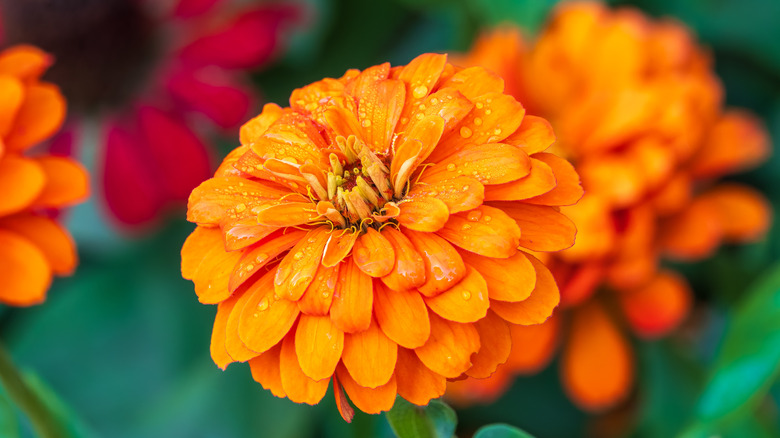
The all-in-one flower that birds and butterflies cannot resist, zinnias (Zinnia elegans) are among the most beautiful flowers you could plant in your garden. What other reason do you need to save seeds from them? While you could always just let them die back and return the following season, a more controlled approach would be to harvest the seeds so you can plant them where you like. Wait for the seed heads to dry completely before removing them from the stem. Gently shake the dried seeds out into an envelope and store in a cool, dry place for up to two years.
Rose
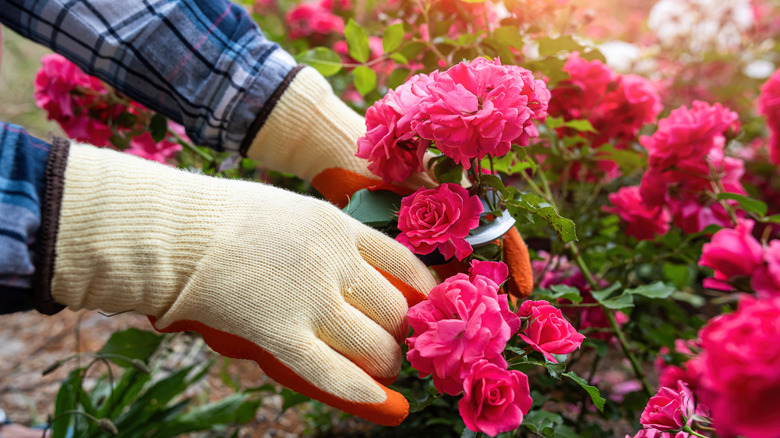
Saving rose (Rosa spp.) seeds can be time consuming, but it is worth the effort. Once the bushes start to establish rose hips, which are fruit bulbs, the late summer or early autumn is when you can begin collecting seeds. Remove the rose hips from the bushes, slice them open, and allow them to soak for 24 hours. Strain the water and keep only the seeds that have sunk to the bottom. Allow them to dry completely before storing them in a cool, dry location. They will keep for at least a year.