

It's Not Lemon: The Other Citrus Essence That Keeps Ticks Away

Ticks are increasingly becoming more of a nuisance as milder winters fuel greater numbers of these arthropods beyond the traditional April to September season. A longer tick season ultimately means a greater threat of tickborne diseases, with Lyme disease rates consistently rising in the United States. Ticks are not going away, but there are ways you can protect yourself and your family from these parasites. For example, you may be able to repel fleas and ticks with lemongrass oil as an alternative to using chemicals. Lemon is not the only scent that may potentially keep ticks away, though. Certain compounds in grapefruit essence could also be used to help repel ticks, so long as you know the right way to use the product in conjunction with other tick control methods.
More commonly known as grapefruit essential oil, grapefruit essence is derived from grapefruit rinds. This also happens to be where potential tick-repelling nootkatone compounds are located. Nootkatone is also found in Alaska yellow cedar trees. Aside from its repelling effects, these natural compounds may even have the potential to kill ticks as well as mosquitoes.
Nootkatone is a relatively novel compound in the repellent world, with the Environmental Protection Agency (EPA) first registering the active ingredient for keeping away insects in 2020. While nootkatone is a common compound in grapefruit-containing personal care products, there are not many commercial repellents containing it just yet. Until more manufacturers potentially develop nootkatone tick repellents, you might be able to use grapefruit essential oil directly, to some degree.
Using nootkatone in grapefruit essence for repelling ticks
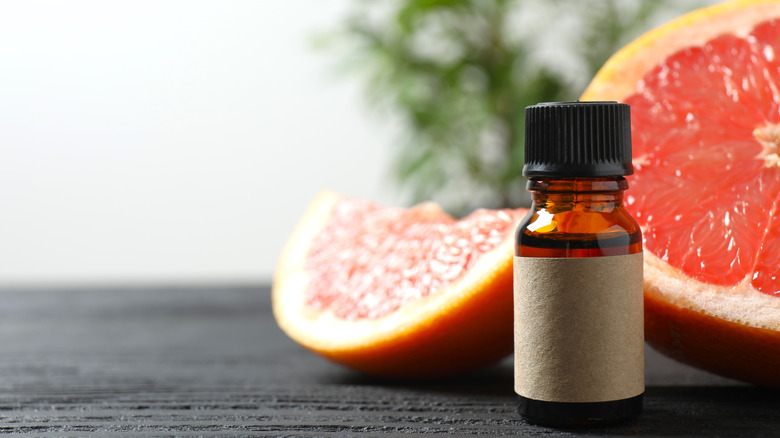
If you're looking for an alternative to the traditionally-recommended, DEET-containing repellents to ward off ticks, you may be able to give grapefruit essence a try. Before proceeding, though, be aware that nootkatone doesn't have the same decades-long backing as DEET, and the two ingredients work in different ways. Grapefruit essential oil does contain nootkatone, but keep in mind that it may not be as potent as a commercial product specifically designed for ticks, and there are no official guidelines for using grapefruit essence for such purposes.
Like other essential oils used for topical reasons, grapefruit essence should always be diluted in carrier oils before applying to the skin. Use cautiously on exposed skin in the sun, as citrus oils may pose the risk of photosensitivity and burning. You may also try this DIY tick repellent that only requires three ingredients for a citrus-free version. Just know that these methods are not intended for pets, as grapefruit is among the many essential oils considered toxic to cats and dogs.
Aside from using grapefruit essence correctly, it's important that this nootkatone-containing substance is used in conjunction with other tick management techniques around your home. Maintaining grasses, bushes, and shrubs can help make these spots less appealing for ticks to hide out in, and certain plants may help keep ticks out of your yard to some degree. Wearing light-colored clothing around your yard and garden is also a good idea, as it's easier to spot possible ticks that crawl on your clothes before they get a chance to bite your skin.