

Forget Store-Bought Mulch: There's A Cheaper, More Eco-Friendly Landscaping Option
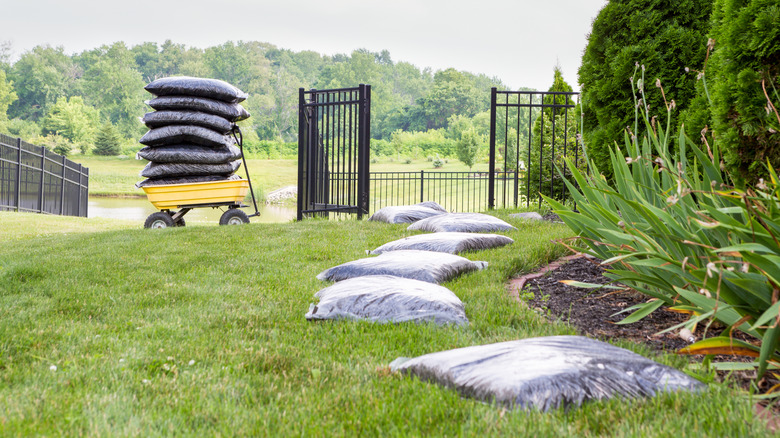
Buying and using landscaping mulch can get costly, averaging between $2 and $10 per cubic yard. That may not sound like a lot, but depending on how much space you need to cover and the type of mulch you choose, you could end up spending quite a bit each season on your landscaping. Or, consider a far cheaper, and more eco-friendly landscaping option you can make more of each week: grass clippings from mowing your own lawn. Spreading clippings under plants or in a garden bed is an affordable and more eco-friendly approach to mulching.
Whether you have a huge area or only a tiny patch of lawn, there are numerous benefits to repurposing grass clippings, not the least of which is that they are totally free. Another is the fact that you are not contributing to creating additional plastic waste because you are not purchasing bags of mulch from the hardware store. Then there are the aesthetics. Leaving excessive amounts of grass clippings on your lawn can harm the existing turf, creating patches of dead, unattractive grass, but throwing bags of clippings in the landfill is no good either.
Instead, add your grass clippings to your landscaping beds as an organic mulch that can help reduce weeds, hold moisture, and control soil temperatures. They are a great mulching option for vegetable gardens, flower beds, or around the base of fruit trees. The clippings will break down after two to three weeks, adding beneficial nutrients back into your soil.
How to use grass clippings effectively as mulch
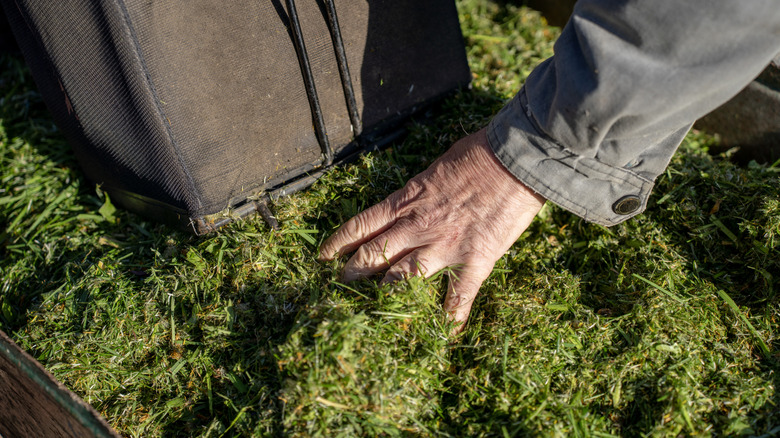
Before you begin using grass clippings as mulch, make sure that they have not been treated recently with any kind of chemical herbicide. Using treated grass as mulch can actively harm your plants because those chemicals can leach into the soil as the grass decomposes. You'll also want to make sure your grass clippings are dry when you lay them down as mulch, as wet clippings can create an block both oxygen and moisture from getting through, and soon smell terrible. You can avoid the grass clippings going anaerobic by applying them, dry, in thin mulching layers of 1 to 2 inches. This will be enough for them to work as weed barriers and hold moisture in the soil, but not so much that it creates a matted layer that holds too much moisture and inhibits airflow. Top-dress grass mulch with new clippings every few weeks as the bottom layers decompose.
If you find you have extra clippings once you're done mulching, rake them back into the lawn for use as cheap and organic lawn fertilizer. You can also toss any extra clippings into a compost pile. Grass will add rich amounts of nitrogen and draw in the natural bacteria that helps compost break down over time.