

Skip Standard Gravel: A Lower-Maintenance, Eco-Friendly Driveway Option That's Just As Durable
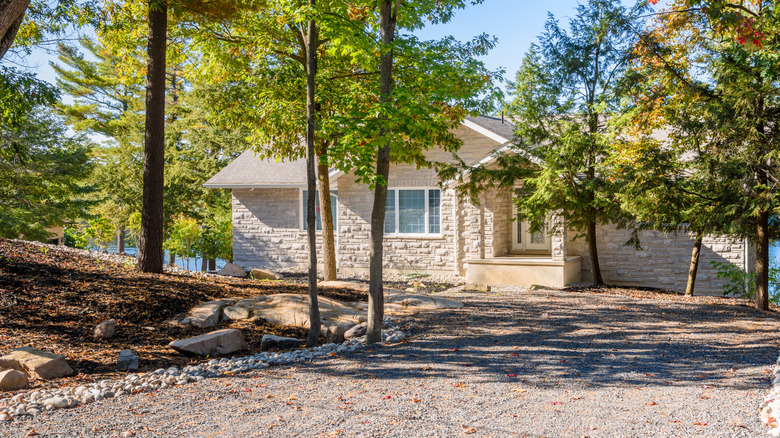
Installing a new driveway or replacing an existing one is a big job with a significant price tag. The three primary materials used for domestic driveways are gravel, concrete, or some form of asphalt. What do we mean by some form of asphalt? There are many types of asphalt, and one lesser-known type used for driveways is asphalt millings. It's made from recycled asphalt ground up into small pieces and mixed with a binder. It's an eco-friendly driveway material. When used to create a driveway surface, it is durable and reasonably priced. Concrete is the most expensive of the three, while gravel is generally the least expensive. Asphalt millings, sometimes called RAP (Reclaimed Asphalt Pavement), isn't much more expensive than gravel. Traditional hot mix asphalt (bitumen and aggregate) is much more expensive than asphalt millings.
Reclaimed asphalt pavement is old asphalt repurposed from roadways, driveways, and parking lots. It's ground up by a huge machine to prepare it for reuse. The eco-friendly nature of the millings is one of its primary perks. It is also cheaper than a driveway made from hot-mix asphalt. You can save 20% to 50% by choosing RAP. Once installed over a proper base (it can be installed over an existing driveway), asphalt millings will compact and bind together, creating a durable, weather-resistant surface that is easy to plow in the wintertime. A hot-mix asphalt drive will generally last 15 to 25 years, while a RAP surface will last around 8 to 15 years. A driveway surfaced with asphalt millings will require some annual upkeep, about the same amount of upkeep as gravel, but more than if you used a hot mix or installed a concrete driveway.
RAP vs. gravel driveways
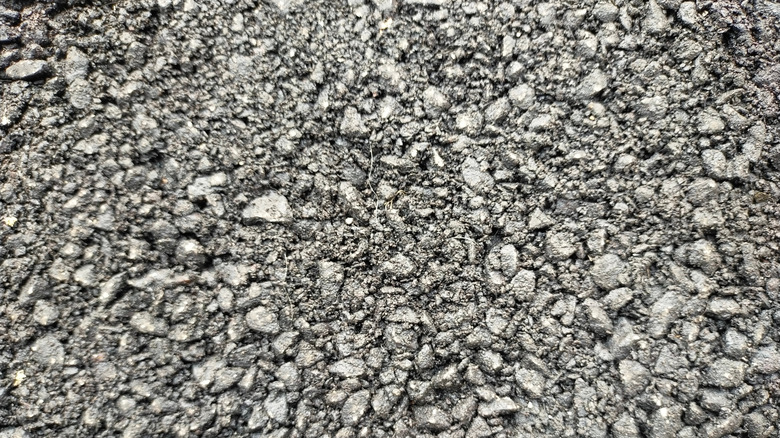
Gravel driveways are durable, and many people find them attractive. They are generally considered the least expensive driveway surface per square foot, although some RAP experts claim it is the least expensive. Maintenance for gravel and asphalt milling driveways is very similar. Gravel driveways require annual maintenance. If installed correctly, they are highly weed-resistant. RAP driveways are not 100% weed-proof. Other maintenance tasks are similar: filling holes, compacting loose areas, and removing weeds. Gravel will need to be graded from time to time, while RAP requires sealing every three to five years.
One significant difference between gravel and asphalt millings is their appearance. We all know the look of a gravel road or driveway. The aggregate surface provides a uniform color. RAP is similar in that its millings pack together, giving it a uniform appearance. It does not look like a typical smooth, dark hot mix driveway. It presents a dustier, textured appearance. Many people find it attractive. But this is totally subjective. Gravel and asphalt-milled driveways each have their own pros and cons. Perhaps asphalt milling's eco-friendly nature will tip the scales in favor of reclaimed asphalt pavement as an alternative to gravel.