

How To Keep Squirrels At Bay By Planting A Flower That's Fast Growing
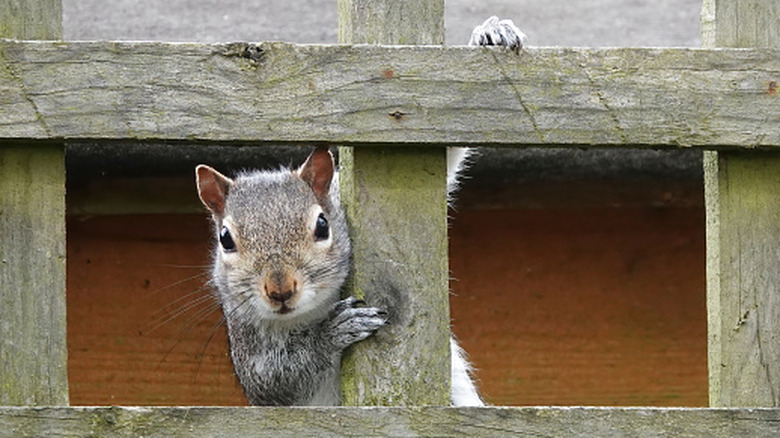
When it comes to pest issues around yards and gardens, squirrels are among the most notorious sources that arise. These fascinating (yet destructive) rodents are always on the hunt for easy meals. Once squirrels find bird feeders, berries, fruits, pet food, or even freshly planted seeds and bulbs, they will undoubtedly keep coming back for future meals. Keeping some of these items out of reach of squirrels can help, but it's certainly challenging to prevent their tiny paws from digging up your garden without some deterrents in place. Such a feat may be accomplished in part with the help of pretty flowers that prevent squirrels from invading your yard. Marigold (Tagetes spp.) is one such option that will also grow fast under the right conditions.
Marigold is a flowering plant native to regions of North and South America. Whether grown in containers on a patio, or directly in garden beds as ornamental plants, they can look gorgeous in any yard or garden. Yet squirrels may not like them so much because of the plant's pungent flowers and foliage. The odor may also disguise the scents of other nearby plants before they become squirrel food. Marigolds are even considered deer and rabbit-resistant, so planting them could be a smart decision if your garden is frequently overrun by wildlife. To top it all off, marigolds are also easy to grow, and they can do so relatively quickly. Marigold seeds can sprout within one week, and the plants can start flowering about 2 months after germination. As a bonus, these colorful flowers self-seed and can improve garden soil, too.
How to grow marigolds to deter squirrels in your garden
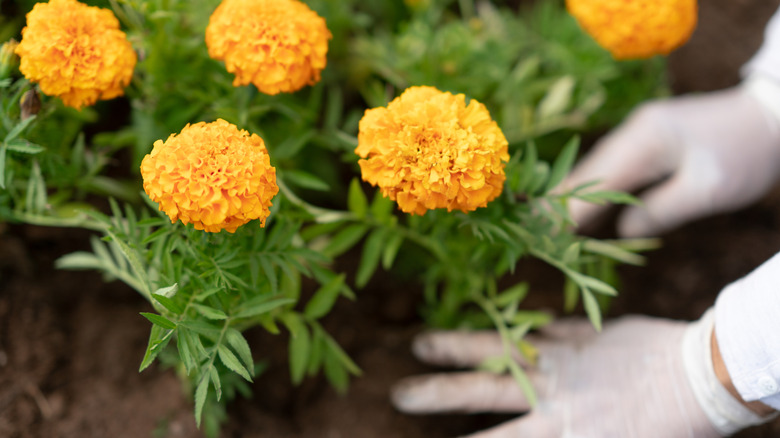
While marigolds can be grown as annuals, they also have an extensive hardiness range in zones 2 to 11. For maximum squirrel deterring benefits, plant marigolds in the spring once the last frost has passed so they will bloom through the fall. These plants grow fast, but they also come in different sizes. If you want a smaller plant for containers, consider signet marigolds (Tagetes tenuifolia), which have a maximum height of 6 inches tall. On the other hand, if you have room for taller plants in your garden, ggo for African marigolds (Tagetes erecta) that can grow 3 to 4 feet tall, or French marigolds (Tagetes patula) for something in between, at 6 to 12 inches tall.
No matter which types of marigolds you choose, make sure they're planted in a spot that gets full sun – doing so will support their fast growth rate. Marigolds also prefer well-draining soil that stays moist (but not saturated) between watering, and they can benefit from an all-purpose fertilizer when you first plant them. However, these flowers do not usually need fertilizer after this point. Over-fertilizing these low-feeding plants can actually result in fewer flowers and subsequently less squirrel-deterring power.
As for placement, consider planting marigolds around areas that are known squirrel magnets. The plants work well as barriers around both garden and landscape beds, which may also offer other nearby plants a fighting chance against squirrel trespassers. Feel free to choose from a variety of marigold colors, including vibrant oranges, reds, and yellows, and even more muted creamy-white versions.