

10 Herbs To Plant If You Like Mexican Cuisine
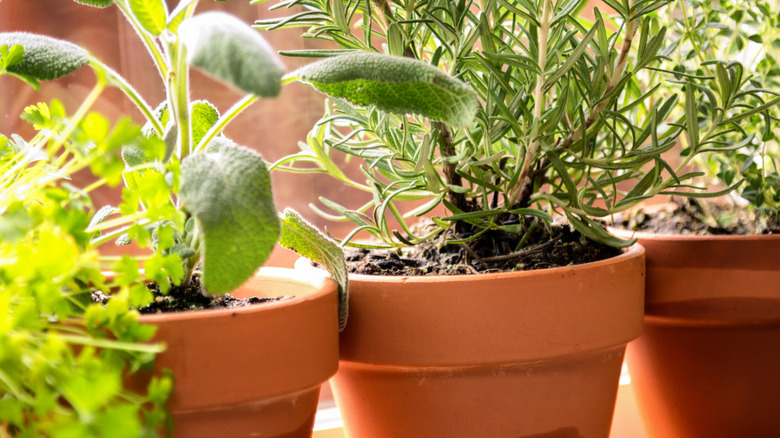
If Mexican takeout has become an integral part of your weekly dinner rotation, you may want to try your hand at making the recipes yourself. Perhaps you've already attempted to replicate your favorite salsa verde or taco recipe, but there's something missing that you can't quite put your finger on. To get that truly authentic flavor, you can't skip herbs that are staples in Mexican cuisine. By growing an herb garden filled with things like cilantro, marjoram, and basil, you'll have access to fresh ingredients you may not find at your local grocery store. Plus, many of these herbs work in a variety of cuisines; you'll probably get more out of your harvest than you think.
First, decide where you want to grow your herbs, whether it's on your kitchen windowsill or in a garden bed. Some herbs offer benefits beyond culinary use, like repelling pests or attracting pollinators, so consider all their qualities when choosing their placement. It's also a good idea to look up some traditional Mexican recipes you already love or want to try, so you know which of your flavorful herbs will get the most use. These are some of the most popular ones used in Mexican cuisine, which dishes they work best in, and how to grow them at home.
Marjoram
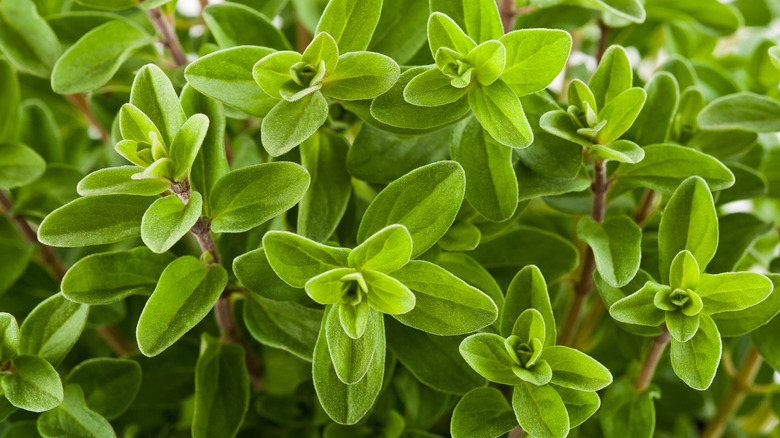
Marjoram (Origanum majorana) may be known as a Mediterranean herb, but it's also commonly used in Mexican dishes, like soups and roasted meats. It tastes similar to oregano, with notes of pine nut and citrus, though fresh leaves have a milder flavor than dried. Although it's grown as an annual in most regions, you can easily grow it indoors to enjoy it year-round. Plant it in well-drained, neutral-to-alkaline soil. Either keep it near a sunny window or in an area in your garden that receives full sun.
Cilantro
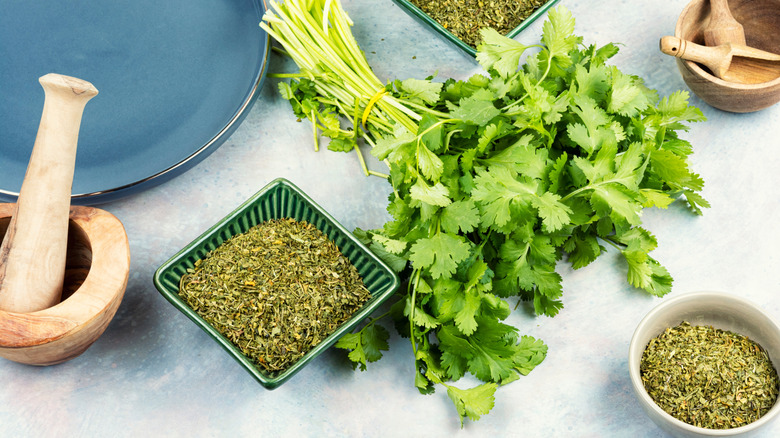
Cilantro (Coriandrum sativum) is an essential, and luckily, it's easy to grow at home. Although this herb is native to the Mediterranean, Europe, and Asia, it's a staple in many Mexican dishes, like tacos, salsa, and guacamole. Plus, dried seeds, often known as coriander, are used to season other Mexican foods, such as soups and vegetables. Because cilantro tends to bolt in the heat, plant it in well-drained soil that receives afternoon shade. You can also add it to your kitchen windowsill herb garden.
Basil
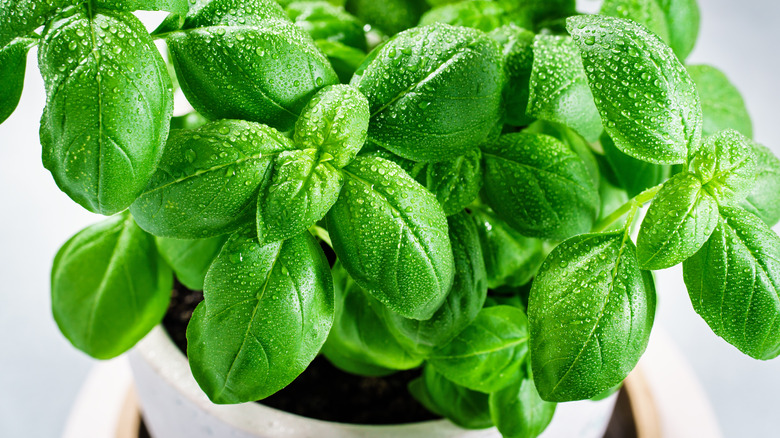
Sweet basil (Ocimum basilicum) isn't just good for making your favorite Italian pesto; it's also a flavorful addition to Mexican foods and drinks. Its fragrant, peppery leaves are used to liven up broths, marinades, and even beverages. Basil is one of the easiest herbs to grow in your kitchen, and there are dozens of varieties to choose from. Whether you grow it on a windowsill or out in your garden, make sure it gets at least six hours of direct sunlight each day. Plant it in a well-drained medium and don't let the soil dry out.
Mexican oregano
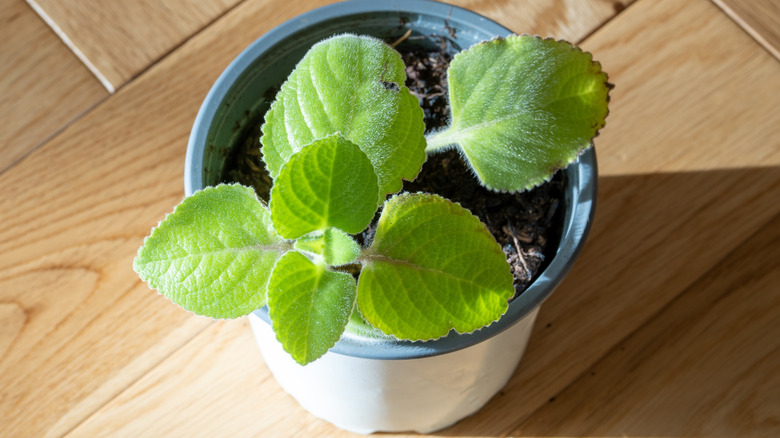
Surprisingly, Mexican oregano (Lippia graveolens) isn't related to the Greek oregano (Origanum vulgare) that you likely already have in your spice cabinet. Its floral and citrusy flavor widely differs from the more earthy traditional herb, so they aren't really interchangeable. Native to Mexico, Mexican oregano is perfect for adding flavor to recipes like chile con carne or mole sauce. It grows best in full sun and rocky or sandy soils. As a desert plant that thrives in dry soil, it doesn't need much from you to flourish.
Epazote
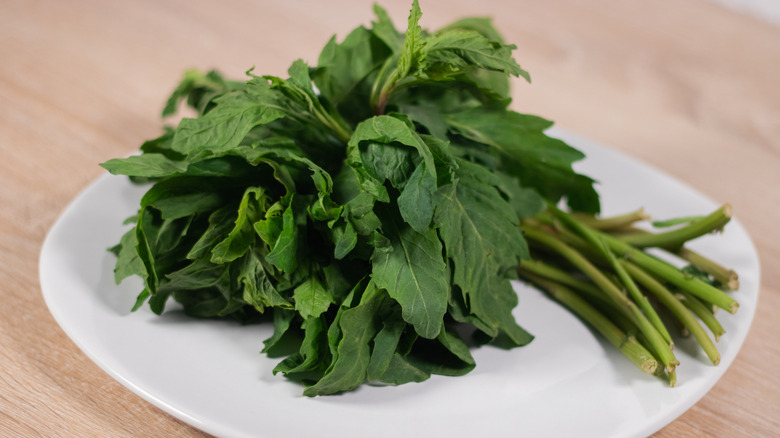
Epazote (Dysphania ambrosioides) is a staple in many Mexican kitchens, so it's a must-have if you want that truly authentic touch. It's most famously added to beans for both flavor and to help prevent the gassy effects. However, you can use it in nearly everything, including boiled salsas, quesadillas, elote, and stews. This herb is somewhat pungent and has a unique flavor that most people either love or hate. If you want to give it a try, plant it where it gets plenty of sunlight. It isn't too fussy about soil type, though the soil must be well-drained.
Hoja Santa
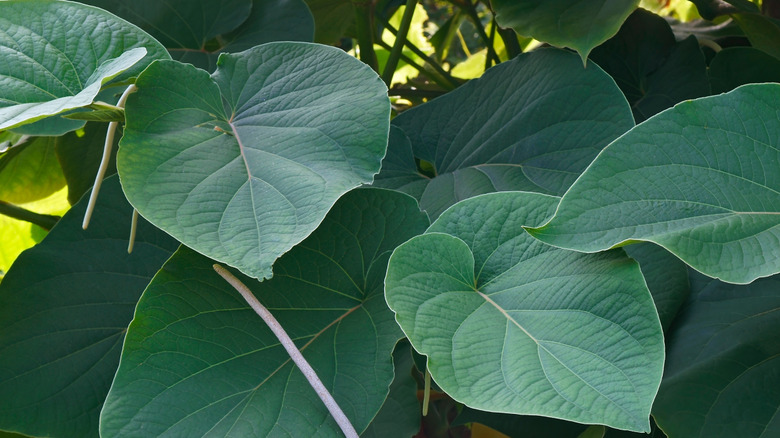
Growing 6 feet or taller, hoja santa (Piper auritum) isn't a windowsill herb. If you do have the space and want to grow this herbaceous perennial, you can use it to create a range of Mexican dishes. The large leaves are the perfect size for wrapping tamales. It's also a flavorful component in moles, soups, and even chocolate beverages. Hoja santa is layered with a variety of flavors, though its sassafras-like notes are most prominent. It grows best in full sun to part shade in USDA hardiness zones 8 through 11. Plant it in rich, well-drained soil.
Spearmint
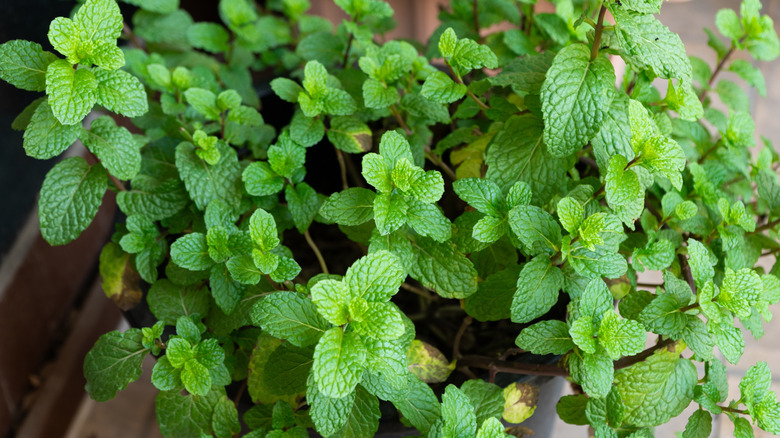
Spearmint (Mentha spicata) has many uses in the kitchen, especially if you love Mexican food. Plus, it's an easy-to-grow herb that can help keep a variety of pests out of your garden. You can use it to make an herbal tea or add it to Mexican cocktails. It's also traditionally used in several meat and soup recipes, like traditional caldo de pollo or albondigas. Mint is hardy in zones 4 to 9 and grows best in full sun. Keep it in a container to control its rapid spread. Most well-drained soil types are fine, so long as they're kept moist.
Mexican tarragon
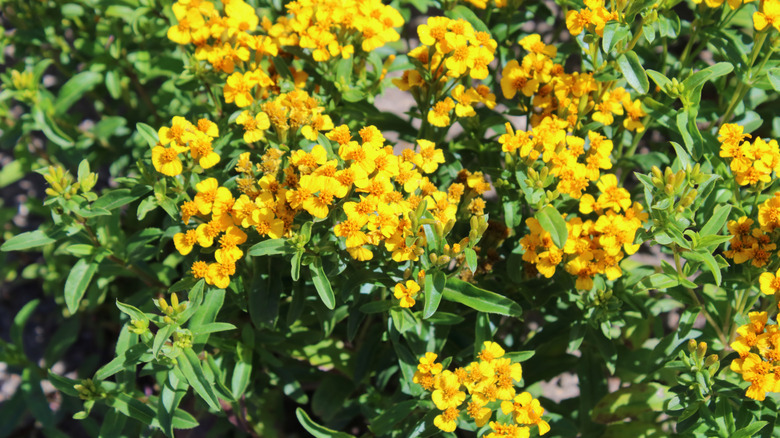
With its pretty yellow flowers in summer and flavorful leaves, there's a lot to love about Mexican tarragon (Tagetes lucida). This plant has been used medicinally throughout most of Mexican history, and some still use the petals to make soothing herbal teas. With a flavor similar to French tarragon, it pairs beautifully with savory dishes such as meats, eggs, and salads. It's a great option for gardens in zones 8 through 11, as it thrives in hot and humid conditions. In zones 7 and below, it's grown as an annual. Plant it in a sunny site with well-drained soil.
Pápalo
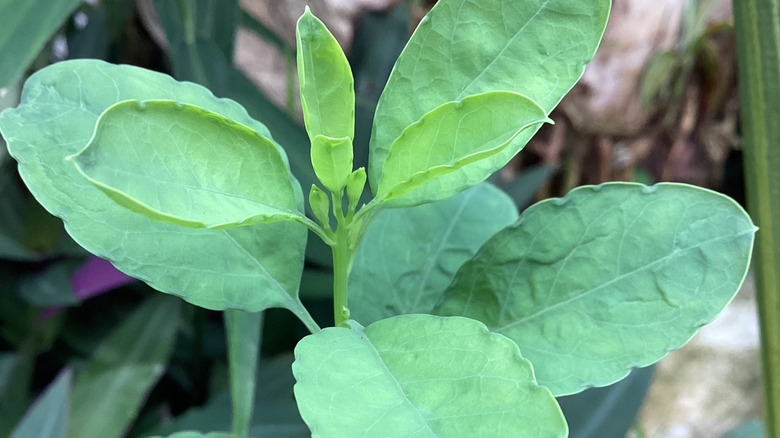
Pápalo (Porophyllum ruderale), sometimes nicknamed "summer cilantro", is a traditional Mexican herb that grows beautifully in hot summers. Although it's not related to cilantro, pápalo has a similar flavor, but with a peppery and mild citrus taste. Its uncooked leaves are commonly added to cemitas, soups, salsas, guacamoles, tacos, and salads. Some restaurants in Mexico even have tables with fresh pápalo stems in a vase so customers can easily add fresh herbs to their food. This annual herb grows best in zones 4 to 9 and prefers full sun in well-drained soil.
Pipicha
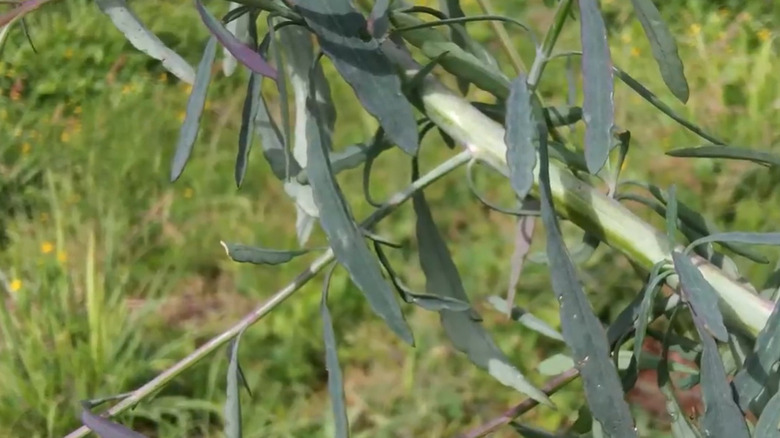
Pipicha (Porophyllum linaria) is a widely used ingredient in parts of central and southern Mexico. It's another cilantro-like herb with notes of anise and citrus, and its flavorful leaves can be added to virtually any recipe. Sprinkle it over tacos or enchiladas, blend it into salsas, or use it to season meats or veggies. Pipicha reaches 2 feet tall, so plant it in a sunny site with space to grow. It tolerates most soil types as long as they have good drainage. Although it's typically grown as an annual, pipicha is a perennial in zones 9 and above.