

Not CorningWare: The Antique Dishware Brand From New York You'd Be Lucky To Find
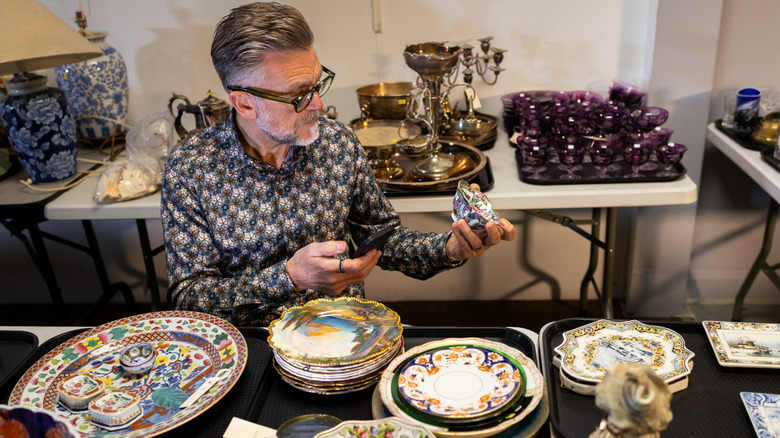
Thrifting is a fun way to find valuable antiques, and pottery in particular is a popular thing to look for. With so many different companies producing pottery and ceramics over the centuries, there's always something new — or rather, old — to find. If you've already searched for overlooked kitchenware brands like CorningWare at the thrift store, it might be time to move on to a different brand. Buffalo Pottery, later renamed Buffalo China Inc., was founded over a century ago in 1901 in Buffalo, New York. They produced a variety of pottery, from simple pieces designed for use in restaurants to more elaborate ones. Whether you're interested in collecting Buffalo Pottery for the historical, decorative, or monetary value, you'd certainly be lucky to stumble upon some antique Buffalo dishes!
If you want to decorate with Buffalo Pottery pieces, you'll be glad to know that there are styles to fit most aesthetics. For a rustic room, look for the simpler restaurantware dishes. To match more elegant decor, look for their artistic patterns such as Blue Willow, Deldare Ware, or Bonrea. These feature brighter colors and patterns that will make them lovely statement pieces.
Resellers should look for full sets of dishes. Some sets go for several hundred dollars, up to nearly one thousand! Individual pieces can sometimes fetch high prices as well, with more ornate or artistic patterns selling for a few hundred dollars each. More simple pieces typically sell for a few dollars, up to around $20.
How to identify Buffalo Pottery at the thrift store
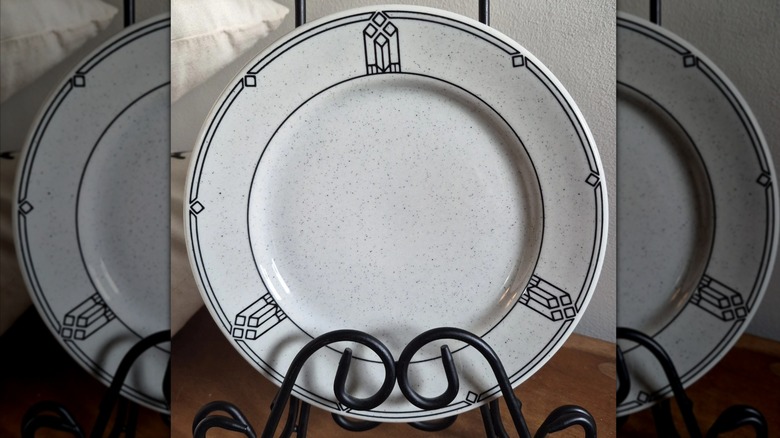
While you'd be lucky to find some Buffalo Pottery, an important tip for identifying valuable thrift store pottery is to ensure it's authentic. While some replicas are pretty and make nice decor, they generally won't appeal to collectors as much. Some patterns are easy to spot, but the most reliable way to identify Buffalo Pottery is by checking the maker's mark. The mark and date code used by Buffalo Pottery has changed over the many years they were in business, but they often featured an American buffalo or bison. Dating your Buffalo Pottery is also fairly simple, as older antique pieces were marked with the year.
If you aren't lucky enough to find an easily identifiable piece, there are a few things to watch for to avoid replicas. Buffalo Pottery never marked their pieces with just the word buffalo, so you can spot the fakes using that mark right away. Other replicators use the wrong animal in their marks. Buffalo Pottery used an American buffalo, but some imitation pieces feature an Asian water buffalo, which have less bulky shoulders and longer horns. The mark may not be as dark and crisp or the piece itself may be the wrong shape.
When in doubt, take a moment to search for examples of authentic pieces with the same pattern online and compare them to yours. If you discover you've already bought an imitation Buffalo Pottery piece, don't be too disappointed. This may be a good opportunity to repurpose it into decor such as this DIY dish wreath, since you don't need to worry about accidentally ruining a valuable antique!