

Ditch Traditional Aerators: An Easier Lawn Solution Without Heavy Lifting
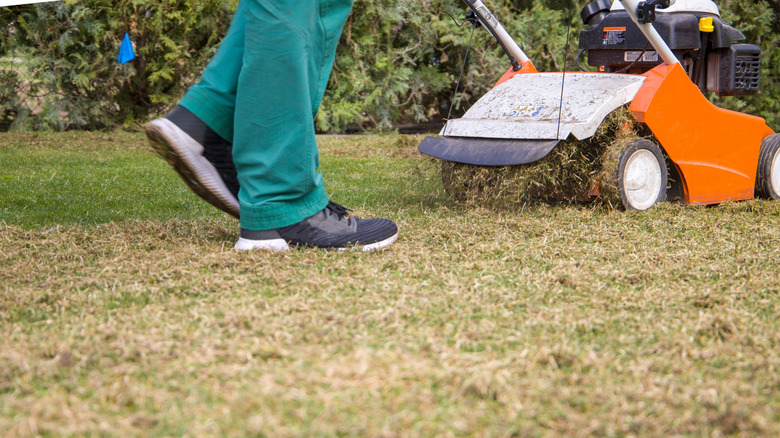
Aerating your lawn is one of the best ways to keep your lawn healthy without the use of pesticides or herbicides. It reduces compaction, allowing air, water, and beneficial nutrients to more easily penetrate the soil. Traditional aeration requires a heavy machine called a core aerator to perforate the grass. These tools can sometimes cause excessive stress on the lawn, create an unattractive appearance, and even cause weed growth. And while you could build your own DIY aerator out of wood and nails, we'd recommend ditching traditional aeration altogether in favor of easily-applied liquid aeration.
While it may seem like a contradiction in terms, liquid aeration is an effective way to improve the health of your lawn. Just like core aeration, liquid aeration is intended to break up compaction, but it doesn't require the heavy lifting of poking physical holes into the soil. Instead, liquid aeration achieves its goal through a concentrated concoction of surfactants, enzymes, humic and fulvic acids, and other organic materials that work to gently break the surface of the soil to allow better water and air penetration.
One downside is that liquid aeration only really works on soils that have experienced light to medium compaction. The liquid simply cannot penetrate solids that have become too heavily compacted, in which case traditional aeration would be necessary.
How to effectively use liquid aerator on your lawn
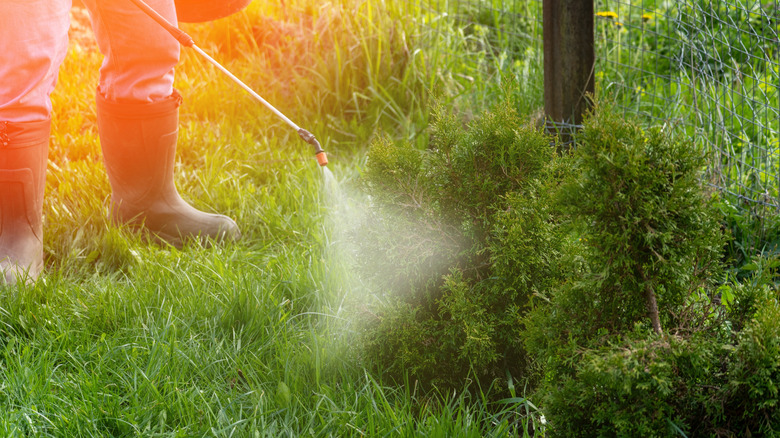
In terms of application, using a liquid lawn aerator couldn't be easier. The first step would be to track down a concentrate. such as Covington Liquid Lawn Aerator. Owing to the high viscosity of the concentrate, it will require dilution in water, the ratios for which can be found in the instructions on the bottle. A typical application will require 4 to 6 ounces of liquid aerator per 1,000 square feet of yard. Combine the mixture in a pump sprayer and apply the liquid aerator directly onto your lawn. Overlap your areas slightly to ensure even coverage. The lawn should be moist when you do this, as it will help the liquid absorb more easily into the soil.
It is recommended that you apply the liquid once every 6 to 8 weeks during the growing season to ensure the enzymes and surfactants have the best opportunity to do their work. This continual application will have long-lasting positive effects on your lawn, as the liquid will penetrate down to the roots as opposed to just poking holes in the soil.
Keep in mind that temperature does have an impact on the effectiveness of liquid aeration. Excessive heat can cause the liquid to evaporate too quickly, while extreme cold can make the process completely ineffective. As such, you should aerate your lawn in the fall or early sprin when temperatures are mild enough to allow better absorption and high microbial activity.