

Plant These 9 Perennials Before July Ends And Thank Us Later
It's typically recommended that we do our planting in the spring or fall. By avoiding the heat of summer and the cold of winter, we give our plants the best chance at milder weather, which greatly reduces the amount of transplant stress that they'll endure. That said, if your summer garden isn't looking quite as lively as you would have liked come July, all hope is not lost. There are plenty of heat-loving perennials that can be put in this late in the season and — with a little extra watering throughout their first summer – stay vibrant in hot weather and still find their way back the following growing season.
If you're looking to please the pollinators, flowers with yummy blooms like blanket flower can be brought in. For happy cats and better sleep, add some catnip to the mix. Planted in the summer, sedum and rosemary might stay evergreen though the winter, depending on where you live.
Echinacea
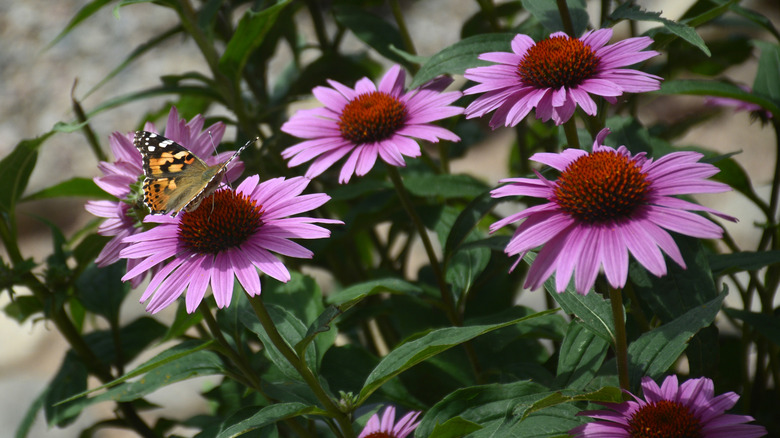
Echinacea flowers from midsummer to fall, so planting starts in July is a great way to get a gorgeous fall bloom. And because echinacea is a powerhouse as far as the immune system is concerned, it's good to have an abundance of it outside your house just before cold and flu season begins. If you decide to start from seed, do so three months before the first frost, and don't expect flowers until the following spring season. But once they start, your garden will be a hub for our flying friends, as birds and butterflies can't get enough of this plant.
Yarrow
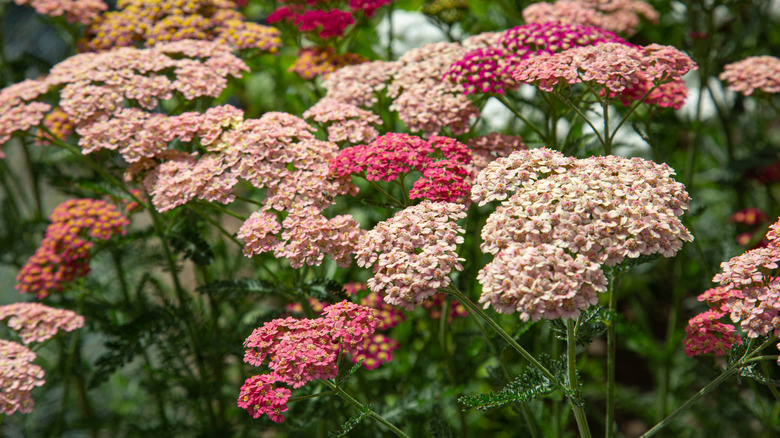
Not only is yarrow one of those plants you should absolutely keep in your medicinal herb arsenal (it's considered a wound-healing powerhouse!), it also produces clusters of sweet, colorful blooms through summer and into the middle of fall. Because yarrow does so well in hot and dry conditions, starts can be transplanted in the summer and still thrive. That said, in order to avoid shocking the plant, you should plan on planting on an overcast day, and watering it more than usual until it has time to establish its roots. Once well established, it is also one of those perennials that can be successfully divided during spring.
Blanket flower
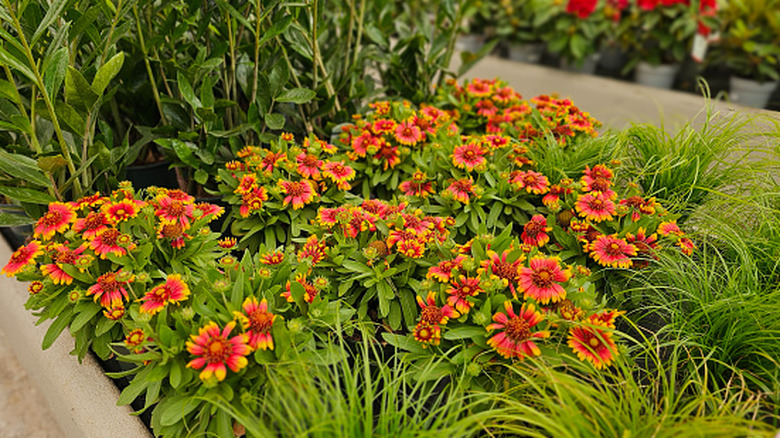
While daffodils are the face of early spring, blanket flowers remind us of the dog days of summer. These late bloomers imbue a pop of golden yellows, oranges, and reds to your garden through the sunset of summer and into fall. And since they love loads of sun and dry conditions, they don't mind if you plant them in July — just be sure to water them regularly that first summer as they get established. Butterflies love the blooms, and left to their own devices, the flowers will eventually turn into seed pods that will attract goldfinches galore. So, even when their color is gone, they call more of it in!
Sedum
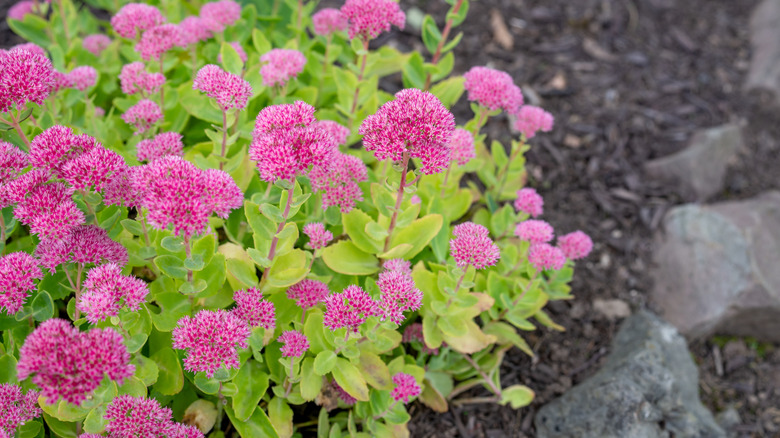
A popular succulent known for its drought tolerance and late season blooms, sedum is an excellent choice for folks who appreciate a more hands-off gardening approach. That's because after planting sebum and watering it in, you won't have to think about it much again. It loves hot and dry conditions and will even make it through the winter frost. The only thing this plant really asks of you is well drained soil and full sun (psst, it goes great in a rock garden). For a midsummer planting, opt for the upright variety, which grows tall clusters of bright pink flowers that will provide a pop of color in the garden well into fall.
Rosemary
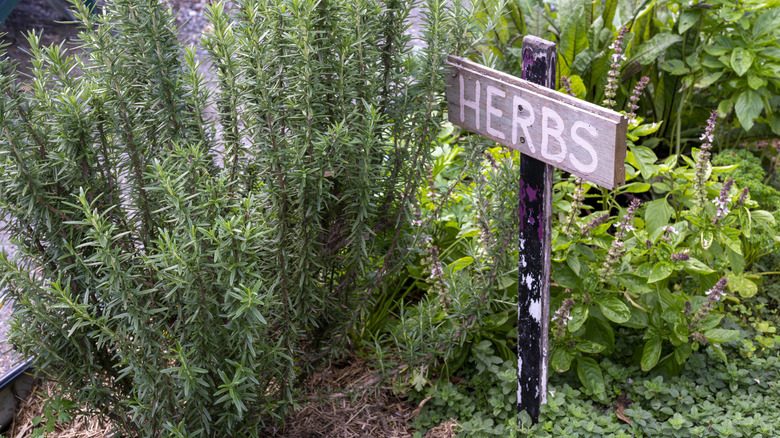
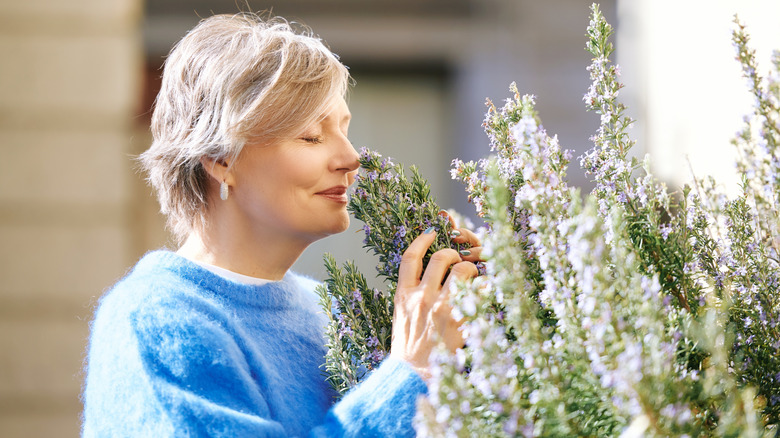
If you want your garden to emit an enchanting aroma all summer long, pick up a rosemary start from your local nursery, find a planter you love, and position it near your back door, patio table, or whichever sunny spot you spend the most time near. While rosemary is a true evergreen perennial in warmer climates, it's one of those perennials that can do really well in a container in areas that get harsh winters. Simply move it inside before the first frost and keep it by a sunny window until the last frost. Be patient — it can take a few seasons of summer sun for it to really flourish.
Lavender
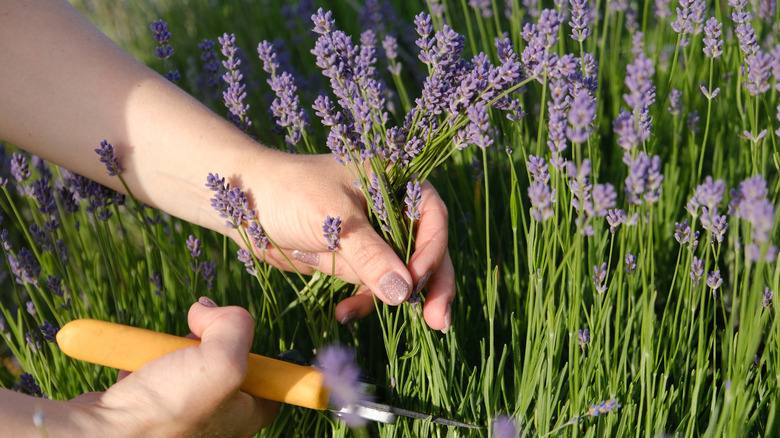
Speaking of irresistible scents, lavender is a perennial that will produce beautiful blooms for years to come – especially in zones 5 through 9. It's beloved by pollinators and the flowers can be harvested and used to infuse oils and syrups, or make a nerve-calming tea. When planted in the summer, there is an opportunity for a large amount of growth in a short amount of time. That said, you'll want to transplant on an overcast day and water more than usual until the roots are strong. You might even consider a shade cloth for particularly hot areas.
Daylily
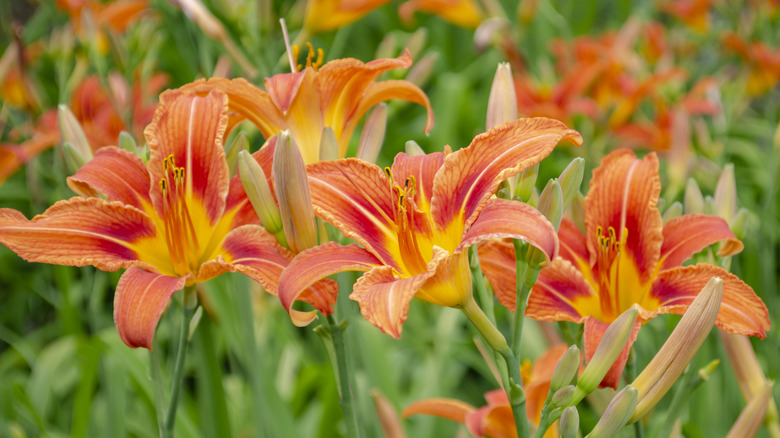
It doesn't matter if you've got sandy soil or clay soil — daylilies can find a happy home in your garden just as long as you provide them with full sun all day. They are famous for their bright orange blooms that come out to greet the sun from spring to fall. For zones 3 through 8, they don't mind being planted at any point during their growing season. Because deer find them to be a tasty little treat, opt for the Stella de Oro variety, which has been bred to be a deer resistant daylily.
Catnip
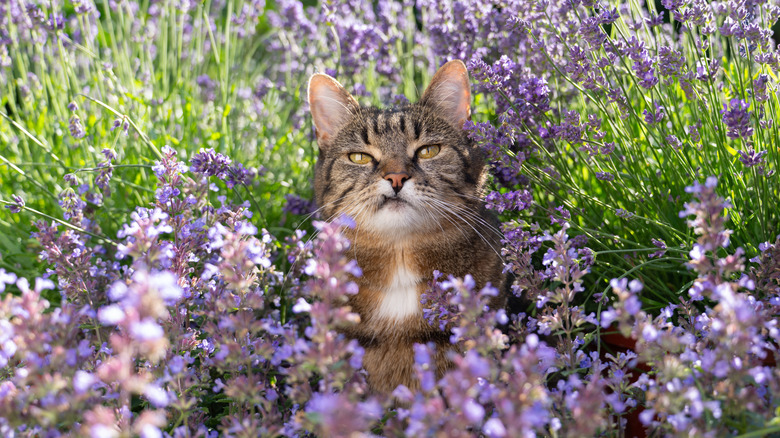
Catnip is an herbaceous perennial that can grow prolifically when starts are popped in the garden midsummer. With a blooming period through spring and into fall, you might even get a couple rounds of tiny pink and purple flowers your first year! It's also another great herb to have in your annual arsenal. Often used as a gentle sleep aid, a couple teaspoons of dried catnip steeped in a cup of boiling water produces a tea that may help some folks to sleep. While it will attract kitties (fingers crossed), it's a plant that will keep pesky flies at bay.
Beardtongue
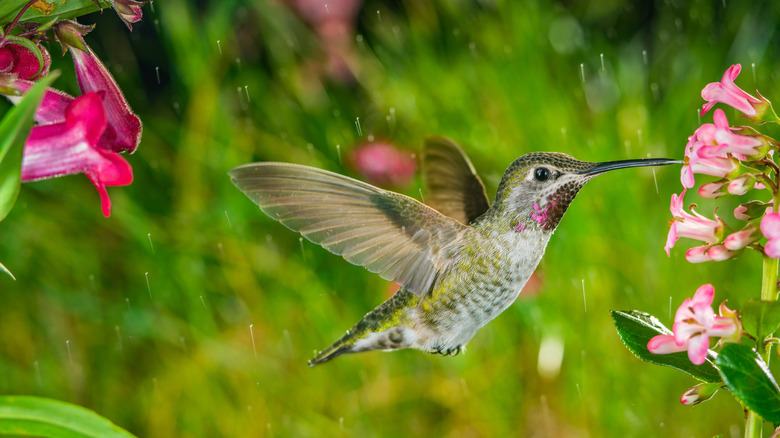
If you forgot to factor the hummingbirds into your garden plans this year, it's not too late! Beardtongue is one of those gorgeous (and oh, so sweet) flowers that help to attract hummingbirds to your yard with very little effort on your part. While some plants can't handle the heat of summer planting, beardtongue fairs quite well. It requires regular watering during the first summer, but after that, dry, sandy soil is kind of its jam. The trumpet shaped flowers come in various heights and colors, so you can find whatever works best with your landscape design.