

6 Beautiful Fly-Repellent Plants To Consider Adding To Your Garden
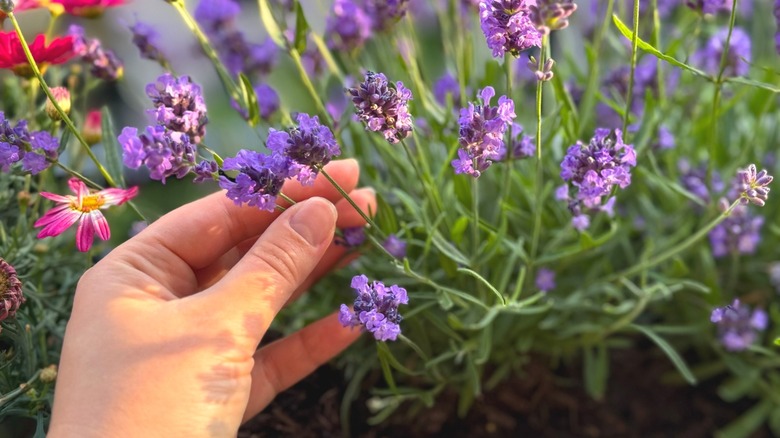
Whether in the house or around the garden, flies are rarely anything but a serious nuisance. If there are flies covering your flowers, damaging your plants, or swarming your guests on your patio, you're likely wondering how to get rid of them. You can keep flies away from a patio or garden by making some simple changes, one of which is to add fly-repellent plants like lavender, sage, or pennyroyal. Not only will these plants potentially reduce the number of flies, but they're also quite beautiful! Whether you want to plant them in the ground or add them to a container garden on your patio, there is a plant for you.
It's important to note that the exact impact of these plants haven't been exhaustively studied. Additionally, whenever you're dealing with nature, there are many factors to contend with that could impact any plant's effectiveness. For example, on a windy day, the scent of the plants may be carried away from your garden. Still, there is plenty of anecdotal evidence to suggest that these plants can at least cut down on the amount of fly swatting you'll need to do! What this means is that you may need to do a little more experimenting when planting, like adjusting where the plants are located and how many you have. You could also plant a variety of these plants for layers of gorgeous growth or combine them with other pest control methods for increased effectiveness.
Catnip
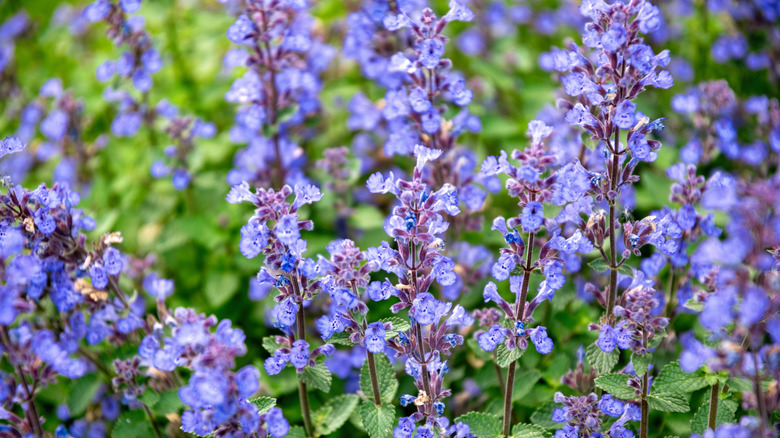
Catnip (Nepeta cataria) isn't just a fun treat for your cats — it's also a beautiful fly-repelling herb with purple or white flowers that emerge for a couple of months from late spring to fall. One study published in Medical and Veterinary Entomology found catnip essential oil was highly effective at repelling both stable flies and houseflies. While your catnip plant may not be as concentrated as distilled essential oil, growing it in your garden may still discourage flies from sticking around. Catnip is hardy in zones 3 through 9 and grows well in full sun and well-draining soil.
Pennyroyal
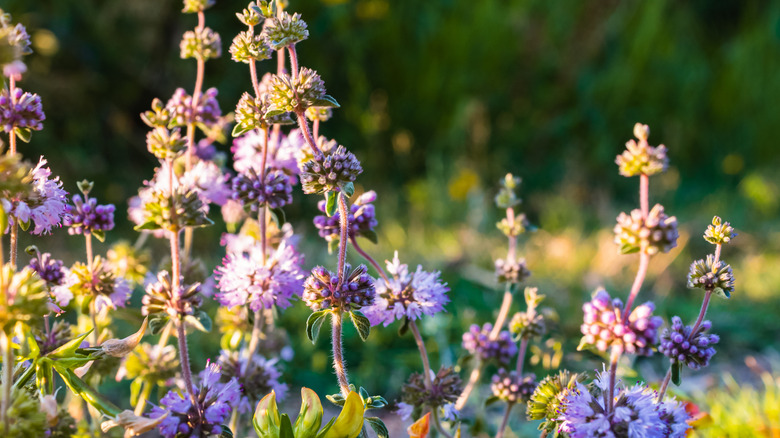
Pennyroyal (Mentha pulegium) is a flower with an interesting history. Despite its lack of formal study, pennyroyal has long been heralded as an insect repellent, and it even appears in traditional bug dope recipes over 100 years old! If you want to test it for yourself, pennyroyal is hardy in zones 6 through 9, growing best in areas with full sun and moist soil. Pennyroyal is a good fit for container gardens, as it can become invasive. When you give it proper care, you'll enjoy the gorgeous fluffy purple flowers that cover it in summer.
Basil
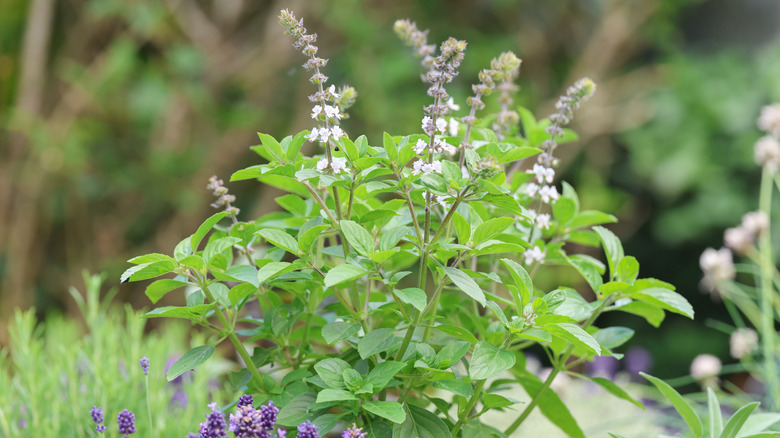
Basil (Ocimum basilicum) is commonly grown as an herb to flavor meals and occasionally as an ornamental for its lush, glossy leaves and tall stems covered in small white or purple flowers. It's also considered by many to be generally effective at repelling common flies like fruit flies! Add it to your garden or place a pot of it on your patio where it will get plenty of sun, and be sure the soil is well-draining. Basil isn't frost tolerant and is only hardy in zone 10, so bring it indoors during fall and winter if you can.
Rosemary
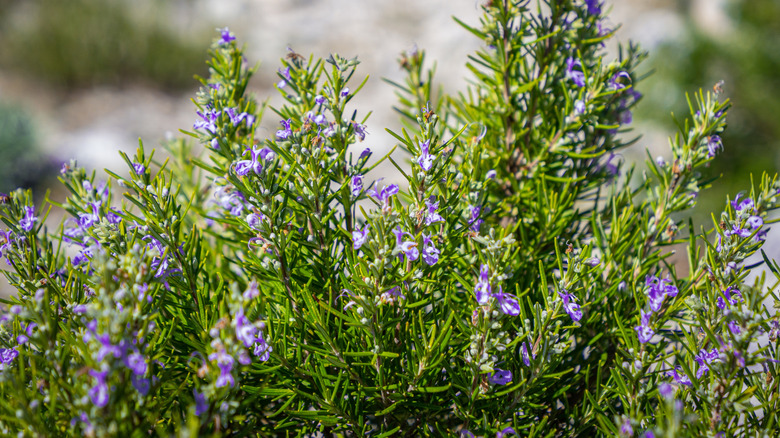
Another beautiful herb, rosemary (Salvia rosmarinus) is popularly grown for its lovely purple flowers and delicious scent. But you may also be able to use rosemary to keep flies out of the home and garden. Rosemary essential oil has been proven to deter fruit flies and is said to repel carrot flies as well. If you live in zone 8 or warmer, you can plant rosemary directly in your garden, provided you have a sunny spot with well-draining soil for it. Otherwise, plant your rosemary in a container to enjoy its beauty and benefits during the warmer months.
Sage
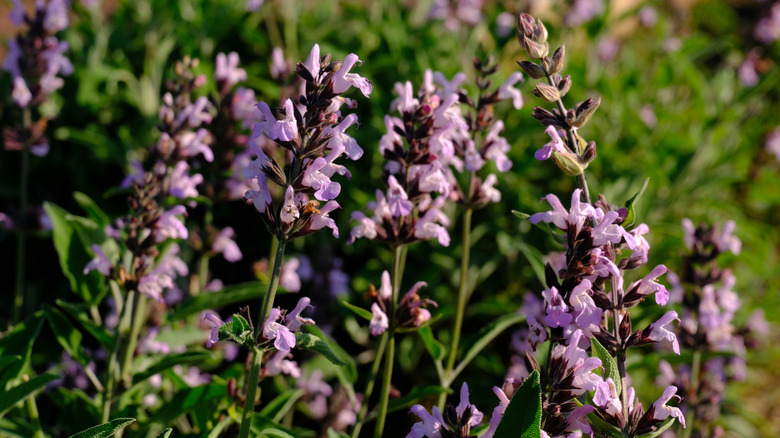
A close relative of rosemary, sage (Salvia officinalis) has also been used to repel flies. If you're not already growing sage, you can easily add it to your collection. In zones 4 through 8, you're able to plant it directly in your garden, but it will also make a nice addition to a container garden. Make sure it is planted in full sun and that your soil is well-draining for the healthiest plants. In addition to being useful, sage adds a delicate beauty with its soft leaves and lovely blue or purple flowers.
Lavender
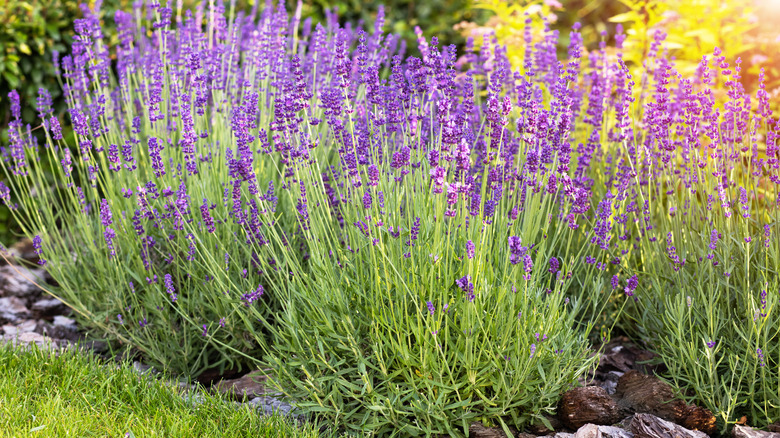
Often grown for its stunning purple flowers and wonderful calming scent, lavender (Lavandula spp.) is said to repel a number of insects, including flies, with one study from the Journal of Vector Ecology finding that lavender essential oil was moderately effective at killing houseflies. To ensure your lavender plant stays healthy, plant it in full sun and well-draining soil. Lavender won't tolerate soggy soil at all, so choose your planting site carefully. You can grow lavender in your garden as far north as zone 5.