

10 Landscaping Trends On The Way Out In 2026 (So Far)
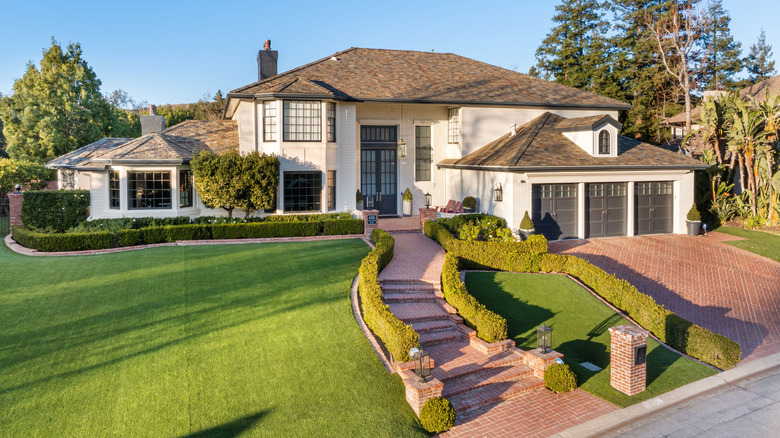
The outside of a home is just as important as the inside, but landscaping isn't as simple as swapping out your chairs or repainting the walls. That's why it's crucial to make smart choices and avoid dated ones. There are landscaping ideas that can help sell your home when the time comes, and others that will leave your home looking tacky. In 2026, trends are shifting away from overly manufactured and manicured outdoor spaces. Yards and gardens that look great on camera but lack warmth or personality are on their way out. Artificial landscaping features are being replaced with more natural alternatives as well.
There are a number of different ways that this overly artificial or manicured look might show up in your yard, from the way your garden is arranged to the materials you use. Manufactured materials like concrete and plastic feel very dated, along with rigidly planned garden beds and perfectly pruned hedges.
While you may not want to change every element of your landscaping, it might be a good idea to peruse this list and see how your yard stacks up. There may be some simple changes you can make to keep your yard and garden from looking stuck in the past. Of course, you don't have to update your yard if you like it just the way it is, since all trends are cyclical. However, if your outdoor spaces have recently started to feel stale, or if you're planning on overhauling your yard and are looking for some ideas, this is a great place to start.
Empty lawns feel dated in 2026
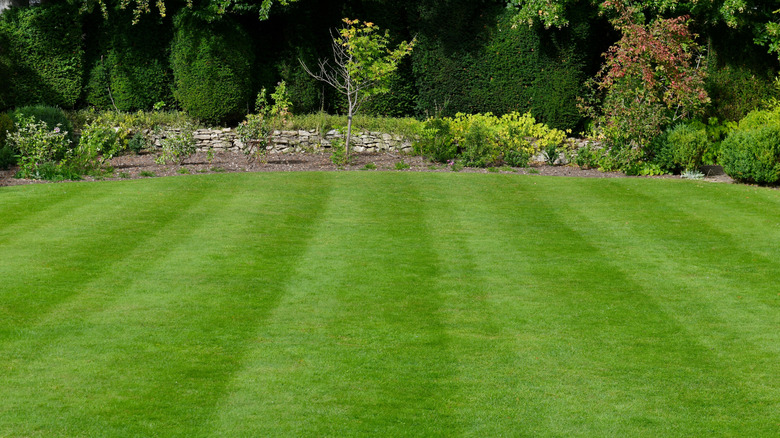
While they may look tidy, homeowners are starting to abandon the trend of large, empty lawns in favor of more varied and natural landscaping. "A perfectly green, trimmed, uniform lawn was once a status symbol, associated with wealth and suburban perfection," landscape designer Alex Betz told Southern Living. He added that people are ditching the perfection aesthetic because it requires large amounts of water and maintenance. Not only are these expansive lawns difficult to maintain and bad for the environment, but they can look flat and uninteresting.
Say goodbye to artificial turf
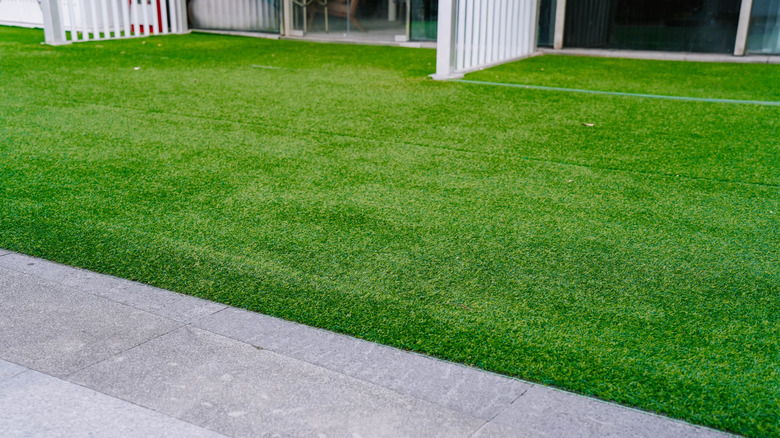
If you were considering installing some artificial turf as an easy way to capture the look of a lush lawn, think again. This trend is hitting the road as the drawbacks become more obvious. "While I understand that artificial turf looks nice and doesn't require water, at the end of the day, it's plastic," Kober Design Group founder Adam Kober shared with Veranda. The expert noted that artificial turf can feel too hot on the soles of the feet in summer, and also contributes to landfill pressure once it's no longer usable.
Neutral landscaping has had its time
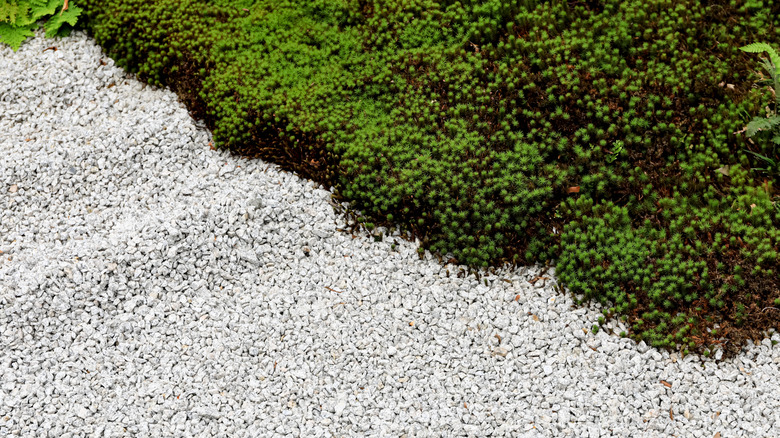
Bright white and neutral gray landscaping are no longer as clean and trendy as they once were. White hardscaping doesn't hide grime or wear and tear well, and both white and gray can feel boring or impersonal. As designer Nate Fox revealed to Martha Stewart, "An entirely neutral outdoor space can feel flat and uninspiring, [and is] missing the vibrancy that nature itself provides. Outdoor spaces are an opportunity to embrace color and create joyful, energizing environments that enhance your connection to the natural world."
Ditch the overwhelming hardscaping
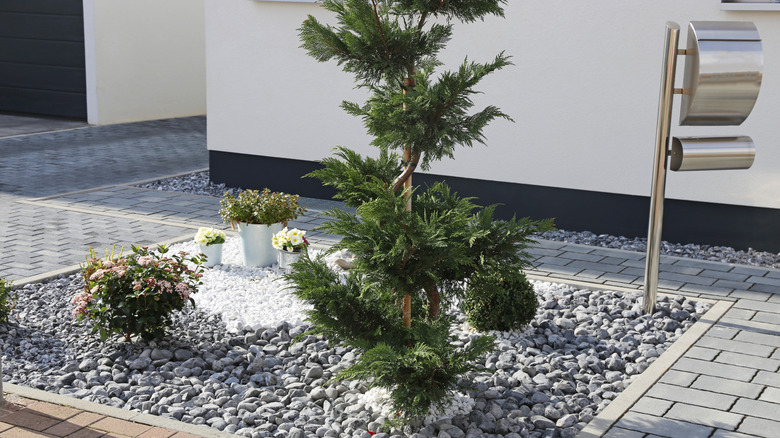
According to garden designer Michele Chambliss, a garden trend that's feeling dated in 2026 is majority hardscaping, per Homes and Gardens. Thoughtless paving, gravel everywhere, and oversized patios are fading from popularity, particularly in hot climates, so consider switching to a gravel alternative for landscaping. When overdone, hardscaping feels uninviting and unnatural rather than clean. Artificial Grass Pros president Johannes Hock agrees, telling House Beautiful, "It might be low maintenance, but it gives off more of a commercial parking lot vibe than a livable yard."
Excessively manicured gardens have lost their allure
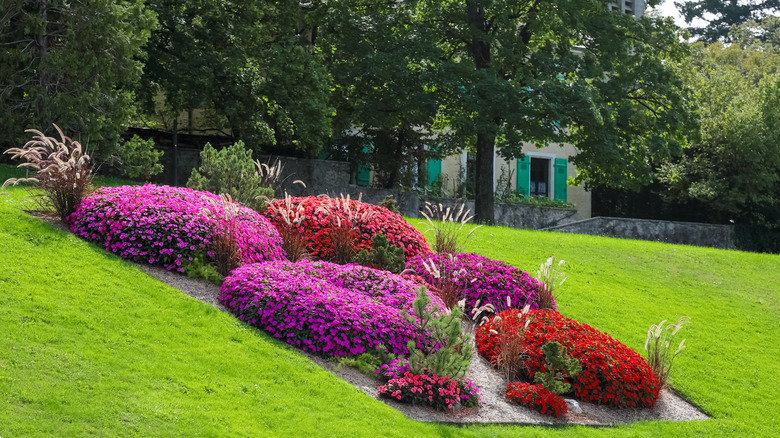
Gardens with perfectly placed flowers and tightly packed borders are starting to feel more oppressive than pretty. "Rigid lines and formal layouts have become outdated in the garden. In their place, curved designs and relaxed dining set-ups are proving popular," noted Magdalena Gierasinska of Barker and Stonehouse (via Livingetc). These overly perfect landscapes take a lot of effort to maintain, making them much less appealing to homeowners and gardeners. Not to mention they can start to feel stiff after a while, leading people to abandon this trend in favor of softer, more relaxed planting styles.
No more dyed mulch
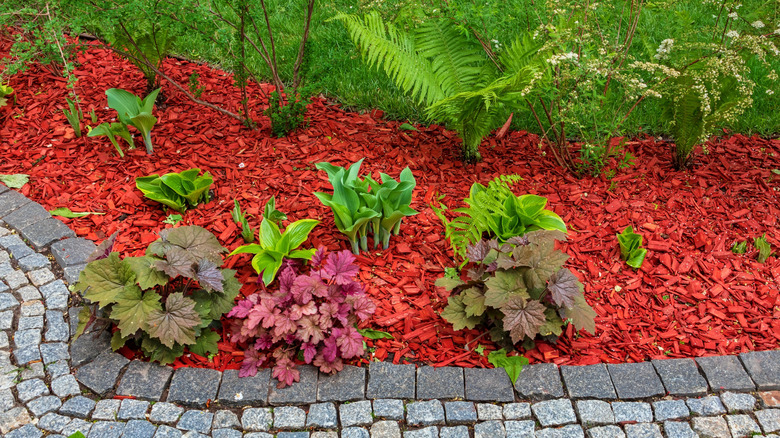
Bright, attention-grabbing mulch is no longer trending. One reason why, according to landscape designer Adam Kober, is that "mulch is not the feature — the plants are. Top dressing should be relatively unnoticeable," per Veranda. Dyed mulch steals focus from the rest of your landscaping features and feels artificial, but it can also be bad for the environment. While the dyes themselves are typically harmless, some companies use reclaimed wood from construction sites. The wood from these sites can be contaminated with heavy metals which could leach into the soil as the wood breaks down.
Perfectionist shrubs and hedges are over
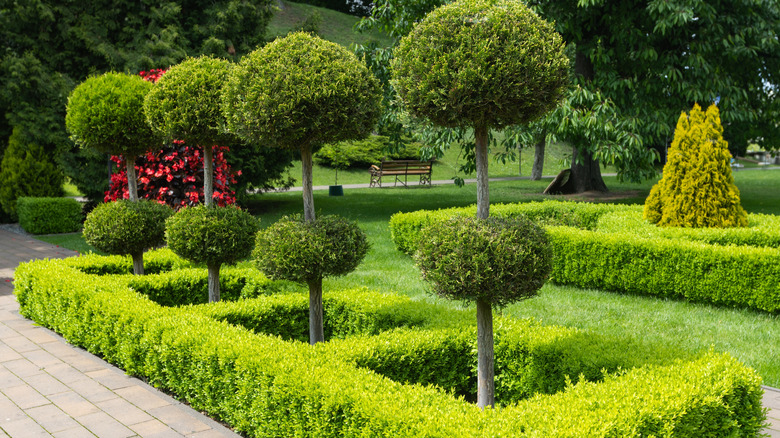
Evenly trimmed boxwood hedge rows, symmetrical shrubs, and even more extreme pruning techniques such as pollarding and pleaching are quickly falling out of fashion. Similarly to overly manicured gardens, this landscaping style feels more artificial and stiff than people want their homes and gardens to be. "These trends, alongside topiary, are present both in professional and novice circles, and while these techniques can be effective in the appropriate setting, they are being overused to create eye-catching photo ops that in person look overdone and out of context," landscape designer Renée Byers confirmed (via Veranda).
Swap out your water wasters
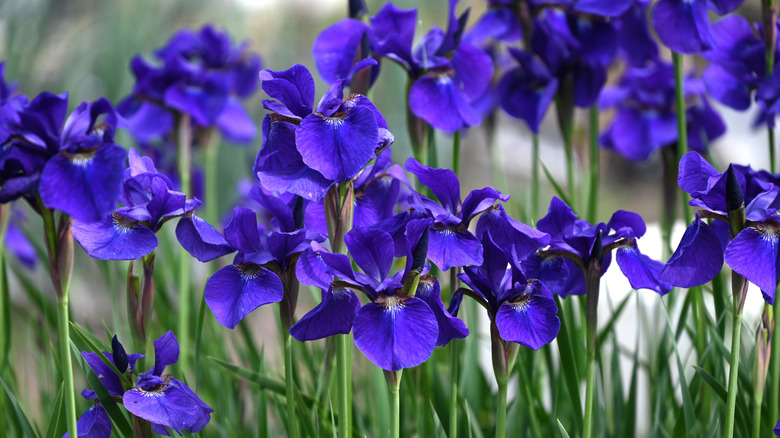
In 2026, homeowners are skipping landscaping features that waste water. "People are opting for low water usage plant palettes in an effort to slow down the effects of climate change," Adam Kober told Martha Stewart. Swap out water-loving plants like Siberian iris (Iris sibirica) for more drought tolerant species like purple poppy mallow (Callirhoe involucrata). Larger, more complicated water features may also be on the chopping block. While a properly installed feature shouldn't waste water, improper installation or maintenance can lead to leaks. Instead, skip traditional fountains and consider a DIY fountain alternative that's smaller and easier to manage.
Trends are shifting away from concrete
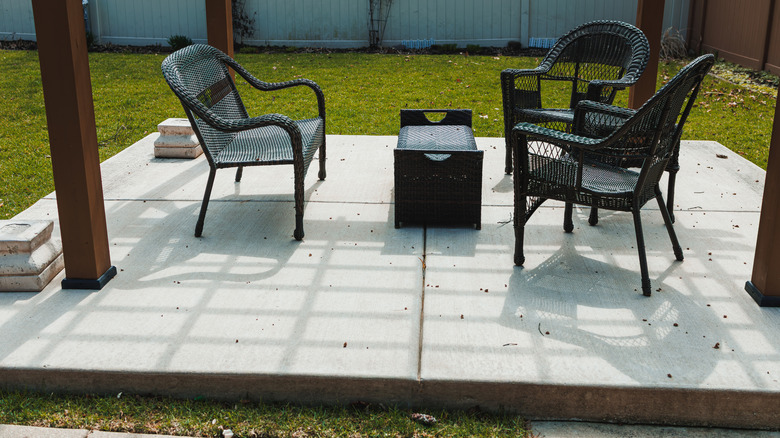
Concrete has been used for patios, paths, walls, and more, but trends are shifting. While it may be durable and generally affordable, it has a bland and unnatural appearance that leaves people wanting a change. "People are moving away from these high-finish materials in favor of more organic and natural options, like limestone, terracotta, and natural stone," Inner Gardens founder Stephen Block admitted to Martha Stewart. Covering or replacing some of your concrete landscaping features may help your yard feel more lively and natural.
Plastic is a no-no in 2026
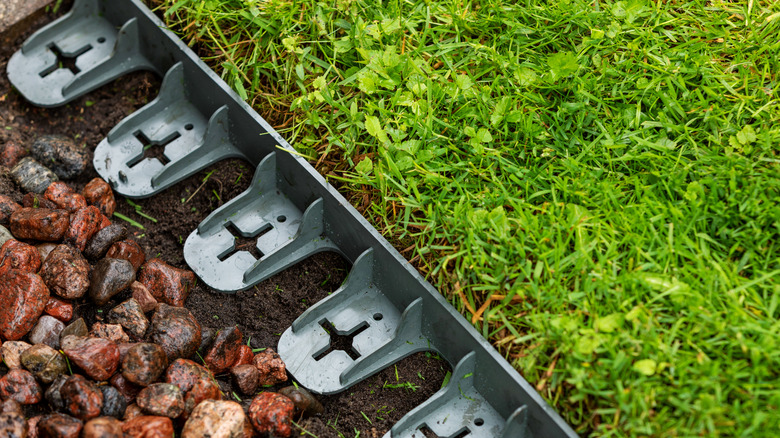
While it was once valued for its affordability and versatility, plastic landscaping features are now on their way out. Whether you're using it for your garden borders, deck, landscaping fabric, or imitation plants, now may be a good time to swap it out for something higher quality and more natural-looking, like wood or stone. While plastic may look nice at first, it won't stay that way for long. "The problem with plastic edging is that it tends to crack, warp, and looks artificial over time, lowering the overall quality of the landscape," landscape designer Alex Betz told Southern Living.