

Forget Gravel: This Weed-Resistant Landscaping Option Has Beautiful Yellow Flowers
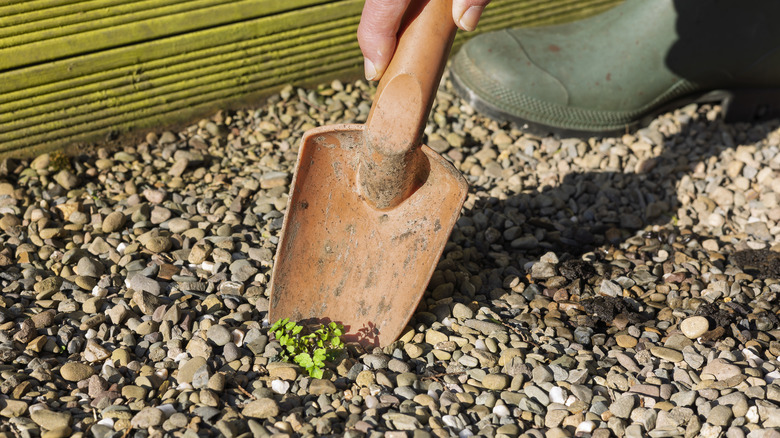
Weeds are the worst. They appear out of nowhere, sneak into unwanted spaces, and slowly claim and take over the entire landscape. Many people lay gravel to fight them. Gravel blocks light and leaves weed seeds in an inhospitable environment where they cannot germinate. The problem, however, is that gravel isn't very aesthetic to some. If you want something with color, consider using Jerusalem sage (Phlomis russeliana) instead. It will not only keep the weeds out of your landscape but also decorate it with its beautiful yellow flowers. Also known as Turkish sage, it is a Mediterranean plant that is known for its showy yellow flowers and dense growth habit.
If left on its own, Jerusalem sage spreads quickly via its rhizomes and can create a carpet that can help suppress weeds in the ground. Even better? It attracts pollinators like bees and butterflies to the garden as well. Plus, it is also one of those deer-resistant flowers that will bring color and personality to your yard. Its spreading root system locks in the soil and helps stabilize the ground, especially in dry places. As for when it flowers, the blooms appear in summer. However, thanks to its soft, velvety foliage, the Jerusalem sage brings a year-round interest to the garden.
Just keep in mind, though, that the Jerusalem sage is only hardy in USDA zones 5 to 9. If you live outside these zones, you will have to grow it either as an annual or look into another stunning flowering ground cover that can keep weeds from taking over the landscape.
Growing Jerusalem sage to keep weeds out of the landscape
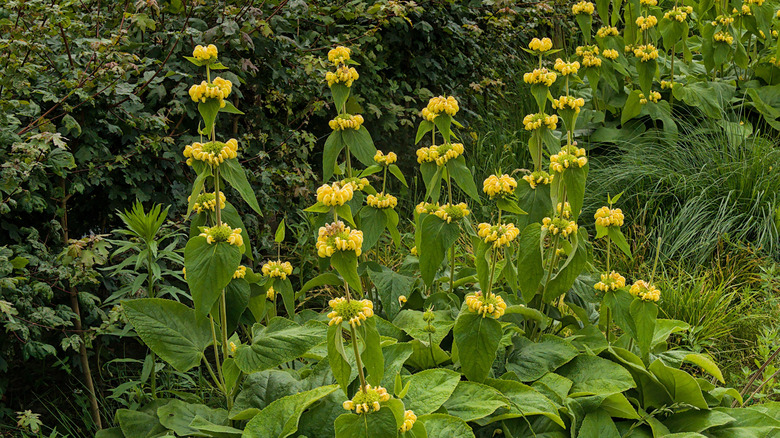
If you are planning to grow Jerusalem sage in your landscape, make sure it's in a place that gets good sunlight. It is a full sun plant, and even though it will tolerate some shade, it often becomes leggy and droopy when it does not get enough sun. Plus, shade reduces its flowers. If, however, your landscape is naturally full of shade, it is better to skip planting Jerusalem sage and see some other reliable flowering ground covers that can grow in shade or under trees. It is also important to note here that Jerusalem sage does not like wet soils. It needs to be planted in well-drained soils.
As for propagation, Jerusalem sage can be grown from both seed and division. The best time to grow is in spring. It germinates and grows quickly. Just keep in mind that plants grown from seed do not flower till their second year. As for spacing, keep a distance of about 18 to 24 inches between the plants. Jerusalem sage spreads about 2 feet, so keeping this distance will help ensure a dense groundcover that will easily keep out unwanted plants and weeds in landscapes.
Lastly, water regularly when the plants are getting established. This helps them establish a robust root system. Once established, though, Jerusalem sage is drought-resistant,and it needs minimal watering. It will do just fine with the occasional watering during the colder months and only needs regular watering once the hot summer months arrive. Fertilizing is a similar story, too. Jerusalem sage isn't a heavy feeder. If grown in rich, fertile soils, it may not need any fertilization at all.