

What Is The Typical Lifespan Of A Concrete Driveway?
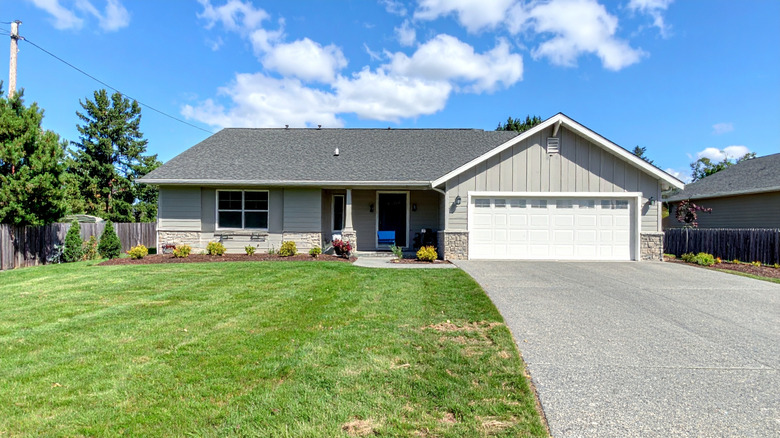
While many homeowners are bidding farewell to solid concrete driveways in favor of practical alternatives like permeable pavers, bricks, or gravel, the material remains a popular choice. Not only is it strong and relatively easy to maintain, but it is also incredibly durable and will last for a long time. But what is the typical lifespan of a concrete driveway?
The short answer is that a concrete driveway will last somewhere in the realm of 25 to 30 years. This lifespan does depend on several things being done correctly, however. Among the most essential things that needs to be done right from the start is the pour itself. Concrete needs to sit on a compacted, yet permeable base, that includes reinforcing rebar that will help maintain the integrity of the structure.
Another important factor to getting this lifespan out of your driveway is weather. If you live somewhere that has a colder climate and is subject to intense winters, you're likely only going to get around 20 years out of your concrete surfaces. However, if you make sure the driveway is installed with the right control joints, or you use a superior type of concrete like exposed aggregate, you'll likely get a lot more life out of your driveway.
How to make your concrete driveway stand the test of time
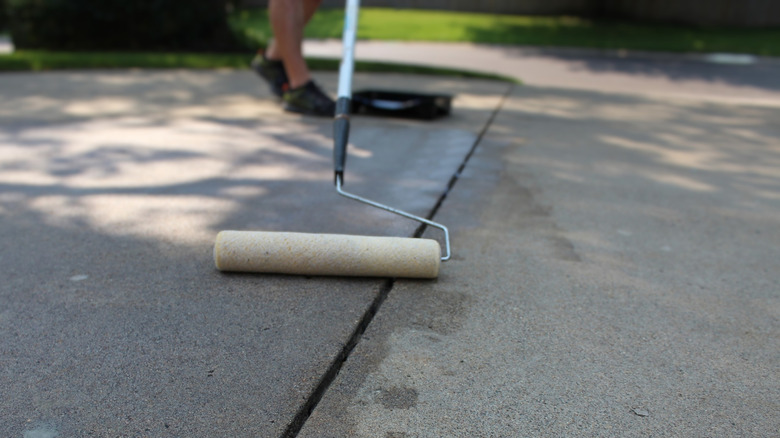
A number of seemingly small maintenance tasks could help you extend the average concrete driveway lifespan from 30 years to 50 years, if you perform them regularly. One of the things you absolutely must do is to regularly clean and reseal your concrete.
What sealant does is provide the concrete with a protective layer that can withstand stains, color fading, mold/mildew buildup, and other general wear and tear. This should be done every 2 to 10 years depending on the weather in your area and how often the driveway is used. You will also want to avoid using corrosive materials like rock salt or chemicals, which could damage the surface. Also, while a standard residential driveway is more than capable of handling daily traffic from passenger vehicles, exposure to heavy machinery or weight loads can cause stress to the structure and lead to early deterioration.
Another common repair for a concrete driveway is dealing with surface cracks. Unless it is a large and obvious stress fracture, small cracks can easily be repaired with crack sealant, which is a concrete repair product you should know about. If you seal the cracks properly, they should not reappear and you will have a smooth concrete surface that will last for years.