

Dividing These 8 Perennials In May Is Something You Shouldn't Skip
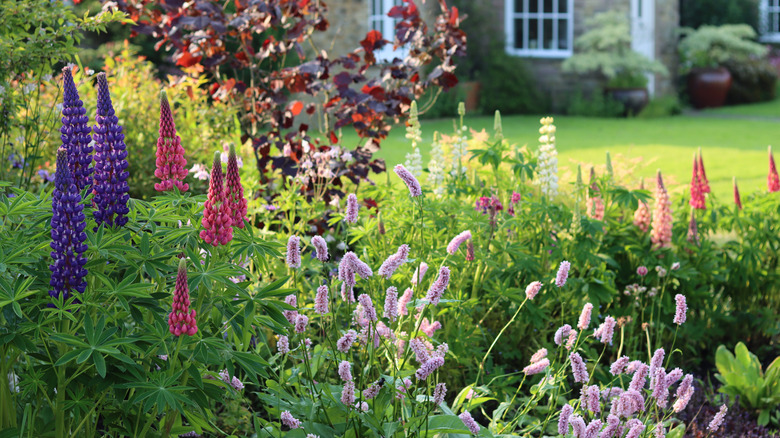
When the weather starts warming up, many of our favorite perennials start sending out energy to produce new growth. While you could leave them to their own devices and they'd likely be fine, dividing your plants is a great way to both enhance the plants' health and –most excitingly — get new plants!
Splitting up plants, or dividing, is one form of propagation (pollen, seeds, and clones are other examples). It can be done by separating or cutting a plant at its root to start another plant or several. Some of our favorite herbaceous perennials that take well to this type of treatment including hostas, yarrow, asters, black-eyed Susans, some ornamental grasses, hummingbird mint, bee balm, and woodland strawberries.
Not only is May an excellent time to plant perennial flowers for breathtaking summer blooms, it's also a great time to start dividing up those winter-hardy plants. The ground has started to warm up and the conditions are moist. Plants have the entire growing season to establish roots and build their structure. You're likely to still catch a few overcast days in a row — which is a good time to transplant as it reduces the risk of plants drying out under a hot sun. It's worth noting, that in general, those plants which bloom in late summer through fall are best divided in May or early spring. Plants that bloom in spring (excepting wild strawberries) are better divided in fall after summer's heat fades.
Hostas
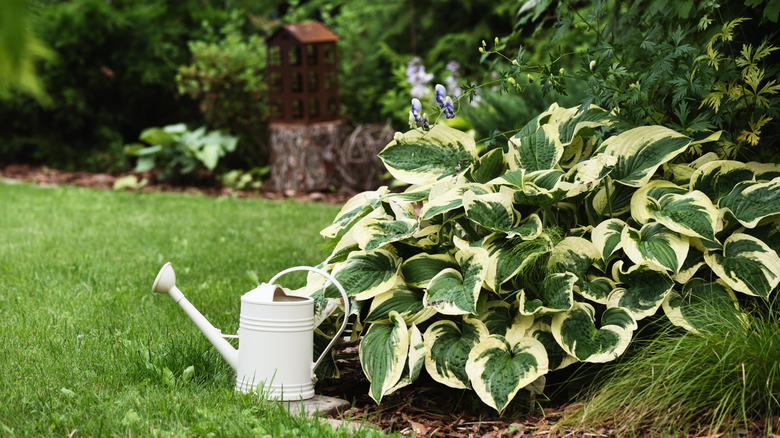
Growing hostas is fairly easy for most folks, and dividing them isn't much more complicated. Use a shovel to circle the perimeter of the rhizome root system and gently lift the entire clump a little out of the ground. Using a sharp sterile knife or hand trowel, cut the roots, leaving at least two eyes on each new piece of the plant. Space pieces at least one foot apart. Waiting to do this every 4-5 years gives the plant's rhizome network enough time to grow strong and hardy so division goes off without a hitch each time.
Yarrow
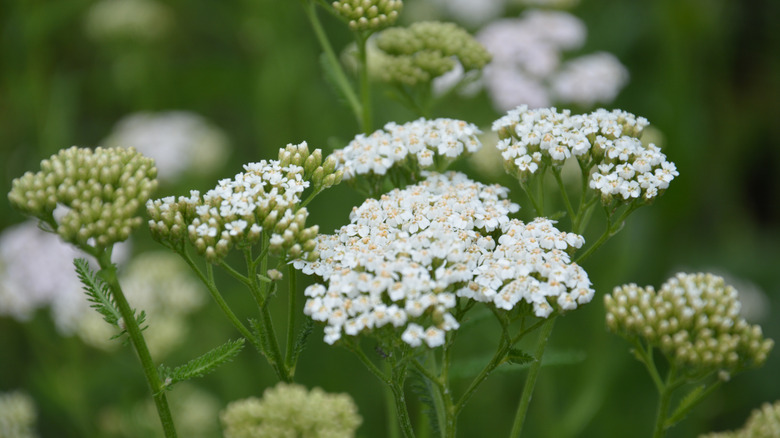
When pruned properly, yarrow plants provides beautiful blooms all summer long and into the fall. With the aerial parts of the plant serving as a traditional medicinal powerhouse – it's definitely something you want more of. You can easily multiply this beautiful, useful plant in the spring when new growth is starting. Just push your shovel into the center of the plant through the root system, breaking the plant in half. Dig out the part your plan to replant, leaving the other half where it is. Pop your bonus plant in a new hole with enough room to grow.
Asters
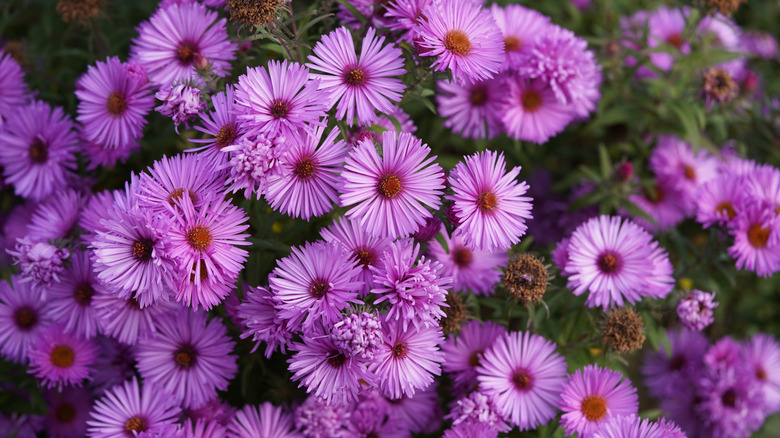
Dividing asters is a great way to stimulate new growth and fill your yard with more of those lovely little purple blooms. Asters send young new shoots to the outside of the plant in early spring, while the middle tends to become woody and start dying off every two or three years. To propagate asters you'll need to dig out the entire root ball and use a sharp shovel or knife to separate the new growth into plantable sections before tossing the aged center in your compost bin.
Black-eyed Susans
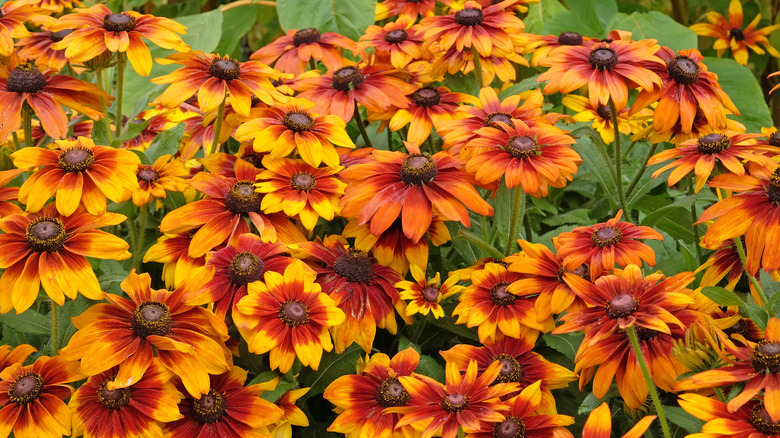
Black-eyed Susans can be divided in the spring or fall every three to four years. It's a simple matter of just digging up the clump of roots and cutting them into small sections with sharp scissors or a knife. Pruning back the dead parts from the winter months and having some holes prepped before getting started helps to make the process smoother. Be sure to plant your new baby Black-eyed Susans in a spot that gets loads of sun with well-draining soil for happy plants that can be divided again and again over the years.
Ornamental grasses
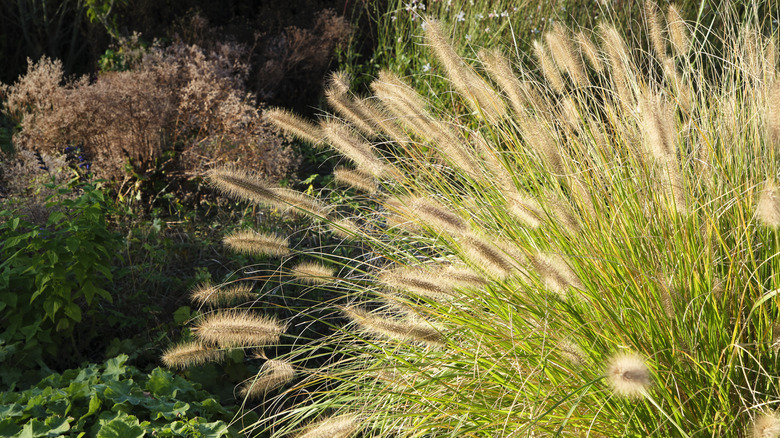
Like most perennials, dividing ornamental grasses is as easy as lifting out the root system, dividing it, and transplanting it to a location that will make it happy. The tricky part with ornamental grasses is getting the timing right. For warm weather grasses, late spring to early summer is the move, before they flower. For winter grasses its early spring (generally best) or late fall. The key is to do the division during the grasses' growing season. If dormant cuttings are transplanted, they may have a harder time taking root.
Hummingbird mint
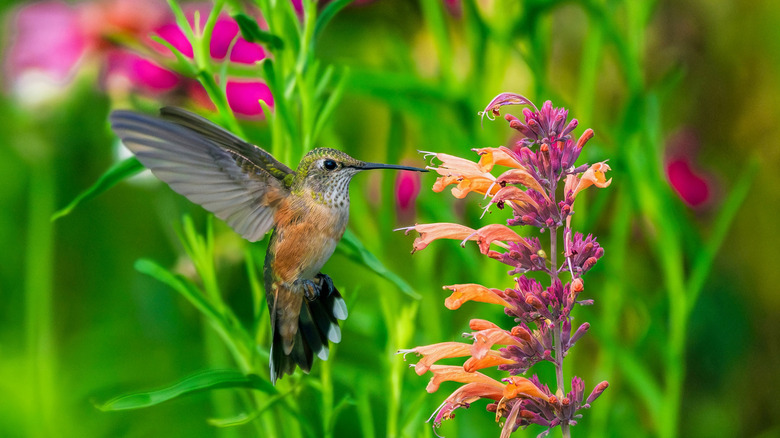
If your hope is to have more hummingbirds and butterflies flocking to your garden, you're going to want to pepper additional, anise-scented hummingbird mint plants around your property. In the early spring, when the plant is bursting with vigor, use a fork or shovel to lift the root system out of the ground and divide it into sections with a sharp knife. You'll have the best luck on a pleasant, dry day. But to avoid stress, keep the cuttings in water before relocating them, as soon as possible, to their new homes.
Bee Balm
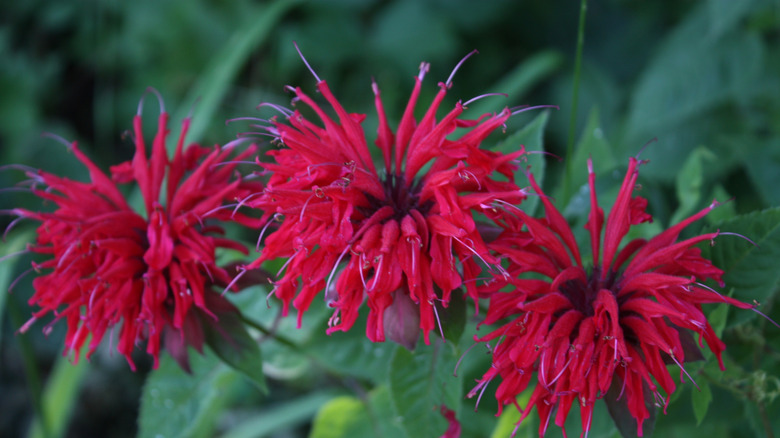
Bee balm is an excellent plant to grow in abundance around your flower garden as its another favorite of our pollinator friends. Like hostas, bee balm plants have rhizomes that send out new shoots below ground in spring. While the plants may start to die off every few years if left untouched, division stimulates new growth and prolongs its life. Cutting these rhizomes into sections with at least two or three shoots each is a quick and easy way to start new mounds of bee balm around the garden. Transplant them immediately, as they won't last long above ground.
Wild Strawberries
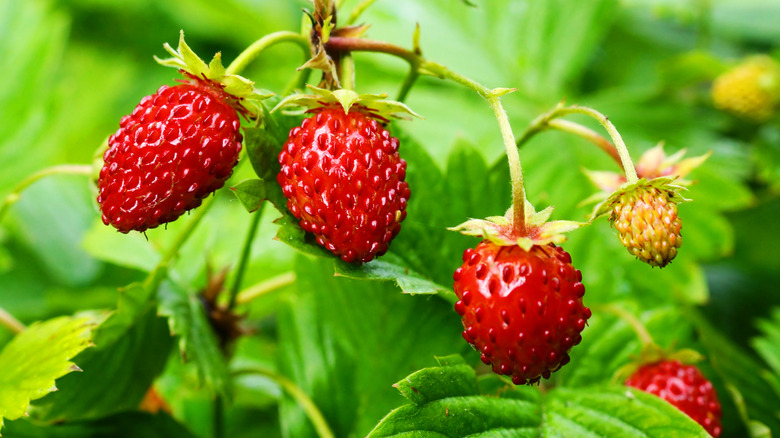
The only thing better than having yummy wild strawberries growing in your garden is having more wild strawberries growing in your garden! Though strawberries flower in the spring, it's also the best (or only) time to divide and transplant them. When spring has sprung and the weather is still wet and cool, water your strawberry plants well before digging out the root clump. Divide the crown into one or several different crowns with at least six roots on each before replanting them.