

Not Landscaping Fabric Or Herbicides: A Better, Natural Way To Prevent Weeds
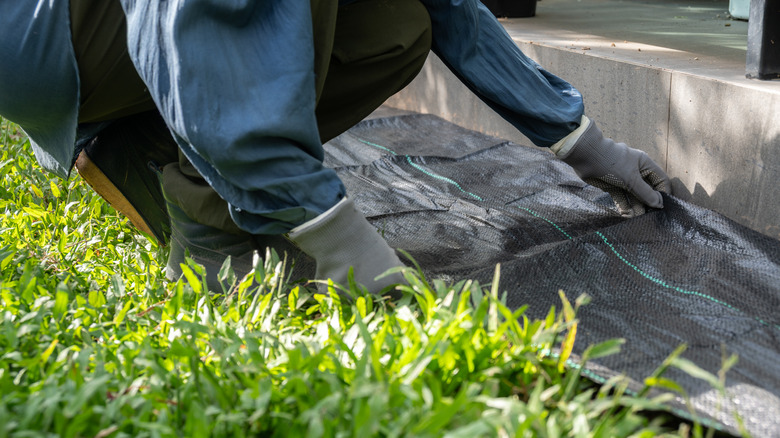
Landscaping fabric and herbicides are some of the go-to products homeowners use to fight weeds. While both have their benefits in terms of efficacy, one chief concern is the negative impact the chemicals in herbicides and plastics in landscaping fabric have on the surrounding environment. A better, more natural way to prevent weeds is to use natural ground covers like epimedium plants (Epimedium spp).
Sometimes known as barrenwort or bishop's hat, epimedium plants are some of the best alternatives to landscaping fabric and herbicides. A genus of over 60 species and cultivars, epimediums grow lower to the ground, typically not more than 8 to 12 inches in height, and spread out across the area in which they are planted. They produce a base of thick foliage with spidery or star-shaped flowers, which bloom in white, purple, orange, pink, red, or yellow, depending on the cultivar.
The reason these plants work so well against weeds is their spreading nature. They stretch across the area you want to protect, thereby reducing the light the weed seeds need in order to grow. This is the same principle as using covers like wood mulch or pine needles. With epimedium plants, however, you're getting a natural, low-maintenance option that will continue to serve as a weed barrier for years to come.
Grow epimedium plants for weed-preventing ground cover
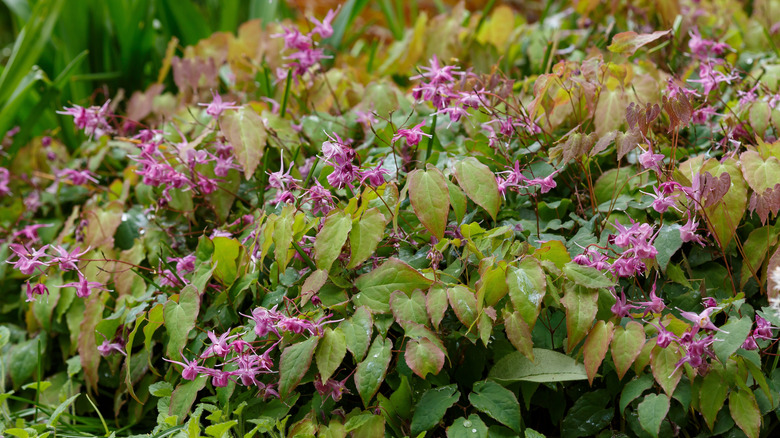
If you want to grow epimedium plants to prevent weeds, you need to be willing to play the long game. It will take between two to five years for the plants to spread far enough to serve as a proper ground cover. You also need to ensure your yard has the right conditions for the plants, which is critical if you want them to do their job.
Epimediums are a great option as an easy-to-grow ground cover for the shady areas of your yard. They grow best in areas of partial to deep shade and require a loamy, well-draining soil for their roots. They're fairly hardy, being able to grow happily between USDA zones 5 and 8. This shade factor also means that they're a great flowering ground cover to plant around trees.
Unlike English ivy, which is highly invasive and could end up being more trouble than the weeds, epimedium plants will take their time to spread, and they won't need to be constantly cut back once they're established. Also, once planted, they don't need much attention. Just remove dried or dead foliage every once in a while and you should be good. They're also fairly drought tolerant, though they may need watering during long periods of dry weather.