

Not Eggshells, Not Banana Peels: The DIY Fertilizer That Could Make Tomatoes Thrive
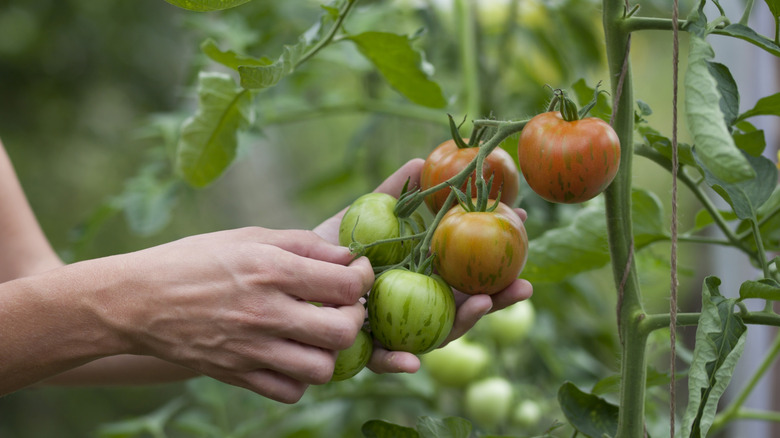
The importance of calcium when growing tomatoes cannot be overstated. Tomato plants need calcium to develop healthy roots, grow strong stems, and produce abundant fruit. They also need sufficient calcium in order to prevent blossom end rot, a disorder that rots the ends of tomato fruit due to a deficiency of calcium. Some popular holistic remedies for this have included pulverized egg shells and composted banana peels, both of which are high in calcium. However, there is another DIY fertilizer alternative for tomatoes that could help them thrive: milk.
If you have milk in your refrigerator or powdered milk in your pantry, you have at your disposal a potentially great fertilizer. As we were all taught in school, milk is incredibly rich in calcium and is the liquid we need to drink to make sure we have strong bones. Well, milk also has the potential to increase the calcium of tomato plants as well.
There are gardeners out there who swear by using milk on their tomato plants to keep them healthy and producing well. Besides being rich in calcium, milk also contains protein, sugar, vitamin B, and other nutrients that can immensely benefit the soil. There is a lack of controlled study that can sufficiently prove that milk will do all these things for tomato plants, but enough gardeners have had success with it to at least give it a try on your tomatoes.
How to use milk on tomato plants
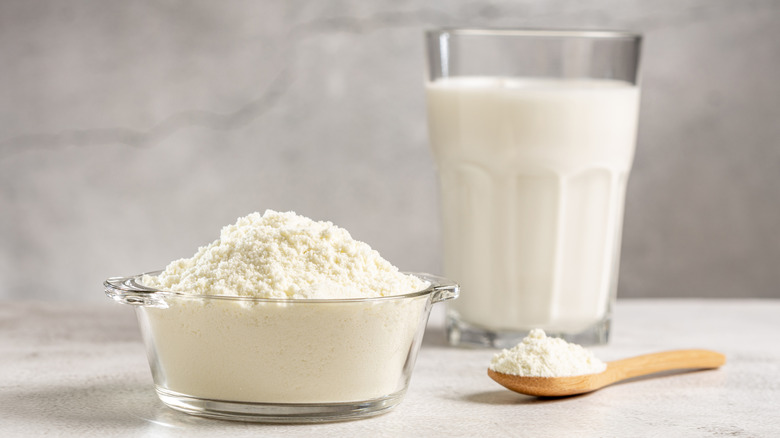
If you can get your hands on raw, unpasteurized milk, this would be ideal for tomatoes, as the milk has not gone through the pasteurization process that heats away the native bacteria. Some gardeners have used a 50-50 dilution of milk and water and applied it directly to the base of the tomato plant. The liquid is then able to permeate the soil and reach the roots. Some gardeners have also had luck spraying the tomato plant leaves with milk as a way of reducing aphids and powdery mildew.
Another product people have used is milk powder, which is dehydrated milk that has retained much of the vital calcium the tomatoes will need. This can be applied directly to the base of the tomato plants, then soaked in with a good watering. Some gardeners who use Epsom salt to promote thriving tomato plants mix it into their milk powder as a way to boost the mineral content even further.
As with any natural fertilizers, there are some downsides to milk that are worth noting. If used in excess, the bacteria in the milk can spoil if it can't soak into the soil fast enough. Like DIY fertilizer made from repurposed kitchen scraps, spoiled milk can lead to a lingering bad smell in the garden. Reportedly, dried skim milk may also induce black rot. So, will milk work for your tomatoes? You'll need to try for yourself to find out.