

Habits Of People Who Always Have An Amazing-Smelling Home

You might go nose blind to the smells in your own home, but you notice the smells right away when you visit someone else. Sometimes, it's obvious that those homeowners have similarly gone nose blind to common lingering household odors, like wet dog fur, trash, or damp clothes. Other homes, meanwhile, smell so good that they make you feel like you just stepped into a luxury spa.
We're not talking about the fake air freshener smell that masks odors and leaves you gasping for air (not-so-fun fact: those air fresheners often contain VOCs, which are irritating and potentially harmful to your health). We mean those homes that truly smell fresh, clean, and inviting — and it's even better if they have a natural scent, whether that's a tropical coconut vibe with hints of warm vanilla or a bright, uplifting citrus floral. The truth is, there's a lot that goes into making your house smell good, from cleaning properly and controlling common odor sources to ventilating the home and using odor absorbers for smells that are unavoidable.
Fortunately, it doesn't have to be a guessing game. It's a matter of forming regular habits to eliminate odors and naturally scenting the air, if you want. Bonus: Some of the methods, particularly increased ventilation, can also help lower the VOCs in the air, so your home might smell better and be healthier.
They let the fresh air in and utilize ventilation
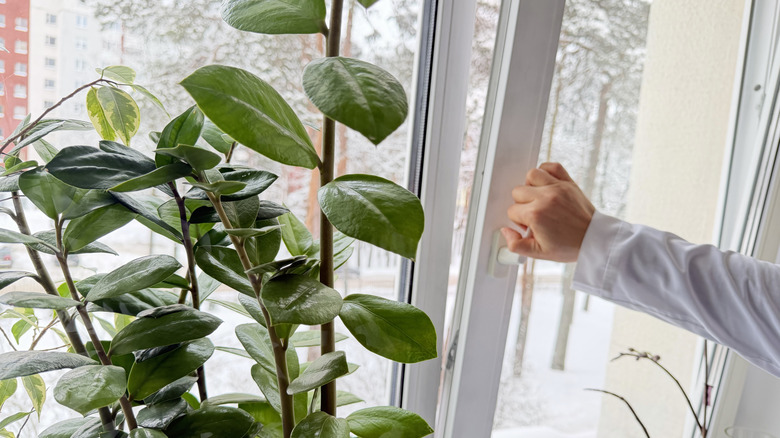
When you think of air pollution, do you think of factories spilling smoke from the roof or smog in big cities? Of course, that's one source — and those images might make you think that closing your home up tightly is the best way to fight indoor air pollution. But the air inside your home could have two to five times more pollutants (which often contribute to odors) than the air outside your home, according to the American Lung Association. So, not only does poor ventilation keep in the bad odors, but it also keeps in the pollutants that could affect your health.
Home ventilation comes in many forms. One of the easiest ways to let the fresh outdoor air in and release the stale indoor air, pollutants, and odors is to get in the practice of opening your windows every day. Yes, even when it's cold, hot, or rainy! On those less-than-ideal days, aim to keep the windows open for at least five minutes, though 15 to 20 minutes is more ideal.
Mechanical ventilation methods, like exhaust fans, help circulate fresh air into the home without opening your windows. Always run your bathroom exhaust fan when using the toilet or taking a shower — it draws out unpleasant odors quickly and keeps humidity under control. And lower humidity means a lower risk of musty smells and mold or mildew growth. Run the kitchen exhaust fan to eliminate odors and moisture from cooking for the same reasons.
They follow an effective cleaning routine
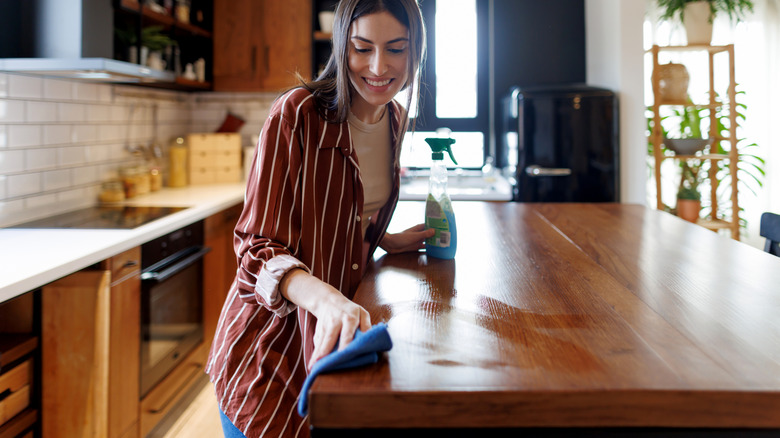
Of course, a clean house smells better than a dirty one. But there's some science behind why that is — and where you need to clean for maximum impact. Even if you have leftovers thrown away and countertops visibly clean, there could be smells lingering due to bacteria. Some of the biggest offenders are your garbage disposal, spoiled food, and wet towels. If you have pets, bacteria from their urine or feces cause odors to stay behind even after you clean up the mess.
In addition to keeping the house clean, a great routine to establish is regular cleaning of trouble areas. Sinks and drains stay fresher smelling if you clean them every few days, for example. A weekly fridge clean-out to remove older food can stop the spoilage that often stinks up your home. And, unfortunately, cleaning the bathroom (including the toilet) is more than a once-a-week or once-every-few-weeks job — keep the crud and the odors away by cleaning bathroom surfaces that collect bacteria at least two to three times a week. Think about the main areas that get gunky, and clean those areas before the filth builds up and the smells start growing.
They deal with common sources of odor consistently
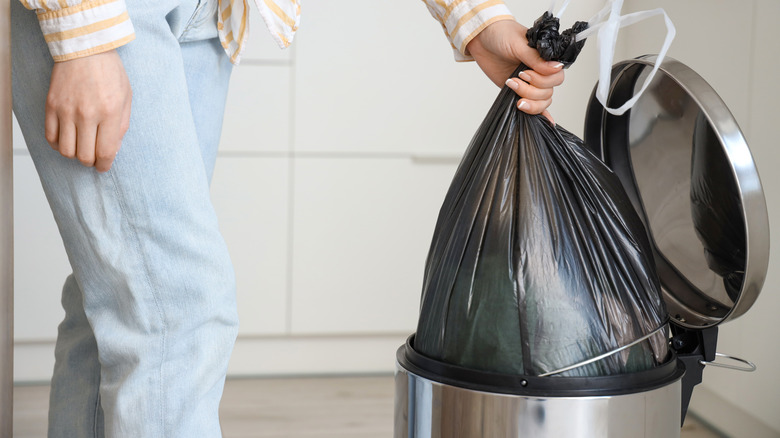
Regular cleaning takes care of a lot of odor-causing bacteria and removes things like grease and food remnants. But there are other odor sources in homes that you might not think of as much. Your trash, even when it's inside a closed container, can get smelly fast, especially when there are food remnants in it. And shoes start stinking quickly because of bacteria from your feet and all the sweating you do, which creates a warm, moist environment to help that bacteria multiply. Excess moisture from issues like plumbing leaks could cause mustiness and smelly mold and mildew growth. Wet towels can also get musty if you don't let them dry fully. Other possible sources include odors trapped in carpets and buildup in appliances.
Managing those odor sources will help your home smell better. In some cases, like plumbing leaks that lead to mold, identifying and repairing the issue is the only remedy. Some sources, like food buildup in appliances and smelly trash, just require vigilance — take out the trash daily, and add appliance cleaning to your to-do list. Other times, relocating the source might help. If you can keep footwear out of your entryway by putting a storage shelf in the garage, for example, you'll avoid greeting your guests with a waft of foot funk.
They use odor absorbers in key areas
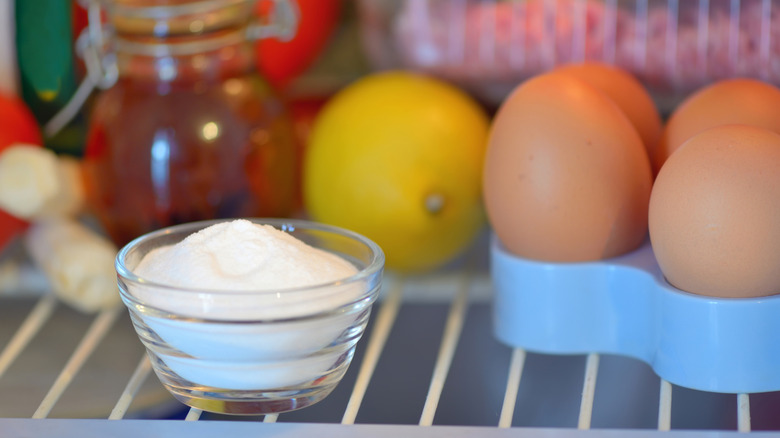
Some odor sources are tough to eliminate from your house, such as the foods in your fridge (like onions, garlic, and hard-boiled eggs) that have a naturally potent smell. Even if like those foods, you don't want your house to smell like them. Your trash is also a source of odors that you may have to deal with. After all, you can't reasonably empty the trash bag every single time you throw out a bad-smelling item. Shoes sometimes produce a funk that could infiltrate other parts of your home, whether or not you store them in the entryway. For those stinky situations, it's a good idea to start using odor absorbers.
Baking soda is a commonly used odor absorber that you find in many refrigerators across the country. Another good use for it is in the trash can — sprinkle a little in the bottom, and add another layer occasionally throughout the week or after throwing away something smelly. Similarly, putting a jar of coffee grounds in the kitchen could work to absorb odors, especially in enclosed areas like your fridge or sink cabinet. If nothing else, it may make your house smell faintly of coffee, which is a potentially great thing for any java lovers. Activated charcoal is another possible odor remover to place in stinky areas. Reusable packs the Vitscan Bamboo Charcoal Air Purifying Bags can last for years, needing only a few hours in the sun every month to recharge their odor-adsorbing abilities. Fixes like these might not completely eliminate odors, but they will help to knock them down a bit.
They incorporate naturally pleasant scents
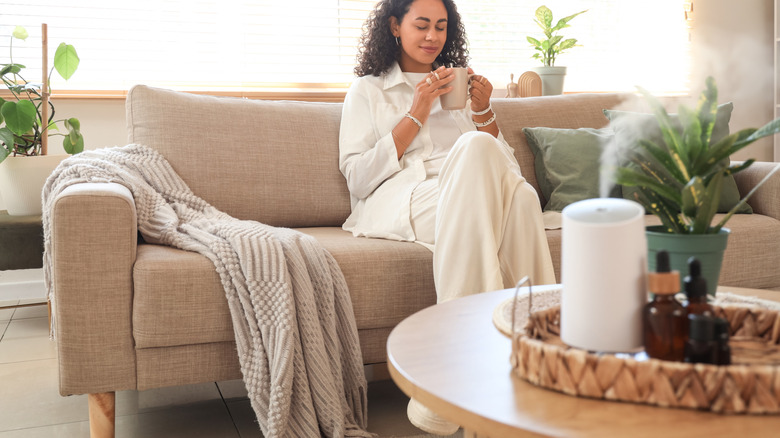
When the air inside your home is clean, it shouldn't have much of an odor. So, if your home only smells good because you fill it with artificial fragrances, you're really just hiding the root cause. These days, it seems there's simply no need for plug-in air fresheners — many of them pump out toxic chemicals that, despite smelling good, are potentially harmful for your family and pets. Even candles often contain VOCs and release soot, gases, and other tiny particles into the room, which can affect air quality.
However, once your home has a clean, neutral scent (by cleaning regularly, eliminating odors, ventilating the space, etc.), maintaining a natural good smell can be the icing on the cake. Keeping fresh cut flowers in the house (whether you cut them from your garden or buy them from the store) allows you to enjoy those organic aroma. Examples of good-smelling blooms that might be in your garden include irises, daffodils, lilacs, and lilies.
For a more concentrated scent, you can get in a routine of using simmer pots. This super-simple natural fragrance option is also versatile — toss your favorite combination of spices, fruits, and herbs in a pot with a little water, and bring it to a boil. Then, let it simmer for the day (as long as someone's home to supervise it). Or, toss the items in a slow cooker. This is a good way to use up older food items that you might not want to eat but that still have good scents.