

12 Plants To Prune Before March Ends For A Thriving Garden In Spring
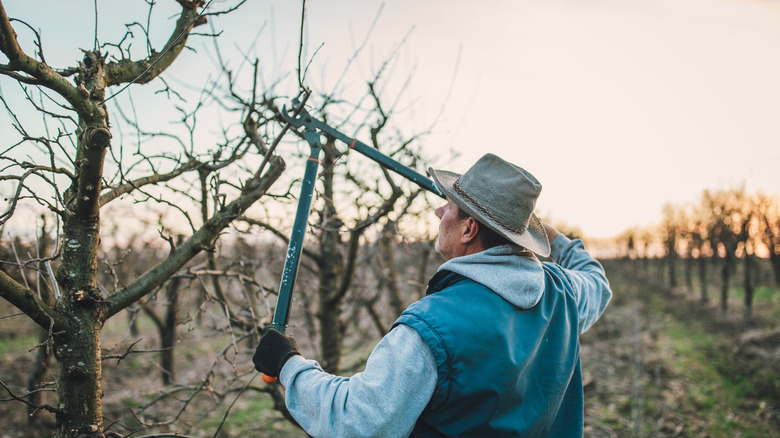
March is an exciting time of year. It marks the imminent arrival of spring with warmer temperatures reviving greenery and bringing some early blossoms back to the yard. March is also a time of year to get a lot of outdoor prep work done before your garden is in full swing. One of the most essential March chores a gardener can partake in is pruning. It's important to do this because, for many plants, waiting until March ends is often far too late.
Whether you're growing shrubs, flowers, or even maintaining a small orchard of fruit trees, knowing how and when to prune them is essential to their overall health. Unlike trimming, which is the act of tidying up a plant's appearance, the goal of pruning is the targeted removal of dead, diseased, or damaged branches and to open up a plant for more light and airflow. Doing this in March is ideal for many plants, as they are still dormant and temperatures are, for the most part, past the risk of deep, damaging freezes.
The following plants on this list, which range from hardy hydrangea varieties to sweet fruits to ornamental grasses, can all be pruned in March across several USDA climate zones. We'll go over which zones and temperatures are appropriate for pruning, and why you can expect to see your garden thriving come full spring.
Apple trees
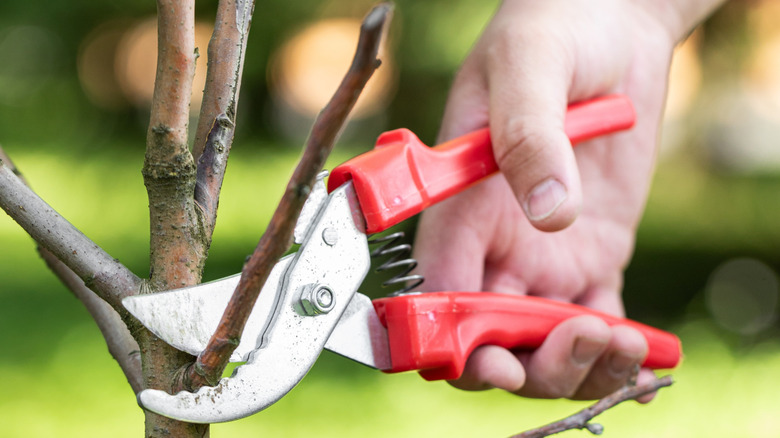
Though you can prune apple trees as early as January in certain climates, the absolute best time of year to do it is in March. This is because, in the colder hardiness zones, late March marks the beginning of when temperatures will no longer cause ice damage, but not so warm as to cause pest-inviting sap bleed. Remove any dead, damaged, or diseased branches first before moving on to opening up the canopy. Get rid of crossing branches, as well as those leaders that are growing downwards off the main branches.
Smooth and panicle hydrangeas
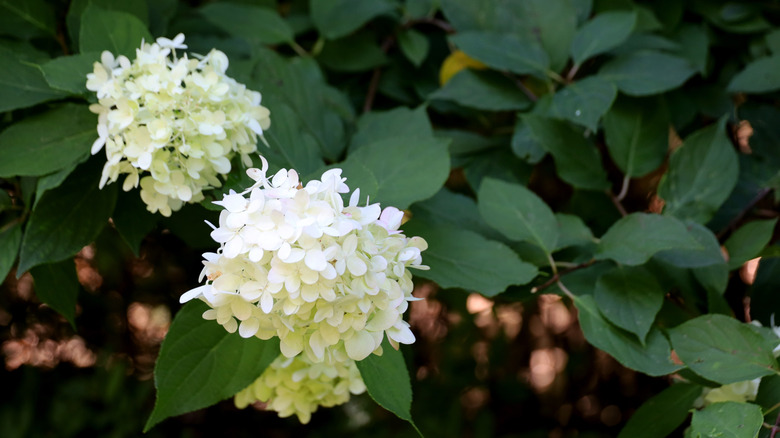
Smooth and panicle hydrangeas are among the cold-hardiest of all varieties to grow, being able to withstand temperatures down to USDA zone 3. They are also what are known as new wood hydrangeas, meaning that they bloom out of new growth every year. Pruning this type of hydrangea needs to happen in the late winter or early spring, making March the ideal time of year to do it. You can cut up to a third of the previous year's growth if you want a guarantee of long-lasting, summer and fall blooms
Roses
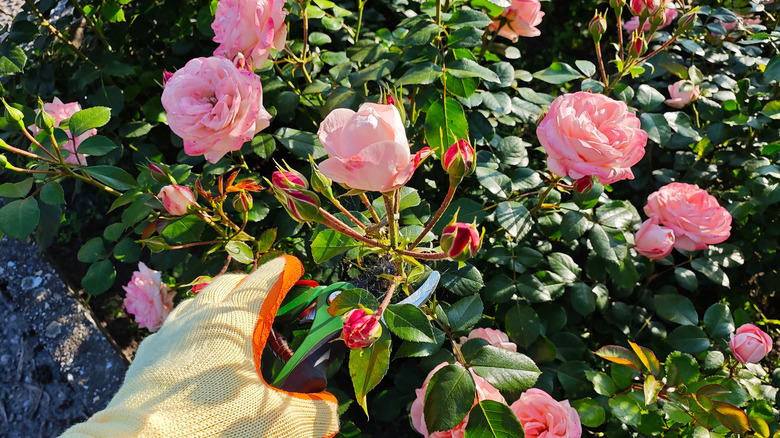
Roses are notoriously finicky when it comes to pruning. Those that bloom once in a season should be pruned immediately after flowering, like late spring or summertime. Roses that bloom multiple times a season, however, should be pruned in late March or April when their buds begin to swell. This will promote vigorous growth and more flowering when the blooming season arrives later in the spring. Prioritize removing any dead, damaged, or diseased wood while the roses are still dormant, which they will be in early March in all but the warmest climate zones.
Blueberry bushes
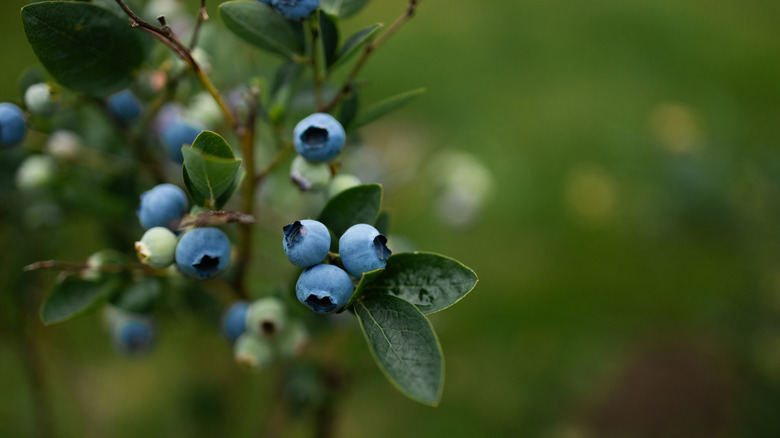
While you might think it's good to just leave them alone to grow on their own, blueberries, especially high bush varieties, will respond incredibly well to annual pruning. Remove any canes that are growing too close to the ground or outside the 12-18 inch diameter that is ideal for harvesting fruit. If you have a mature plant that has been neglected, you can thin out a good portion of the branches, as well as those weak, broken, or diseased leaders. Do this in March while the bushes are still dormant for ideal spring growth.
Crepe myrtle
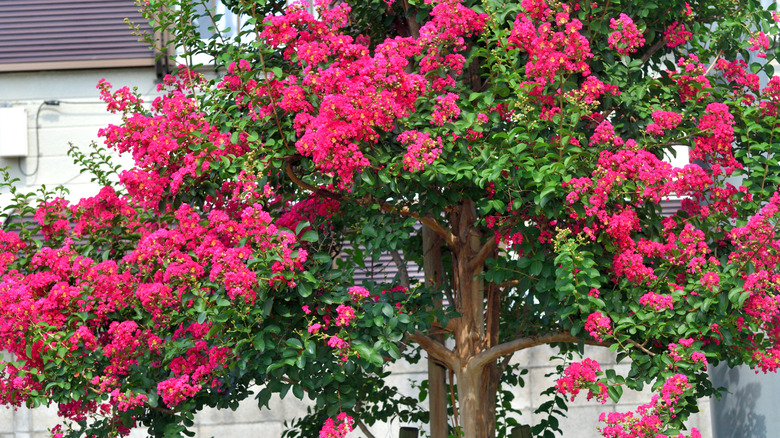
If you want to encourage your crepe myrtles to have beautiful floral displays in the spring and summer, pruning in the late winter is ideal. Early in March, while temperatures are past the point of deep freezing, is excellent for this, as the trees are still dormant and any cuts made will heal quickly with new spring growth. Still, the crepe myrtle does not require excessive pruning. Mature trees only need to be thinned of small branches, while younger trees can have their tops pruned to encourage shape and manageable size.
Butterfly bush
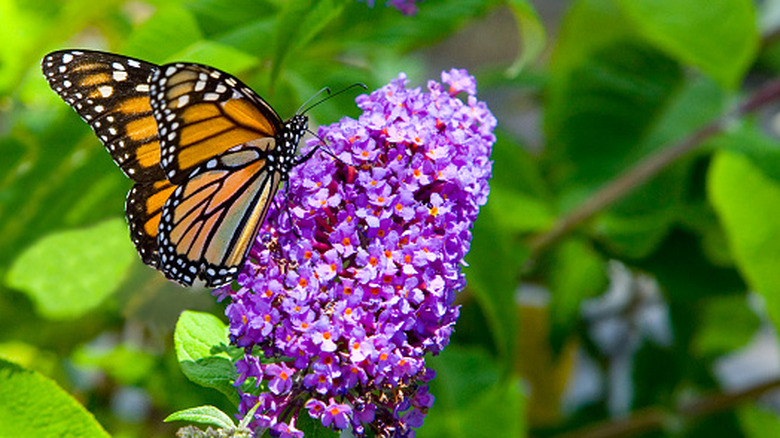
Unlike many of the other plants on this list, pruning of a butterfly bush needs to happen after the new growth has begun to appear in late March. This is acceptable because the butterfly bush flowers grow on new wood, and it is a vigorous enough grower for pruning not to bother it. In fact, it is so vigorous and invasive that, if you don't prune it excessively to keep it in check, this beautiful plant could actually wreak havoc on your yard and garden. So, don't be shy. Trim the butterfly bushes pretty intensely. Trust us, it'll grow back.
Twig dogwood
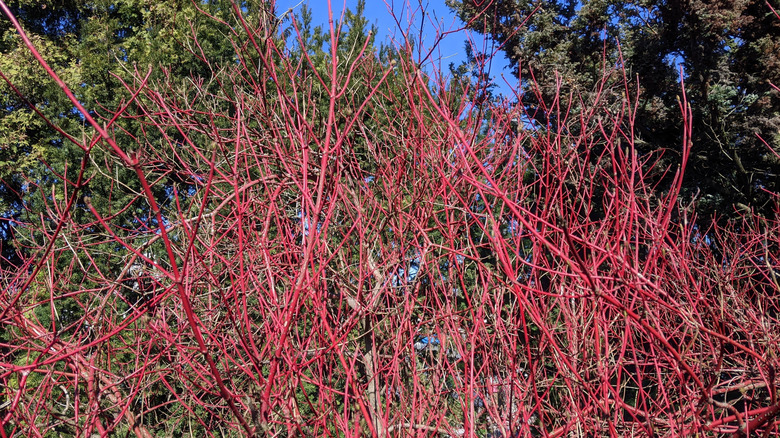
Red twig dogwood is a hardy perennial shrub that thrives in USDA zones 3-7. As such, pruning it in March is ideal because the plant is still dormant, but temperatures are not so severe that the threat of frost damage is too much. We'd err on the side of March pruning closer to Zone 7, however, as temps are likely milder. Prune these bushes aggressively! Every two years, cut all the branches back to about 2 inches off the ground, and they will respond with vigorous new growth.
Hardy fuchsia
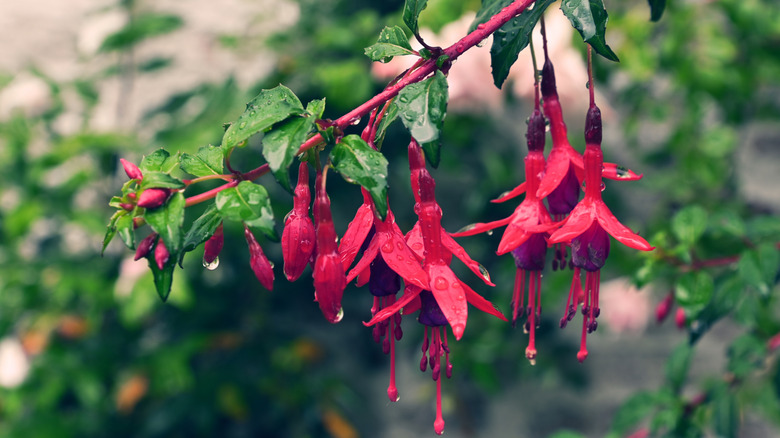
Hardy fuchsia is another one of those plants that can be pruned after new growth appears in late March to early April. This is because the fuchsia grows in new growth every year, so it's acceptable to prune these in warmer parts of the country once the chance of frost has passed. The top crown of the plant needs to be in place during the winter in order to protect the plant, but it can be removed once the new growth appears. Cut back all stems to a pair of leaf buds that are about 4 inches above the ground.
Grapes
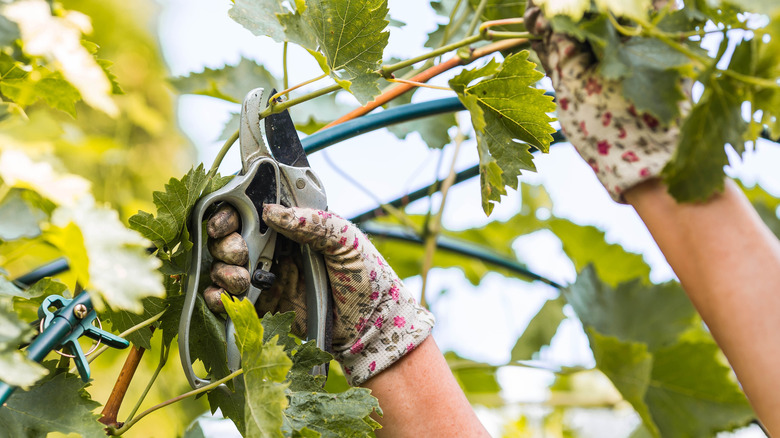
Whether you're growing them for fruit, jelly, or wine, knowing when to prune your grape plants is essential for healthy vines and an abundant fruit crop. Like most other fruits, grapes need to be pruned in the late winter in order to ensure that the plant is dormant and will be least hurt by the cuts. March is perfect for this, especially for those growing in colder zones. While it may sound drastic, you can remove up to 90% of the previous year's old wood growth, only leaving about 15 buds per cane. This will really encourage new growth and fruit production in the summer.
Group 3 clematis
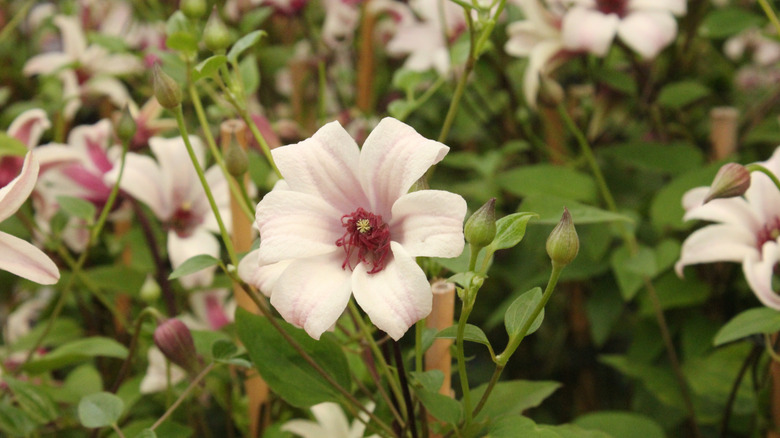
The clematis flower is split into three groups: spring bloomers (1), repeat bloomers (2), and summer/fall bloomers (3). Group 3 clematis are the ones that need to be aggressively pruned in March while the plant is dormant in order to ensure that the flowers grow back with vigor in the summer/fall. You can cut back all old stems to about a foot above the ground, which is just above the point where new plant growth will begin. Leaving a little bit of last year's growth will help encourage the new.
Ornamental grasses
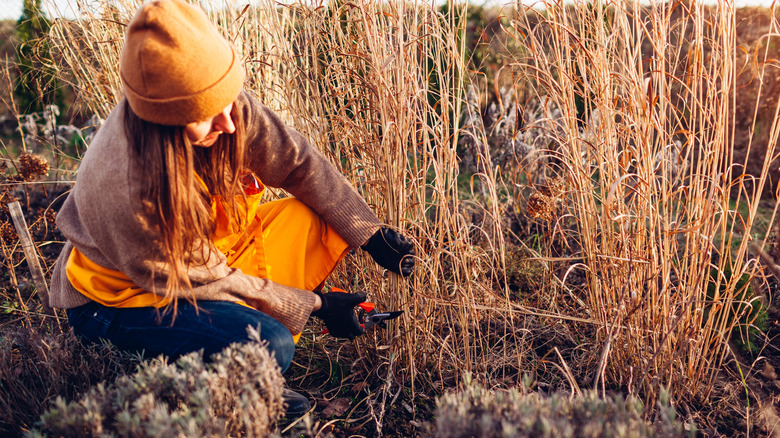
Nearly all types of ornamental grasses can be pruned in the late-winter or early spring, with the exception of those growing in fire-prone Zones 8-11, in which case the grasses should be cut back in the fall. In cooler zones, the grasses can be trimmed all the way back to the ground. It's the same principle that applies to mowing your lawn, as this intense trimming encourages new growth to appear later in the season. You can prune your ornamental grasses any time after they turn brown, but many gardeners prefer to keep them through the winter for added visual appeal.
Peach trees
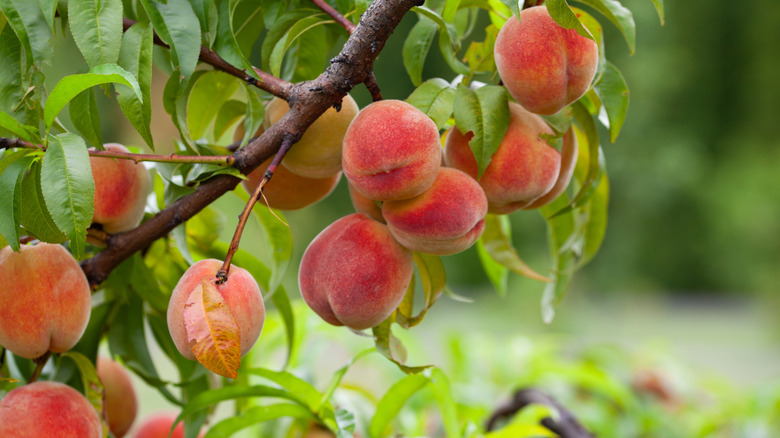
While all stone fruits benefit from pruning in the late winter or early spring, it's peaches that really benefit from pruning in March. This is because peach trees are very sensitive to cold, and should therefore be pruned as late in their dormancy period as possible. A late-season freeze could result in severe damage to the tree and potential for significant crop loss. So, the more protective wood the tree has, the better. When you do prune, prioritize those branches that are dead, diseased, or damaged before moving on to removing shoots and smaller branches that open up the canopy.