

16 Clever Coconut Oil Home Hacks You'll Want To Try For Yourself
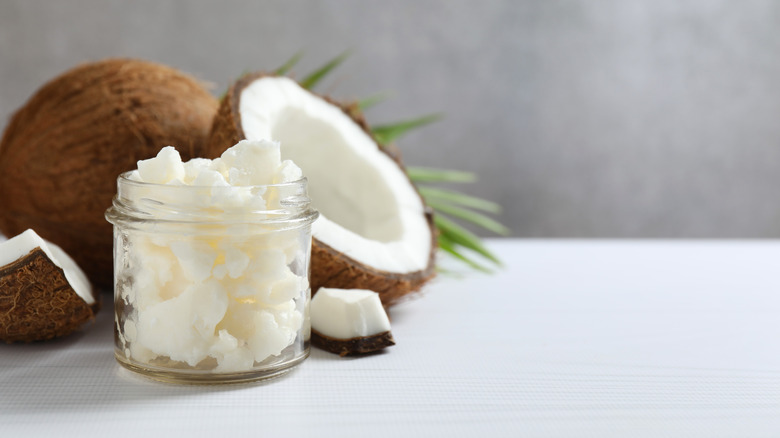
There's a powerhouse ingredient hiding in your pantry, and if you know how to "hack" it, you can use it in dozens of different ways around the house. It's able to refresh everyday items, help you clean your house more efficiently, and even tackle stubborn messes. That ingredient? It's coconut oil. You might know coconut oil best as an edible oil, as it's often used for cooking. But the potential of this plant-based product goes far beyond your favorite recipes — and even the kitchen. With a jar of coconut oil, you'll have a lot of versatility and the ability to use it as a hack for a wide range of different tasks (or even sticky situations) across your home, from cleaning laundry stains to shining shower doors.
Coconut oil comes from mature coconuts, and it's filled with saturated fat (in fact, 80% to 90% of it is saturated fat). That's one of the reasons it's so handy throughout the home. The fatty nature of this oil allows it to sit on surfaces and lock in moisture underneath, helping materials like wood and leather stay shiny and supple. The everyday solid variety in your pantry has a ton of utility as a backup tool when you're in a pinch, but coconut oil also comes in different forms that can enhance its natural benefits for certain tasks.
Treat stubborn laundry stains
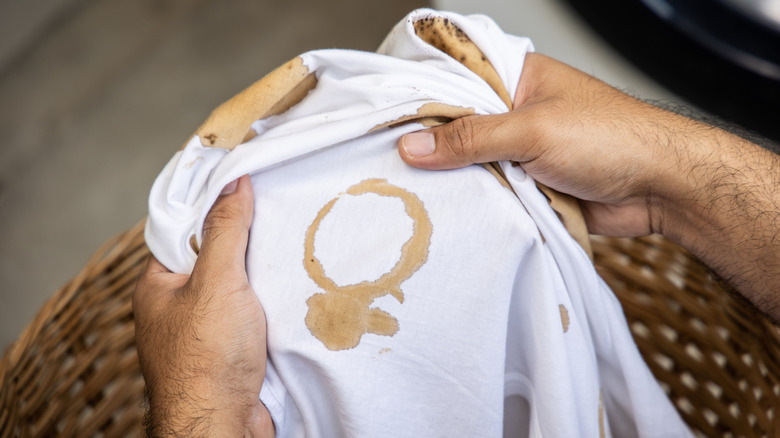
The next time you're facing stained shirts or other laundry linens and you're all out of your favorite store-bought stain remover, try using coconut oil instead. Just be cautious about using it on every little mark; coconut oil is best for breaking down sticky or oily stains. Rub the stain with some coconut oil, or make a paste by blending baking soda and the oil. Pre-treat stains by letting the oil or paste sit for about 15 minutes before washing.
Soften loads of laundry

Here's another way to hack your laundry with coconut oil: Skip the costly fabric softener and DIY your own with this do-it-all ingredient. Coconut oil works as a gentle natural softening agent, thanks to its fatty acid content, and won't leave a residue if used properly. To add it into your laundry, you can try a homemade detergent recipe that includes coconut oil.
Revive wooden kitchen tools
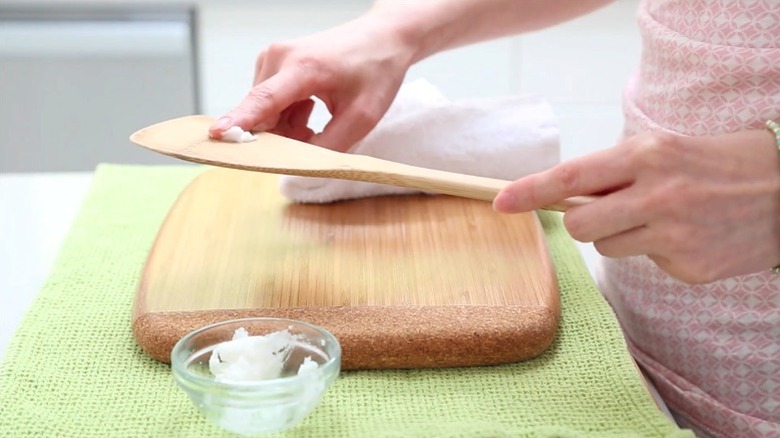
As wood cutting boards, cooking utensils, and even serveware like salad bowls get washed with hot water, they can easily become discolored, warped, and even damaged with cracks. To maintain your wood goods and tools for the long term, you'll want to oil them about once monthly to keep the surfaces smooth and sealed against moisture. Rather than purchasing a special wood oil for these items, many DIYers season wooden utensils with coconut oil — using either the solid form or fractionated coconut oil, a form that eliminates the fat while keeping antibacterial and moisturizing properties.
Restore shine to wood furniture
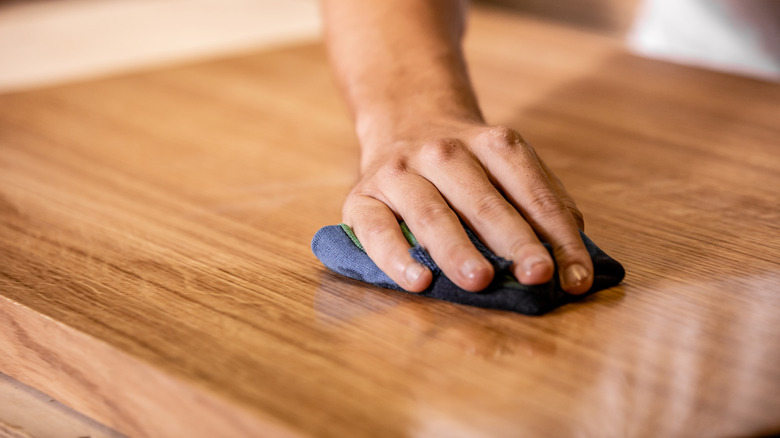
If your wood dining table or chairs have lost a bit of their luster, it's probably time to polish and moisturize them. But you don't need a chemical-laden solution — you can instead just reach for coconut oil, which works as a natural kind of polish. In addition to working on wood utensils and serveware, coconut oil will also help moisturize wood furniture and leave behind a visible gloss. You can use it as a spot treatment on dry areas of your furniture or apply it all over before a final buffing.
Make shower doors sparkle with no hard water stains
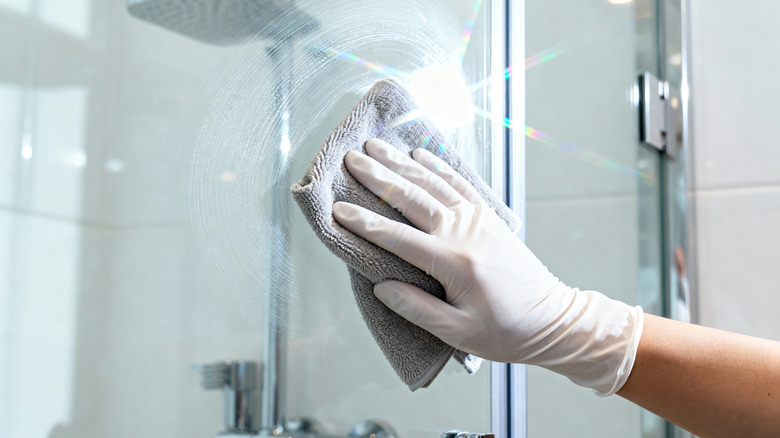
Hard water stains are one of the biggest bathroom pain points, as these stubborn mineral deposits often don't come off of glass shower doors or shiny fixtures easily. But coconut oil is a cheap kitchen ingredient that can tackle hard water stains and unsightly soap scum in a single go. Mixing liquified (heated until it melts, that is) coconut oil with lemon juice creates a cleaning solution that'll break down tough minerals in these stains so you can rinse them away, with minimal elbow grease required.
Degrease stovetops and other messy surfaces
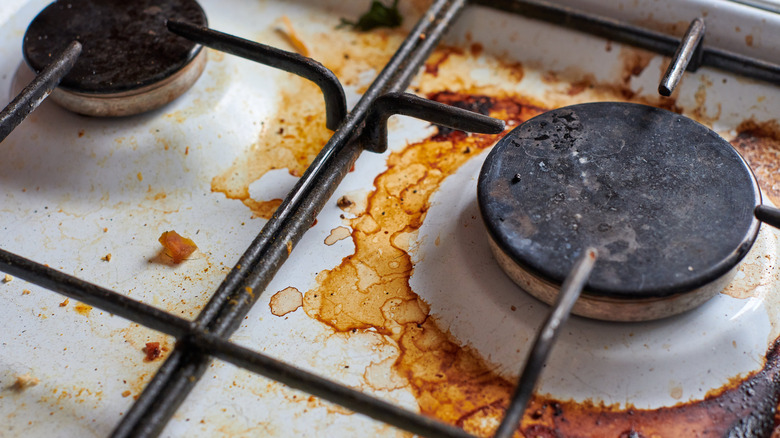
When you're cooking with splatter-prone ingredients like olive oil, it's nearly impossible to keep your stovetop, backsplash, and even kitchen countertops clean and grease-free. But you don't always have to rely on tough store-bought cleaning solutions to cut through these oily, slick messes; coconut could handle it all with ease. As an oil, it's the perfect pick to combat oil-based cooking stains and debris, since oils naturally dissolve other oils to lift leftovers like layered-on grease and sticky sauces.
Quiet squeaky door hinges
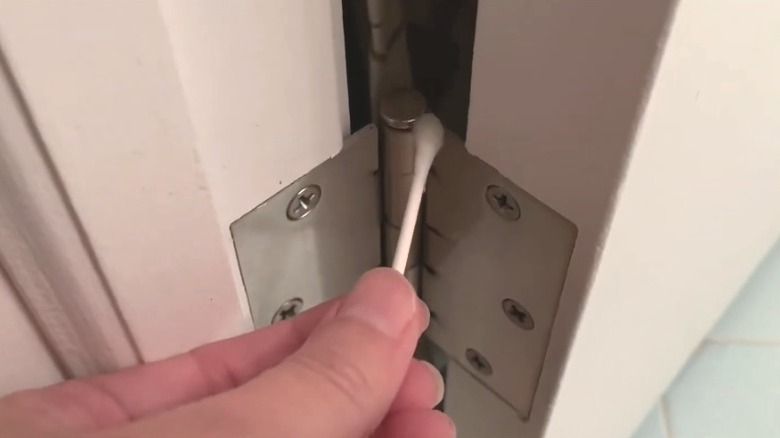
Sure, WD-40 has a lot of uses in the garage and your home. But this potent solution is so tough and capable because it's also a bit dangerous (it's not meant for human or pet contact). If you're facing squeaky, annoyingly loud door hinges, you can grab coconut oil as a gentler alternative. Heat the oil so it turns from solid to liquid, and then apply it on both the hinge pin and the overall hinge mechanism to quiet your doors down.
Keep fingerprints off stainless steel appliances

Stainless steel looks sleek in any kitchen, but it comes with one common pain point: It's so incredibly easy to smudge and dull with fingerprints. If your most-touched stainless steel appliances are need of a clean, coconut oil can do the trick — and as an added perk, it'll even add a slight layer of protection against future fingerprints and messes. Just remember to use a soft microfiber cloth, as harsher materials (like paper towels) could scratch and damage your shiny stainless surfaces.
DIY your own dusting solution
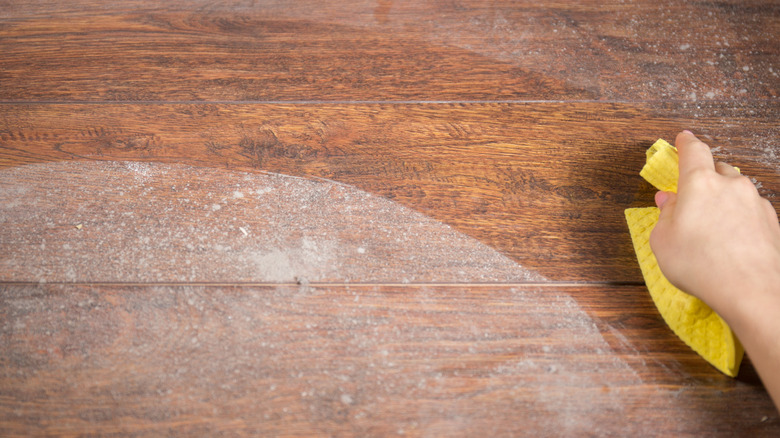
Dust collects fast in the nooks, crannies, and corners of your home, and it feels like it gathers just as quickly on countertops and tables. Coconut oil could solve your frequent dust woes, though, thanks to its ability to act as both a cleaning solution and a dust repellent. You can blend fractionated coconut oil (remember, that's a version with the saturated fats removed) with vinegar and water for a DIY dusting spray. Or, stick with regular old coconut oil from your pantry, and wipe it along extra-dusty spots like your ceiling fan blades.
Moisturize and maintain leather furniture
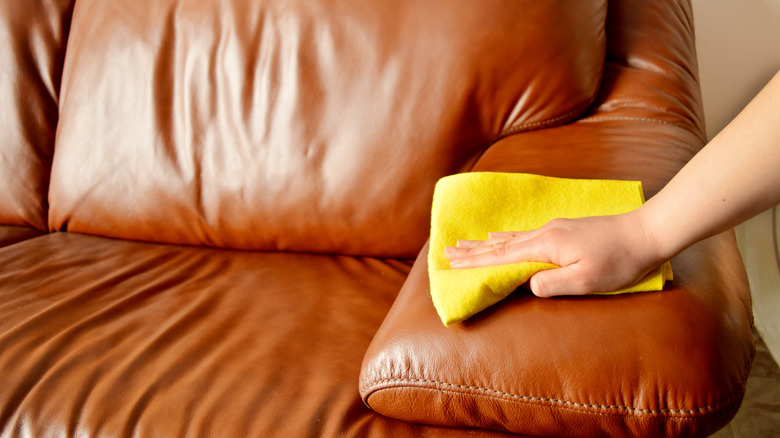
Over time, leather can dry out and become less flexible and supple — so you'll need to condition leather pieces like couches, chairs, and home accents regularly. For many, coconut oil does the job just fine, adding the oil needed to keep the material moisturized. Just be sure to test your coconut oil in a small, not-too-obvious area before applying it across an entire leather piece. Coconut oil can alter the appearance of some leather, darkening its color, so a spot test will clue you in to whether or not it'll impact your items.
Get gum out of carpet and rugs (or anywhere)
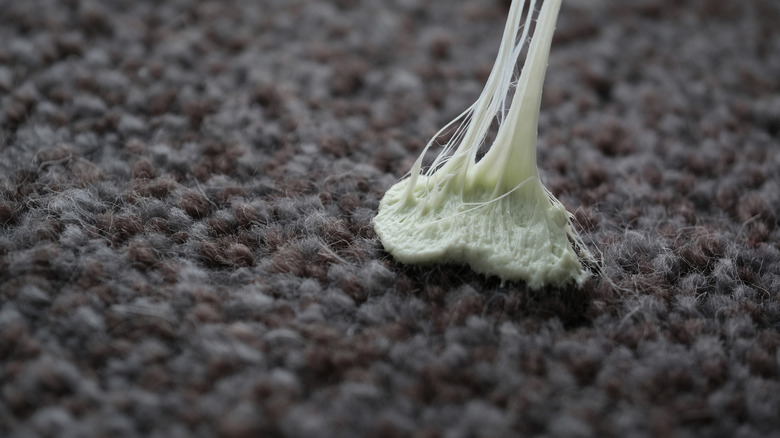
If you've ever had the pleasure of trying to remove super-sticky gum trapped in the fibers of a high-pile rug or any type of carpeting, you know just how difficult that task is. Peanut butter is a smart solution, but if you need an alternative, coconut oil will do the trick, too. Oils are great at removing stickiness, which makes it easier to free the gum from fibers. Heat the coconut oil until it turns to liquid, work it into and underneath the gum, and it'll slide off your carpet.
Remove crayon and ink marks from walls
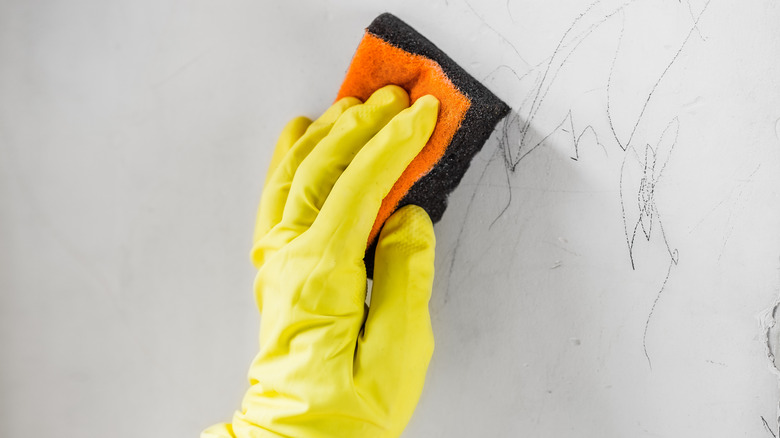
If you're looking for an alternative to the potentially harmful melamine sponges that are highly effective at getting crayon, pen, and other markings off your walls, coconut oil is the answer. The oil can loosen crayon's sticky wax, making it easier to lift the marks without taking your paint along, too. Just don't break out the coconut oil if your kids scribble on wallpaper-covered walls; you'll wind up removing the crayon or ink, but the oil might seep into and stain the porous paper.
Stop rust spots before they spread
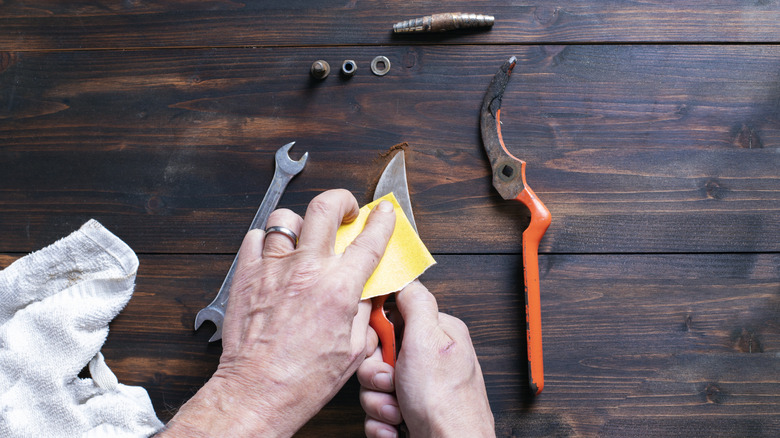
Items with small rust spots — like cast iron cookware, gardening tools, or regular tools — might benefit from a little TLC with coconut oil. Rubbing the oil on small, minor rust may remove it altogether. Once you've cleaned your tools, you can also apply a layer of coconut oil to prevent rust from forming again. It may not be super thick, but the oil is able to act as a moisture barrier, effectively "sealing" metal surfaces off so water exposure can't do damage.
Make stickers and labels slide right off
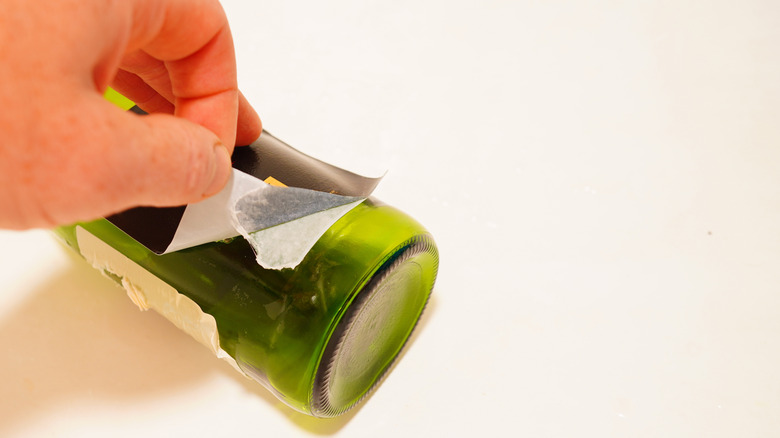
Coconut oil's ability to eliminate adhesive substances from fabric and cooking surfaces is plenty helpful, but it and other other cooking oils offer a handy hack when you're dealing with another sticky job: Removing stickers and labels on glass. Instead of battling with the adhesive and tools like hot water or rubbing alcohol, try coconut oil — odds are you'll get the job done in no time. It'll break down the adhesive, and for a little extra potency, you can add baking soda for abrasion (it'll make scrubbing the label off easier, too).
DIY a reed diffuser for fresh home fragrance
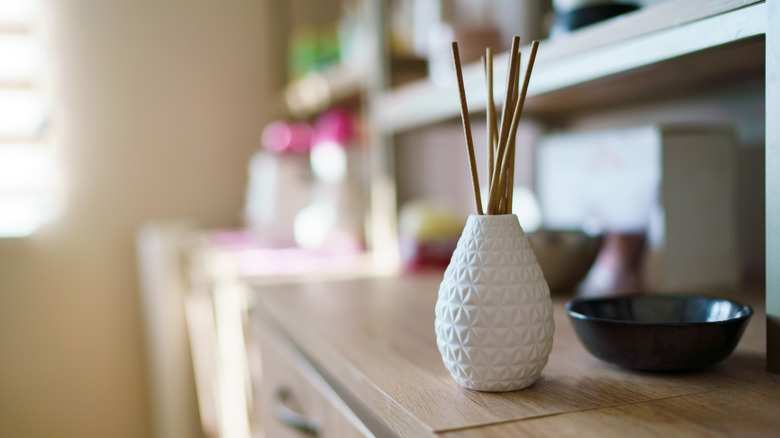
Reed diffusers are a fragrant, flame-free alternative to candles, and they deliver a consistent stream of fresh scent across your home. Plus, they're low maintenance and easy to set up. However, instead of using a premade formula, you can DIY your own reed diffuser and use coconut oil (the fractionated kind) as your base. It's the perfect starting point, as coconut oil doesn't evaporate as quickly as water, so you can stretch your fragrance out for longer. Customize the scent by choosing blends of your favorite essential oils.