

10 Plants You Should Never Grow Next To Your Tomatoes
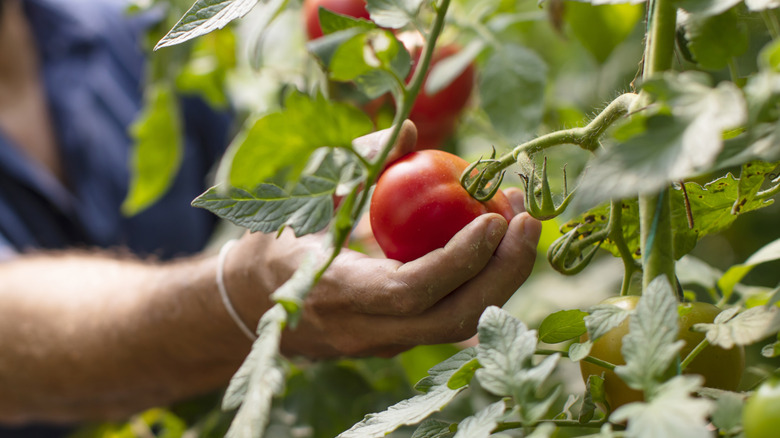
Whether you're growing them in a greenhouse or outside on one of your DIY tomato cages, tomatoes (Solanum lycopersicum) are a flavorful and versatile variety of nightshade that are great in salads, soups, sauces, or just to eat raw off the vine. In order to grow tomatoes successfully, there are a few things you need to make sure of, such as soil acidity, sun exposure, and several other factors. One of the most important things you need to keep track of is which plants you're sowing next to your tomatoes because not all of them are good companions.
Tomatoes are mostly friendly when it comes to companion planting. They get along with numerous different types of herbs as well as flowers like marigolds (Tagetes) and vegetables like asparagus. These plants can help each other along in numerous different ways, which is the whole point of companion planting. Still, there are plants that you don't want going anywhere near your tomatoes.
It's not just soil or sun requirements that makes some plants unsuitable for growing next to tomatoes. These plants have strong negative effects on tomatoes to the point where they are not compatible to grow next to each other at all.
Fennel doesn't like anybody
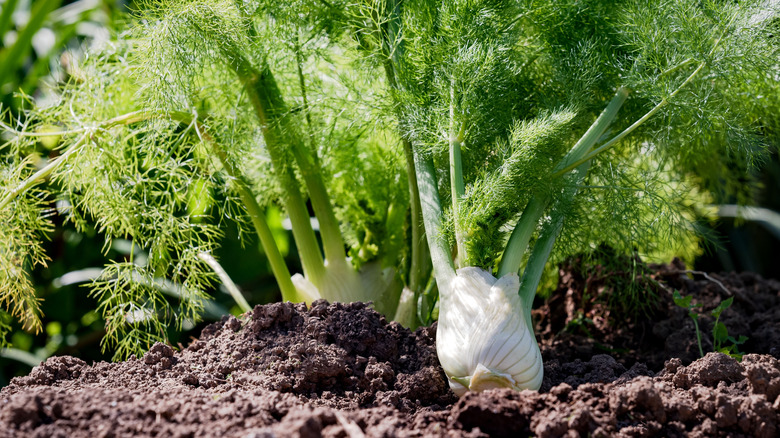
Fennel's aversion to companion planting is not exclusively reserved for tomatoes. Fennel doesn't like to be planted near anybody, and is considered a bad neighbor because of what it's capable of doing to nearby plants. In terms of tomatoes, there are allelopathic chemicals found in fennel roots which spread through the soil. Once those chemicals interact with the tomato's roots, growth is inhibited, significantly weakening the plant and reducing fruit yield.
Corn is competitive and tall
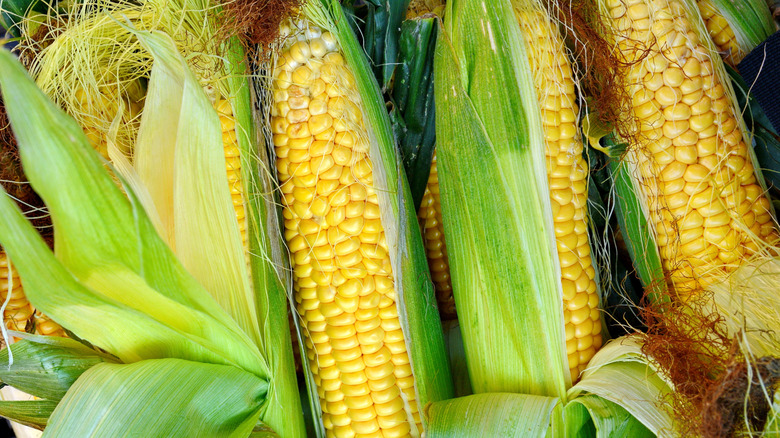
The competition between corn and tomatoes can get pretty fierce. Both corn and tomatoes are heavy soil feeders, meaning they require a lot of nutrients to grow. These two plants will fight one another for nutrients and will end up stunting each other's growth. Corn's height is also an issue as it can prevent sunlight from reaching the tomato plants. The two plants also draw pests like the tomato fruit worm to one another, so it's best to keep them apart.
Nutrient robbing brassicas
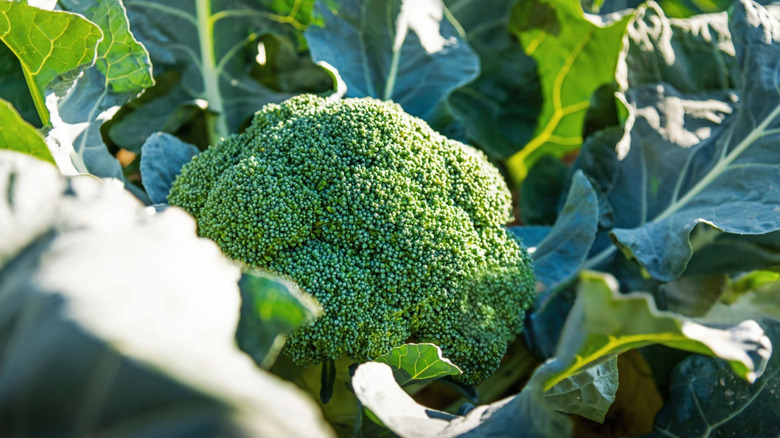
We need to lump the Brassica family together because none of them (neither broccoli, cauliflower, nor cabbage) make for suitable companion plants for tomatoes. In fact, gardeners shouldn't plant tomatoes anywhere near brassicas. Even more so than corn, brassicas are heavy feeders that require a lot of water and nutrients. As such, they will sap away the soil nutrients that tomatoes need, causing stunted growth in tomatoes and potentially cause a lack of fruit growth altogether.
Potatos are susceptible to the same diseases
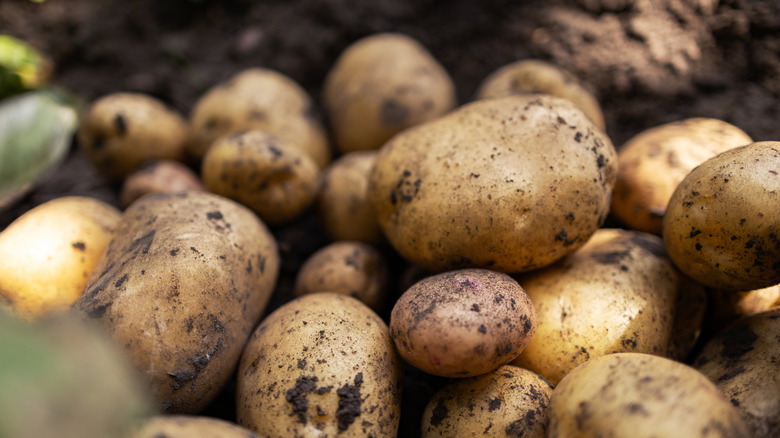
Despite being members of the same nightshade family, potatoes are not the friendliest of cousins with tomatoes. Planting them near each other will cause a competition for nutrients, seeing as they need similar soil requirements in order to grow properly. However, because they are both nightshades, planting them next to each other will also increase the risk of certain shared diseases. One particular concern is early blight, which is a pathogen that will infect all parts of the plant, including the roots, leaves, potato tubers, and tomato fruits.
Dill has allelopathic properties
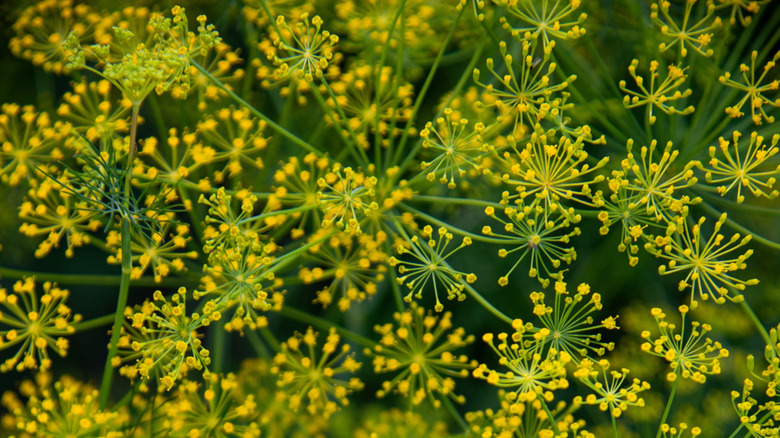
Although dill can have a positive relationship with tomatoes when it is young, the moment the herb reaches maturity things start to go south. Once dill begins to flower, its roots release allelopathic chemicals similar to those found in fennel. Like fennel, these chemicals inhibit essential growing chemicals in the soil which in turn will lead to the tomato plants growth being stunted with a lower potential for fruit to appear.
Peas fix too much nitrogen
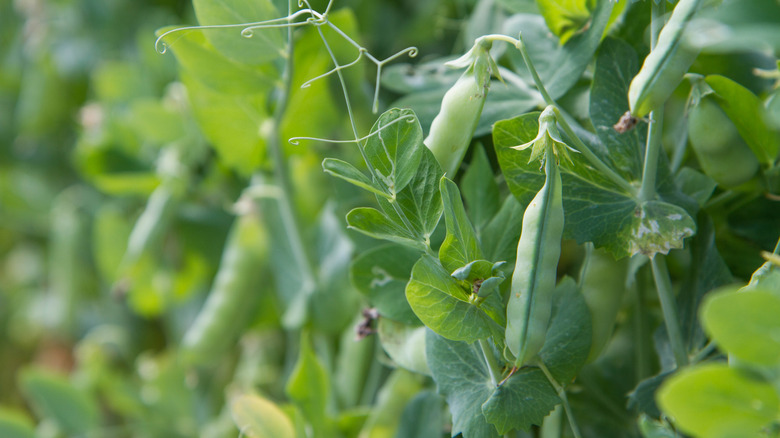
Getting nitrogen into the soil is essential for plant health and can be done with nitrogen fixing plants like peas. The roots of this legume has rhizobia bacteria which converts atmospheric nitrogen into the kind plants can use. While normally beneficial, planting peas next to tomatoes is not advised. While tomatoes do need nitrogen, there is the potential for them to get too much, in which case growth can be inhibited and the potential for disease increases. Excess nitrogen can also cause the plant to grow more leaves as opposed to fruit.
Rosemary's soil needs contrast with that of tomatoes
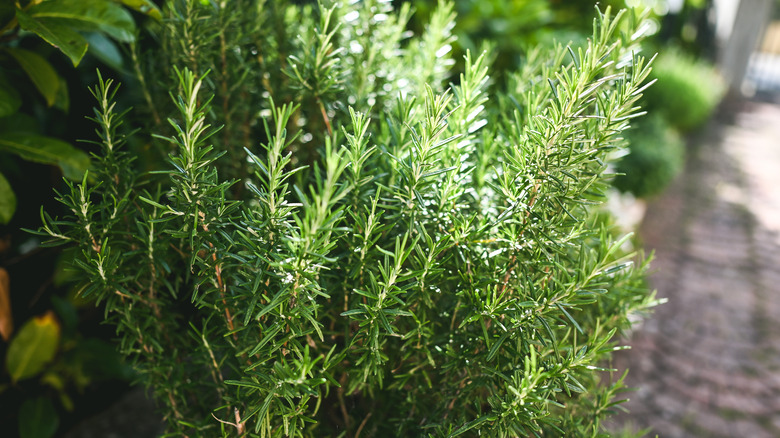
While rosemary and tomatoes work brilliantly together in a pasta sauce, they are far less compatible in the garden. Granted, rosemary wouldn't harm nearby tomato plants, but neither would fare well next to the another owing to their differing soil needs. Rosemary prefers dry soil, while tomatoes generally need moist soil with a higher concentration of nutrients. However, if you keep rosemary in its own pot, stationing it by tomato plants can actually help repel certain tomato-eating pests like flea beetles and spidermites.
Eggplant is a competitive relative
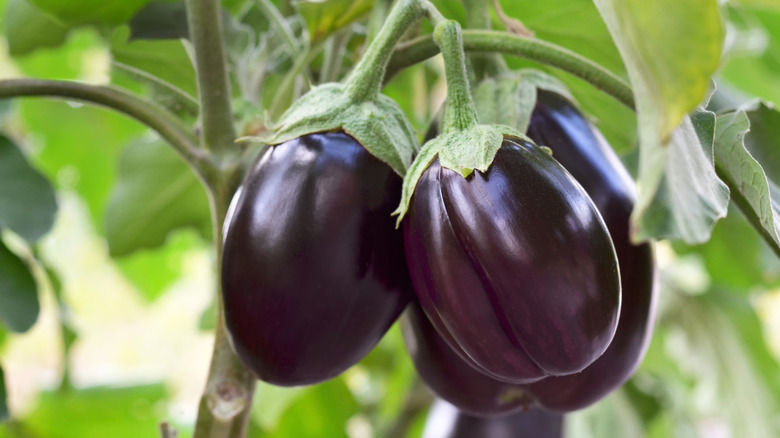
Eggplant is another relative of tomato in the nightshade family. It also happens to be an incredibly competitive relative, owing to the fact that both eggplant and tomato require the same types of soil nutrients. As such, they compete for nutrients, in which case both plants will end up being negatively affected. Just like potatoes, eggplants can also spread blight between itself and neighboring tomato plants. It's best to give these two cousins room to breathe if you plan on planting them both in the garden.
The roots of black walnut can kill tomato plants
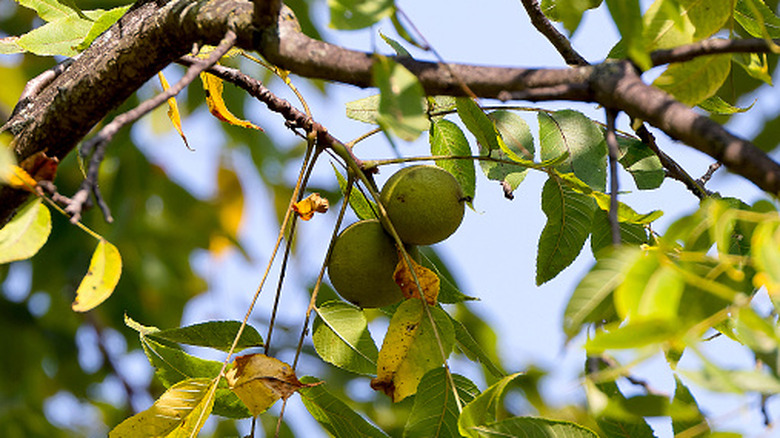
It's generally not advised to plant trees near tomatoes owing to the tomatoes need for many hours of sunshine throughout the day. Yet, if there is one tree you should absolutely under no circumstances plant near your tomatoes, it's black walnut. Not only can the falling nuts cause stains and general mess, but a high concentration of the chemical juglone spreads from the roots of the black walnut tree and are harmful enough to cause severe wilting or even kill tomato plants.
Tall okra will shade your tomato plants
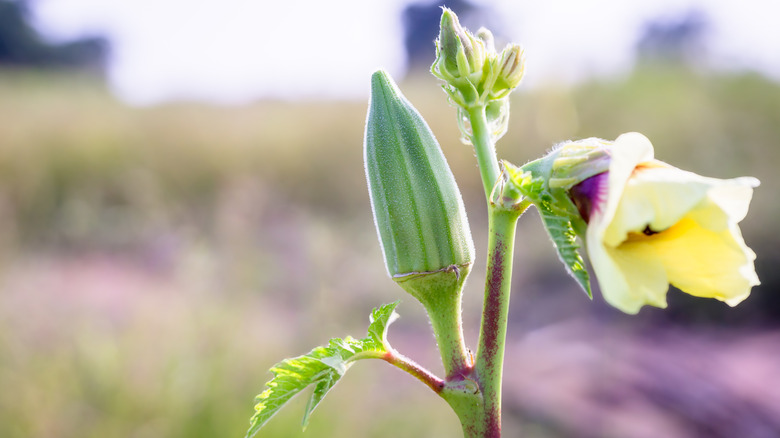
Planting okra next to tomatoes is a decent risk because okra plants tend to grow tall, somewhere between 6 to 10 feet high. As such, it will be similar to corn in that it will grow tall enough to block sunlight from the tomato plant, meaning the tomato won't grow to its full potential. You also want to avoid crop rotation of okra and tomatoes as okra attracts nematodes, which can stick around from the previous year and attack the newly planted tomatoes.