

10 Things You Should Always Wash In Hot Water To Kill Germs And Odors
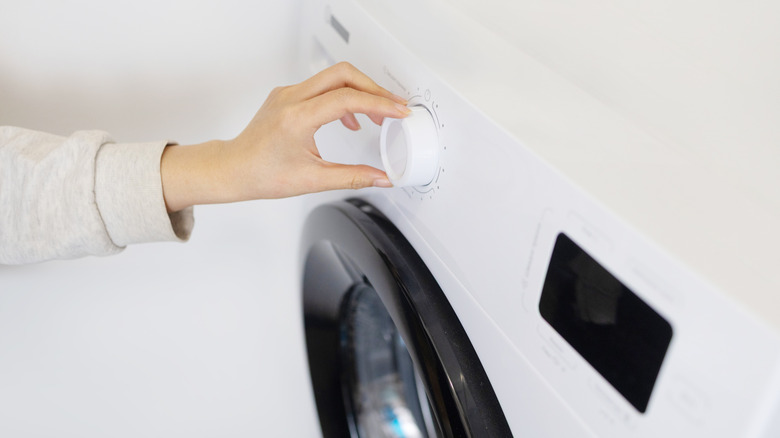
You may be tempted to wash your laundry on cold to conserve energy, preserve color, and prevent shinkage. However, some things need to be washed in hot water to kill germs and get rid of funky odors. This is because hot water has been shown to be the most effective way to destroy a variety of germs and bacteria that can linger — and even multiply — in your laundry.
To kill germs, viruses, and bacteria with a hot wash cycle, the water should be above 140 degrees Fahrenheit. This will also rid clothes of foul odors, which are caused by bacteria. Machines equipped with a sanitize cycle will superheat the water for this purpose. Otherwise, you should set your washer on the highest heat setting. The exception to this is some delicate fabrics that can become irreparably damaged by such high heat. For those items, you will need to set the temperature to the highest level the fabric will tolerate.
Of course, there are some downsides to utilizing such high-heat wash cycles. It not only costs more due to the extra energy needed to heat the water, but it is also rough on clothing. Even material that can handle the high heat can become faded, discolored, or simply not last as long if it is regularly washed in hot water. So, the decision to wash on hot is somewhat of a risk/reward situation. However, if getting rid of germs, bacteria, and odors is the priority, hot water is the way to go, especially for the items we've listed here.
Bath towels, mats, and rugs
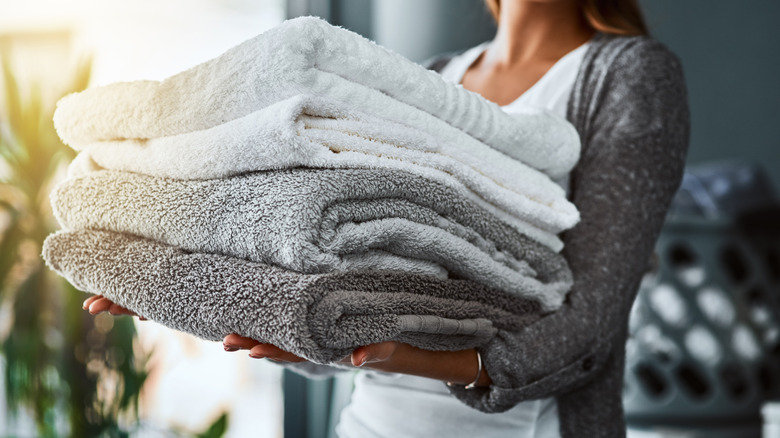
The bathroom is among the dirtiest rooms in a residence. So, it stands to reason the fabrics that are utilized there will also have a host of bacteria. Because the bathroom floor is particularly prone to germs, mats and rugs are certainly among the items that need a hot water cycle. That is also the best wash cycle for towels. While you may think you are only touching clean skin with your bath towel, you are wiping away residual germs and moist towels are a perfect environment for germs and mildew to grow.
Items you use to sleep at night
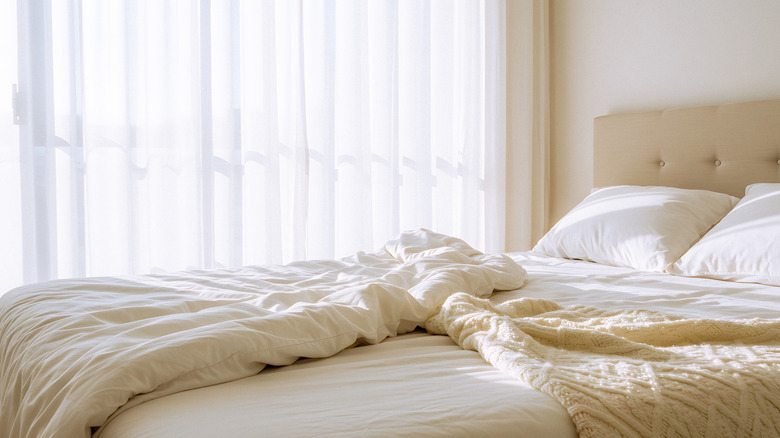
You may think if you go to bed freshly showered each evening, your bedding will be germ-free. You would be wrong. Sweat, saliva, and skin cells that are shed through the night are just a few of the factors that contribute to bedding being rife with germs, bacteria, and possibly even dust mites. As a result, sheets should be washed often, even weekly, with hot water. Other bedding should be washed at least once a month, also with hot water.
Undergarments and underlayers
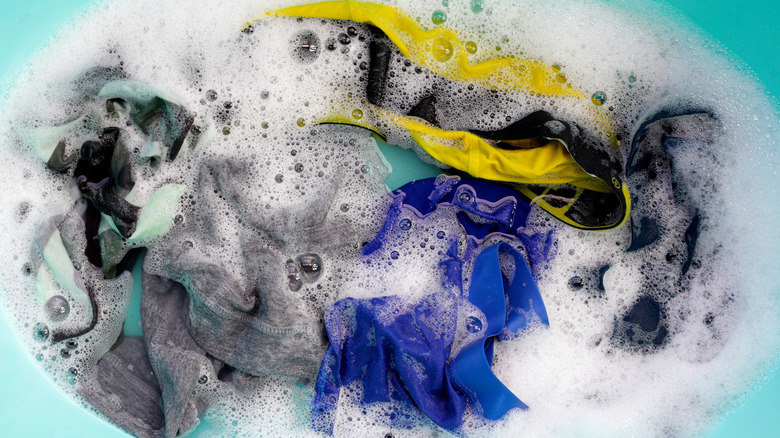
Not surprisingly, undergarments and underlayers are among the most germ- and bacteria-ridden items in your laundry pile. This is because they come in direct contact with your skin and private parts throughout the day, absorbing sweat and other things you'd rather not think about. As a result, underwear, bras, socks, undershirts, and other undergarments should always be washed in the hottest water possible in order to kill any germs and bacteria living in the fabric.
Kitchen towels and sponges
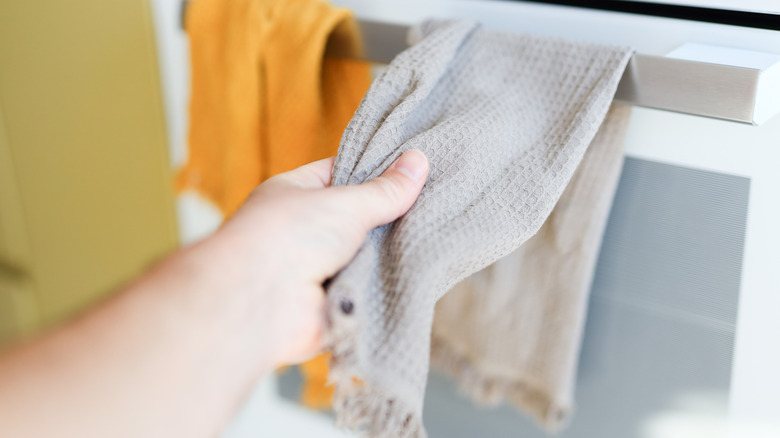
Although most people assume the bathroom is the germiest room in the house, it is actually the kitchen. On top of that, towels and sponges are the germiest items in the germiest room. This is because towels and sponges absorb germs and bacteria when they are used to wipe, clean, and/or dry hands, dishes, and countertops. So, these things need to be washed in hot water — preferably the sanitize cycle — every couple of days.
Workout clothing and gear
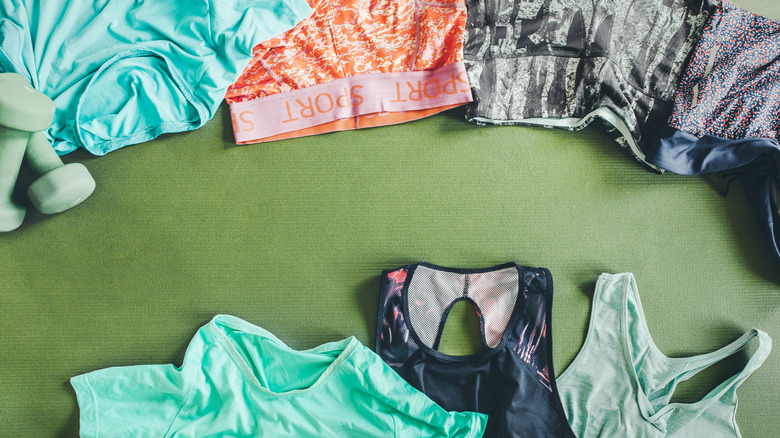
Sweating can make you feel like you've had a successful workout. It also can result in germs, bacteria, and odor invading your workout clothing and gear. While you may think sweat-wicking synthetic fabrics are less prone to this, they are actually more so since they are designed to draw sweat away from your body. Additionally, as you come in contact with workout equipment, your clothes can pick up germs previously left behind by yourself or others. Washing workout clothing and gear in hot water is the best way to kill off these germs and bacteria.
Kid and baby clothes
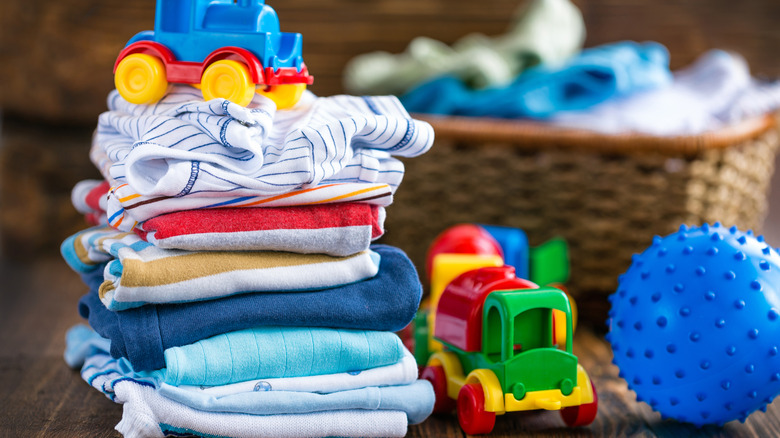
Kids and babies may be cute, but their clothes can be — and often are — filled with germs. Young kids' clothes can come in contact with bacteria throughout the house, as well as on outings, at daycare, or in school. Baby clothes and blankets will also inevitably come in contact with various germ-filled substances through diaper changes, feedings, etc. The best way to sanitize both baby and kids' clothes is using the hot water or sanitize cycle on your washer.
Pet stuff
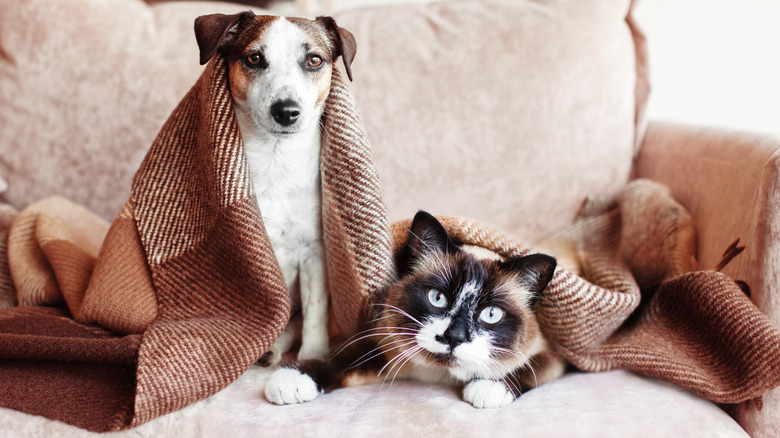
Pets, even those which are well groomed, can be vectors for germs and bacteria — both those which occur naturally on their skin and in their fur, as well as those they come in contact with in yards, litter boxes, and elsewhere. Likewise, they can easily transfer germs to anything that they come in contact with, including their beds, blankets, collars, and, yes, pet clothes. To make sure these germs and bacteria don't spread throughout your house, pet stuff should always be washed in hot water.
Anything used by someone sick
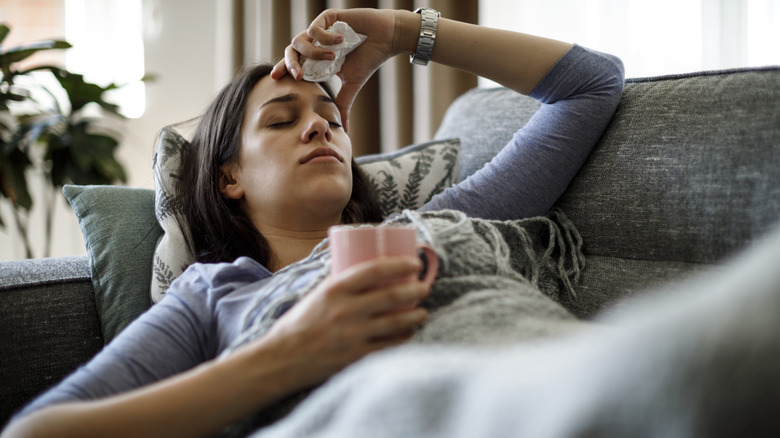
When someone is sick, they are spreading germs onto all the surfaces with which they come in contact with, including clothing and bedding. With that in mind, anytime you or anyone else in the household is sick, clothes, bedding, washcloths, and any fabric items they use, wear, or sleep in should be washed in hot water, separate from other laundry. This will kill off germs, viruses, and bacteria and prevent them from spreading further.
Clothing worn on outdoor adventures

If you enjoy spending time in the outdoors, you realize that sweat and dirt often play a role in these adventures. While the sweat from your body can contribute to germs and bacteria forming, just as they do on workout clothes, those exploring in the outdoors are also likely to encounter pollen, traces of animal scat, random bacteria in soil or water, and countless other germs. In order to make sure germs and bacteria aren't spread into your home, wash your clothing worn on outdoor adventures in hot water immediately upon returning.
Laundry that has lingered
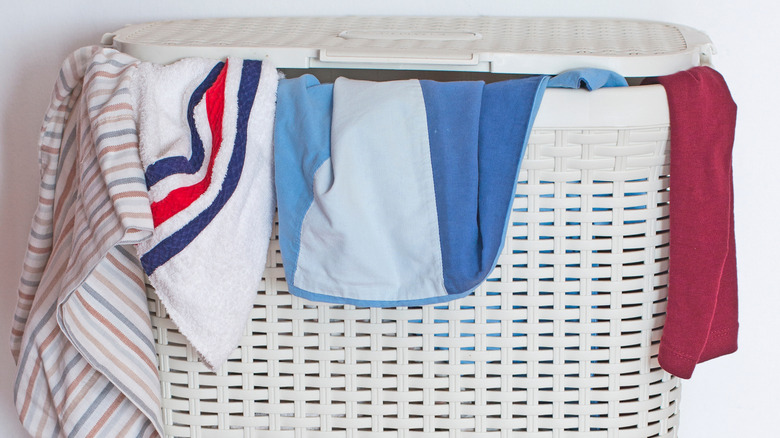
Even items that otherwise wouldn't need to be washed in hot water may require a run through a hot water cycle if you procrastinate doing laundry or removing clothes from the washer. Some serious germs can live on clothes for weeks. Some can even breed in a hamper if the clothes are put in damp. Laundry should be washed regularly to prevent this. Additionally, leaving your clothes in a washer too long after washing can allow bacteria, mold, and mildew to grow. Should this happen, it may be necessary to rewash in hot water.