

13 Genius Epsom Salt Hacks For Your Home And Garden
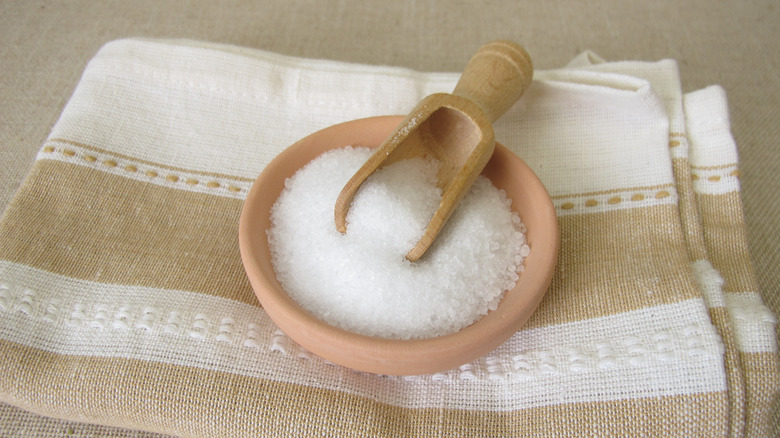
Though Epsom salt is often found in medicine cabinets and baskets filled with bath bombs, it has numerous uses that don't involve soothing sunburned skin or sore feet. For starters, Epsom salt is an excellent cleaning companion that can help you tackle grimy tile, dirty laundry, and much more. Known as magnesium sulfate among chemists, this drugstore product can provide a nutrient boost to grass and other types of plants while giving pesky garden slugs the heave-ho. Plus, it has some lesser-known applications in the world of arts and crafts.
In addition to being convenient — especially if you already have a bag of it on hand — Epsom salt is relatively inexpensive and does not expire like many foods and drugs do, so a bag of it can last a long time if stored in low-moisture conditions. This makes it a popular component of a range of hacks for homes and yards, including methods of removing hard water stains from metal fixtures and refilling the "lava" in lava lamps. Epsom salt also tends to be gentle on both skin and the environment, so it's relatively low-risk when used in small quantities.
Banish burnt spots from pots
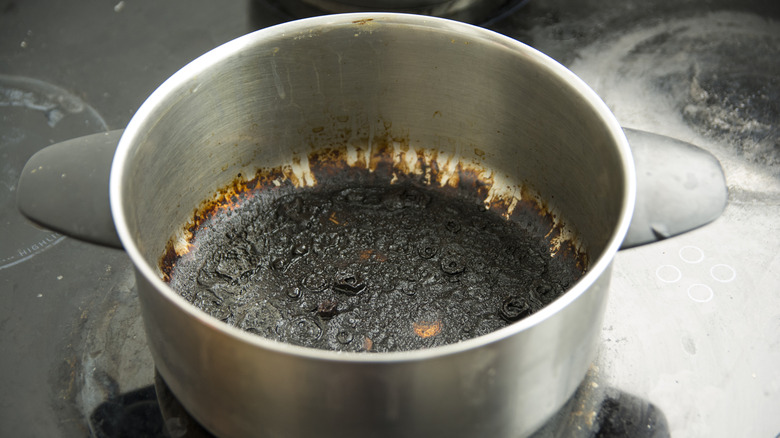
Epsom salt takes the form of crystals that can be used to scour stuck-on food off cooking tools. These crystals are especially helpful if you need to clean a burnt pot or pan made of metal or another material that can handle a scratchy scrub. Just add a few spoonfuls of Epsom salt to a scorched pot before grabbing your favorite sponge or brush, or run water over the pan and squeeze a bit of dish soap into it before depositing a tablespoon of the crystals, scrubbing thoroughly with a heavy-duty sponge, and rinsing.
Get rust off of cast iron pans
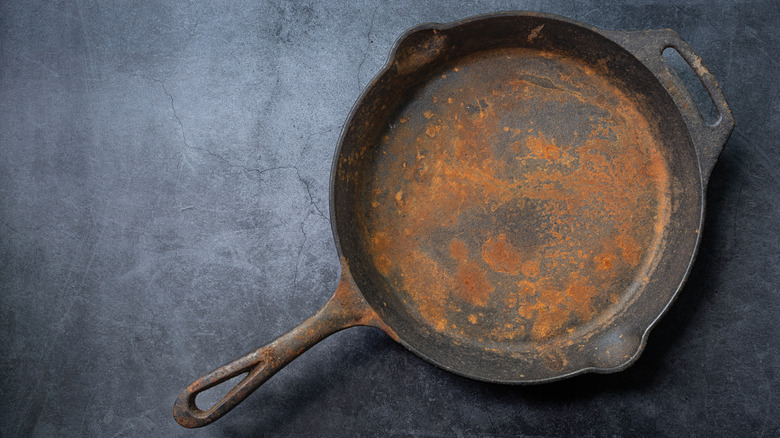
Cast iron pans are prone to rust if you soak them in water. However, if the rust has stayed on the pan's surface rather than corroding the iron, you can restore the pan with a handful or two of Epsom salt and another unexpected ingredient: half a potato. Put the Epsom salt in the pan and use the potato like a scrubber sponge, working the magnesium sulfate crystals into the rust. Or, make a paste from Epsom salt and water and massage it into rusted spots with a brush and a splash of vinegar.
Liven up lace curtains
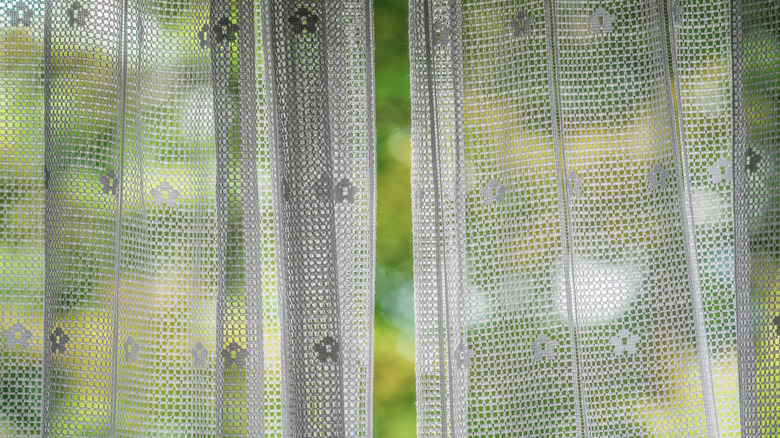
Lace curtains and tablecloths, as well as other sheer linens, appreciate an Epsom salt soak almost as much as a pair of aching feet. This is especially true following a spin in the washing machine, which can leave them looking limp. Fill a bucket or basin with cool water, mix in a cup of Epsom salt crystals, and plunge the fabric into this solution so every inch of it is covered. Then, hang the curtains to dry without wringing them out. They'll show their gratitude with a crisp appearance after the liquid evaporates.
Use as a natural fabric softener

Though crispness is a desirable quality for lace, other linens benefit from a super-soft texture. Make your blankets as cozy as possible by using Epsom salt as a natural fabric softener. Unlike commercial fabric softeners, which often contain concerning chemicals, Epsom salt provides a non-toxic way to condition a variety of bedding materials. Just deposit 3 tablespoons of Epsom salt crystals in your washer before dropping in your laundry. As an added bonus, magnesium sulfate stops odors in their tracks. For extra stench-fighting power, blend in a few drops of fresh-smelling essential oil.
Clean your washing machine
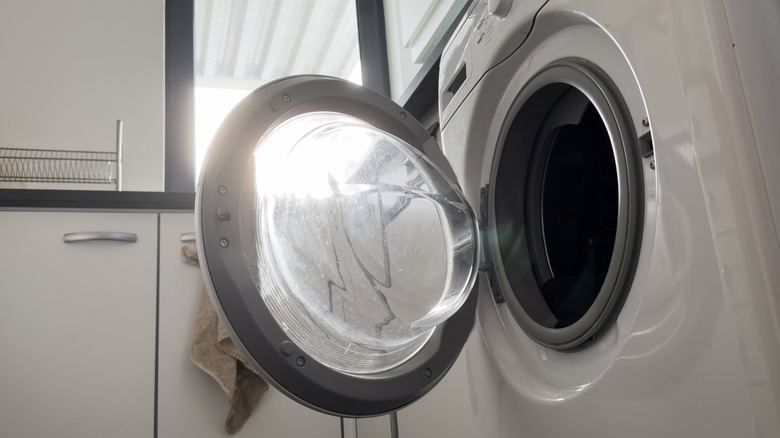
Though they spend much of their lives filled with soapy water, washing machines need to get cleaned every month or so. This prevents mold and unpleasant smells from developing, and it keeps too much detergent residue from accumulating. To make your machine spick and span, fill the entire tub with steamy water, pour in 1 cup of Epsom salt, then run a cycle that includes both soaking and agitating. If you'd like, also add 1 quart of vinegar to harness the cleaning power of acetic acid. Finish the job with a hot-water-only cycle.
Get your grout to gleam
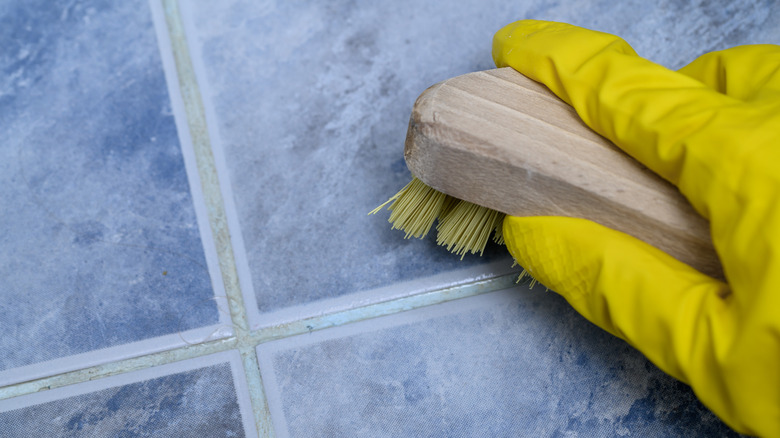
Combine equal amounts of Epsom salt and liquid dish soap to create the perfect paste for cleaning grimy grout. What's more, this cheap concoction can make your tiles sparkle like expensive gemstones. It's especially effective at scraping away soap residue, mildew, and other nasty things that tend to accumulate on shower tiles. Just let it sit for a couple of minutes before attacking the buildup with a brush. If you want to try it on your home's floors, avoid tiles made of marble, limestone, or other materials that scratch easily.
Make your toilet flush better -- and look shiny while doing it
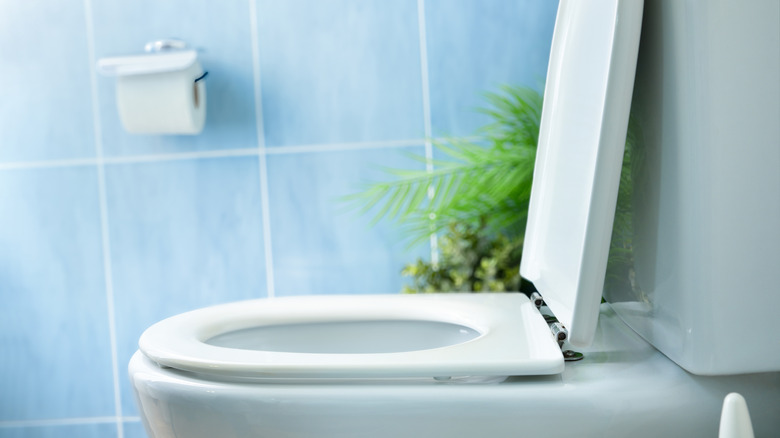
The abrasive nature of Epsom salt can solve several problems toilets often experience. If your toilet is clogged, pour a cup of Epsom salt into the bowl. Wait for any fizzing to simmer down, then flush the crystals to remove the blockage. If your commode is looking lackluster, try brightening its bowl with Epsom salt and baking soda. Blend together ½ cup of each and let the mixture rest on stains for 20 minutes before scrubbing. The Epsom salt makes gunk and mineral residue vanish while the baking soda deodorizes.
Create faux snow for winter decorations and more

Epsom salt can give Christmas trees and wreaths a snow-dusted look. It also provides a way to frost glass temporarily, which is useful whether you want your windows to emanate a "Jack Frost just visited" vibe or simply desire a bit more privacy. To make this wintry coating, mix together 1½ cups of boiling water, 1 cup of Epsom salt crystals, and 3 tablespoons of clear dish detergent. Apply the solution with a small paintbrush if you're decorating textured objects, such as pine boughs, or use a sponge if you're tackling flat glass surfaces.
Melt sidewalk ice and snow in a dog-safe way

Promptly removing snow and ice from the sidewalk in front of your house can protect you, your neighbors, and other pedestrians from slip-and-fall injuries. Unfortunately, one of the most popular types of ice melt — sodium chloride, aka rock salt — can be toxic to dogs going for walks and wild animals foraging for food. Using Epsom salt instead is safer for pups since small amounts usually aren't harmful if ingested. If you try it, keep in mind that its ice-melting abilities diminish when temperatures dip below 20 degrees Fahrenheit.
Help your houseplants flourish
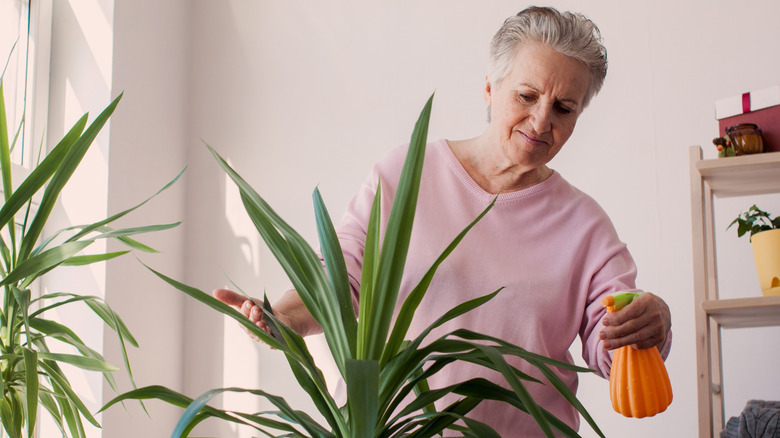
A variety of houseplants seem to be thankful for an occasional taste of Epsom salt. These include African violets, which are sensitive to mineral deficiencies, and pothos plants, whose leaves may be less prone to yellowing when the soil contains plenty of magnesium. Delivering the right amount of Epsom salt in a form your houseplants can handle is crucial. First and foremost, don't dump the crystals on your houseplants' soil. Instead, dissolve 2 tablespoons of Epsom salt in a gallon of water and serve this liquid to your potted pals once per month.
Grow healthy tomato and pepper plants

Tomatoes, peppers, and other vegetable plants prone to magnesium deficiencies often benefit from the dose of this mineral that Epsom salt delivers. If a soil test shows that your garden is low in magnesium, mix 1 tablespoon of Epsom salt into a gallon of water and feed your tomatoes and peppers this solution twice a month to help them stay happy and healthy. Have you made too much of this liquid mineral supplement? Not to worry. Epsom salt can also help your roses bloom, so try giving the leftovers to these magnesium-craving shrubs.
Deter woodchucks from your vegetable garden

Though Epsom salt encourages tomatoes to grow, it discourages woodchucks from hanging out in your vegetable garden. Though these lumbering rodents are amusing to watch, they can make a real mess by digging extensive tunnels and eating your homegrown produce. To help keep them away, disperse Epsom salt crystals around the edges of your garden and near any burrow holes you find. Placing dishes of Epsom salt near your favorite fruit and veggie plants is also wise, as woodchucks detest the taste of the stuff and are likely to avoid the general area.
Remove tree stumps from your yard
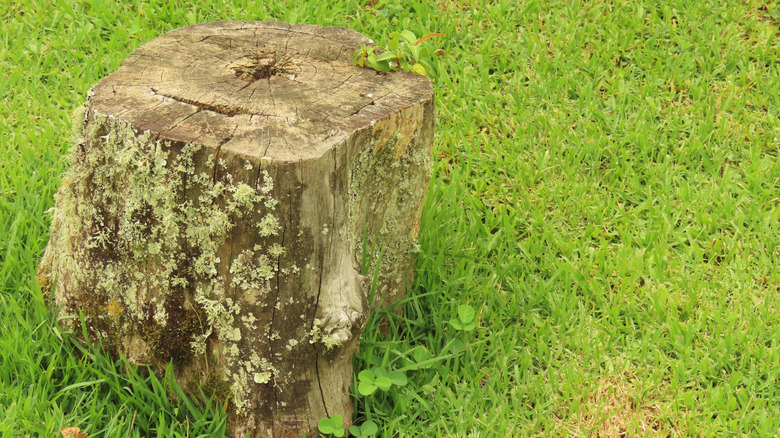
Is your lawn littered with old tree stumps? You could hire a pro to grind them and remove the debris, but that's likely to cost a small fortune. Instead, remove the stumps with Epsom salt for a fraction of the price. Unlike some chemicals designed to dissolve stumps, Epsom salt is unlikely to hurt nearby plants, pets, or wildlife. Just know that it can take 6 months to a year for the stump to dry up and break down under a plastic tarp after being filled with drill holes that have been packed with Epsom salt.